


New York mornings hum with energy and motion. The sidewalks fill quickly, horns echo down the avenues, and parents hurry to pack lunches, answer messages, and catch the train. It’s a rhythm every city family knows well, equal parts love and exhaustion. Yet beneath the rush, many parents feel a quiet wish for more presence, a moment to connect, breathe, and simply be. Founded by Mariana Gordon, a mindfulness educator and former children’s counselor, and Sondra Bakinde, an artist and wellness advocate with a background in family engagement, Mindful Mantis teaches that mindfulness doesn’t require slowing the city; it simply asks us to move through it with awareness.
The Urban Stress Cycle
New York families live in constant motion. The pace that drives ambition can also quietly fuel tension and overwhelm. Parents juggle demanding jobs, school schedules, and after-school activities, while children absorb that same energy. Overbooked days leave little room for rest, and both parents and kids often experience overstimulation that shows up as irritability, distraction, or fatigue.
Research shows that the nervous system can’t distinguish between emotional busyness and physical danger. When the body stays in a “go” state for too long, it forgets how to reset. This is where mindful parenting becomes more than a concept; it becomes a practice that restores balance.
For New York parents, the challenge often lies in carving out even a few moments of stillness amid the bustle. Mindfulness provides a pathway back to that calm, helping families regulate their nervous systems and build resilience. It invites both children and adults to pause between the honking horns and crowded sidewalks, remembering that calm is not a destination but a skill that can be nurtured anywhere.
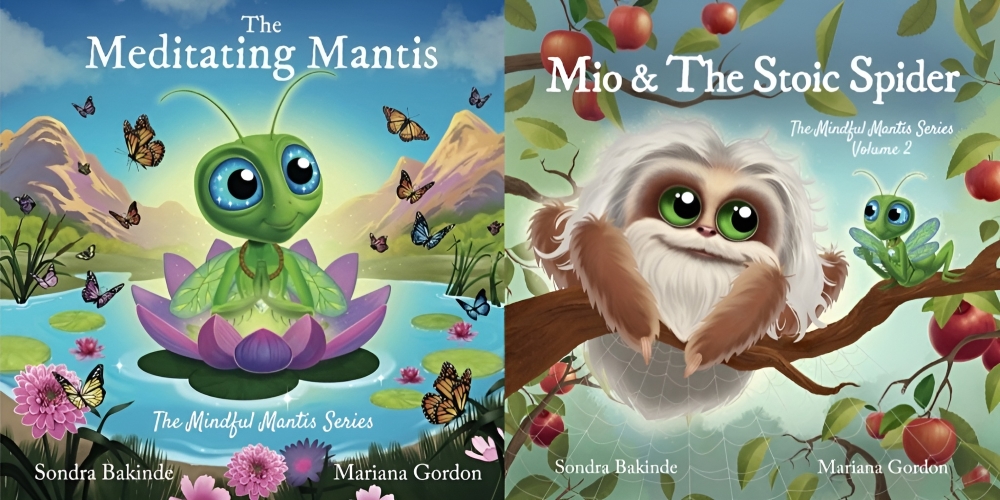
Photo Courtesy: Mariana Gordon / Sondra Bakinde
What Mindful Parenting Really Means
Mindful parenting isn’t about perfect calm or endless patience. It’s about slowing down enough to feel the texture of a moment, the warmth of a small hand in yours, the way your child’s laughter fills a room, or the pause between their words when they’re unsure. It means noticing what’s happening within yourself and with your child, and meeting it with curiosity instead of control.
When parents take a breath before reacting, they model emotional regulation that children can mirror. When they kneel to eye level to listen fully, they teach empathy in its truest form. Over time, these gestures become a quiet language of safety and understanding.
Such mindful attention creates a nurturing space where children’s emotional wellness can thrive. Families begin to discover that presence, not perfection, is what strengthens connection. And in a city that celebrates speed, mindfulness becomes a small act of rebellion, an intentional pause that reminds parents that peace is found in the noticing.
Practical Tools for NYC Families
Finding stillness in New York doesn’t require an extra hour, just an extra breath. Try these simple, city-friendly mindfulness practices:
- The Sidewalk Pause: As you walk your child to school, notice three things you see, two you hear, and one you feel. It turns a routine route into a grounding ritual.
- Subway Breathing: Teach your child to take five deep breaths while waiting for the train. Count together quietly. This practice builds emotional regulation before the day even begins.
- Dinner Gratitude Moments: Each evening, invite everyone to share one thing they’re grateful for. Gratitude lowers stress hormones and strengthens family bonds.
- Screen-Free Sunsets: Whether you can see the skyline or a sliver of sky between buildings, take a few minutes at dusk to simply look. This sensory stillness reminds children that peace can exist anywhere.
For parents who want to build a deeper foundation of calm, the Magic Mantis Course offers guided lessons, family meditations, and creative mindfulness activities that fit easily into modern life. Designed for parents and kids to do together, it helps transform mindfulness from an abstract idea into a playful, shared experience.
The Science of Calm
Mindfulness is more than a mindset; it’s a neurological skill. When families practice mindful breathing, the brain’s amygdala (the stress center) quiets, while the prefrontal cortex (the decision-making area) strengthens. Over time, both children and adults experience improved focus, emotional balance, and empathy.
Scientists have found that families who engage in mindfulness-based routines report better sleep, lower stress levels, and a stronger sense of connectedness. Simple rituals like shared breathing or gratitude journaling can physically shift the brain toward calm, creating a ripple effect that supports better communication and emotional safety at home.
This scientific foundation supports the heart of kids meditation and mindful parenting: helping young minds grow resilient and kind. In a city known for its hustle, teaching a child to find calm becomes an act of empowerment.
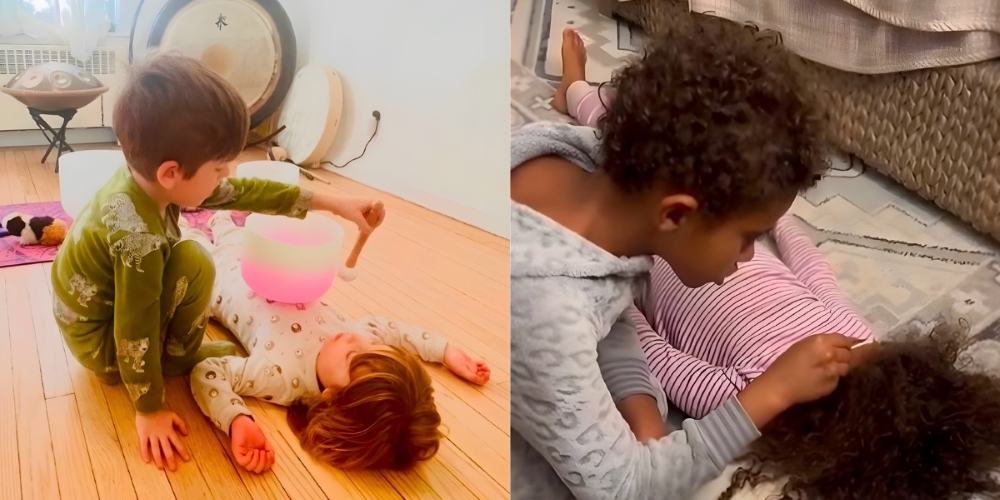
Photo Courtesy: Mariana Gordon / Sondra Bakinde
Finding Stillness Together
The beauty of mindful parenting in New York is that it doesn’t ask families to escape the city; it invites them to experience it differently. The same subway that once felt chaotic can become a classroom for patience. The same crowded sidewalks can become paths for presence.
Families are learning that peace isn’t found outside the noise but within their attention to one another. Through small moments of breath, gratitude, and play, parents model what it means to live with awareness in an overstimulated world.
Mindfulness doesn’t erase the city’s noise or chaos; it transforms how we meet it. Each time a parent chooses to pause before reacting or a child practices a calming breath on the subway, a new pattern forms, one of compassion, awareness, and trust. These small acts of mindfulness ripple outward, shaping calmer homes and, eventually, more peaceful communities.
At The Mindful Mantis, we love meeting parents right where they are. If you want a playful story that doubles as a meditation, explore The Meditating Mantis and Mio & The Stoic Spider, which is a gentle, science-savvy way to begin a lifelong practice of calm and resilience, one page and one breath at a time.
Disclaimer: The information provided in this article is for informational purposes only and is not intended as medical or professional advice. The practices and techniques mentioned may vary in effectiveness for different individuals. Always consult a qualified professional before making any significant changes to your parenting strategies or health routines.