

By: Paul White
First responders are trained to run toward danger while others run away. They see trauma up close, carry life and death decisions home with them, and return for the next shift as if nothing happened. Over time, that kind of exposure leaves a mark, not on the body, but on the mind and spirit. These are the invisible wounds. And for many, they become unbearable.
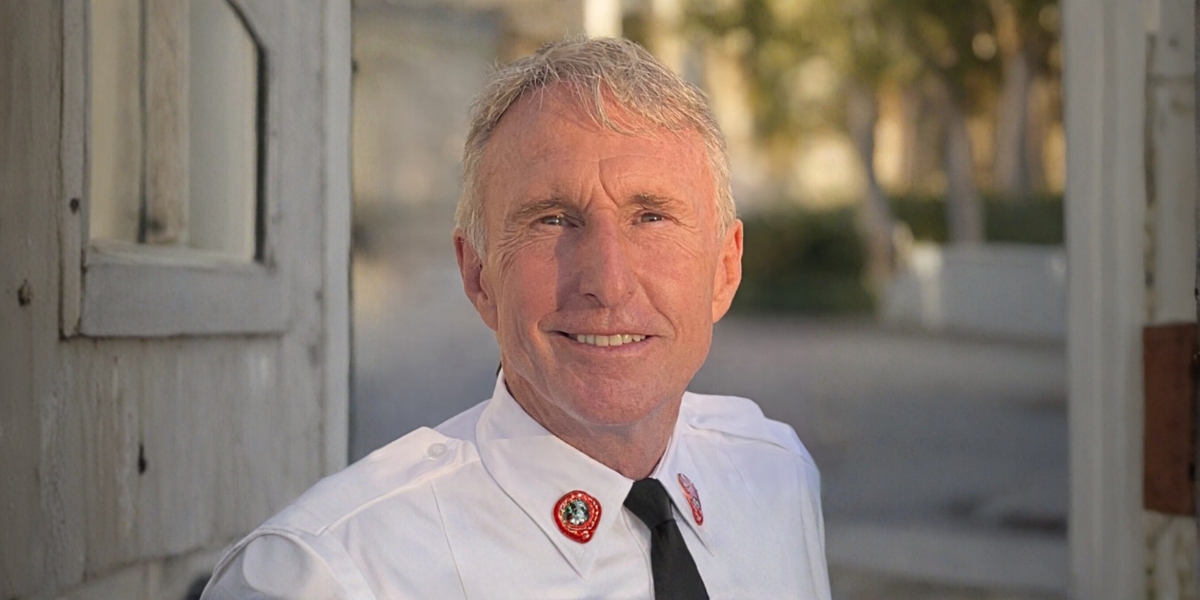
In his newly released book, Tin Box Heroes, veteran firefighter and paramedic Ken Grimes shifts the conversation from silent suffering to a more complex, more hopeful truth. Recovery is possible.
Written as both a memoir and a practical guide, the book addresses the cumulative psychological injuries caused by decades of exposure to chaos, tragedy, and responsibility. These wounds are not the result of weakness. They are the predictable outcome of doing this job well for too long without proper recovery. Each year, an estimated 250 first responders die by suicide due to work-related trauma. Grimes wrote this book with one goal in mind. Bring that number to zero.
Rather than focusing on heroism or accolades, the book draws on lived experience to build trust. “The only reason it’s a memoir,” Grimes explains, “is to show that I’ve walked this path.” What follows is not a story about surviving trauma, but about learning how to live again after it.
Grimes began in the fire service at age sixteen. Over more than four decades, he served as a firefighter, paramedic, and trauma flight medic. His career included responses to large-scale disasters, including Hurricanes Katrina, Maria, and Irma. Like many in the profession, he kept going. He stayed functional. He stayed productive. Outwardly, he appeared successful.
Internally, the weight was building.
In 2017, after returning from hurricane response work, that weight finally collapsed inward. What followed was a personal breakdown that forced an honest reckoning. Although he eventually recovered, the cost was high. His marriage ended. His emotional world narrowed. The job had shaped him in ways he did not fully understand until everything stopped working.
That reckoning became the foundation of Tin Box Heroes.
At its core, the book explores what happens when first responders live in a constant state of fight-or-flight, even after the danger has passed. This chronic state affects relationships, health, sleep, and the ability to feel joy. Grimes describes how two people can stand side by side watching the same sunset. One sees beauty. The other is involuntarily pulled back into a traumatic memory. The world looks different after you have seen too much.
Importantly, the book is not written only for first responders. Dedicated chapters address spouses, family members, and employers directly. Grimes explains why first responders may appear distant, irritable, or emotionally unavailable, and how those behaviors are often survival adaptations rather than character flaws. Understanding that difference can change marriages, families, and careers.
Employers are challenged to reconsider how they interpret performance issues. What looks like disengagement or misconduct is often trauma expressing itself. With awareness and support, workplaces can become part of the solution instead of another source of harm. Grimes argues that leadership has a responsibility not just to operational readiness, but to human sustainability.
The book also offers a clear roadmap for recovery. Drawing from his own transformation, from a man who looked successful but felt miserable, to someone who now describes his life as calm, grounded, and joyful, Grimes outlines practical steps for building resilience. Mental, physical, and spiritual health are treated not as optional, but essential.
He compares resilience to physical training. Just as a boxer conditions their body for the ring, first responders must train for the psychological demands of their work. Resilience does not happen by accident. It requires intention, discipline, and support.
Now serving as a fire chief responsible for others’ well-being, Grimes takes this role personally. Writing the book began as part of his own healing. Publishing it became a moral decision. If his experience could help someone avoid the same pain, then staying silent was no longer an option.
The message of Tin Box Heroes is clear. This job carries invisible wounds that can be deadly. But they do not have to be. With awareness, compassion, and the right tools, first responders can reclaim their lives. Families can better understand the people they love. Leaders can build healthier systems.
For those who spend their lives saving others, believing that recovery is possible may be the most crucial rescue of all.