

By: Lois R. Hernandez
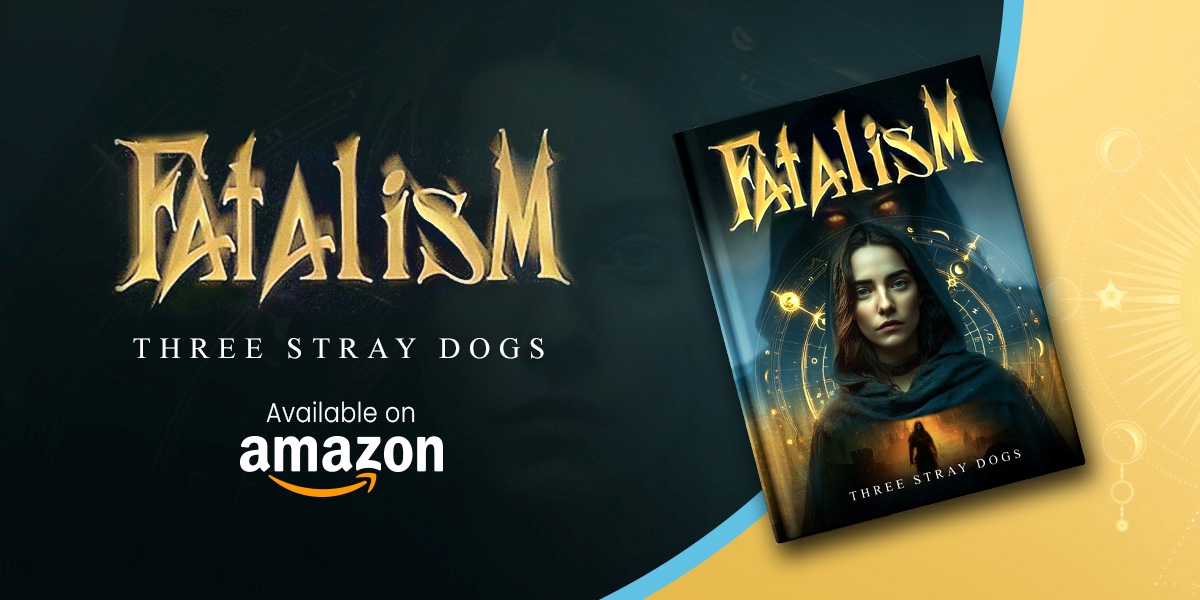
What if the most crucial events of your life were not the result of free will, but the inevitable consequence of a secret hidden a thousand years ago? This is the gripping premise explored in FATALISM, the published screenplay from THREE DOGS PRODUCTIONS and the collaborative minds of Marcello Intraligi, Francesco Giampietro, and Wayne Shepherd. More than just a script, this is a masterclass in cinematic suspense, inviting readers to become both audience and detective in an epic narrative where the past is not merely prologue, it is destiny.
FATALISM is a story split across a millennium, opening with chilling intensity in Northern Europe, AD 1005. In a bleak, underground cavern, the elderly Father Timothy is subjected to brutal torture by the formidable Warlord Ahrman. The Warlord’s obsession is singular: extracting a secret the priest is sworn to keep, a dark and potent truth so dangerous it must be concealed for a thousand years. This desperate, violent confrontation sets the clock ticking on a monumental historical mystery, establishing a chilling sense of predestination that permeates every subsequent scene.
The narrative then executes a daring leap into the present day, shifting to the desolate, atmospheric ruins of King Galen’s Castle. Here, the story introduces its modern protagonists: Katrine, Nicholas, and Ronim. These three individuals appear to be undertaking a simple exploration, but fate has already sealed their roles in a story spanning centuries.
The play’s true core is revealed through the character of Katrine. Marked by a distinctive bird-wing birthmark, a visual motif that underscores the screenplay’s themes of flight and fate. She makes a monumental discovery. Unearthing a hidden canister, she recovers a single, exquisite gold ring. This is no ordinary trinket; it is the very artifact Father Timothy risked his life to hide in the year 1005.
The discovery of the ring acts as a historical fulcrum, wrenching the modern characters into the ancient conspiracy. The screenplay skillfully layers moments of profound grief, loss, and spiritual mystery as Katrine realizes her life, and the lives of those around her, are not accidental occurrences but the culmination of a millennium-old plan. The tension is palpable as the modern trio must now navigate the sinister forces that have been lying in wait since the Dark Ages, forces determined to exploit the secret the ring represents.
For readers, FATALISM provides a unique and engaging experience.
As a published screenplay, it provides an unvarnished view of the creative process, showcasing the economy of language, the precision of visual direction, and the sheer narrative architecture required for a high-stakes thriller. The meticulous attention to detail in each scene offers insight into the complexity of storytelling. Readers can appreciate the layers of tension and atmosphere that are carefully crafted, reflecting the collaborative efforts of its creators.
Enthusiasts of cinema will appreciate the script’s taut pacing and visual intensity. At the same time, lovers of literature will be drawn into the rich thematic exploration of free will, historical consequence, and the enduring power of sacrifice. The script balances moments of high drama with introspective depth, making it a compelling read for those who enjoy both visual storytelling and thought-provoking narratives. Its complex characters and layered themes create an immersive experience that resonates on multiple levels.
Ultimately, the play is a polished, compelling work that achieves a balance few narratives manage: it is both an exciting, time-traveling mystery and a thoughtful examination of what it means to choose your path when destiny insists on choosing for you. The seamless blending of past and present creates a narrative that challenges perceptions of time and fate. As the characters grapple with their roles in this grand scheme, the screenplay invites the audience to reflect on their own relationship with destiny and choice.