“We Didn’t Come Here to Lose”: Inside New York City’s Historic Nurses Strike

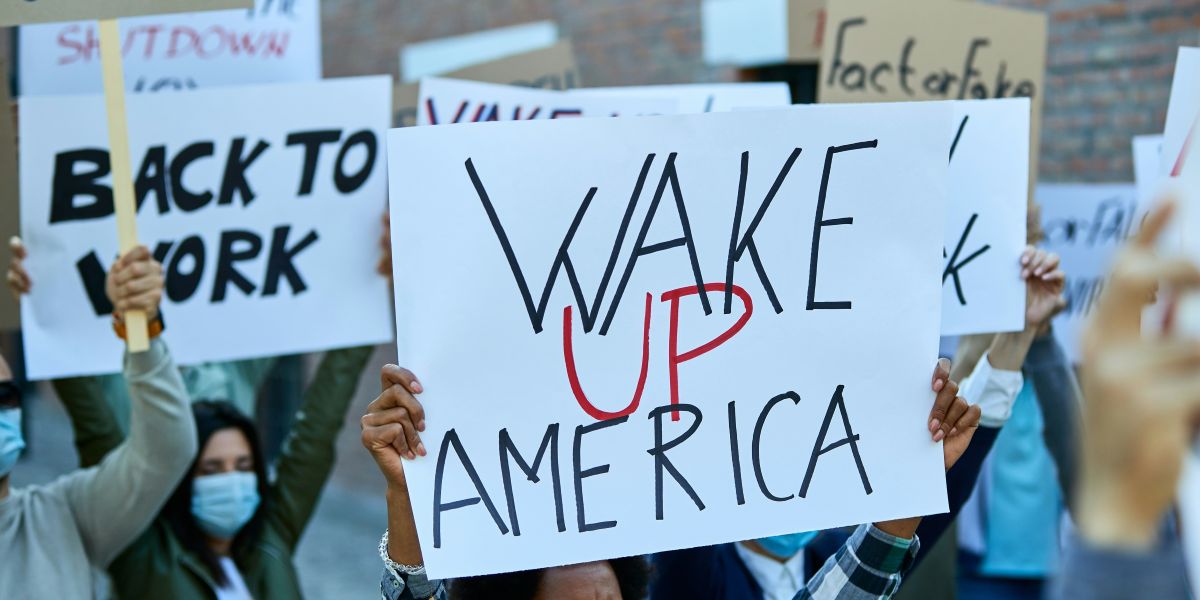
New York — The largest nurses’ strike in New York City history has now entered its second week, with roughly 15,000 registered nurses still on picket lines across the city and no contract deal in sight. Hospitals and union negotiators remain far apart as the walkout stretches into its ninth day, cold weather biting and tensions rising among strikers, hospital leaders and city officials.

What began last Monday as a united protest against staffing levels, wages and healthcare benefits has evolved into a symbolic showdown between frontline caregivers and some of the city’s biggest healthcare systems — including NewYork-Presbyterian, Mount Sinai and Montefiore.

Stalled Negotiations Leave Strike Dragging On

After nearly ten days, contract talks between the New York State Nurses Association (NYSNA) and hospital systems have repeatedly stalled. Although there have been mediated sessions with NewYork-Presbyterian and later with Mount Sinai, none has produced meaningful progress toward a new deal, and no further bargaining dates have been set as of Tuesday.

“This isn’t just about pay — it’s about safe staffing and giving patients the care they deserve,” said Jennifer Fischman, a nurse protesting outside Mount Sinai West. “It’s difficult to be out here, but it’s really important to stand up for what we think is right.”

Union leadership has made clear that key priorities include enforceable safe-staffing standards, protection against workplace violence and preservation of health benefits — all areas they say have been neglected amid rising pressures on healthcare workers.

Despite the walkout, hospital management insists that operations continue, bolstered by thousands of temporary nurses hired to keep emergency rooms and specialty services running.

A Rallying Cry With Political Support

“We Didn’t Come Here to Lose” Inside New York City’s Historic Nurses Strike

Photo Credit: Unsplash.com

This week, striking nurses drew high-profile support on the picket lines. U.S. Senator Bernie Sanders and New York City Mayor Zohran Mamdani joined the protest outside Mount Sinai West on Tuesday, urging renewed negotiations.

“The people of this country are sick and tired of the greed in this health care industry,” Sanders said to the gathered crowd, calling on hospital executives to return to the table. Mamdani, who brought doughnuts for the picketers, echoed the call for a fair contract and emphasized that safe staffing is vital both for nurses and for patients.

Such political attention is rare for a labor dispute centered in private healthcare, illustrating how deeply the issues at stake — from burnout to workplace safety — resonate with broader concerns in the city.

On the Lines: What Nurses Are Saying

Many striking nurses stress that they’d rather be inside treating patients than outside in the bitter cold. But they also express deep frustration with how negotiations have unfolded.

We’re trying to be positive… we don’t want to be out here. I’d rather be inside taking care of my patients,” said protester Roy Permaul, highlighting the emotional cost of the strike. “This is a short-term struggle to get long-term gains.

Another nurse, Mianna Scott, warned against letting outside forces discredit the union’s efforts. “If someone’s goal is to bust the union and put a bad name on the nurses, we are not going to let that happen,” she said, underscoring the solidarity among picketers.

The Broader Stakes: Patient Care and Community Impact

While hospitals maintain that they are functioning normally, the strike occurs amid a broader healthcare environment still strained by seasonal illnesses and chronic understaffing. Public officials like City Council Speaker Julie Menin have joined nurses on the line, stressing the importance of safe staffing not just for workers, but for patients too.

For many nurses, this strike is not just about one contract — it’s a larger statement about how healthcare should be delivered in America’s largest city.

“It’s not just about us,” said Fischman. “It’s about the patients we see every day — and the kind of care they deserve.”

What Comes Next

As the strike enters another week, both sides remain at an impasse. Hospitals are awaiting mediator guidance on future talks, while the union continues to mobilize support from allied unions and political figures. With no new bargaining dates yet confirmed, the standoff appears poised to continue — leaving nurses, administrators, and patients alike watching closely.


How New York Is Bracing For Another Winter Storm: Cold, Snow Forecasts, And What Experts Are Saying

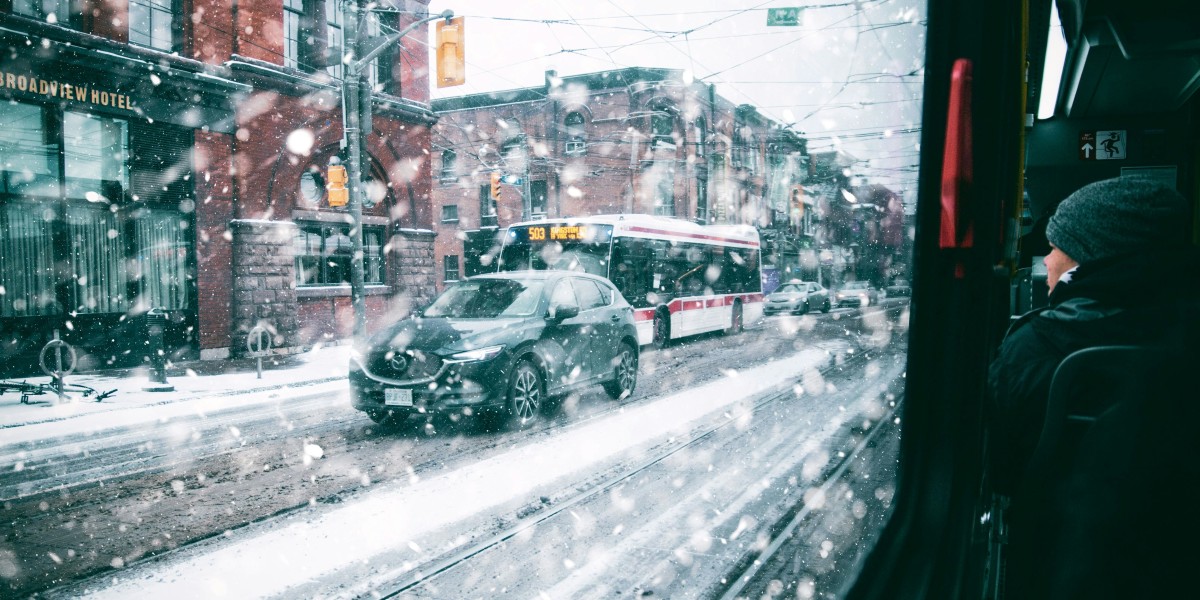
As bone-chilling Arctic air settles over the northeastern United States, New York officials and forecasters are watching the skies closely. A significant winter storm is projected to sweep the Empire State and surrounding regions this weekend, with snow, cold temperatures, and travel impacts expected from Sunday into Monday.

Forecasters with the National Weather Service (NWS) say confidence is growing that a disruptive winter weather event could affect much of New York State, though uncertainty remains about where the heaviest snow will fall. “There is potential for moderate to heavy snowfall, but uncertainty remains on where the heaviest snow will fall,” the NWS office said in a statement, underscoring the challenge of nailing down exact totals this far ahead of the storm.

A Cold Pattern And Snow On The Horizon

The storm is expected to track eastward toward the Northeast after originating over the southern Rockies and central U.S. Temperatures across the region have already plunged into the teens, and forecasters say the cold air mass will be in place as the system approaches. That setup increases the likelihood that precipitation will fall as snow, not rain.

Local reporting across the Connecticut-New York border reflects the growing concern: weather model blends suggest there’s about a 70% chance the NYC metro area could see more than 6 inches of snow this weekend, though details on the storm’s exact track and total accumulations remain uncertain. “The bottom line here is that an impactful winter storm is possible Sunday into Monday. The storm track, timing, and snow amount details will begin coming into focus over the next few days,” the NWS office said.

Impact On Daily Life And Travel

Even before this weekend’s forecasted system, the Northeast has felt winter’s grip. In recent days, snowfall and slick conditions have already disrupted travel across the NYC area — including hundreds of flight delays and cancellations at major airports like John F. Kennedy International and LaGuardia, where snow and freezing conditions hampered operations.

The cold isn’t just a travel inconvenience — it’s a day-to-day challenge for residents and workers. With temperatures in the low 20s and below and wind chills dropping further into the single digits, New Yorkers have continued their routines despite the elements. One street vendor, bundled in layers, told reporters that while the cold is relentless, “at least I’m not in Buffalo,” highlighting the resilience often seen in big city communities facing harsh weather.

Preparing For The Storm

City and state officials traditionally use winter weather advisories and warnings to encourage precautionary measures. While exact timing and totals are still being refined, the NWS message is clear: residents should prepare for snow, icy conditions, and hazardous travel as the storm arrives later in the weekend and into early next week.

Whether New York will see the multi-inch snow totals some models hint at — or something lighter over parts of the state — remains to be seen. But with arctic air already in place and a storm system on track to move up the Eastern Seaboard, the message from meteorologists and officials alike is consistent: winter weather is not finished with New York yet

A New Oscar Record and a Season of Surprises: Inside the 2026 Academy Award Nominations

The 98th Academy Awards nominations, unveiled on January 22, 2026, delivered one of the most talked-about mornings in recent awards history. At the center of the conversation was Ryan Coogler’s Sinners—a genre-blending period drama that refuses to stay in a box. The film swept the field with 16 nominations, the most ever received by a single movie in Oscar history, surpassing Titanic, All About Eve, and La La Land—each of which previously capped out at 14.

“Sinners is the kind of film that reminds us why we fell in love with cinema in the first place,” said one Oscars voter quoted by industry reporters on nomination day, capturing the excitement behind its historic haul.

Dominance, Diversity, and a Genre-Defying Favorite

Sinners broke new ground in major categories, landing nods for Best Picture, Best Director (Coogler), Best Actor (Michael B. Jordan), and a host of technical categories, including Original Score, Costume Design, and Visual Effects. The breadth of its nominations marked it as a force across the Academy’s voting branches.

Michael B. Jordan’s nomination was particularly resonant, marking his first Oscar nomination. A longstanding presence in Hollywood, Jordan’s tribute to craft and versatility drew applause across the industry. “This nomination is validation not just for me, but for every storyteller who wants to broaden what cinema can be,” an insider close to the production shared with reporters.

Trailing closely is Paul Thomas Anderson’s One Battle After Another with 13 nominations, underscoring a year where auteur-driven films and bold storytelling converged at the top of the race.

Stars Shine Bright: Record Breakers and Milestone Moments

Acting categories also featured milestone achievements. Bugonia star Emma Stone, already a multiple Oscar nominee and two-time winner, reached seven career nominations at age 37, breaking one of Meryl Streep’s longstanding records for the youngest actress to hit that mark. “I’m so grateful to the Academy, and to everyone who poured their heart into this film with me,” Stone said in her nomination reaction, a quote widely shared in press coverage.

Timothée Chalamet, with his Best Actor nod for Marty Supreme, became one of the youngest actors to secure three lead actor nominations, adding another moment of buzz to a year already packed with headlines.

Surprises, Snubs, and Industry Talk

Despite the fanfare, the nominations weren’t without controversy. Certain high-profile films and performers were unexpectedly left out of key categories, leading to heated social media and awards-season chatter among critics and fans alike.

Meanwhile, animated and international works found their place among the nominees, with pieces like KPop Demon Hunters receiving recognition for Best Animated Feature and Best Original Song—highlighting the Academy’s widening embrace of global storytelling and diverse genres.

Beyond the Numbers: What This Means for Oscars 2026

Industry insiders tell reporters that this year’s nominations reflect more than artistic excellence—they signal a shift in how the Academy rewards boundary-pushing cinema. “The nominations this year reaffirm that risk-taking and innovative storytelling resonate with voters,” one awards strategist said in commentary following the announcements. Coverage across entertainment outlets echoed that sentiment, noting the strong performance of films that blend genres, perspectives, and styles.

As the nominations settle in, all eyes now turn to March 15, 2026, when the Oscars will be presented live from the Dolby Theatre, with Conan O’Brien returning as host. The buzz isn’t just about who will win—it’s about how this year’s race may reshape expectations for what constitutes Oscar-worthy filmmaking in the years to come.

The Pilot’s Egress: Why A-10 Squadron Commander Dale Stark Traded the Cockpit for a Cattle Ranch

Written By: Dillon Kivo

In the tight, titanium-reinforced cockpit of an A-10 Thunderbolt II, the world collapses into a series of irreversible calculations. At 300 knots over the jagged mountains of northeastern Afghanistan, Lieutenant Colonel Dale Stark was not just flying an aircraft. He was strapped into a 13-ton weapons system built around a seven-barrel Gatling gun. When the cannon fired, the smell of cordite filled his oxygen mask. Pilots call it “the scent of freedom,” a sharp, metallic reminder that decisions made in seconds could mean life or death for men on the ground.

The A-10 is not flown from a distance. It lives close to the fight. Stark spent hours at low altitude, slow enough to read terrain features and human movement, slow enough to feel every vibration through the airframe. The jet was designed for punishment, wrapped in armor and redundancy, built to absorb hits and keep flying. It was a machine that rewarded patience and punished arrogance.

Today, those 3,000 flight hours and four Meritorious Service Medals sit quietly in a farmhouse drawer in rural Oregon. The roar of twin General Electric engines has been replaced by the lowing of Black Angus cattle and the steady thud of fence posts being driven into soil. The man who once commanded an A-10 squadron now works a 58-acre ranch.

Dale Stark, known for two decades by the call sign “Pork Chop,” earned after a near-disastrous maintenance error involving a botched “chop check” on his first day in theater, did not simply retire from the United States Air Force. He executed a deliberate egress. After 22 years of service, he decided the most honorable way to continue serving his country was no longer through precision airstrikes, but through feeding the people who lived on it.


The Nomad’s Education

To understand why a Squadron Commander at the height of his career would walk away, you have to go backward. Stark’s childhood was nomadic, shaped by movement and early self-reliance.

“I think we lived in 18 houses by the time I was 18 years old,” Stark recalls.

His father worked as a horse trainer and logger, following jobs wherever they appeared. One summer was spent living in an Army surplus tent outside a logging camp near Cascade, Idaho. There were no screens, no consistent plumbing, and no supervision beyond the land itself. Stark and his brother built forts, trapped rabbits, and learned how to move through the woods quietly, solving problems without instructions.

That upbringing taught him self-reliance early. If something broke, you fixed it. If you were hungry, you figured it out. Accountability was not discussed. It was assumed.

The nomadic life was abruptly interrupted by Southern California in the early 1990s. Stark became a state-champion skateboarder, sponsored and talented enough to appear in Levi’s commercials. On the surface, it looked like a dream. Behind it, he saw something else entirely.

He watched industry heroes spiral into self-destruction and violence. Behind the surface, the world looked very different from what it seemed. The glamour burned off fast.

“It wises you up to the ways of the world at a young age,” Stark says. “You start to realize that some environments are just dark.”

That early exposure to image over substance, to people rewarded for appearances while hiding rot underneath, left a lasting impression. Years later, it would resurface in places far removed from skate parks and film sets.

The Pilot’s Egress: Why A-10 Squadron Commander Dale Stark Traded the Cockpit for a Cattle Ranch

Image Credit: Dale Stark

The Titanium Bathtub

Stark did not arrive in the cockpit through privilege or shortcuts. He enlisted first, working as a C-17 crew chief. He cleaned aircraft, crawled through maintenance spaces, and learned aviation from the ground up. Flying came later, earned through persistence and a tolerance for discomfort sharpened by years of collegiate wrestling.

That willingness to suffer quietly became a defining trait. He was not the loudest voice in the room. He was the one who stayed late, studied harder, and absorbed pressure without complaint.

Eventually, he was selected for the A-10 Warthog. Among pilots, it is an odd machine. Straight-winged, slow, and brutally functional. It was designed to fly low, absorb damage, and protect troops pinned down in bad situations.

“In the A-10, you feel like you’re sitting on top of the jet,” Stark explains. “You’re looking over your shoulder, watching the muzzle flashes from a tree line, trying to protect the guys on the ground who are pinned down.”

That relationship between pilot and ground troop is personal. A-10 pilots talk directly to soldiers and Marines who are actively taking fire. Voices crack over the radio. Coordinates are shouted. Mistakes are unforgiving.

During one of his deployments to Afghanistan, Stark responded to a situation involving Army Kiowa pilots who had exhausted their onboard weapons. They resorted to firing their personal M4 rifles out of the helicopter doors. Stark moved them out of danger and eliminated the threat with a 500-pound laser-guided bomb.

At moments like that, the mission was clear. Save American lives. Do the job. Go home.

But clarity fades when wars do not end.


The God’s-Eye View

The shift did not happen in the air. It happened in a dark room.

For four years, Stark flew MQ-9 Reaper drones out of Las Vegas. Hour after hour, he watched high-resolution feeds of Afghanistan from above. Over time, he developed an almost unsettling ability to read behavior. He could identify an AK-47 hidden beneath clothing by posture and movement alone.

What he also saw was repetition. Teenagers pulled from Pakistani madrasas, handed a small amount of cash and a suicide vest, then sent across a border to die for a cause they barely understood. Villages cycled through violence and reconstruction with no durable change. Distance stripped away illusion. Patterns emerged. Targets were removed, replaced, and removed again.

Then there was the disconnect back home. Stark watched senior leaders deliver optimistic briefings to Congress about the Afghan National Army. On the ground and in the air, everyone knew those reports were fiction.

“It turned into this giant forever war used to help people get promotions and to make a lot of money,” Stark shared in a raw, career-spanning interview on the Shawn Ryan Show. “They were dressing up like Patton, but they were acting like empty suits. They’d get their combat command tour, get promoted, and then end up on the board of some defense contractor like Raytheon.”

The withdrawal from Bagram Airfield was the breaking point. Stark had flown out of that base for years. Watching it abandoned felt less like a strategy and more like liquidation.

“It makes me sick to think about,” he says.

The institution he had committed his adult life to no longer aligned with the values that brought him there.
The Pilot’s Egress: Why A-10 Squadron Commander Dale Stark Traded the Cockpit for a Cattle Ranch

Image Credit: Dale Stark

A Different Kind of Service

At the 20-year mark, Stark faced a familiar fork in the road. Stay in uniform, pursue a higher rank, and eventually slide into consulting or defense contracting. It was the path many took. Instead, he went home.

He and his wife, Amanda, his classmate since fourth grade, moved back to Oregon with their two daughters. The move was not symbolic. It was corrective. Years of deployments, missed birthdays, and constant readiness had taken a toll. “Being married to a fighter pilot is a 70-hour-a-week grind for the spouse,” Stark says. “My wife was rock solid through every deployment. She deserved the version of me that wasn’t constantly looking at a mission clock.”

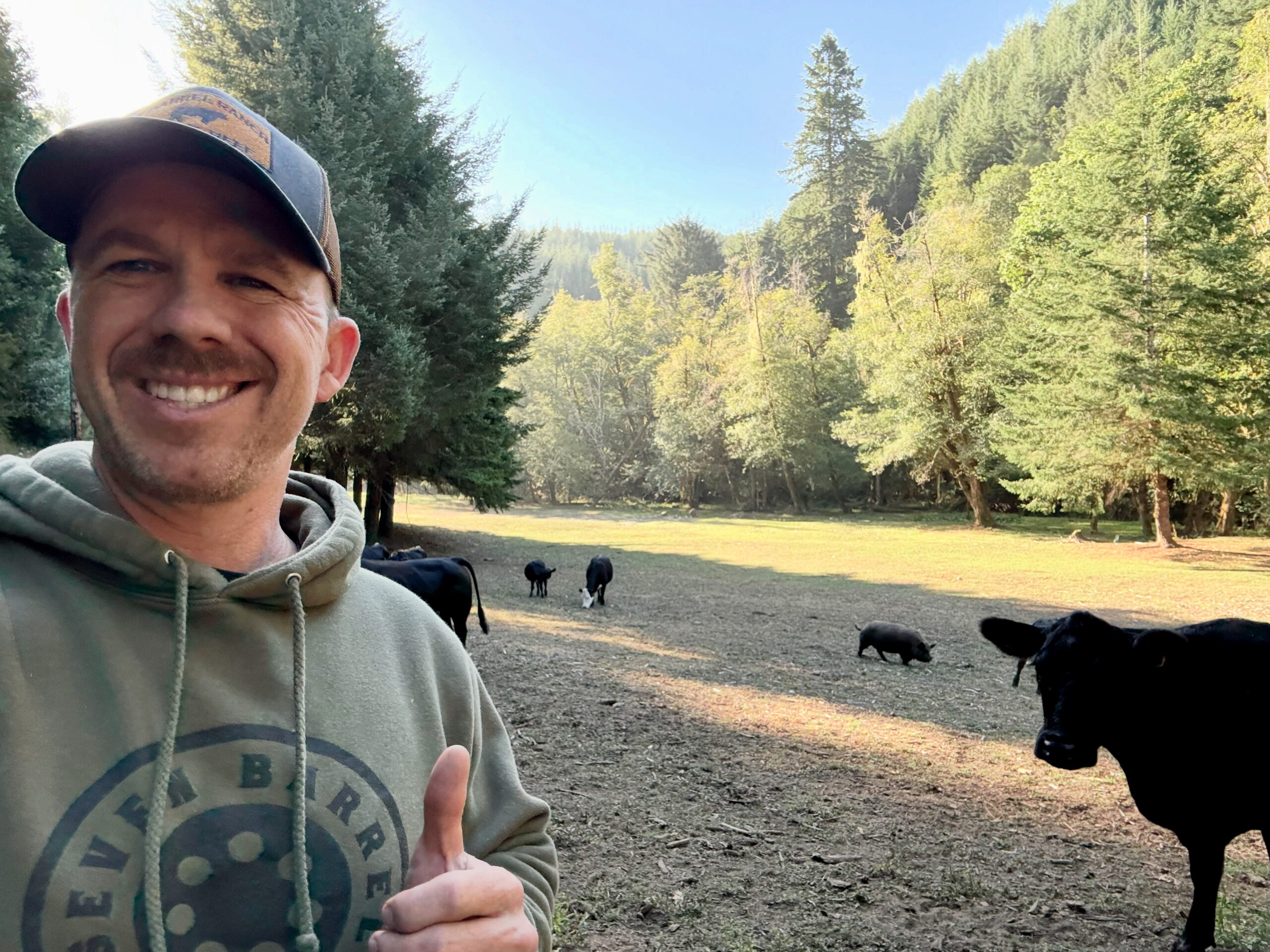
This new chapter found its footing on a 58-acre former dairy farm that had long since fallen out of use. Stark renamed the operation 7 Barrel Ranch, a deliberate tribute to the aircraft that defined his career. The A-10 Warthog is built around the GAU-8 Avenger, a massive seven-barrel Gatling gun.

Trading the 30mm cannon for the soil, the family began a massive tactical overhaul in 2020: clearing overgrown pastures, rebuilding miles of fencing, and renovating a historic barn. By 2023, they introduced their first head of cattle, and by 2024, they celebrated the birth of their first beef calves.

On the ranch, Stark applies the same checklist discipline that kept him alive in combat. Soil health, rotational grazing, herd genetics, and infrastructure are managed with methodical precision. He is skeptical of industrial food systems in much the same way he became skeptical of institutional war. Scale without accountability, efficiency without resilience, profit without stewardship. To ensure his community receives only wholesome, natural beef, his Black Angus cattle are 100% grass-fed and grass-finished, raised without growth hormones, antibiotics, or MRNA vaccines.

To him, producing clean, local food is not a lifestyle brand. It is continuity.


The Quiet Professional

Within the military, “The Quiet Professional” is a term reserved for those who do the work without seeking recognition. Stark has extended that ethos beyond the uniform. He does not miss the adrenaline. He does not romanticize combat. He remembers it clearly and without nostalgia.

In the cockpit, he consumed fuel, ordnance, and time; on the ranch, he produces something tangible. “I don’t trust the government,” Stark says. “I trust my family, and I trust the land. If you prioritize your wife and your kids, and you provide something of value to your community, the rest of the world’s noise just fades away.”

At dusk, he walks the fence line in Oregon mist, checking posts and pasture. He is no longer scanning for muzzle flashes or radio calls. He is watching for clover breaking through the soil. The transition from Squadron Commander to rancher is not a retreat. It is a lateral move into a different theater, one where responsibility is immediate, and outcomes are real.

For the man once known as Pork Chop, the mission is no longer abstract. It is rooted, measurable, and his own. And for the first time in decades, he is exactly where he intended to land.

School Closures in New York City: Likely To Go Remote During Winter Storm Fern

As a potentially historic winter storm barrels toward New York this weekend, families, teachers, and students are preparing—but not necessarily for the kind of “snow day” many remember from childhood. With forecasts calling for significant snowfall and dangerous travel conditions, the question on everyone’s mind is simple: Will schools close? The answer now appears both familiar and very different from the past.

A Storm On The Horizon

Meteorologists are predicting a powerful winter storm to sweep through New York City and the broader tristate area from late Saturday into Monday. Forecast models suggest accumulations could easily reach a foot of snow in some parts of the city and suburbs, accompanied by biting cold and strong winds that may make travel hazardous.

In response, state officials have issued emergency advisories, and local leaders are urging residents to prepare early. New York Gov. Kathy Hochul warned that the region is “heading into a very, very dangerous weather event,” highlighting the risks of hypothermia and frostbite as temperatures plunge.

The End of The Traditional Snow Day

Yet despite the ominous forecasts, traditional school closures on snow days may be a thing of the past for New York City students. Mayor Zohran Mamdani confirmed that for Monday, school won’t be canceled outright. Instead, officials are considering a mix of in-person attendance where safe and a shift to remote learning where conditions make travel too risky.

“I have to apologize to the students that were hoping for a different answer, for a traditional snow day—that will not be the case,” Mamdani said, indicating that even if schools don’t open physically, remote instruction could be on the table.

During a recent interview, Mamdani stressed that city officials will decide by Sunday at noon whether classes on Monday will proceed in person or pivot to virtual learning, depending on how the storm unfolds.

Remote ‘Snow’ Days: Practical Or Painful?

The pivot to remote learning on severe weather days isn’t entirely new. New York City Public Schools eliminated traditional snow days a few years ago, opting instead for online instruction to keep the school year on schedule and fulfill required instructional days.

Schools Chancellor Kamar Samuels has reiterated this approach, assuring families that the system is prepared to go virtual if necessary but acknowledging that the logistics have challenges. “We’re going to make that decision with enough time for families to plan,” Samuels said, underscoring the need for clarity ahead of the weekend.

Supporters argue this approach helps avoid unnecessary day-loss in the academic calendar. Critics, however, recall technical problems from the last full remote snow day, when servers were overwhelmed and many students struggled to log in.

What This Means For Families

For parents and caregivers, the shifting landscape of winter weather planning can be both pragmatic and frustrating. While remote learning keeps students academically engaged, it also disrupts routines—particularly for families juggling work and childcare.

Still, with winter storms growing more volatile and unpredictable, officials say flexibility is key. “We are taking every single precaution that we can,” Mamdani told reporters, signaling that safety remains the priority even as educational operations adapt.

A New Normal For Snow Days

As New Yorkers prepare for significant snowfall and cold temperatures, the storm underscores a broader shift in how schools handle extreme weather. Gone are many classic snow days when students bundled up to sled and build snowmen. In their place may be a more digital approach: learning from a living room instead of the classroom.

For now, families are advised to stay tuned to official school communications late Sunday for final updates on Monday’s schedule. And whether students log in online or step out into the snow, one thing is clear: winter weather in the city now comes with a decidedly 21st-century twist.

Refund Amounts May Be Larger in 2026: What Taxpayers Should Know

As Americans begin filing their federal tax returns for the 2025 tax year — with the IRS opening the 2026 filing season on January 26 — a major twist this year is the likelihood of larger than usual tax refunds for many filers. A combination of new tax law provisions, unchanged wage withholding, and expanded deductions could position 2026 as one of the most generous refund seasons in recent memory.

Why Refunds Could Be Bigger

The biggest driver of rising refunds is the “One Big Beautiful Bill Act” (OBBBA), signed into law in July 2025. This sweeping legislation — sometimes simply called the tax overhaul — expanded deductions and tax credits that directly reduce taxable income and, for many taxpayers, increase refund amounts. Among the changes:

  • Increased standard and itemized deductions.
  • Expanded deduction possibilities (e.g., tips, overtime pay).
  • Larger child tax credits and other benefits that can increase refund potential.

According to recent reporting, average refund amounts are projected to climb significantly this year. Early estimates suggest average refunds could reach about $3,800 — up substantially from around $3,052 the previous season — due to both higher deductions and overwithholding on paychecks.

A Leader’s Prediction

Treasury Secretary Scott Bessent forecasted a strong refund season, signaling what taxpayers could expect in broad strokes. As reported:

“I think 2026 can be a very good year,” Bessent said, referring to the combination of tax law changes and refund outcomes.

His comment highlights the Treasury’s optimism that the tax code updates — alongside payroll withholding that didn’t fully adjust to new brackets in 2025 — will translate into larger refund checks.

The Withholding Factor

For many workers, tax withholding is at the heart of expected larger refunds. Because tax law changes took effect for the 2025 tax year without a full adjustment of IRS withholding tables, taxpayers may have had more tax taken out of paychecks than necessary, creating the potential for higher refunds once returns are filed and withholding is reconciled.

Should You Adjust Your Withholding?

Tax experts encourage filers to review their W-4 withholding for 2026 to avoid overwithholding in future years. The IRS expects withholding tables to better reflect the new tax landscape in the coming months, but mismatches between paycheck withholding and tax liability in 2025 mean larger refunds are likely — especially for middle-income earners.

Faster Refunds If You File Right

While larger refunds are expected, timing depends on how you file. The IRS continues to push direct deposit with e-filing as the fastest way to receive a refund — often within about three weeks of IRS acceptance. Paper checks are being phased out, and taxpayers without direct deposit details may face processing delays.

Bottom Line: What Taxpayers Should Do Now

  • File early: Filing as soon as you’re ready can speed up refund timing and help guard against fraud.
  • Choose direct deposit: This is now the preferred method for refunds.
  • Review deductions and credits: New law changes mean more opportunities — and more complexity.

Tax season 2026 is shaping up not just to be busy, but potentially lucrative for many taxpayers. Whether you’re expecting a refund or planning your financial year ahead, understanding how these changes work for you can make all the difference this filing season.


Disclaimer: This article is for informational and educational purposes only and does not constitute tax, legal, or financial advice. Tax laws, regulations, and interpretations can change, and individual circumstances vary. Readers should consult a qualified tax professional or official IRS guidance before making tax-related decisions or filing returns.

Super Bowl LX Set To Deliver History, Star Power, And A High-Stakes Rematch

The stage is officially set for Super Bowl LX, the NFL’s landmark 60th championship game, as the Seattle Seahawks and New England Patriots prepare to collide in one of the most storyline-rich matchups in recent Super Bowl history. From redemption arcs on the field to cultural spectacle off it, Super Bowl LX is shaping up to be a defining moment for the league and its fans.

A Rematch Years In The Making

This year’s Super Bowl revisits a rivalry that still echoes across NFL history. The Seahawks and Patriots last met on this stage in Super Bowl XLIX, a game remembered for its dramatic ending and lasting legacy. Now, both franchises return with new rosters, new leadership, and something to prove.

Seattle earned its NFC title with a dramatic playoff run that showcased resilience and belief. Quarterback Sam Darnold, whose career revival has become one of the season’s most talked-about storylines, reflected on the journey after the championship win.

“There’s always more work to be done. And as long as I believe in myself, and I believe in my teammates, there’s nothing you can’t do,” Darnold said following Seattle’s NFC Championship victory.

New England’s return to the Super Bowl marks a resurgence built on defense, discipline, and timely execution. After clinching the AFC title in a low-scoring, weather-tested battle, Patriots wide receiver Stefon Diggs addressed doubts that followed him earlier in the season.

“They were calling me washed,” Diggs said after the win, an emotional moment that underscored the team’s determination to silence critics.

When, Where & How To Watch

Super Bowl LX will take place on Sunday, February 8, 2026, at Levi’s Stadium in Santa Clara, California, marking the venue’s return to hosting the NFL’s biggest night.

  • Kickoff Time: 6:30 p.m. ET
  • Broadcast Network: NBC
  • Streaming Options: Peacock and NFL+

The broadcast is expected to reach a global audience, with extensive pregame coverage and postgame analysis across NBC’s digital and broadcast platforms.

Halftime Show & Music

Super Bowl LX Set To Deliver History, Star Power, And A High-Stakes Rematch (2)

Photo Credit: Unsplash.com

Adding to the spectacle, Bad Bunny is confirmed as the Super Bowl LX halftime show headliner, making him one of the few global Latin artists to lead the iconic performance.

The NFL has emphasized the cultural reach of this year’s show, blending international music influence with one of the most watched live events in the world. Additional performances include:

  • National Anthem: Charlie Puth
  • America The Beautiful: Brandi Carlile
  • Lift Every Voice and Sing: Coco Jones

The halftime lineup reflects the league’s continued push to showcase diverse musical voices on its biggest stage.

On-Field Stakes And Storylines

For New England, a Super Bowl victory would further cement the franchise’s legacy and validate its latest rebuilding era under new leadership. For Seattle, the game represents redemption — a chance to rewrite history and capture another championship for a new generation of players and fans.

NFL officials have also confirmed that veteran referee Shawn Smith will lead the officiating crew, marking his first Super Bowl assignment as referee — a role reserved for the league’s most experienced officials.

Quick Snapshot: Super Bowl LX

  • Date: February 8, 2026
  • Location: Levi’s Stadium, Santa Clara, California
  • Teams: Seattle Seahawks vs. New England Patriots
  • Kickoff: 6:30 p.m. ET
  • TV Network: NBC
  • Streaming: Peacock, NFL+
  • Halftime Headliner: Bad Bunny

Super Bowl LX arrives as more than just a championship game — it’s a convergence of history, culture, and competitive rebirth. With a rematch decades in the making, emotionally charged player narratives, and a halftime show poised to dominate pop-culture conversation, the NFL’s 60th Super Bowl promises a night that will resonate well beyond the final whistle.

If you want, I can also prepare a standalone sidebar, SEO meta package, or social preview version of this article for publication.

Amazon Plans New Wave of Layoffs as Company Pushes to Cut Layers and Reshape Corporate Structure

Amazon is preparing another significant round of corporate layoffs, extending a workforce reduction strategy that began in late 2025 and is now accelerating into early 2026. The cuts, expected to affect thousands of employees across multiple divisions, underscore a broader effort by the company to simplify internal operations, reduce management layers, and reset its corporate structure after years of rapid expansion.

The move comes even as Amazon remains one of the world’s most valuable companies, highlighting a trend increasingly common across large tech firms: job cuts driven by organizational restructuring rather than immediate financial distress.

A Second Major Wave of Job Cuts

According to reporting published in January, Amazon is planning a new wave of corporate layoffs that could begin as early as the final week of the month. These reductions follow an earlier round in October 2025 that eliminated roughly 14,000 corporate roles.

If fully implemented, the combined layoffs could bring Amazon’s total corporate job cuts to nearly 30,000 positions — the largest workforce reduction in the company’s history.

Despite the scale of the cuts, the reductions represent only a small portion of Amazon’s global workforce, which exceeds 1.5 million employees worldwide. The vast majority of affected roles are concentrated in white-collar and technical positions rather than frontline fulfillment or logistics jobs.

Departments Most Affected

Reports indicate that the layoffs will span several of Amazon’s most visible business units, including:

  • Amazon Web Services (AWS)
  • Retail and e-commerce corporate operations
  • Prime Video and entertainment teams
  • Human Resources and internal technology groups

The inclusion of AWS — one of Amazon’s most profitable divisions — has drawn particular attention, reinforcing the idea that the cuts are driven by internal structure rather than performance shortfalls.

Leadership Frames Layoffs as Structural, Not Financial

Amazon CEO Andy Jassy has publicly characterized the layoffs as part of a long-term effort to streamline the company after years of aggressive hiring. In explaining the rationale behind the reductions, Jassy pointed to internal complexity rather than declining demand.

“You end up with a lot more people than what you had before, and you end up with a lot more layers,” Jassy said, describing how rapid growth created organizational inefficiencies.

The focus on layers and internal culture marks a notable shift from earlier tech-sector layoffs that were framed around cost pressures or weakening revenues. At Amazon, leadership has emphasized speed, accountability, and decision-making efficiency as guiding principles behind the cuts.

Employee Response and Workplace Atmosphere

As uncertainty spreads across Amazon’s corporate workforce, some employee reactions have surfaced publicly, offering a glimpse into internal morale during the restructuring.

In internal forums and online spaces, employees have shared humor as a coping mechanism, including jokes referencing Amazon founder Jeff Bezos’ long-standing “two-pizza team” philosophy — the idea that teams should be small enough to be fed with two pizzas.

While the company has not commented on internal sentiment directly, the mix of anxiety and gallows humor reflects the strain large-scale workforce reductions can place on corporate culture, even at highly profitable firms.

How These Layoffs Compare Historically

If the current round proceeds as expected, Amazon’s total corporate job cuts would exceed the approximately 27,000 positions eliminated during its 2022 restructuring, setting a new internal record.

Even so, analysts note that the cuts remain limited to corporate roles and do not signal a pullback from Amazon’s core fulfillment, logistics, or consumer operations. Instead, the layoffs appear designed to recalibrate headcount after pandemic-era expansion and align staffing with a more mature growth phase.

What Comes Next

The timing of the layoffs — just ahead of Amazon’s upcoming earnings report — suggests the company may be seeking to reset expectations and demonstrate operational discipline to investors. Observers will be watching closely for signals about whether additional restructuring phases are planned later in 2026.

For now, Amazon’s message remains consistent: the layoffs are intended to make the company leaner, faster, and less complex — even if that transformation comes at a human cost for thousands of employees.

As workforce reductions continue to ripple across the tech sector, Amazon’s approach offers a clear example of how even industry leaders are rethinking scale, structure, and sustainability in the post-expansion era.

Amazon Fresh Stores Are Closing — Here’s What Replaces Them

In one of the most significant shifts in its grocery strategy, Amazon has announced the closure of all its Amazon Fresh and Amazon Go physical stores, choosing instead to double down on online grocery delivery and expansion of Whole Foods Market — a move that reshapes how the retail and grocery giant connects with customers in 2026.

A Strategic Shift In Grocery Retail

On January 27, 2026, Amazon revealed a major redirection of its grocery business: it will shutter all of its Amazon Fresh supermarkets and Amazon Go convenience stores in the U.S. in the coming weeks. Most of these locations are set to close by February 1, with some California stores remaining open slightly longer due to state labor notification rules. Several of these sites will be converted into Whole Foods Market stores as part of the company’s refreshed retail vision.

The closures affect 57 Amazon Fresh stores and 15 Amazon Go locations nationwide — both of which were part of Amazon’s long-running experiment with physical grocery retail.

In a blog post shared with the announcement, Amazon acknowledged that although it had seen “encouraging signals” from its Amazon-branded grocery stores, it had not yet created “a truly distinctive customer experience with the right economic model needed for large-scale expansion.” Converting select Fresh and Go stores to Whole Foods locations is intended to build on the strength of the well-known premium grocery brand.

What’s Staying — And What’s Growing

Despite closing the physical Fresh and Go stores, Amazon will continue to operate the Amazon Fresh brand online, offering grocery delivery where available. The company also plans to expand its same-day delivery service to more U.S. cities in 2026, responding to growing customer demand for fast, convenient fresh grocery delivery. This service allows shoppers to receive perishable foods — including produce, meat, dairy and more — often within hours of ordering.

In addition to reinforcing delivery, Amazon announced plans to open more than 100 new Whole Foods Market stores over the next few years, further establishing Whole Foods as the core of its physical grocery presence.

A variety of grocery formats will play a role in this expansion, including the Whole Foods Market Daily Shop, a smaller convenience-oriented store offering grab-and-go meals, coffee, and everyday essentials — with at least five new locations expected in 2026.

Why This Matters

Amazon’s move signals a clear pivot away from owning its own Fresh branded physical grocery stores — an experiment that launched with ambition in the early 2020s but never achieved the wide differentiation from competitors the company hoped for. By contrast, Whole Foods, acquired in 2017, has seen steady growth in sales and store count, positioning it as a stronger retail engine for Amazon’s grocery strategy.

Industry analysts see this as a recognition of where Amazon’s strengths lie: fast delivery, extensive online reach, and a premium physical grocery brand that resonates with shoppers. The expansion of same-day deliveries — now reaching more than 5,000 U.S. cities and towns — and the integration of fresh groceries into that network reflect how consumer demand has shifted toward convenience and speed.

The closures also reflect broader trends in retail, where balancing digital convenience with in-store experience has proven challenging even for companies as large as Amazon.

Supporting Employees And Innovation

As part of the transition, Amazon has said it is working to help affected employees find new roles within the company, including in its fulfillment and operations networks. Some outlets also report packages of pay and benefits for workers during the transition, highlighting efforts to reduce disruption for staff.

Meanwhile, technologies developed for the Amazon Go and Fresh formats — such as cashier-less checkout and inventory systems — are expected to live on in other parts of Amazon’s retail ecosystem and through licensing to third parties, even as the company shifts focus.

What’s Next

Amazon’s grocery evolution now rests on three pillars:

  • An expanded online delivery footprint, with faster same-day and near-instant deliveries of fresh groceries.
  • A significantly larger Whole Foods Market presence, including more than 100 future locations and new store formats.
  • Continued innovation in retail technology and hybrid shopping experiences to keep pace with competitors such as Walmart, Kroger, Instacart, and traditional food retailers.

For customers who grew accustomed to Amazon Fresh and Amazon Go stores, the experience will now shift toward digital convenience and an enhanced Whole Foods retail experience — a strategy that emphasizes where Amazon believes the future of grocery shopping is headed.

The Discipline of Vigilance: Ryan Montgomery and the New Architecture of Online Safety

Ryan Montgomery has spent much of his adult life confronting material most people never encounter and would prefer not to imagine. He does not describe this work with drama or self‑importance. He describes it as responsibility. Montgomery’s approach is measured, deliberate, and grounded in a principle he repeats often: fewer victims matter more than public recognition.

Montgomery is not a law enforcement officer. He is not a public official. His background is shaped instead by recovery, self‑correction, and a long process of learning how systems fail the people they are meant to protect. “I don’t want attention,” he has said. “I want fewer victims.” That distinction sits at the center of his public life, guiding the choices he makes in exposing online threats and advising caregivers, educators, and institutions.


A Life Built Without Shortcuts

Montgomery’s early years were marked by instability, including addiction and juvenile detention. Recovery, in his telling, was not inspirational or cinematic. It was procedural: time away from substances, removal from destructive environments, and structure imposed before discipline could be internalized. That structure became the foundation for later work that would require extraordinary focus, patience, and restraint.

Eventually, Montgomery turned to cybersecurity and online safety work, where accountability is immediate and performance measurable. He collaborated with other professionals who depended on his expertise and experienced the stabilizing effect of responsibility taken seriously. The experience mattered less for the title than for the recalibration it produced. In that environment, Montgomery learned to differentiate chaos from order, reaction from restraint lessons that would inform how he approached the far more disturbing material he would encounter online.


The Internet Without Assumptions

Montgomery’s work eventually intersected with online communities operating inside mainstream digital platforms. He does not publicly discuss specific tactics, nor does he release raw evidence. Instead, he emphasizes patterns, trends, and the scale of potential harm.

“What concerns me most is not the novelty of online crime,” he said, “but the scale at which it can occur unnoticed.” Montgomery is careful to avoid caricatures or stereotypes. Predators do not fit a single profile, and harm can originate from any community or demographic. The most persistent failure, in his view, is not technological. It is cultural. Adults often misunderstand the digital spaces children occupy daily, and oversight has not kept pace with the scale of activity.

“These are environments parents assume are safe,” he said. “They look harmless. That assumption is outdated.”


Online Predators Exploit Gaming Platforms

According to Montgomery, he has spent years tracking networks that manipulate minors. He explains that predators often establish trust through seemingly benign interactions, gradually coercing children into sharing personal information or compromising images. Once control is established, extortion or manipulation can escalate to coerced self-harm or participation in troubling behaviors.

“It’s not just online chatter,” he said. “These groups maintain control by convincing children their actions are necessary for acceptance.” Platforms such as Roblox, Minecraft, and social media apps are frequently exploited because of their massive user bases and minimal oversight. “Roblox reaches tens of millions of daily users worldwide, with reported figures in recent years exceeding 70 million per day, and these groups are actively recruiting there. Parents need to be aware of what’s happening,” Montgomery added.


Complex Networks and Criminal Methods

Predator networks often leverage encrypted chat rooms, public games, and social media communities to maintain secrecy. According to Montgomery, some employ disturbing acts, including animal cruelty or threats of violence, as part of initiation or loyalty tests. Montgomery noted that arrests have occurred, yet these networks remain active on a global scale.

His analysis emphasizes that understanding patterns and entry points is more effective than sensationalizing specific incidents. By identifying the behaviors, environments, and strategies predators use, caregivers and platforms can intervene earlier and more strategically.


Why Platforms Matter

Montgomery’s name became more widely known after he spoke publicly about broader child safety concerns, including issues raised in connection with Roblox, one of the largest online gaming platforms in the world. His criticism was measured and focused on the industry at large: “When you’re operating at that size, you carry an obligation to anticipate misuse, not just respond to it.” He consistently emphasizes that the challenge is not unique to one platform. Roblox became part of the conversation because of its reach and cultural footprint among children, not because it exists outside broader industry challenges.

Montgomery frames the responsibility in practical terms: parental awareness matters, platform accountability matters, and silence helps no one. By understanding where vulnerabilities exist and how they are exploited, adults can mitigate risk and engage proactively.


A Call for Parental Vigilance

Montgomery urges parents to closely monitor online activity and engage children in conversations about their digital interactions. “Predators seek out spots where they have access to children,” Montgomery said. “The responsibility lies with parents, educators, and platforms to protect minors before exploitation occurs.”

Montgomery emphasizes that awareness does not require fear or paranoia. Instead, he encourages informed engagement: understanding which platforms are being used, recognizing suspicious behavior, and maintaining an ongoing dialogue with children.


On The Shawn Ryan Show

Montgomery appeared on The Shawn Ryan Show, where he discussed online safety, institutional inertia, and the emotional toll of long-term exposure to disturbing material. The conversation was sober, measured, and focused on systemic patterns rather than individual crimes. It was a rare moment of visibility for Montgomery, who generally avoids repeated media appearances, preferring discretion over amplification.

The interview also explored strategies for parents and guardians, practical guidance on monitoring digital spaces, and early warning signs to watch for, all framed through the lens of experience rather than fear. “These discussions are not meant to shock,” Montgomery said. “They are meant to inform responsibility.”


Choosing Restraint Over Notoriety

What separates Montgomery from many figures in the online safety space is not access to information, but refusal to exploit it. He does not conduct public stings, publish graphic material, or brand himself as a crusader. “There’s a line,” he said. “Once you cross it, you stop helping.”

Montgomery works quietly with journalists, investigators, and organizations capable of acting responsibly. His credibility rests not on what he shows, but on what he withholds. By prioritizing restraint and strategic exposure, he ensures that the focus remains on prevention and protection rather than sensationalism.


A Personal Code

Montgomery credits family, particularly his mother, for grounding him. Daily routines, consistent check-ins, and structured habits form the architecture of his life. These practices are safeguards rather than narrative flourishes, helping him maintain perspective in the face of material most people never see.

His story does not resolve with triumph or closure. There is no claim that online predation has been solved. If anything, his public commentary carries a tone of warning rather than victory. “This is happening now,” he said. “Whether people want to hear it or not.”

In a digital age often defined by clamorous self-promotion, Montgomery’s authority is derived not from a title on a masthead, but from the quiet weight of proximity the somber reality of having seen what most choose to ignore. His career serves as a masterclass in the discipline of restraint, proving that peering into the internet’s darkest corners need not be an exercise in spectacle. Instead, he offers a blueprint for a new kind of digital citizenship: one where accountability is the baseline, and intervention is measured not by the volume of the outcry, but by the safety of the silent.