Mars’s Dark Streaks Have A New Explanation

For decades, scientists puzzled over dark streaks running down steep Martian slopes. First spotted in images from the 1970s, these “slope streaks” looked suspiciously like they could have been created by flowing water. But a new large-scale analysis suggests something very different: in most cases, no liquid water was involved at all. Instead, the marks likely formed through entirely dry processes driven by dust, wind, and gravity.


What These Streaks Are — And Why They Captured Attention

Slope streaks appear as long, narrow, dark features on crater rims, canyon walls, and the flanks of Martian volcanoes. They tend to begin at a point high on the slope and stretch downward for hundreds of meters, standing out against the pale layer of dust that blankets much of Mars.

Early interpretations leaned toward water because the streaks resembled miniature channels and often appeared seasonally in dusty regions. But the evidence was limited — earlier missions didn’t have the imaging resolution or coverage needed to trace how these features formed.

A recent analysis changed that. By using machine-learning tools to examine tens of thousands of high-resolution images taken between 2006 and 2024, researchers identified an astonishing volume of these features — roughly 1.6 to 2 million streaks globally. With a dataset that large, the story became clearer.


Dry Dust Flows Now Look Like the Best Explanation

The new research points strongly toward dry, dust-driven formation rather than water. Streaks appear overwhelmingly in areas with:

  • Low thermal inertia (surfaces that heat and cool quickly)
  • High dust accumulation
  • Strong or variable wind stress
  • Steep slopes prone to small disturbances

These conditions suggest a simple mechanism: fine dust settles on a slope, creating a fragile surface layer. A trigger — a gust of wind, micro-seismic vibration, or even the shockwave of a distant meteor airburst — disturbs the dust. Gravity does the rest, sending material cascading downward and revealing a darker layer beneath it.

In this view, slope streaks are “dust avalanches,” not signs of contemporary water flow.

A researcher involved in the work explained the shift succinctly: once scientists could compare hundreds of thousands of streaks at once, environmental correlations became unmistakable.


Why This Matters for Understanding Mars

For years, slope streaks were among the most visually compelling hints that liquid water might still flow on Mars today. These new findings don’t rule out the possibility of brines or ice-driven processes elsewhere, but they do clarify that most streaks aren’t tied to modern water activity.

This has several implications:

  • Mars may be drier today than many early interpretations suggested.
  • Fewer sites need to be treated as potential water-contamination hazards.
  • Rovers and landers can better avoid misinterpreting dust features as signs of habitability.

It also sharpens the focus for mission planners. Instead of spreading attention across millions of ambiguous streaks, researchers can concentrate on regions where multiple lines of evidence point toward past or present water.


Answering Common Reader Questions

Does this mean Mars has no water today?
No. The findings speak only to slope streaks — not to subsurface ice, polar deposits, or ancient riverbeds. Mars still holds geological clues of a far wetter past.

Does this make Mars less interesting?
Not at all. The update narrows the search for water, making exploration more precise. Understanding what isn’t water helps reveal where water might still be.

What about dramatic headlines claiming water was flowing downhill?
This research helps temper those assumptions. Science evolves, and larger datasets often overturn earlier interpretations.


How Scientists Finally Solved the Puzzle

The breakthrough came from scale. Using AI tools, researchers processed more than 86,000 high-resolution orbital images and cataloged over half a million individual streaks. That allowed them to compare streak locations with environmental variables such as wind intensity, surface dust thickness, slope angle, and temperature patterns.

With so many examples to study, dry dust flows emerged as the overwhelmingly consistent explanation. Very few streaks matched the conditions where liquid brines could be stable on the surface. In contrast, the correlation with dust mobility and wind was unmistakable.

In short: once the dataset became big enough, the pattern snapped into focus.


What Comes Next for Mars Science

Now that slope streaks are better understood, scientists can refine models that predict where they will form and how they evolve. This matters for:

  • Landing site selection, ensuring future spacecraft avoid loose, active slopes
  • Rover navigation, since streaks may signal unstable terrain
  • Water-search missions, which can now filter out dry dust features more effectively

For enthusiasts, the mystery of Mars simply shifts shape. The streaks remain intriguing geological signatures — dynamic, widespread, and unique to the planet. But now we know: most are created by the movement of dust, not flowing water.

The story of Mars continues, just with clearer data and sharper focus.

Los Angeles Dodgers Secure Repeat Title With 2025 World Series Win

The Los Angeles Dodgers are champions once again. With a dramatic 5–4 win in the eleventh inning of Game 7, the team clinched the 2025 World Series and secured back-to-back titles — a rare accomplishment in modern baseball.

This victory wasn’t just another trophy. It marked a defining moment in a season shaped by pressure, resilience, and the weight of expectations that follow a reigning champion.


A Historic Win That Framed the Entire Season

From the first pitch of the postseason, the Dodgers made their intentions obvious: the goal was to defend their status. The phrase Dodgers champions now carries even more weight, signaling a franchise firmly entrenched in a cycle of dominance.

Their path was anything but smooth. Facing an elite Toronto Blue Jays squad, the Dodgers were pushed to the edge in nearly every matchup. Game 7 — decided in extra innings — captured everything about this postseason: tight margins, strategic brilliance, and moments where a single swing changed the course of history.


What Made This Championship Stand Out

Certain performances will stay etched in baseball memory. World Series MVP Yoshinobu Yamamoto delivered one of the most impressive pitching runs in recent championship history — three wins, a sub-1.10 ERA, and complete command under intense postseason pressure. His dominance brought global attention to the Dodgers’ title run and reflected how international talent continues shaping the sport.

The eleventh-inning home run that sealed the championship instantly became one of the defining images of the 2025 season. These kinds of high-leverage breakthrough moments are the backbone of dynasty-level teams.


Strategic Moves That Carried the Dodgers to the Top

Behind the scenes, depth and planning played as large a role as talent. The Dodgers’ roster construction — balancing star power with role players capable of absorbing slumps — proved essential. In today’s MLB, being a repeat champion requires adaptability, roster flexibility, and a culture strong enough to sustain long seasons.

Manager Dave Roberts and his staff navigated the postseason with precision. Bullpen choices, matchup-specific lineups, and late-game strategy all mattered. In a Game 7 environment, every decision becomes magnified, and the Dodgers’ coaching group consistently made the right adjustments.


The Broader Impact on MLB and the Business Landscape

A repeat championship isn’t just a sports milestone — it’s an economic engine. With the Dodgers champions once again, merchandise demand spikes, broadcast value climbs, and corporate partnerships deepen. In Los Angeles, the economic ripple extends to hotels, restaurants, and local tourism campaigns built around the city’s powerhouse sports identity.

Around the league, the Dodgers’ model becomes a case study. Competing for titles year after year requires strong player development pipelines, smart analytics, and an organizational culture capable of handling star expectations. The Dodgers have shown how to synchronize all three.


What the Win Means for Fans and for Los Angeles

For the fan base, this championship validates years of loyalty and emotional investment. It also underscores the city’s status as the home of a sports dynasty. Beyond the wins, there’s civic pride — a sense that Los Angeles is again in the spotlight, setting the standard for major-market success.

For the team, the celebration marks the start of a new set of challenges. With the offseason looming, the Dodgers now become the target everyone aims to take down. Repeat champions carry a weight that never really goes away.


Looking Ahead: What Comes Next

Winning back-to-back titles raises expectations across the organization. The front office now faces decisions that determine whether this era becomes a dynasty or a two-year peak. Key areas to watch include:

  • Bullpen depth: October exposes weaknesses faster than the regular season.
  • Offensive consistency: Sustaining production across 162 games remains a challenge.
  • Clubhouse chemistry: Success brings pressure — and pressure tests unity.

Injuries, roster turnover, and the natural aging curve all play a role. Planning for longevity becomes as important as celebrating what’s already been achieved.


A Championship That Sets the Standard

The label Dodgers champions feels more accurate than ever. With this win, the franchise reaffirmed its position at baseball’s summit. Elite skill, disciplined management, and clutch execution converged at the exact right moment.

They defended the crown. They survived the pressure. They earned their place among the sport’s greatest modern runs.

And if their postseason performance is any indication, this may not be the end — it may be the beginning of a sustained era. The team isn’t finished. They’re signaling something bigger: the next chapter could be even more compelling.

NYC Legalizes Basement Apartments: What Developers Should Know

New York City’s move to legalize basement apartments is reshaping how developers, landlords, and homeowners think about underutilized space. After years of stalled proposals, the city finally introduced a rule-making package that gives thousands of property owners a pathway to convert informal basement units into legal, regulated homes. The policy gained urgency after recent storms revealed both the dangers of unsafe underground living and the untapped potential of these units to help meet housing demand.


A Rule Born From Crisis and Opportunity

For decades, tens of thousands of basement and cellar apartments operated in a legal gray zone — providing relatively affordable shelter but often without proper ventilation, emergency exits, or flood protection. When flash floods in 2021 led to several tragic deaths in illegal basement units, the city was pushed to overhaul the system.

The new framework introduces clear safety and building standards for homeowners who want to convert these informal spaces into legal units. Requirements include proper egress, sufficient ceiling height, electrical upgrades, and flood-mitigation measures.

The goal is twofold:

  • Improve resident safety
  • Expand the housing supply without relying solely on new construction

The reforms also align with broader initiatives to modernize zoning and encourage smaller-scale housing growth in existing neighborhoods.


How Legalization Works

The new rules mainly apply to one- and two-family homes, where basements can be converted into accessory dwelling units (ADUs). Homeowners must secure permits for structural reinforcement, waterproofing, ventilation improvements, and updated electrical systems.

Flood-prone neighborhoods face stricter rules, including:

  • Raised outlets
  • Sump pumps
  • Elevated entrances
  • Additional drainage safeguards

Once a basement meets code, owners can apply for legalization through the Department of Buildings. Upon approval, the unit becomes a lawful rental protected under housing regulations. For landlords, that shifts a previously risky asset into legitimate cash-flow territory.


A New Chapter for Landlords and Small Developers

For small-scale investors, this policy opens up fresh revenue potential. A finished basement that formerly risked fines can now become a stable rental unit. If even a fraction of the city’s estimated illegal basements become legal, the impact could add tens of thousands of affordable homes over time.

Neighborhoods with large numbers of one- and two-family homes — especially parts of Queens, Brooklyn, and the Bronx — are expected to see the strongest wave of conversions. As these units enter the legitimate market, they could influence local rent patterns and contribute to steadier housing inventory.

However, landlords will need to plan carefully. Conversion costs can be substantial, especially in areas requiring floodproofing or significant structural upgrades. Some units may also fall under affordability programs with rent caps, which affects return on investment. Still, in many outer-borough markets with strong rental demand, the long-term upside outweighs the upfront renovation work.


What This Means for the NYC Housing Market

New York’s legalization push reflects a growing trend toward maximizing existing space rather than relying solely on large-scale development. By encouraging ADUs and basement conversions, the city is betting on distributed, incremental housing growth across residential neighborhoods.

For renters, the result could be safer, more regulated, and more affordable units at a time when vacancy rates remain extremely tight. For developers and investors, the message is clear: underused basements are now legitimate entry points into the rental market, provided owners follow the compliance roadmap.


Steps for Property Owners and Investors

Evaluate Properties: Identify basements with the height, layout, and potential to meet egress and flood standards.
Budget for Compliance: Expect costs for waterproofing, ventilation, emergency exits, and electrical upgrades.
Secure Permits Early: Work with licensed professionals who understand the city’s ADU legalization track.
Model ROI: Compare projected rental income with renovation costs, ongoing inspections, and possible affordability requirements.
Anticipate Demand: Early adopters may benefit the most before the market adjusts to an influx of new units.


The Bigger Picture

The legalization of basement apartments is more than a rule change — it’s a rethinking of how New York approaches housing. It connects safety, affordability, and opportunity in one policy, unlocking square footage that has long existed outside the regulatory framework.

For homeowners, developers, and small landlords, this shift signals where the city is heading: smarter use of existing space, stronger safety standards, and a housing market that grows not just upward, but from the ground up — literally.

Does Chick-fil-A Have a Veterans Day Deal This Year? Here’s What to Know

Veterans Day is a moment when many businesses take time to show appreciation for military service, and Chick-fil-A is one of the brands that often participates. But unlike companies that roll out a single nationwide promotion, Chick-fil-A handles its Veterans Day offers through individual franchise locations.

That means one restaurant might give veterans a free chicken sandwich, while another may offer a discount or a small in-store acknowledgement. Because each Chick-fil-A is independently owned and operated, participation varies from region to region — creating a system that’s flexible but sometimes confusing for veterans expecting a uniform offer.

Even with these differences, many Chick-fil-A restaurants make an effort to recognise military service in some form, whether through complimentary menu items or a gesture of appreciation at the counter.


What to Expect When Visiting Chick-fil-A on Veterans Day

For anyone planning to visit on Veterans Day, checking ahead is essential. Individual restaurants may:

  • Require proof of service, such as a military ID, VA card, or DD-214
  • Limit the offer to dine-in only
  • Exclude mobile orders, delivery, and third-party apps
  • Restrict the promotion to certain hours

In some regions — for example, parts of the Washington, D.C., Maryland, and Virginia area — restaurants have offered veterans a free Original Chick-fil-A Chicken Sandwich or a Chicken Biscuit during breakfast hours. But these details differ widely, which is why calling the local store or checking its social media announcement helps avoid surprises.

Even if a specific location doesn’t offer a free item, many still acknowledge the day in smaller, meaningful ways.


Why Participation Varies From Store to Store

The variation comes down to Chick-fil-A’s franchise model. While the national brand may provide guidance, it does not issue a mandatory, corporate-wide Veterans Day policy. Each owner-operator has the freedom to choose whether to participate, what to offer, and how to structure the details.

For service members and veterans, this setup can feel inconsistent. But it also allows each restaurant to tailor recognition to its community, budget, and customer volume. The intent isn’t weaker — the expression of it is simply more local.

Understanding this structure helps set realistic expectations before walking through the door.


How Chick-fil-A Fits Into the Larger Veterans Day Landscape

Veterans Day deals across the restaurant industry vary just as widely. Some chains offer full entrées, others provide coffee, desserts, or small thank-you items. Most require proof of service, and many limit offers to dine-in to keep operations manageable on a busy holiday.

Chick-fil-A’s approach — local flexibility rather than a blanket national deal — fits alongside the broader mix of promotions offered by other businesses. It is more about community-level recognition than a corporate marketing push.

Planning ahead is always helpful. Offers often come with time windows, dine-in restrictions, or verification requirements, which is common across the industry.


Tips for Making the Most of a Chick-fil-A Visit on Veterans Day

A few simple steps can make the experience smoother:

  1. Check the nearest Chick-fil-A’s announcements — each store posts details independently.
  2. Bring valid proof of service, since most participating locations will ask for it.
  3. Ask about dine-in rules and timing, especially if arriving during busy hours.
  4. Keep expectations flexible, since offers vary by location and may differ from what friends or other regions receive.

If one restaurant’s offer isn’t what someone expected, it isn’t a sign of reduced appreciation — it simply reflects the independence of the franchise owner and how they choose to honor the day within their community.


Recognising the Heart Behind the Gesture

Chick-fil-A’s approach to Veterans Day may not look the same everywhere, but the intent is consistent: acknowledging service and showing gratitude in a way that fits the local store’s capacity. Some offers are bigger, others smaller, but each reflects the autonomy built into the franchise model.

For veterans and active-duty service members, a little preparation goes a long way. Checking ahead helps ensure the day is simple, clear, and frustration-free — and allows space to appreciate the gesture for what it is: a local expression of gratitude within a broader culture of recognition.

Czarina Tecklah’s Passion for Fashion and Dog Rescue

Czarina Tecklah has built a career as a creator, fashion influencer, and passionate dog rescuer. Through her vibrant social media presence and her personal journey, she has shared her love for both fashion and animals, all while inspiring others to live with purpose and compassion.

A Journey Rooted in Passion for Fashion and Animals

Czarina’s journey into the world of content creation and entrepreneurship began years ago. She recalls how, wherever she went, people were drawn to her outfits and complimented her on her style. With the rise of social media, it was only natural for Czarina to share her fashion sense with a wider audience. Over time, her brand evolved, expanding beyond fashion into makeup, beauty, and her deeply rooted passion for rescuing dogs.

Fashion has always been a source of self-expression for Czarina. It has not only allowed her to showcase her personal style but has also connected her with an online community that appreciates her creativity. Yet, Czarina’s journey as a creator is not solely defined by her outfits and beauty tutorials. She has become a leading voice in the animal rescue community, a role that has grown from a deep love for animals and a desire to make a positive impact.

In 2020, Czarina took her passion for animal welfare to the next level. She began rescuing dogs, a journey that would shape her future endeavors. “I started rescuing dogs in 2020, and it has been the most fulfilling thing I’ve ever done,” she shares. To date, Czarina has successfully rehomed 61 dogs. While the number may seem modest, for Czarina, it represents 61 lives saved and given a chance at a better life. “That is 61 lives saved and now in loving homes,” she reflects.

The Twin Titans Animal Sanctuary & Rescue: A Dream in the Making

Czarina’s passion for rescuing dogs has now led her to a bold new project: The Twin Titans Animal Sanctuary & Rescue. The sanctuary will serve as a no-kill animal shelter dedicated to saving dogs specifically on the euthanasia list. With the goal of providing these dogs with a safe and loving environment, Czarina is determined to ensure that no dog is left behind.

The mission of The Twin Titans Animal Sanctuary & Rescue is clear: it is a haven where dogs can receive the care they need, with the hope of finding their forever homes. For dogs that may never be adopted, the sanctuary will provide them with a space where they can live out their lives in comfort and love. Czarina envisions the sanctuary as a place of refuge and healing for animals in need, where their well-being is the top priority.

Czarina’s vision for the sanctuary is rooted in her belief that all animals deserve to live with dignity and care, even if they don’t find a forever home. As she continues to build the sanctuary, Czarina hopes it will inspire others to get involved in animal rescue, whether by adopting a pet or supporting organizations like hers.

Inspiring Others Through Fashion and Compassion

Czarina’s content and her personal story convey a powerful message of balance—getting dressed up to feel your best while doing something meaningful for others. “Get dressed up, feel your best, and do something that is fulfilling not only to you but to others as well,” she advises. This ethos is reflected in every aspect of her brand, where fashion meets compassion, and style intersects with a genuine desire to make a difference.

Beyond her professional endeavors, Czarina’s mother has played a significant role in shaping the values that drive her work. She cites her mother as her biggest inspiration, both in fashion and in life. “My mother is a true inspiration when it comes to fashion and just being an overall caring and loving human,” Czarina explains. Her mother’s kindness and generosity have left a lasting imprint on Czarina’s heart, influencing not only her style but her approach to life and her work with animals.

Czarina’s work with dogs has been profoundly moving. Once a dog is safe, it becomes evident in their demeanor—it’s clear in their faces and their overall mood, which tends to brighten. These moments of transformation, when a rescued dog experiences love and safety for the first time, have been among the most rewarding parts of her journey. Czarina’s deep connection to animals fuels her ongoing commitment to rescue and care for as many dogs as possible.

Moving Forward with Purpose

Through her growing platform and her hands-on work in animal rescue, Czarina Tecklah continues to inspire others to embrace their passions and make a difference. Whether through the power of fashion, beauty, or animal rescue, Czarina’s story is one of transformation, hope, and compassion. Her message is clear: we all have the ability to make the world a better place, whether through self-expression, helping others, or lending a hand to those in need.

For those interested in following Czarina’s journey, she is active on social media, where she shares updates on her fashion content and dog rescue efforts. Her Instagram handle is @czarinaxtecklah, and her TikTok, YouTube, and  Hoo.be pages provide further insight into her world.

Why Smiling When You Don’t Feel Like It Might Actually Trick Your Brain into Feeling Better

Smiles and Feelings Go Hand in Hand

Psychologists have long explored how facial expressions shape emotional experience. One well-known idea — the facial feedback effect — suggests that when you smile, even if the smile isn’t completely natural, your brain still responds to it. Research from major psychological associations has shown this effect across many studies, and while the shift in mood is usually subtle, it’s consistent.

Think of it as a gentle nudge rather than a dramatic change. People asked to smile, even for a brief moment, often report feeling just a little lighter. It’s not about pretending everything is fine — it’s about recognizing how closely the mind and body communicate.

A smile, even a soft or awkward one, can help guide the brain toward a quieter emotional space.


Smiling and Stress Relief

Smiling doesn’t only influence how we feel — it also affects how the body responds to stress. Research shows that intentional smiling can lower heart rate, reduce tension, and help regulate stress hormones. These changes aren’t drastic, but they’re meaningful enough to influence how quickly someone recovers from a difficult moment.

The body interprets a smile as a sign that things are stable and safe. That message helps the nervous system ease out of “alert mode,” even if the situation hasn’t fully changed. It won’t make problems disappear, but it makes them feel more manageable.

In that sense, smiling becomes a small but purposeful tool for stress management — something you can activate when the mind feels overloaded.


Moments Where Smiling Helps

Smiling can soften the edges of everyday frustrations. Sitting in traffic, waiting in lines, or handling small setbacks can quickly build stress. Offering yourself a quick smile — however forced — can dial down the tension.

In conversations, a smile often sets the tone. It helps interactions feel more open, warm, and approachable. Even if you’re not in the best mood, that small shift can make social exchanges feel less draining.

At home, smiling during routine tasks can change the feel of the moment. Chores like folding laundry or washing dishes might not spark enthusiasm, but adding a smile can make them feel easier to get through. It’s a subtle shift in mindset, not a forced performance.


Why Forced Smiles Still Count

Many people worry that a forced smile feels fake or unhelpful, but the science says otherwise. The muscles involved in smiling send feedback signals to the brain. Whether the smile is spontaneous or intentional, the brain still interprets those signals in ways that influence emotional processing.

This doesn’t mean anyone should cover real feelings with a grin. It simply means the body offers a way to support the mind during tough moments. A forced smile can be used like a mental exercise — not an act of denial, but a technique for grounding yourself.

With practice, smiling during stressful times can gradually shape emotional patterns. Even a small shift can make a meaningful difference.


Smiles With Real Feelings

Smiling has benefits, but emotional honesty matters too. A smile won’t erase sadness, frustration, or anxiety. It’s more of a small adjustment tool — something that helps the body settle so the mind has room to process what’s happening.

Psychologists often emphasize that healthy emotional expression includes both positive and negative feelings. Smiling can support that process by reducing tension, not replacing deeper coping strategies.

For anyone curious, the easiest approach is to experiment. Try smiling during moments of stress and observe how it affects your mood. Even small changes matter. Research in controlled settings has shown that posing a smile can brighten emotional tone — a reminder that the mind and body are always in quiet conversation.

Hundreds of NYC Flights Canceled Amid Government Shutdown

What Happened

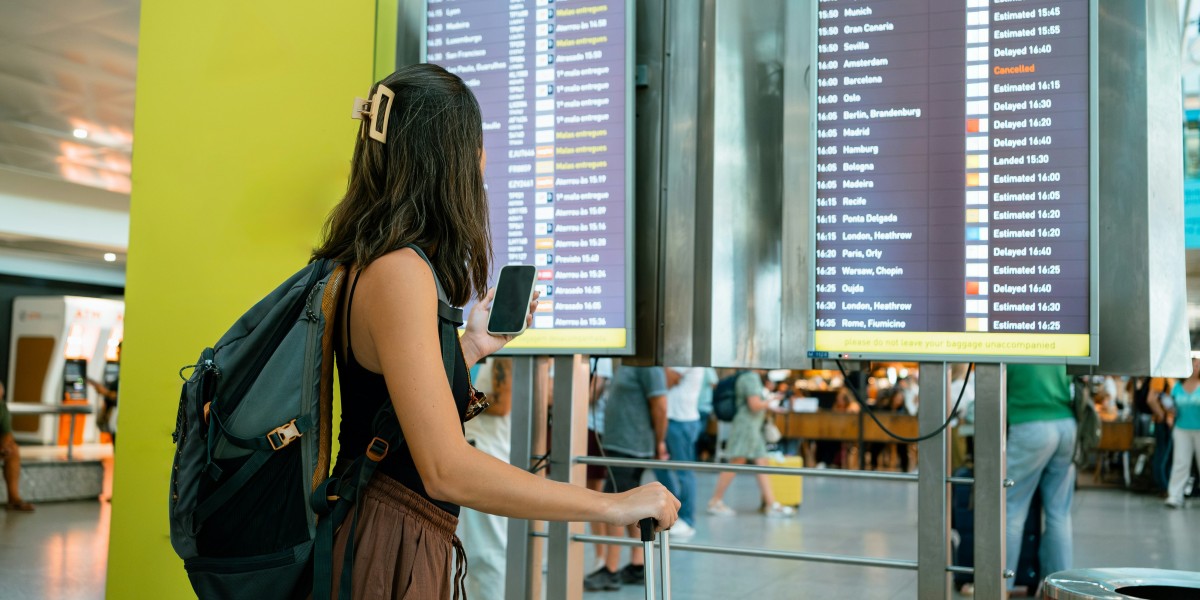
Travelers moving in and out of New York City faced major disruptions as a government shutdown triggered widespread flight cancellations. LaGuardia, JFK, and Newark all saw hundreds of flights grounded, straining schedules and leaving passengers delayed or stuck for hours.

The impact unfolded gradually at first, then all at once. As staffing shortages slowed air traffic and schedules fell behind, cancellations piled up through the day. Some passengers waited in long lines to rebook. Others sat in crowded terminals hoping for a later flight. A few simply returned home and prepared to try again the next morning.

No single group was responsible. Airline crews, airport staff, and air traffic controllers worked steadily despite limited resources. The cancellations were the predictable result of reduced staffing across key federal agencies that support air travel.


Why Air Travel Is So Sensitive to Shutdowns

A government shutdown halts funding for federal operations, forcing agencies to scale back to essential staff only. For air travel, that means fewer people handling the same heavy volume of traffic.

Air traffic controllers still work because safety depends on them, but many do so without pay. That pressure, combined with staffing gaps, strains the system. Even one shortfall at a control tower can ripple across multiple airports.

Commercial aviation runs on precision. Every departure and arrival depends on a tightly timed sequence. Once that rhythm breaks, delays become unavoidable. The problem isn’t mismanagement — it’s a heavily coordinated system forced to operate on limited manpower.


The Chain Reaction Across Airlines

Airlines build their daily operations around predictable schedules. When a single flight gets canceled, the effects travel far beyond one route. Pilots and crew may end up in the wrong city, planes may be misplaced, and connecting flights can’t depart as planned. Multiply that by dozens of cancellations, and the domino effect becomes enormous.

New York’s airspace is among the busiest and most interconnected in the country, which makes the region even more vulnerable to disruption. A delay here can affect routes across multiple states and even overseas networks.

Despite the strain, airline teams worked to rebook travelers, arrange hotels, or provide credits where possible. The process was slow but steady — a reminder that the system can adapt even when running under pressure.


How Travelers Were Affected

The mood inside terminals was a blend of frustration and understanding. Many passengers recognized that the shutdown’s impact stretched far beyond airlines themselves. Conversations often reflected patience, with people acknowledging that airport staff were doing everything they could.

Those waiting in terminals faced long stretches of downtime, but operations remained orderly. Restaurants and shops stayed open, and staff continued making regular announcements. While the delays were inconvenient, safety and communication remained the top priorities.

Some passengers took the unexpected pause as a chance to rest, read, or talk to other travelers. The experience underscored how human air travel really is — behind the schedules and logistics are people trying to handle a difficult moment together.


How Airports Responded

Airport officials across New York worked continuously to maintain stability. Staff guided passengers through gate changes, offered directions, and answered questions. TSA lines slowed but stayed functional, with officers maintaining professionalism despite uncertainty.

Support teams increased their visibility in major terminals. Information counters assisted with rebooking questions, while volunteers helped direct people rushing between gates. Maintenance crews extended shifts to accommodate the higher number of passengers remaining onsite.

Coordination with federal aviation officials continued throughout the disruption. Essential flights — including cargo, medical transport, and emergency routes — received priority, ensuring critical operations moved forward safely.


The Economic Ripple Effects

Flight cancellations affect more than travelers. Local businesses near airports — hotels, shuttles, cafes, ride services — often see an immediate slowdown. New York, where tourism and business travel are major economic engines, feels these disruptions more intensely than most cities.

However, the financial impact tends to be short-lived. Once government funding resumes, federal agencies return to standard staffing levels, flight schedules normalize, and passenger volumes rebound quickly. Airlines typically make up lost routes within days.

The system is built to reset — and it does.


How Travelers Can Stay Steady During Major Disruptions

When large-scale cancellations happen, staying informed is one of the best ways to reduce stress. Airline apps often deliver updates faster than terminal monitors, and checking regularly helps passengers make quicker rebooking decisions.

Carrying essentials like snacks, chargers, and medications also makes long waits more manageable. Flexibility helps, too — especially when airline staff are operating under heightened pressure.

Above all, it’s important to remember that cancellations reflect caution, not carelessness. The aviation system prioritizes safety, and every delay represents a decision made to protect passengers.


A Sense of Steady Recovery

Government shutdowns create strain across multiple sectors, but aviation remains one of the most resilient. Throughout the disruptions, New York’s airports demonstrated steady coordination and professionalism. Controllers stayed on duty, airline crews adapted, and passengers remained largely patient.

Despite the challenges, the system did not break. It slowed, adjusted, and continued functioning — a testament to the public service infrastructure behind every flight.

When funding is restored, these same teams return to full capacity and restore the rhythm of travel. The system may bend during a shutdown, but it doesn’t stop.

Should New York Offices Embrace Casual Wear Every Day?

For years, New York office life came with its own uniform: sharp suits, polished shoes, and ties pulled tight enough to survive a heatwave. Dressing well wasn’t optional — it was a signal of commitment, authority, and readiness. But recently, something subtle has shifted.

Walking through Midtown or Lower Manhattan today, it’s not unusual to spot sneakers under desks or denim paired with tailored blazers. The city’s professional wardrobe hasn’t collapsed into full weekend mode, but it has loosened, and not just on Fridays. Remote work taught a lot of people that productivity doesn’t require pinstripes, and now offices are wondering whether comfort belongs in the long-term plan.

It’s not a dramatic makeover — more a quiet change unfolding across teams. Some employees prefer the relaxed vibe; others miss the structure of formal attire. What’s clear is that work clothes now say less about status and more about how people want to feel while doing their jobs.


Comfort Makes It Easier to Think

There’s a practical reason behind the shift: comfort helps people focus. When you’re not distracted by a stiff collar or restrictive fabric, it’s easier to concentrate. Creative thinking, long meetings, and problem-solving all come more naturally when you’re able to breathe in your own clothes.

Casual wear also changes how people interact. A more relaxed workplace tends to encourage open conversation, faster collaboration, and less hierarchy. A junior employee might feel more confident speaking up, and managers may come across as more approachable.

But full casual comes with risks. Without any boundaries, offices can drift toward looking disorganized or unprofessional. Most teams end up finding a middle ground — comfortable, but not careless.


The Client Factor Still Matters

Not every office can adopt a universal casual dress code. Some industries still depend on traditional presentation, especially when meeting clients from law, consulting, or finance. Showing up in a hoodie to a high-stakes meeting could send a message no one intends.

Still, the modern compromise is increasingly common: pair a blazer with dark jeans, or wear clean sneakers with a tailored coat. It communicates respect without sacrificing comfort.

A simple rule guides many workplaces: dress sharply when meeting clients, dress comfortably when you’re not. It’s flexible, practical, and gives employees room to read the situation without guesswork.


Clothing Shapes Office Culture More Than People Realize

What people wear sends signals, even when they don’t mean to send them. That’s why offices still keep some guidelines, even if they’ve eased up overall. Without shared expectations, a new hire might overdress and feel awkward, while someone else might go too casual without realizing it.

Even so, relaxed dress codes allow employees to bring more of their authentic selves to work. If someone feels more confident in a T-shirt than in a button-down, that comfort often translates into better performance. The modern workplace increasingly values a balance between identity and professionalism — not just the appearance of formality.


The Practical and Financial Side of Looser Dress Codes

Suits don’t just feel stiff — they can be expensive. Dry cleaning, tailoring, and accessories add up quickly. A more casual dress culture helps make work life more affordable, especially for younger employees.

It also fits how offices function now. Many spaces are open, collaborative, and informal by design. Lounge seating, breakout corners, and standing desks aren’t made for structured outfits. Casual wear simply works better with the way people move around their workplaces today.

But not everyone wants to give up dressing up. For some professionals, a crisp shirt or well-cut dress helps them mentally switch into work mode. Good dress policies leave room for that choice without pressuring anyone to conform to a single style.


Generational Gaps and Shifting Expectations

Different age groups bring different ideas about what “professional” looks like. Older employees may see formal attire as a sign of respect, while younger workers see comfort as a reflection of equality — if performance is strong, why should clothing matter?

Most of these differences come down to habit, not attitude. For decades, dress codes were rules; today, they’re guidelines. Offices that talk openly about expectations avoid confusion and help everyone adjust.

Company identity matters, too. A creative studio in Brooklyn may feel out of place in full suits, while a Manhattan law firm may feel equally out of place in sneakers. Dress codes follow culture, not the other way around.


Why a Middle Ground Works Best

No one is saying suits should disappear entirely. The real question is whether they need to be the default every single day. A balanced approach — formal when necessary, casual when appropriate — respects the variety of work people do throughout the week.

Many companies now encourage employees to “dress for your day.” It’s simple, flexible, and based on trust. When people are given the freedom to choose what makes sense, they rarely abuse it. More often, they match their outfit to their responsibilities without needing strict rules.

At the end of the day, the conversation isn’t about clothing — it’s about respect for comfort, professionalism, and the people who share the workspace.


Rethinking What Professional Really Means

If New York continues leaning into everyday casual wear, it won’t be because of trends. It will be because the nature of work has changed. People see their jobs as part of their lives, not separate compartments, and clothing reflects that shift.

Professionalism is no longer tied to a uniform. It’s tied to behavior, reliability, and how people treat each other. A comfortable outfit doesn’t make anyone lazy — if anything, it may make them more grounded, more human, and more ready to get things done.

Grammy 2026 Nominations: Fresh Rules, Who’s In, and What’s Changed

The Recording Academy has released the full list of nominees for the 2026 Grammy Awards, scheduled for February 1, 2026, at the Crypto.com Arena in Los Angeles. Kendrick Lamar leads this year’s field with nine nominations, followed by Lady Gaga with seven, placing both artists at the forefront of the ceremony’s major categories, including Album of the Year and Song of the Year.

This year’s nominations highlight a broader and more inclusive mix of genres than in previous cycles, with established icons appearing alongside rising newcomers across pop, rap, country, global music, and more. For audiences, the list offers an early snapshot of the creative voices shaping the past year in music.


What’s New for the 2026 Grammy Awards

Two new categories will debut this year:

  • Best Traditional Country Album
  • Best Album Cover

The addition of Best Album Cover recognizes the enduring importance of visual identity in music, giving photographers, illustrators, and designers a dedicated space for recognition.

Eligibility rules for Best New Artist were also updated. Performers who contributed less than 20 percent to a previously nominated Album of the Year can now compete, opening the door for more emerging talent. These changes signal an awards structure that is adapting to modern listening habits and giving more visibility to behind-the-scenes creatives.


What the Leading Nominees Reveal

Kendrick Lamar’s nine nominations reflect both his artistic consistency and his ability to blend genres and styles. His latest album, GNX, earned recognition across performance and production categories, reinforcing his status as one of the most influential voices in contemporary music.

Lady Gaga’s seven nominations highlight her continued versatility as a vocalist and performer. Her work in the past year spans polished pop production and emotionally driven performances, continuing a career defined by creative reinvention.

Bad Bunny made history this year as the first Spanish-language artist to be nominated in all three major categories — Album, Song, and Record of the Year. His presence underscores the growing influence of global music within the mainstream U.S. market.

For listeners, the combination of familiar names and rising artists mirrors the diversity of today’s cultural landscape.


Why These Nominations Matter

A Grammy nomination can significantly boost visibility, often driving surges in streaming and renewed interest in earlier releases. The nomination list also serves as an informal guide to the year in music, helping audiences discover artists and albums they may have missed.

The introduction of new categories creates room for niche communities—such as traditional country and album art—to gain recognition. This broader representation helps the ceremony reflect a more complete picture of the modern music ecosystem, rather than focusing solely on commercial powerhouses.


What Remains Unknown Ahead of the Ceremony

While nominees are confirmed, several broadcast details have yet to be announced. It’s unclear whether the new categories will appear in the main telecast or be presented during the pre-show. Voting members are now reviewing ballots, with winners set to be announced live on February 1.

The long-term impact of the updated category structure is still unfolding. Whether additions like Best Album Cover resonate with audiences will depend on how the awards are framed and how strongly viewers connect with the idea of spotlighting design in the streaming era.

As digital platforms continue reshaping how music is consumed and classified, further adjustments to Grammy eligibility and category definitions remain possible.


Why Listeners May Feel More Connected This Year

The Grammy Awards often spark debate about genre representation, cultural relevance, and the balance between commercial success and artistic merit. This year’s nominations suggest a more intentional effort to broaden the field.

With Kendrick Lamar and Lady Gaga leading major categories, Bad Bunny achieving historic recognition, and newcomers appearing alongside longtime industry names, the 2026 list feels more reflective of current listening trends.

Whether your playlist leans toward rap, pop, country, or global music, this year’s nominees offer an inclusive look at the artists shaping the moment—and set the stage for a ceremony poised to represent a wider range of voices than ever before.


GTA 6: What We Know So Far & Why the Wait Is Worth It

Rockstar Games has formally announced that the next installment in the Grand Theft Auto franchise will arrive on November 19, 2026. The studio said the extended development window is meant to ensure the game meets its internal quality standards and avoids the instability that can accompany rushed blockbuster launches.

For players, that timeline signals Rockstar’s intent to deliver a polished experience at release—something that has become increasingly rare for large-scale open-world titles.


A New Setting Inspired by Florida

The game takes place in Leonida, a fictional state modeled after Florida. At its center is Vice City, one of the franchise’s most recognizable locations. But this version goes far beyond the neon-soaked map from past games.

Leonida features:

  • Wetlands and swamp ecosystems
  • Small rural towns and highways
  • Densely packed urban districts
  • Extensive coastal stretches

Rockstar describes it as the largest and most detailed open world it has ever built. The design philosophy focuses on continuous, uninterrupted terrain—reducing transitions and creating a more fluid sense of exploration.


Why the Delay May Be Strategic

Large game studios increasingly take extra time to refine systems, stabilize performance, and prevent launch-day issues. Rockstar acknowledged that the additional development period allows teams to finalize gameplay mechanics and optimize the experience for modern consoles.

The November release date also places GTA VI squarely in the holiday season, a historically strong window for major game sales. Holiday demand boosts both software and console purchases, setting the stage for a global commercial peak.

The extended runway may be frustrating for fans, but it typically leads to a smoother rollout and fewer emergency patches—preserving the franchise’s reputation for longevity.


A Unified, Highly Detailed Open World

Leonida’s design merges multiple biomes and city types into a single, seamless environment. That structure requires precise coordination between engineers, environment designers, animators, and narrative teams.

Creating an open world with this level of fidelity is one of the reasons Rockstar lengthened its timeline. Fewer separated zones mean more data streaming at once, higher asset detail, and an engine built around constant movement rather than compartmentalized areas.


New Protagonists Mark a Narrative Shift

Rockstar confirmed that Grand Theft Auto VI will feature two protagonists: Jason and Lucia. Lucia stands out as the first woman to lead a GTA title, marking a milestone for the series.

Their partnership drives the story’s emotional core, signaling a more character-centered approach. While the franchise’s trademark satire and irreverence remain, early commentary suggests the narrative will lean more into realism, personal stakes, and grounded storytelling.

The dual-character switching system introduced in GTA V returns, now benefiting from modern hardware that allows for faster transitions and more dynamic mission structures.


Questions Still Unanswered

Rockstar has confirmed the game for PlayStation 5 and Xbox Series X|S, but a PC release has not yet been announced. Historically, PC editions of GTA games arrive months after the console launch due to additional optimization needs.

Other unknowns include:

  • The structure of online multiplayer
  • The scope of the single-player campaign
  • Plans for post-launch expansions
  • Whether Rockstar will maintain the live-service model that supported GTA Online for more than a decade

Those details are expected closer to release, once core development milestones are complete.


Why Patience May Pay Off

Blockbuster releases face enormous pressure, and rushed timelines often lead to technical problems that overshadow a game’s strengths. Rockstar’s decision to take additional time suggests confidence rather than hesitation—an investment in durability rather than speed.

For players, that patience could deliver a more stable world, cleaner performance on day one, and a narrative experience that stands alongside the franchise’s most iconic chapters.

With Grand Theft Auto VI, Rockstar is aiming not just to follow up a global phenomenon but to redefine what a modern open-world game can look like. If development continues on its current path, the wait may prove worthwhile.