NFL Christmas Day Games Schedule Today

What NFL Games Are Being Played on Christmas Day?

The NFL is hosting multiple regular-season games on Christmas Day, December 25, as part of the league’s Week 17 schedule. The games are not exhibitions or special events. They count fully toward the regular season standings and are played under standard league rules and conditions.

The schedule places games across the afternoon and evening, creating a full day of football rather than a single standalone matchup. This format allows fans to watch multiple games without overlapping kickoffs.

Which Teams Are Playing in Today’s NFL Christmas Games?

Three matchups are scheduled for Christmas Day. The Dallas Cowboys play the Washington Commanders in an early game. Later in the afternoon, the Detroit Lions face the Minnesota Vikings. The evening game features the Denver Broncos against the Kansas City Chiefs.

All six teams are competing as part of their normal divisional and conference schedules. Several of the matchups involve division rivals, which adds weight to the results at this stage of the season.

What Time Do the NFL Christmas Day Games Start?

The first game begins in the early afternoon, followed by a late afternoon kickoff and a primetime matchup in the evening. The staggered schedule prevents overlap and gives each game a dedicated broadcast window.

This structure mirrors a traditional Sunday lineup, condensed into a single holiday. Fans can watch one game at a time without choosing between simultaneous broadcasts.

Are These Games Important for the Regular Season?

Because Christmas falls late in the NFL calendar, the games take place during one of the final weeks of the regular season. Wins and losses at this point directly affect division standings and postseason positioning.

Teams have limited opportunities remaining to improve their records, making each game more consequential than earlier matchups. As a result, Christmas Day games often resemble late-season football in intensity and pace rather than holiday novelty events.

Electric School Bus Problems Leave Western New York Students Riding in the Cold

Parents in the Lake Shore Central School District say a push toward electric school buses is creating an unexpected problem this winter: children arriving at school cold after morning rides in freezing temperatures. The complaints have surfaced as Western New York experiences sustained winter conditions, raising questions about how the transition to electric fleets is playing out on the ground.

According to parents, the issue is not a one-off incident tied to an unusually cold morning. Families say the problem has repeated itself across multiple routes, with students reporting that bus heaters struggle to keep cabins warm during their commute. Some parents say younger children, who wait outside longer and are less able to regulate body temperature, are particularly affected.

For families, the concern is less about the technology itself and more about day-to-day reliability during the winter months. Several parents say their children come home describing cold air inside the bus or long stretches before the heat becomes noticeable. In some cases, parents say children kept coats and gloves on throughout the ride, something that was rarely necessary on older diesel buses.

Weather conditions appear to play a key role. Western New York has seen below-freezing temperatures during early morning hours, when most school routes are active. Parents say that on especially cold days, the problem becomes more noticeable, with buses taking longer to warm up while students are already onboard. The length of some routes has added to the frustration, particularly for families whose children spend extended time on the bus.

Safety and health concerns are now part of the conversation. While no serious injuries have been reported, parents worry about prolonged exposure to cold for young students, especially during longer commutes. Some say their children arrive at school distracted or uncomfortable, which affects the start of the school day. For families, the issue goes beyond discomfort and into questions about whether the transportation system is meeting basic expectations during winter.

The buses at the center of the complaints were introduced as part of broader efforts to modernize school transportation and reduce emissions. New York State has encouraged districts to move toward electric school buses as part of its long-term environmental goals. Supporters of the policy argue that electric buses reduce pollution, improve air quality for children, and represent a necessary shift away from fossil fuels.

Families Say Cold Rides Raise Safety Questions

Electric School Bus Problems Leave Western New York Students Riding in the Cold (2)

Photo Credit: Unsplash.com

Parents who raised concerns say they are not opposed to cleaner transportation. Instead, they want reassurance that student comfort and safety are being prioritized during the transition. Several families have called for temporary adjustments, such as route changes, additional warming time before pickups, or supplemental heating solutions during extreme cold.

The school district has acknowledged receiving feedback from parents and said it is reviewing the situation. District officials have stated that they are working with transportation providers to assess heater performance and identify potential fixes. In some cases, adjustments to morning procedures or maintenance checks may be considered, though no formal changes have been announced.

Officials have also emphasized that the buses meet state requirements and are designed to operate in winter conditions. However, parents say real-world use during sustained cold weather can reveal issues that don’t always show up in testing or early rollout phases. Some families are asking for clearer communication from the district about what steps are being taken and how concerns will be addressed moving forward.

The issue has started to attract attention beyond the district, as other families in Western New York watch closely. Electric school buses are expected to become more common across the state in the coming years, making early experiences closely watched by both parents and administrators.

For now, parents in the Lake Shore Central School District say they are continuing to document their children’s experiences and share concerns with school officials. Many are hoping for short-term solutions that ensure warm rides through the remainder of winter, while longer-term adjustments are evaluated.

As temperatures remain low, the situation highlights a tension facing many school districts: balancing ambitious environmental goals with the immediate, practical needs of students. What happens next will likely influence how similar transitions are handled across New York as winter conditions continue.

Leadership, Identity, and Life After Exoneration: Greg Kelley’s Journey Forward

What Greg Kelley’s Journey Reveals About Purpose, Resilience, and Rebuilding After Crisis

Written by: Dillon Kivo


The Quiet After the Verdict

For Greg Kelley, life did not fracture all at once. It stopped.

In 2014, at nineteen years old, Kelley was convicted in Texas of super aggravated sexual assault of a child and sentenced to twenty-five years in prison. He was a standout high school football player, on the cusp of adulthood, when his future collapsed under the weight of a verdict that would later be ruled deeply flawed. The public moment of conviction was loud. The years that followed were not.

What came next was not a story of spectacle, but of endurance. Kelley spent nearly three years incarcerated before his conviction was overturned. During that time, the world moved forward without him. Seasons passed. Relationships changed. Identity narrowed to survival.

When an appellate court ultimately vacated his conviction, stating that no reasonable juror could have reached the original verdict given the evidence, Kelley was released into a life he barely recognized. Exoneration restored his freedom. It did not automatically restore his sense of self.


Leadership Without a Title

Leadership is often associated with authority or position. Kelley’s story challenges that definition.

In prison, leadership meant something quieter. It meant discipline in an environment defined by volatility. It meant restraint when anger would have been understandable. It meant the daily decision not to surrender to bitterness.

A wrongful conviction strips a person of agency. Decisions are made by others. Identity is reduced to a case number. In that environment, the only form of leadership available is internal. Kelley learned to lead himself when no external validation existed.

That self-leadership would later become the foundation for his life after release. Unlike public figures who transition from one role to another, Kelley rebuilt from a void. There was no career to return to. No public rehabilitation plan. Only the responsibility of deciding who he would be after the worst years of his life.


The Psychological Cost of Survival

The mental toll of wrongful incarceration is well documented. Research shows that exonerees experience elevated rates of anxiety, depression, post-traumatic stress, and difficulty reintegrating into society. The trauma is not confined to imprisonment. It extends into release, where freedom arrives without structure, support, or closure.

Kelley has spoken openly about this reality. Exoneration corrected the legal record, but it did not erase the years spent defending his innocence in an environment designed to break people. Healing required intention. It required patience. It required accepting that recovery would not follow a clean timeline.

Mental health, in this context, is not a chapter that ends. It becomes a practice. For Kelley, that practice involved rebuilding trust in himself and in the world around him, often at the same time.


Losing Identity, Rebuilding Purpose

Before his arrest, Kelley’s identity was straightforward. Athlete. Student. Son. The conviction erased that narrative overnight. What followed was a prolonged period of enforced anonymity, where the future narrowed to survival.

After his release, the challenge shifted. How does someone build a life when formative years have been taken? How does purpose re-emerge after being publicly defined by something untrue?

Kelley’s answer was not immediate. It unfolded slowly through family, faith, and work.

He married his longtime partner, Gaebri, who stood by him throughout the ordeal, and became a father. These roles provided grounding. They restored a sense of responsibility that incarceration had stripped away.

Purpose, for Kelley, was not reclaimed through revenge or public anger. It emerged through stability and forward motion.


Advocacy as Responsibility, Not Performance

Over time, Kelley’s experience placed him into a broader conversation about wrongful convictions and systemic failure. His story became the subject of Outcry, a documentary series that examined the flaws in his case and the broader implications for the justice system.

Advocacy followed, but cautiously. Kelley has not positioned himself as a political figure or professional activist. Instead, his leadership has been rooted in testimony. Speaking when asked. Sharing facts. Representing the reality that wrongful convictions do not end with release.

In this sense, advocacy is not about attention. It is about responsibility. Kelley understands that silence can allow systems to repeat their mistakes. His voice carries weight not because it is loud, but because it is earned.


Redefining Leadership After Crisis

Kelley’s leadership today looks different from it might have if his life had followed a conventional path. It is not defined by titles or institutions. It is defined by consistency.

Leadership, in his case, means showing up for his family. It means maintaining discipline in ordinary life after years when nothing was ordinary. It means engaging with his past without allowing it to define his future.

This form of leadership is rarely celebrated. It does not lend itself to slogans. But it is durable. It survives when public attention fades.


Life After Exoneration

Exoneration is often described as an ending. For those who live it, it is something else entirely. It is a beginning that arrives without instructions, without structure, and without assurances. Freedom returns all at once. Direction does not.

For Greg Kelley, life after wrongful conviction has required the deliberate reconstruction of identity. The years he lost cannot be recovered. There is no mechanism to return time taken during early adulthood, no reset that places someone back on the path they once occupied. What remains is choice. How to live forward. What to build. Who to become.

Kelley’s response has been marked by restraint rather than spectacle. His story is not about triumph over the justice system or public vindication. It is about continuity after collapse. About committing to ordinary life with discipline, even after that life once failed him.

That commitment found expression in something tangible. Tomahawk Targets, a small business Kelley founded, grew out of his love for woodworking and the quiet satisfaction of building something with his hands. The company manufactures free-standing axe-throwing targets, each one designed, constructed, and shipped nationwide. The work is physical and exacting. Progress is visible. Errors are correctable. Effort produces something real.

Entrepreneurship, in this context, is not about ambition for its own sake. It is about control and accountability. After years in which every aspect of life was dictated by others, building a business offered Kelley something elemental. Ownership of outcomes. Responsibility for quality. The dignity of craftsmanship.

The business later expanded to include a mobile axe-throwing trailer, bringing the experience to local events around Austin and nearby cities. Kelley often coaches participants himself, guiding first-timers with patience and a steady hand. No experience is needed. The focus is accessibility, not intensity.

That approach mirrors how he leads. Calm. Grounded. Present.

Physical discipline has played a similar role. Running became more than exercise. It became routine. A way to steady days that once felt unmoored. Distance running rewards patience. Progress comes slowly. Discomfort is expected. Stopping is always an option.

For Kelley, that familiarity matters. Endurance is built through repetition. Progress is earned over time. Strength that grows quietly.

Over time, running took on a wider purpose. Kelley began competing in ultramarathons not only as a personal challenge, but as a way to draw attention to people who may be innocent of the crimes they are accused or convicted of. The races were long and demanding by design.

Through these efforts, he has helped raise money for The Vindication Foundation, which supports and educates those affected by wrongful convictions. Purpose, for Kelley, is not loudly announced. It is carried.

Ultramarathon running demands patience long after comfort fades. Fatigue builds. Doubt creeps in. Continuing becomes a choice. The parallel is clear. Endurance, whether physical or personal, is sustained step by step.

Family has provided another anchor. Marriage and fatherhood restored the responsibility that incarceration interrupted. Someone is watching how you respond. Someone depends on your consistency. Leadership becomes real when it is lived daily.

Kelley’s life now reflects a simple truth. Leadership after a crisis is not discovered all at once. It is built.

The past does not vanish. Wrongful conviction leaves marks that remain. But leadership, in that space, is the decision not to live in reaction to what was taken.

In that sense, Kelley’s story is not only about injustice. It is about what comes next. About choosing purpose when certainty is gone. And about proving, through action rather than words, that identity can be rebuilt into something steady and earned.

New York City’s Just Cause Law Reshapes Job Security For Fast-Food Workers

New York City’s fast-food industry has long been defined by speed, turnover, and unpredictability. Workers often faced sudden schedule cuts, last-minute firings, or weeks of unstable income with little warning or explanation. The city’s Just Cause law, reinforced by recent reports and enforcement actions, is quietly altering that reality. What once felt like an abstract labor reform is now shaping how fast-food restaurants manage staff, document decisions, and plan their labor costs. For thousands of workers, the change is not theoretical. It shows up in steadier hours, written explanations, and the ability to challenge abrupt job losses.

The Just Cause framework did not appear overnight. It builds on earlier Fair Workweek rules that required advance scheduling and limited sudden hour reductions. Together, these policies aim to reduce income volatility in one of the city’s largest low-wage sectors. Recent city data and settlements highlight that enforcement has moved from warning letters to meaningful penalties. That shift has made the law harder to ignore and more relevant to everyday operations across major chains and smaller franchises alike.

What Does The Just Cause Law Actually Require From Employers?

At its core, the Just Cause law changes the power balance around termination and discipline. Fast-food employers can no longer fire workers on the spot without explanation unless there is a serious and immediate reason tied to safety or misconduct. Instead, they must provide written notice explaining the reason for termination and follow a progressive discipline process that gives workers a chance to improve. This requirement alone marks a major departure from at-will employment norms that have dominated the service sector for decades.

The law also interacts with scheduling protections that require employers to post schedules in advance and limit how drastically hours can be reduced without cause. When layoffs do happen, employers must offer shifts to existing workers before hiring new staff, prioritizing those with more seniority. These rules collectively push restaurants to think longer term about staffing rather than treating labor as a disposable input that can be adjusted day to day.

For workers, the practical impact is clarity. A cut in hours or a firing must now come with documentation. That paper trail becomes crucial if a worker challenges the decision through city agencies. For employers, it means decisions that were once informal now require structure, consistency, and follow-through.

Why Did New York City Focus On Fast-Food Workers?

Fast-food workers sit at the intersection of low wages and high volatility. Many rely on weekly schedules to plan rent, childcare, and transportation. A sudden loss of shifts can trigger cascading financial problems. City officials and labor advocates have argued that this instability is not an inevitable feature of the industry but a result of policy choices that favored flexibility for employers over predictability for workers.

New York City also has leverage in this sector because many fast-food restaurants are part of large national chains. That scale makes enforcement more feasible and the impact more measurable. When the city brings a case against a major employer, the outcome can affect thousands of workers at once and set a compliance standard across the market.

Recent reports from city offices emphasize that the fast-food industry has continued to add jobs even as these protections took effect. That finding undercuts claims that stronger worker protections would automatically lead to widespread closures or layoffs. While individual businesses may face higher compliance costs, the sector as a whole has shown an ability to adapt.

Why Job Stability Matters More In New York City Right Now

These protections carry extra weight because they exist in a city where wages continue to lag behind living costs. Even full-time work does not guarantee stability when rent, transportation, and basic expenses consume most of a paycheck. Recent reporting on job quality in New York City highlights how many workers judge jobs not just by hourly pay, but by predictability, security, and the ability to plan their lives around work rather than react to it. That broader context is explored in detail in this analysis of job quality, wages, and cost-of-living pressures facing NYC workers in 2025.

Against that backdrop, Just Cause protections function as more than workplace rules. They act as stabilizers in an economy where volatility has become the norm. Knowing schedules in advance, having limits on sudden hour cuts, and receiving written explanations for job decisions allow workers to plan rent payments, childcare, and transportation with more confidence. In a city where financial margins are thin, that predictability can make the difference between staying afloat and falling behind.

How Is Enforcement Changing Employer Behavior?

New York City's Just Cause Law Reshapes Job Security For Fast-Food Workers (2)

Photo Credit: Unsplash.com

The most significant shift over the past year has been enforcement. Large settlements over violations of scheduling and termination rules have signaled that the city is willing to pursue cases aggressively. These actions have moved the Just Cause law from the margins into boardrooms and legal departments. Employers now factor compliance into budgeting, training, and management systems.

Many chains have invested in updated scheduling software and clearer disciplinary guidelines. Managers are being trained to document performance issues and follow standardized procedures. While some operators argue this adds bureaucracy, others acknowledge that it reduces confusion and inconsistency across locations.

For smaller operators, the adjustment can be harder. Limited administrative capacity makes compliance more burdensome, and mistakes can be costly. City agencies have responded by offering guidance and technical assistance, aiming to prevent unintentional violations while maintaining accountability. The balance between education and enforcement will likely determine how sustainable the law proves over time.

What Does This Mean For Workers’ Day-To-Day Stability?

For workers, the benefits are most visible in predictability. Knowing schedules further in advance allows for better financial planning. Limits on sudden hour cuts reduce the risk of an unexpected income drop. Written explanations for discipline or termination provide a sense of fairness and a basis for appeal.

Just as important is the psychological effect. The law acknowledges fast-food jobs as real employment relationships deserving of due process, not disposable arrangements. That recognition can change how workers see their own position and how managers interact with staff. While the law does not guarantee job security, it raises the cost of arbitrary decisions and creates space for dialogue before termination.

Workers who believe their rights have been violated now have clearer pathways to file complaints and seek restitution. Past settlements have resulted in back pay for thousands of employees, reinforcing the idea that enforcement can deliver tangible outcomes rather than symbolic victories.

Could The Just Cause Model Expand Beyond Fast Food?

The success or failure of New York City’s Just Cause law will influence future labor policy debates. Advocates argue that similar protections should apply to other sectors characterized by unstable scheduling, including retail and app-based delivery work. Critics warn that expanding the model too broadly could strain small businesses and reduce flexibility in industries with fluctuating demand.

For now, fast food remains the testing ground. City officials continue to collect data, assess employment trends, and refine enforcement strategies. The early evidence suggests that stronger protections can coexist with a functioning labor market, but long-term outcomes will depend on economic conditions and political will.

What is clear is that the Just Cause law has moved from concept to consequence. It has changed how fast-food work operates in New York City, embedding stability and documentation into a sector once defined by unpredictability. Whether it becomes a blueprint for other cities or remains a local experiment, its impact on workers’ daily lives is already real and measurable.

Taylor Swift’s Early Holiday Gift Gives Fans More Eras Tour Access Ahead Of Christmas

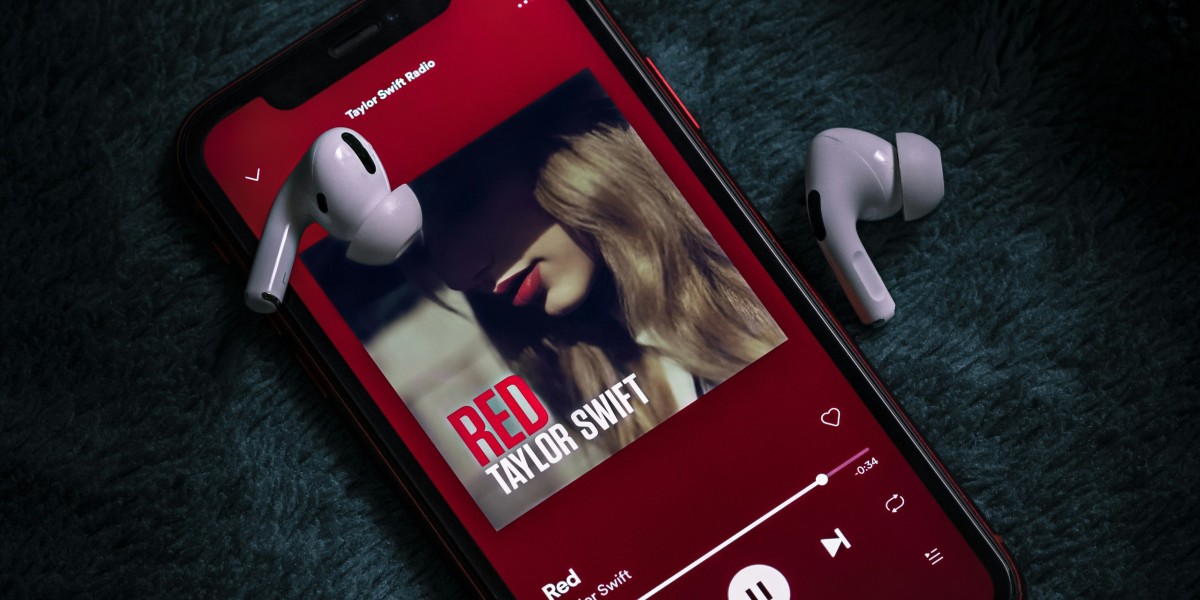
Taylor Swift has never been subtle about how seriously she takes her relationship with fans. This December, she proved it again with what many Swifties are calling a perfectly timed early holiday gift. Instead of waiting until after Christmas, Swift and Disney+ confirmed that the final episodes of her Eras Tour documentary series will arrive days earlier than expected, reshaping how fans experience the closing chapter of one of the most dominant tours in modern music history. The move instantly sparked online celebration, not because it involved new music or merch, but because it delivered something many fans value just as much: access, context, and time.

The Eras Tour documentary series has functioned as more than a concert film. It has acted as a long form reflection on Swift’s career at a moment when her cultural presence feels almost unmatched. By shifting the release dates forward, Swift essentially turned the final stretch of the series into a shared pre Christmas event rather than a post holiday afterthought. For fans who have followed the tour city by city, livestream by livestream, this adjustment feels intentional rather than incidental.

Why Did Taylor Swift Release The Episodes Early?

The official explanation framed the change as an early gift to fans, and that phrasing matters. Swift has built her career on understanding fan psychology and timing. Releasing the final episodes on December 23 instead of December 26 places them directly inside the holiday window, when people are home, off work, and actively looking for communal viewing experiences. It also avoids the quieter media lull that often follows Christmas Day, when attention fragments and momentum fades.

From a narrative standpoint, the decision keeps the emotional arc intact. The Eras Tour itself was never just about performance. It was about reflection, legacy, and endurance. Letting fans sit with those themes during the holidays aligns with the tone of the series. The timing allows viewers to process the ending alongside family gatherings, year end reflection, and the natural pause that December brings. That context strengthens the impact of the final episodes instead of diluting it.

There is also a strategic dimension that should not be ignored. Swift has spent the past two years carefully controlling the rhythm of her releases, appearances, and announcements. Nothing arrives randomly. Moving the episodes forward keeps her name circulating during one of the most competitive content weeks of the year without competing directly with Christmas Day releases. It is a quiet move, but a smart one.

What Do The Final Episodes Focus On?

Episodes five and six are positioned as the emotional close of the documentary series. While earlier installments leaned heavily on spectacle, logistics, and the sheer scale of the tour, the final chapters reportedly narrow their focus. They explore the physical and emotional cost of sustaining a tour of that magnitude while also revisiting the personal stakes behind Swift’s decision to revisit every era of her career on one stage.

The series continues to emphasize behind the scenes access rather than polished mythology. Viewers see moments of exhaustion, small rituals that ground Swift during travel, and conversations that reveal how much coordination is required to keep a global tour running smoothly. This approach has resonated because it avoids glamorizing burnout while still acknowledging the ambition behind the project.

There are also personal moments woven into the narrative, including appearances from people close to Swift during the tour period. These scenes add texture rather than distraction. Instead of shifting focus away from the music, they contextualize it. The result feels less like a victory lap and more like a thoughtful debrief after a long journey.

How Fans Reacted To The Early Gift

The reaction online was immediate and overwhelmingly positive. Fans framed the early release as validation of something they have long believed: that Swift pays attention. Many described the change as small but meaningful, especially in contrast to artists who treat release schedules as rigid corporate decisions rather than flexible moments of connection.

Social platforms are filled with countdown posts, viewing plans, and speculation about which moments might appear in the final episodes. The tone of the conversation mattered. Instead of frenzy, there was gratitude. That distinction helps explain why Swift’s fan base remains unusually durable. Moments like this reinforce the sense that participation is rewarded with access, not just content.

The early drop also encouraged communal watching. Fans discussed syncing viewing times, rewatching earlier episodes, and treating the finale as an event rather than passive content. In an era of endless streaming, creating that kind of shared attention is increasingly rare. Swift managed it without marketing theatrics or surprise drops, simply by adjusting timing.

What This Says About Taylor Swift’s Broader Strategy

This early gift fits cleanly into a larger pattern. Swift has consistently prioritized long term engagement over short term hype. The Eras Tour itself was designed as a retrospective, not a promotion cycle. The documentary series extended that mindset into streaming, offering depth instead of clips optimized for virality.

By ending the series just before Christmas, Swift closes the Eras chapter with intention. It allows space for reflection rather than dragging the moment into the new year. That restraint is notable, especially given how easily the brand could be stretched further. Ending strong rather than ending late preserves the significance of the project.

It also reinforces Swift’s control over her narrative. Rather than letting platforms dictate schedules, she adapts them. The early release sends a subtle message that the relationship between artist, platform, and audience does not have to be one directional. Flexibility can be part of the story.

As fans prepare to watch the final episodes, the early gift feels less like a promotional tactic and more like a closing gesture. It acknowledges the time, money, and emotional investment fans have poured into the Eras Tour era. In return, Swift gives them something simple but powerful: more time to sit with the ending.

Leadership, Mental Health, and Life After Special Forces: How Former Green Beret Matt Tardio Redefined Identity, Purpose, and Responsibility

Written by: Dillon Kivo

The Quiet Reality Behind the Green Beret

The public image of a Green Beret is shaped by moments most people never see up close. Combat footage. Classified missions. Controlled intensity. What remains largely unseen is the structure beneath it, a system designed not simply to produce elite soldiers but to cultivate judgment, restraint, and responsibility under sustained pressure.

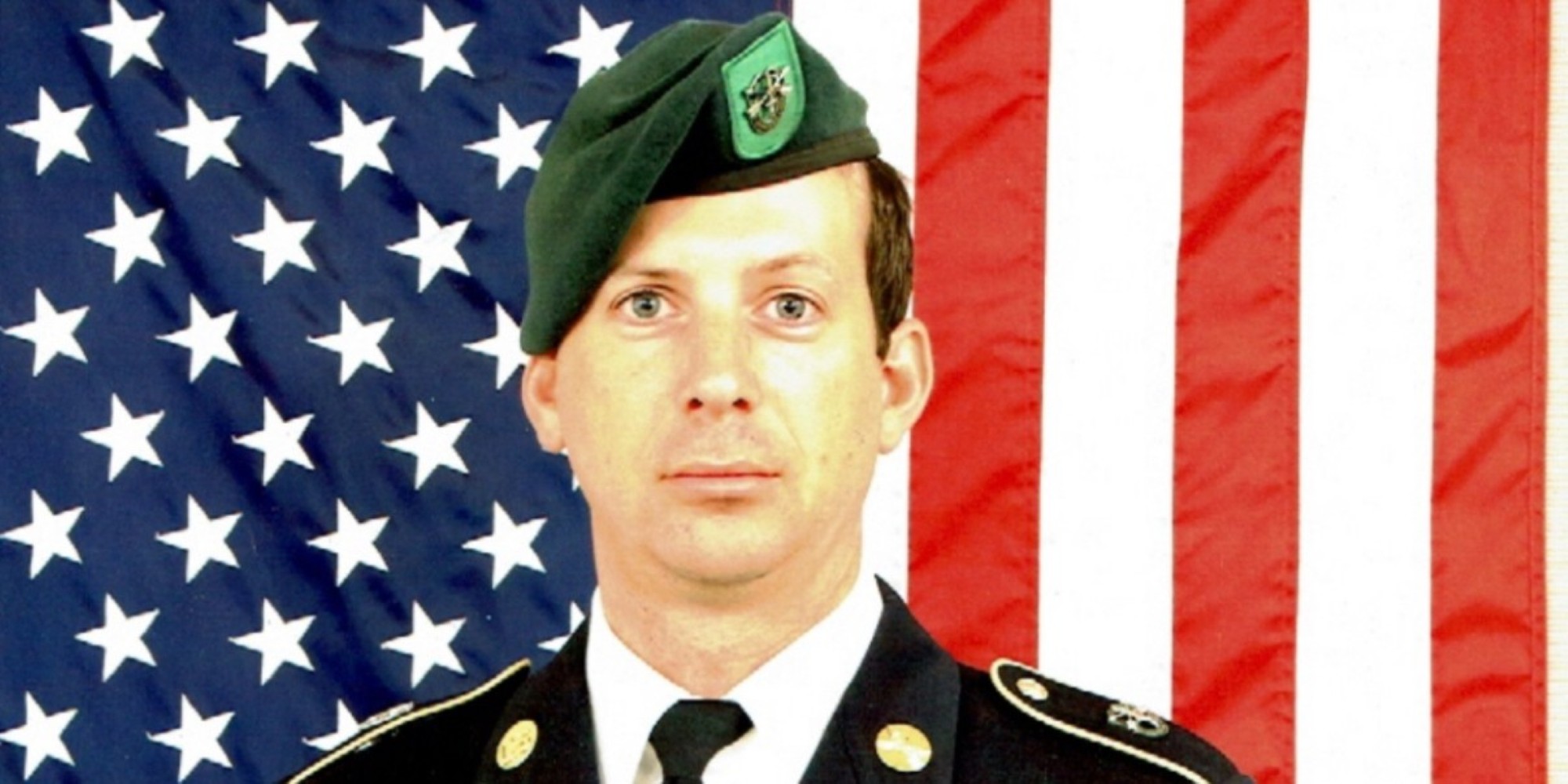
Matthew Tardio’s military career unfolded within that system. Medically retired after more than a decade and a half in U.S. Army Special Forces, Tardio served across the Global War on Terror, including deployments to Iraq, Afghanistan, and East Africa. His service placed him in leadership roles inside some of the most volatile environments of the last two decades, requiring constant decision making where the margin for error was narrow and the consequences enduring.

Those years did not end when he left the uniform behind. They became the lens through which he now views leadership, mental health, and life after Special Forces, as well as how he speaks publicly about responsibility and citizenship.


How Special Forces Defines Leadership

Leadership inside Special Forces bears little resemblance to the version often taught in classrooms or corporate seminars. Teams are small, typically twelve operators, and authority is fluid. Rank exists, but competence and trust matter more. Every team member is expected to lead when conditions demand it.

Army Special Forces doctrine emphasizes decentralized execution. Leaders are trained to make decisions with incomplete information, often without direct oversight. That reality forces humility. No plan survives first contact, and no leader succeeds without listening.

Tardio’s leadership experience includes extended periods operating in hostile environments, including combat operations against ISIS-K in Afghanistan in 2017. During that deployment, he led multiple missions with significant operational impact. The significance of those experiences is not found in metrics, but in the responsibility attached to them. Decisions made in seconds carried consequences long after the mission ended.

That accountability shapes how Tardio defines leadership today. Preparation outweighs presence. Calm matters more than volume. Leadership is measured not by control, but by outcomes and the condition of the team afterward.


Decision Making Under Pressure

Special Forces selection and training are deliberately designed to impose stress. Sleep deprivation. Physical exhaustion. Uncertainty. These conditions are not side effects. They are tools. The objective is not to eliminate fear, but to teach clarity in its presence.

Military research and veteran accounts consistently show that elite units place as much emphasis on psychological resilience as physical performance. Stress inoculation exists because unmanaged stress degrades judgment. Leaders who cannot regulate themselves cannot lead others.

Tardio carried this framework into every deployment. Whether operating in Afghanistan, conducting missions in East Africa, or later contributing to advisory and coordination efforts related to Ukraine, decision making under pressure remained constant. That same discipline now informs his work outside the military, including executive leadership, humanitarian initiatives, and public commentary.

It also informs how he speaks. On his podcast, Speak The Truth, Tardio applies a fact-based, experience-driven approach to national issues, leadership failures, and cultural accountability. The platform reflects a continuation of the Special Forces mindset. Assess reality honestly. Speak clearly. Accept responsibility for what is said.


The Mental Health Cost of Elite Performance

Elite performance carries a cost. Traits that enable success in Special Forces, resilience, self-reliance, and emotional control, can complicate life after service if left unexamined.

Data from the Department of Veterans Affairs and independent research organizations consistently show elevated rates of post-traumatic stress, anxiety, depression, and sleep disorders among combat veterans. Special Forces veterans are not exempt. Repeated deployments, prolonged exposure to threat, and sustained responsibility accumulate over time.

Precision matters here. Not every Green Beret experiences PTSD. Many transition successfully and continue to perform at a high level. But the absence of a crisis does not mean the absence of strain. Mental health exists on a spectrum, and elite performers often operate near its limits.

Tardio is candid about this reality. Medically retired from the Army, he speaks openly on podcasts and at live events about post-traumatic stress, emotional regulation, and the hidden cost of leadership under fire. His advocacy is informed by lived experience, not theory. In Special Forces, mental readiness is monitored because it directly affects performance. Ignoring problems compromises the mission.

After leaving the military, that structure disappears. The responsibility to manage stress becomes individual. Without intention, issues once managed by routine and team oversight can surface later, often quietly.


Losing the Team, Losing the Identity

One of the most under-discussed challenges for Special Forces veterans is identity loss. Service is not simply employment. It is a role, a standard, and a community. Teams provide clarity. Purpose is shared. Expectations are explicit.

When that environment ends, the transition can feel abrupt. The civilian world moves differently. Feedback is indirect. Missions are less defined. The sense of shared consequence fades.

Veteran advocacy research consistently identifies loss of identity and community as major contributors to post-service mental health challenges. Even highly capable individuals can struggle without a mission that aligns with their values.

Tardio approached this transition deliberately. Rather than attempting to replicate military life, he focused on translating its principles. Discipline remained. Accountability remained. Service remained. The setting changed. The values did not.


Rebuilding Purpose After Service

Leadership, Mental Health, and Life After Special Forces: How Former Green Beret Matt Tardio Redefined Identity, Purpose, and Responsibility

Image Credit: Matt Tardio

Mental health professionals consistently point to purpose as a central factor in long-term well-being. For veterans, particularly those from elite units, purpose must be rebuilt intentionally.

For Tardio, that purpose took multiple forms. In 2022, he helped found Global Villages of Hope, a nonprofit organization that applies military planning and logistics principles to build safe, self-sufficient villages for internally displaced widows and orphans in Ukraine. The approach is pragmatic and mission-driven, rooted in security, infrastructure, and long-term sustainability.

He has since returned to the region to support humanitarian coordination efforts and engage with government and nonprofit partners. Earlier in the conflict, Tardio contributed his experience to advisory efforts focused on stabilization, logistics, and leadership support.

Purpose, in this sense, is not symbolic. It is operational.


Leadership in Civilian Life Requires Adaptation

Leadership outside the military requires recalibration. Civilian teams do not share the same baseline experiences. They are not conditioned to operate under constant threat. Directness, essential in combat, can feel abrupt in other environments.

Effective leadership after Special Forces demands flexibility. Listening becomes as important as directing. Context matters. Influence replaces command.

This adaptability is not foreign to Green Berets. They are trained to work across cultures, advise partner forces, and build trust where authority alone is ineffective. Those skills translate naturally into executive leadership, nonprofit governance, and board-level decision making.

As Chief Operating Officer of Battle Springs Ranch and a board member for multiple organizations, Tardio emphasizes leadership as service. Standards matter, but so does understanding the people tasked with meeting them.


Speaking Publicly, Intentionally

Speak The Truth, the podcast Tardio co-hosts alongside fellow combat veteran Robert Terkla, has become an extension of his post-service leadership. The show delivers commentary rooted in firsthand experience, addressing national security, leadership accountability, and civic responsibility.

For Tardio, the platform is not about performance. It is about responsibility. Silence, he believes, carries consequences of its own.


Life After the Green Beret

The Green Beret is not a chapter that closes. It is a framework that endures. For Matt Tardio, life after Special Forces has been defined by continuity rather than replacement.

Leadership expanded beyond combat. Mental health became visible rather than managed in silence. Purpose became self-directed, but no less demanding.

His trajectory reflects a broader truth. Elite performance cannot be sustained indefinitely without care. Recovery and reflection are not indulgences. They are requirements. The military understands this within training cycles. Veterans must learn to apply it independently.

The transition out of Special Forces is not the end of service. For many, it is the beginning of a different kind. One defined not by secrecy or missions, but by responsibility, leadership, and the discipline to speak, build, and lead when the uniform comes off.

Former Navy SEAL Operator Chris Fettes Finds New Mission in Craft Ice Cream

Written by: Dillon Kivo

For much of his adult life, Chris Fettes lived in a world defined by secrecy, discipline, and relentless tempo. He served twelve years in the Navy SEALs, including time inside the Naval Special Warfare Development Group, commonly known as SEAL Team Six. His deployments took him to Iraq, Afghanistan, and Somalia. On one mission, he recalls making a documented 900-yard sniper shot during a major enemy ambush involving IEDs and RPG fire while supporting a clearance operation in the mountains of East Africa, a shot later confirmed in an official award citation.

Today, the demands are different. Instead of preparing for raids or tracking intelligence, Fettes spends his days in a bright kitchen in Virginia Beach, working over mixers and pastry tables. Families file in for handcrafted ice cream, croissants, and fresh pastries. The conversations are quieter. The stakes are gentler. But for Fettes, the calling is no less serious.

“I realized that every time I created something in the kitchen, I felt present again,” he said. “It made me feel like myself.”

The shift from covert operations to craft ice cream seems improbable. Yet for Fettes, the path makes sense when viewed through the long arc of his transition home.

Fettes spoke candidly about that transition in a long-form interview on The Shawn Ryan Show, where he reflected on life after elite service and the personal cost of years spent at war.


After the Teams

Former Navy SEAL Operator Chris Fettes Finds New Mission in Craft Ice Cream

Chris Fettes in night-vision gear from his time in special operations.
Image credit: Courtesy of Chris Fettes

After leaving SEAL Team Six, Fettes worked for six additional years as a contractor with the Sensitive Activities Division of the Defense Threat Reduction Agency. He supported special operations units around the world, moving from one environment to the next without ever fully reestablishing a sense of normal life.

“It took time to understand why I wasn’t feeling better,” he said. “I kept thinking that once I left the military tempo behind, things would settle. Instead, I felt worse.”

The realization arrived gradually. He understood that he wasn’t missing the uniform or the missions. He was missing purpose.

“Guys talk about moving to Montana or buying land somewhere quiet,” he said. “But it doesn’t change anything unless you know what is pulling you forward. Purpose is not a place. It is a direction.”

That insight eventually pushed him toward something he had carried since childhood.


Searching for Direction

Before his grandfather died, Fettes sat beside him and tried to say what he had never said out loud.

“I told him he validated me my whole life,” Fettes said. “He was proud of me when I made it to the command. He was proud of the man I became.”

He also offered an observation that surprised them both.

“I told him that the truest version of him, underneath everything, was the seven-year-old kid he used to be,” he said. “That’s the part of us that survives everything we go through.”

The moment stayed with him, and it returned later when he began experimenting with ice cream recipes at home.


Growing Up Between Worlds

Fettes’ childhood stretched across Japan, the Carolinas, and California. He attended school after school, often as the new kid who had to adapt quickly. He remembers the teasing about being part Japanese, the pressure to blend in, and the way each move required him to recalibrate his identity.

“I changed myself constantly,” he said. “It was survival. You learn to read every room fast.”

When the attacks of 9-11 occurred, he was nineteen and working as a bank teller. Something instinctive pulled him toward the recruiter’s office.

“I didn’t know anything about the SEAL teams,” he said. “I just knew I needed to do something. The recruiter laughed. I signed the contract anyway.”

What began as a search for validation grew into a genuine commitment to service. He took pride in the work, the professionalism of the units, and the men he served beside. But once he left, he found himself without the structure that had absorbed every part of his identity.


Finding Balance at Home

During those early years of transition, fatherhood offered the clearest signal of where he stood.

“If my kids do something and look over to see if I noticed, that one look can fill their whole bucket for the day,” he said. “If I miss it, I can feel it in their behavior immediately.”

He began to measure his own balance through their reactions.

“When I’m stretched too thin or fall back into old habits, I see it in them,” he said. “It tells me exactly when to reset.”

The clarity helped him accept a truth he once resisted.

“I’m grateful to the version of myself who walked away,” he said. “I didn’t realize it then, but it was the right move for my family.”

Former Navy SEAL Operator Chris Fettes Finds New Mission in Craft Ice Cream

Chris Fettes in a candid moment.
Image credit: Courtesy of Chris Fettes


A Return to the Kitchen

Creativity had always been part of Fettes’ life. He cooked with his grandmother and mother, and later brought a commercial ice cream machine on deployments to make desserts for teammates and local children in the villages where they operated.

“It sounds ridiculous, but in the middle of Afghanistan or Somalia, ice cream brought joy,” he said. “It changed the whole energy in the room.”

In 2019, he enrolled in the Penn State Ice Cream Short Course. By then, he had already begun working, and the decision felt risky and uncertain.

“I couldn’t explain it,” he said. “I just knew I had to go.”

Years later, when COVID shut down his routine, he turned his children’s old playroom into a makeshift creamery. He announced pint releases on Instagram, sold out regularly, and eventually began producing enough volume to rent a commercial kitchen.

“None of it was planned,” he said. “But everything about it felt right.”


Turning Craft Into a Business

Be Free Craft Ice Cream grew quickly. Two pastry chefs later approached him to collaborate, leading to a brief expansion into pastries and creamery offerings. The partnership ultimately proved unsustainable and became one of the toughest learning experiences of the first year, reinforcing the importance of trust, controls, and disciplined growth early on.

A longtime friend in Chicago joined as a partner, someone he had known for roughly fifteen years, helping formalize what had once been little more than a hobby.

On opening day, customers filled the shop faster than he expected.

“I dropped to my knees at home afterward,” he said. “It hit me that it worked. It actually worked.”

The store is designed to feel calming, with thoughtful, intentional design, clean lines, and an emphasis on comfort.

“People today are anxious,” he said. “If you can walk into a shop, take a breath, and leave feeling a little lighter, that matters.”


What Comes Next

Fettes is already planning the next phase. Additional brick-and-mortar locations and the parallel development of a consumer packaged goods brand, expanding the business beyond the shop while preserving its identity. 

All of it is grounded in a style he insists cannot be replicated, from storefront experience to packaged product.

“No one can do something the way you do,” he said. “Your style is your advantage.”

He understands the challenges ahead. Staffing. Costs. Culture. Consistency.

“But I have a team I trust,” he said. “That is everything.”


A Different Kind of Service

Strip away the details of ice cream, pastries, and storefronts, and his work today mirrors the impulse that first sent him into the SEAL teams.

“I still serve,” he said. “Only now, I’m serving joy.”

It is not the battlefield he once knew. It is quieter. More grounded. More intentional. Built for families instead of missions. Yet it carries meaning he once thought he might never find again.

“I get to watch people smile,” he said. “There is no agenda, no noise, no conflict. Just a moment where life feels a little better.”

For Fettes, that is enough. And like many missions he once accepted without knowing the destination, this one is unfolding exactly as it should.

Flu Cases Surge Across New York As Hospitalizations Spike Ahead Of The Holidays

New York is entering the heart of the holiday season under mounting public health pressure as influenza hospitalizations climb sharply across the state. Data from the New York State Department of Health shows a rapid week-to-week increase in flu-related hospital admissions, with roughly 1,400 hospitalizations reported in the most recent update, representing an increase of about 75% compared with the previous week. Health officials say the numbers confirm that flu is now prevalent statewide, arriving earlier and spreading faster than many seasonal patterns would normally predict.

The surge is already being felt in emergency rooms and inpatient units, particularly as hospitals balance flu cases alongside other winter respiratory illnesses. While flu activity tends to rise in December, the speed of this increase has raised concerns about capacity and staffing during a period traditionally strained by travel, gatherings, and weather-related disruptions.

Why Are Flu Hospitalizations Rising So Quickly In New York?

Several factors are converging to drive the current spike. One is timing. This flu season began earlier than usual, with widespread transmission established before Thanksgiving. That early momentum has carried into December, allowing the virus to circulate widely before many people adjusted their routines or took preventive steps associated with peak flu months.

Another factor is the dominant strain circulating this season. Public health surveillance indicates that influenza A strains linked historically to higher hospitalization rates are accounting for a large share of cases. These strains tend to spread efficiently in indoor settings and are more likely to cause complications among older adults, young children, and people with underlying health conditions. As a result, a greater percentage of infections are translating into hospital admissions rather than remaining mild.

Behavioral patterns also play a role. Colder weather pushes more activity indoors, increasing close contact in workplaces, schools, transit systems, and homes. Holiday events further amplify that exposure. Family gatherings, shopping crowds, and seasonal travel create ideal conditions for respiratory viruses to move quickly between households and communities.

What Do The Latest New York State Health Numbers Show?

According to the New York State Department of Health, influenza is now classified as prevalent across all regions of the state. Surveillance data collected through late November and early December show tens of thousands of laboratory-confirmed flu cases reported so far this season, with all 62 counties affected. Hospitalizations have nearly doubled over recent reporting periods, a signal that the illness is not only spreading but doing so with enough severity to require medical care.

In New York City, flu-related illness has accounted for a growing share of emergency department visits, reflecting broader statewide trends. Regional data suggests that some counties are experiencing sharper increases than others, but no area is unaffected. Health officials emphasize that these figures likely underestimate total infections, since many people with mild symptoms do not seek testing or treatment.

The concern is less about a single week’s spike and more about the trajectory. If hospitalizations continue rising at the current pace through late December and early January, hospitals could face sustained pressure during a time when staffing levels are often reduced due to holidays.

How Could This Flu Surge Affect Schools And Holiday Plans?

Flu Cases Surge Across New York As Hospitalizations Spike Ahead Of The Holidays

Photo Credit: Unsplash.com

Schools are among the most immediate pressure points. Flu spreads efficiently in classrooms, particularly among younger children who may not consistently follow hygiene practices. As case counts rise, schools may see higher absentee rates among students and staff, potentially disrupting schedules in the final weeks before winter break or shortly after the new year.

Holiday gatherings present a different challenge. Multigenerational events bring together people with varying levels of vulnerability, increasing the risk that flu spreads from those with mild symptoms to relatives more likely to develop complications. Health officials have cautioned that even short indoor gatherings can be enough to transmit the virus when community spread is high.

Travel adds another layer of risk. Airports, trains, and buses concentrate large numbers of people in enclosed spaces, making them efficient channels for virus transmission. For New York residents traveling in or out of the state, this raises the likelihood that flu cases will continue to circulate well into January.

Which Groups Face The Highest Risk Right Now?

While flu can affect anyone, current hospitalization data points to heightened risk among older adults, young children, pregnant individuals, and people with chronic conditions such as heart disease, asthma, or diabetes, these groups are more likely to experience severe symptoms, pneumonia, or complications requiring hospitalization.

Healthcare providers across New York have reported that some patients are delaying care, assuming symptoms will pass on their own. Officials warn that waiting too long can increase the risk of complications, particularly for high-risk individuals. Early medical evaluation can be critical in reducing the severity and length of illness.

What This Means For New York’s Health System

The rapid increase in flu hospitalizations is testing hospital preparedness at a sensitive time. Winter weather already complicates staffing and logistics, and the holidays reduce flexibility in scheduling. While hospitals routinely plan for seasonal flu, the current pace of increase requires close monitoring to ensure beds, supplies, and personnel remain available.

State health officials have emphasized coordination with hospitals to track capacity and manage surges. The goal is to prevent localized strain from escalating into broader system stress, especially if flu activity continues to rise alongside other respiratory viruses.

How This Flu Season Compares To Recent Years

Compared with recent flu seasons, the current pattern stands out for its early acceleration. In some previous years, flu hospitalizations peaked later in winter, giving health systems more time to adapt. This season’s earlier surge compresses that timeline, creating challenges sooner than expected.

While it remains unclear how high hospitalizations will climb, officials note that early prevalence often correlates with a longer season rather than a shorter one. That raises the possibility that elevated flu activity could persist into the first months of the new year.

For now, the data paints a clear picture. Influenza is spreading rapidly across New York, hospitalizations are rising at a notable pace, and the timing coincides with increased social contact during the holidays. Health officials continue to monitor trends closely, warning that the next few weeks will be critical in determining how heavy the burden becomes for communities and hospitals statewide.

How Avatar: Fire And Ash Raises The Emotional Stakes Of The Franchise

James Cameron has never been subtle about ambition, but Avatar: Fire and Ash represents a noticeable shift in how that ambition is expressed. Earlier films leaned heavily on visual awe and immersive world building, asking audiences to marvel first and process later. This third chapter changes the balance. The spectacle is still there, but it now serves a story that is darker, heavier, and far more emotionally demanding. Fire and Ash is not content to expand Pandora geographically. It expands the consequences of living there, especially for the Sully family, who are no longer reacting to conflict but carrying its long-term weight.

The title itself signals that tonal change. Fire suggests destruction, anger, and irreversible change. Ash implies what remains after something vital has burned away. That framing is reflected throughout the film, which treats loss as cumulative rather than momentary. Instead of resetting emotional stakes at the end of each installment, Fire and Ash allows grief, guilt, and resentment to linger. The result is an Avatar film that feels less like a standalone event and more like a turning point.

Why Does Fire And Ash Feel Darker Than The Previous Avatar Films?

The emotional tone of Fire and Ash is shaped by its refusal to soften consequences. In the first two films, conflict often arrived in explosive bursts followed by moments of unity or renewal. Here, the damage does not fade once the battle ends. Characters carry trauma forward, and their choices are shaped by what they have already lost. Cameron has described the film as one where actions matter long after they are taken, and that idea is embedded deeply into the narrative structure.

This darker tone also comes from the way Pandora itself is portrayed. The environments tied to fire are not simply new visual playgrounds. They are hostile, unstable, and morally complex. These regions are not easily aligned with the spiritual purity traditionally associated with the Na’vi. Instead, they introduce cultures and survival strategies that challenge the ideals Jake Sully once embraced without question. Pandora is no longer a place where harmony is assumed. It is a place where survival can demand uncomfortable compromises.

The film’s pacing reinforces this heaviness. Emotional beats are allowed to stretch, sit, and sometimes remain unresolved. Silence is used more deliberately. Characters hesitate, argue, and retreat inward rather than charging forward with certainty. That restraint makes the eventual confrontations feel less triumphant and more tragic, emphasizing cost over victory.

How Does The Film Change Jake Sully And Neytiri As Characters?

Jake Sully in Fire and Ash is no longer learning how to belong. He belongs, and that makes his failures harder to escape. Leadership now comes with accountability, and the film repeatedly places Jake in situations where no option feels morally clean. His decisions ripple outward, affecting not just his immediate family but entire communities. This version of Jake is quieter, more conflicted, and visibly worn down by responsibility.

Neytiri’s arc is even more emotionally charged. Fire and Ash allows her grief to take center stage rather than framing it as a temporary obstacle. Her anger is not treated as a flaw to be corrected but as a natural response to accumulated loss. The film explores how grief reshapes identity, especially for someone whose connection to land and ancestry is deeply spiritual. Neytiri’s strength remains, but it is sharpened by pain rather than hope.

Together, Jake and Neytiri feel less like mythic heroes and more like parents and leaders struggling to keep their family intact while the world around them fractures. Their relationship is tested not by external temptation but by internal exhaustion. That emotional realism grounds the film, making even its most fantastical moments feel personal.

What Role Do New Conflicts Play In Raising The Stakes?

The central conflict of Fire and Ash does not rely solely on familiar human versus Na’vi dynamics. While human exploitation remains present, the film introduces ideological fractures within Pandora itself. Different groups respond to encroaching threats in radically different ways, and those responses are not easily categorized as right or wrong. Some choose aggression, others isolation, and some uneasy cooperation.

This internal tension raises the stakes by removing the comfort of moral clarity. Jake’s earlier victories were built on clear lines between oppressor and defender. In Fire and Ash, those lines blur. Protecting one group can endanger another. Preserving tradition can sometimes mean embracing violence. The film does not rush to resolve these contradictions, allowing them to exist as ongoing sources of tension.

Fire becomes a recurring symbol in these conflicts. It represents both resistance and destruction, warmth and annihilation. By tying emotional arcs to this symbol, the film reinforces its central message: power always leaves residue, and what survives afterward is rarely untouched.

Why Is Fire And Ash A Turning Point For The Avatar Saga?

Every long-running franchise reaches a moment where escalation alone is no longer enough. Bigger battles and louder explosions stop carrying meaning unless the emotional framework evolves. Fire and Ash functions as that evolution point for Avatar. It shifts the series from discovery to reckoning.

This installment also repositions future films. Rather than teasing new locations as mere spectacles, it frames them as emotional landscapes shaped by past decisions. The groundwork laid here suggests that upcoming chapters will deal less with the introduction and more with the consequences. Characters are no longer protected by narrative optimism. Survival is uncertain, and moral victory is no longer guaranteed.

That shift gives the franchise longevity. By allowing its characters to change in irreversible ways, Avatar moves closer to serialized storytelling rather than episodic spectacle. Viewers are invited to track emotional continuity, not just visual innovation.

How Does Emotional Weight Strengthen Avatar’s Cultural Impact?

The original Avatar films were often discussed in terms of technology and scale. Fire and Ash invites a different conversation, one centered on grief, leadership, and the cost of resistance. Those themes resonate beyond Pandora because they mirror real-world experiences of communities facing long-term disruption.

By grounding its story in emotional endurance rather than novelty, the film becomes more relatable. Viewers may not live on an alien moon, but they understand the feeling of carrying unresolved loss or making decisions with no clear victory. That relatability strengthens the film’s staying power and broadens its appeal beyond visual spectacle enthusiasts.

Avatar: Fire and Ash does not abandon what made the franchise successful. It refines it. The visuals still astonish, but they now serve a story willing to sit with discomfort and uncertainty. In doing so, the film transforms Avatar from a cinematic event into an evolving emotional saga, one where fire does not just destroy but reveals what remains when the spectacle fades.

Long Island’s Ramen Moment Puts New York on the National Food Map

For decades, New York’s food identity has been defined by staples like pizza, bagels, and fine-dining institutions. Ramen, while deeply embedded in the city’s dining culture, has often lived in the shadow of those icons. That perception is starting to shift. A recent national ranking has pushed Long Island and the wider New York ramen scene into the spotlight, signaling a broader change in how American diners view where top-tier ramen can come from.

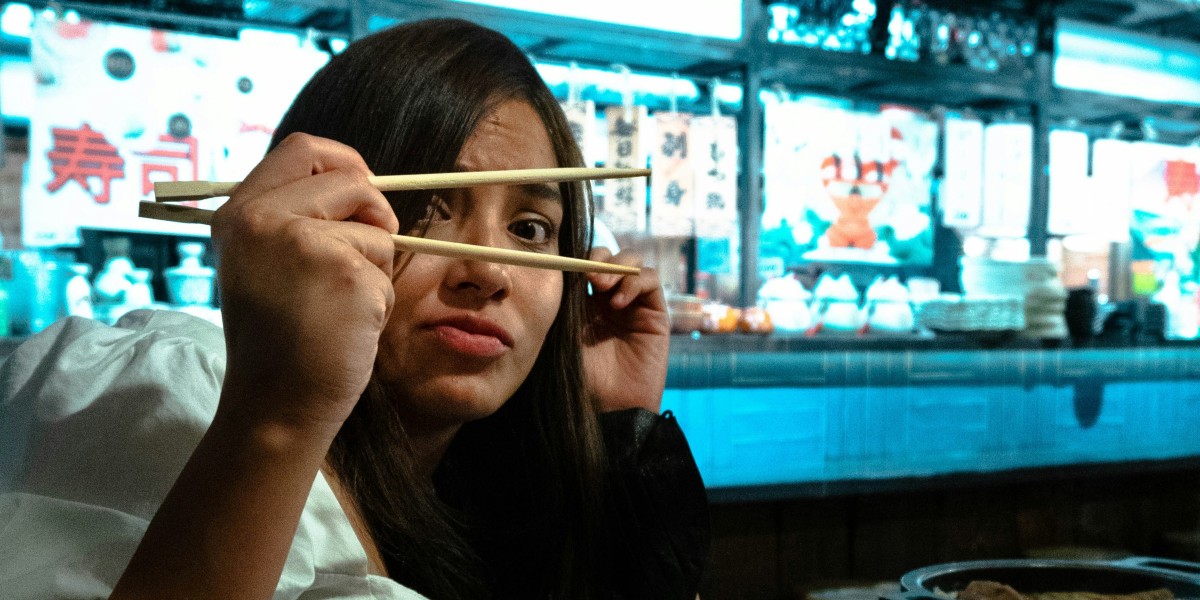
Yelp’s newly released Top 100 Ramen Shops in the U.S. placed Youta Ramen in Mineola, Long Island, at No. 2 nationwide, ahead of dozens of highly regarded shops in traditional food capitals. The ranking does more than celebrate a single restaurant. It reflects how ramen culture in New York, stretching from suburban Long Island to Queens and Brooklyn, has reached a level of consistency, creativity, and craftsmanship that now competes on a national scale.

Why Did A Long Island Ramen Shop Rank No. 2 In The U.S.?

Youta Ramen’s rise to No. 2 on Yelp’s national list was driven by a mix of technical execution and sustained customer approval. Yelp’s methodology emphasizes real diner behavior, including review volume, star ratings, and consistency over time. This makes the ranking less about hype and more about repeatable quality.

Diners consistently highlight Youta’s broth as a defining feature. The tonkotsu base is slow-simmered until it reaches a creamy, opaque depth that coats the palate without feeling heavy. The noodles, sourced from Sun Noodles, strike a balance between firmness and elasticity, holding their structure while absorbing flavor. Toppings like chashu pork, soft-boiled eggs, and house-made elements are treated as integral components rather than afterthoughts.

What sets Youta apart is restraint. The flavors are rich but controlled, avoiding the excess that sometimes characterizes ramen built for social media rather than long-term appeal. That discipline mirrors the approach found in respected ramen shops in Japan, where balance often matters more than intensity.

What This Ranking Says About New York’s Ramen Scene

The success of a Long Island ramen shop is not an isolated moment. Several New York restaurants earned spots on Yelp’s Top 100 list, reinforcing the idea that the state’s ramen culture runs deep. In Queens, Susuru Ramen in Astoria drew national attention for its chicken-based cream broth, offering an alternative to pork-centric styles while maintaining the richness ramen fans expect.

These placements point to a broader pattern. New York’s ramen scene benefits from cultural diversity, access to high-quality ingredients, and a customer base willing to explore nuanced variations. Chefs are no longer limited to replicating one regional Japanese style. Instead, they blend tradition with adaptation, reflecting both Japanese technique and the tastes of a global city.

This diversity has allowed ramen in New York to evolve beyond novelty status. It has become a serious culinary category, capable of sustaining suburban locations, neighborhood shops, and destination restaurants alike.

How Yelp’s Rankings Reflect Real Dining Trends

Unlike critic-driven lists, Yelp’s rankings rely heavily on consumer behavior. High placement requires not just initial buzz, but ongoing approval from a broad audience. That distinction matters in understanding why a Long Island shop could outperform competitors in cities like Los Angeles or San Francisco.

Ramen’s popularity has matured. Diners now recognize differences in broth styles, noodle textures, and preparation methods. They return to places that deliver consistency rather than spectacle. Yelp’s data captures that shift, rewarding restaurants that perform well over time rather than those that spike briefly in attention.

For New York, this is significant. It suggests that ramen has moved from being a niche craving to a reliable part of everyday dining culture, capable of sustaining excellence across boroughs and suburbs.

What National Recognition Means For Long Island And Beyond

Long Island’s inclusion at the top of a national food ranking challenges long-held assumptions about where serious culinary innovation happens. Suburban restaurants are often overlooked in favor of dense urban cores. Youta Ramen’s recognition disrupts that narrative, showing that location matters less than execution and vision.

This moment also carries economic and cultural weight. National attention can increase food tourism, draw new customers, and validate years of quiet work by chefs who have been refining their craft without widespread recognition. For the broader New York food ecosystem, it reinforces the idea that excellence is distributed, not centralized.

The recognition also adds to New York’s evolving food identity. Alongside established reputations in fine dining and classic street food, ramen now claims space as an area where the state competes at the highest level.

Is Ramen Becoming A Core Part Of New York’s Culinary Identity?

Ramen’s ascent mirrors changes in how Americans eat. Once considered specialty cuisine, it has become a comfort food that rewards both casual visits and deep appreciation. New York’s ability to support multiple ramen styles across neighborhoods and regions suggests long-term staying power rather than a passing trend.

For longtime New Yorkers, this recognition may feel overdue. For newcomers, it reframes expectations of where to find nationally respected food. And for the chefs behind these kitchens, it signals that careful technique and consistency can earn attention even without celebrity backing.

As rankings like Yelp’s continue to shape dining conversations, one thing is clear. Ramen is no longer operating on the margins of New York’s food scene. With Long Island now firmly in the national conversation, the state’s role in shaping America’s ramen culture is no longer up for debate.