Tatyana Iordan: Redefining Elegance with Her Unique Approach to Personal Image

By: Alva Ree

Tatyana Iordan’s journey to becoming a renowned image expert started with a quest to find joy and purpose. She realized early on that the fulfilling and profitable work is often a hobby turned into a business. Since childhood, Tatyana found immense pleasure in transforming her friends and sisters through fashion—selecting outfits, creating hairstyles, and applying makeup. This passion would later become the foundation for her professional success.

When Tatyana began developing her Instagram presence and choosing the focus of her blog, she discovered that confidence, beauty, and elegance were her personal values and the principles she wanted to share with others. This marked the beginning of her purposeful career as an image expert.

Her Master’s Degree in Law gave her essential skills in structuring information, creating clear action plans, and employing analytical thinking. These capabilities have become crucial in her work as Tatyana dives deep into her client’s needs and desires, offering a high level of service based on professionalism and attention to detail.

Tatyana’s approach to image consulting extends far beyond just clothing. She believes that a person’s overall presence—body language, etiquette, manners, and self-presentation—plays a crucial role in building confidence. Her goal is to help individuals feel comfortable in any setting, whether in sportswear or a designer gown. For Tatyana, developing an elegant style is just the final touch, as classic elegance is timeless.

Her method is rooted in understanding her clients’ weaknesses and determining where to focus their development. For example, a stylish woman might need more work on her etiquette or body language. Tatyana prioritizes addressing those areas in these cases, ensuring that her clients present themselves confidently and effectively in all situations.

What sets her apart is her unique course, “The Key to Your Confidence,” which combines external transformations with deep internal development. Through this course, Tatyana helps women curate their personal style and build self-esteem, confidence, and an awareness of their values. Tatyana teaches graceful movement, mastery of body language, impeccable manners, and refined taste. When women complete the course, they gain confidence and a renewed sense of direction, helping them feel more in control of their personal journey.

One of the common issues Tatyana addresses with her clients is insecurity, often related to poor manners, lack of knowledge of etiquette, or discomfort with body language. These women seek to improve their self-presentation to enhance their careers and personal lives. Her course helps them control their movements, improve posture, master small talk, and gracefully navigate social situations. Her work promotes a sense of elegance and confidence that can be felt in many areas of life.

Tatyana teaches her clients how to behave in various environments, from business meetings to social events. Many people mistakenly think etiquette is overly formal or pompous, but Tatyana emphasizes that it’s about showing respect, tact, and attention in communication. Real success comes when her students express themselves confidently in all areas of life, becoming role models of elegance and sophistication.

Tatyana’s main advice for women aspiring to gain confidence is simple: love yourself and identify the areas where you lack confidence. Start working on those areas first. She says posture is the foundation of trust, whether in personal or professional life.

One common mistake women make is neglecting the little details that complete their image. Everything matters, from hairstyle and makeup to manicures and well-maintained shoes. These small touches contribute to the overall impression a woman leaves behind. Posture, communication skills, and manners are critical elements in presenting oneself as confident and chic.

In Tatyana’s view, being a woman today is about mastering the balance between inner strength and external elegance. It’s the art of expressing individuality while maintaining grace, sophistication, and self-respect.

Tatyana’s essential tips for young women:

  • Love and value yourself.
  • Continuously develop and work on yourself.
  • If you want a successful career and a fulfilling personal life, start with self-improvement.


As Tatyana often says, when you work on yourself, the right people and opportunities will naturally come your way.

Her ultimate dream is to see more people who know their worth, treat others with respect, and stand out from the crowd—many of whom, she hopes, will have learned these skills from her guidance. Tatyana finds inspiration in psychology books, stories of successful women, and films that emphasize internal transformation. She firmly believes that nothing is impossible with a dream and the determination to achieve it.

One of her favorite quotes is, “There are no ugly women in the world. There are only those who haven’t yet learned to love and care for themselves.” This belief underscores her work, helping women of all backgrounds unlock their true potential and shine with elegance and confidence.


Published By: Aize Perez

Outsourcing vs In-House Angular Development: Which Is Right for You?

If you’re looking to develop a web app, Angular is likely one of the frameworks you’re considering—or perhaps already committed to. With its powerful features and ability to build scalable, dynamic applications, it’s become the go-to for many businesses. But once you’ve chosen Angular, another crucial decision remains: should you build your Angular project in-house, or should you outsource it? This question is tricky because both options have their benefits and challenges.

Let’s break down the pros and cons of in-house Angular development versus outsourcing Angular projects, so you can decide which path works best for your business.

The In-House Angular Development Route

Developing your Angular project in-house means building your own team of developers who work under your roof. They’ll have direct involvement in the day-to-day progress of your application.

Pros of In-House Development

One of the most appealing things about keeping development in-house is control. Since the team works closely with you, you have direct access to make real-time changes and keep the project on track according to your preferences.

An in-house team will be immersed in your company’s culture, goals, and priorities. They’ll likely have a better understanding of your business, industry, and customer needs, which can translate into a tighter alignment with your overall strategy.

Having your own team means your developers are always available. If there’s an emergency or a sudden shift in priorities, you don’t have to wait, as they are ready to fix any issues right away.

Cons of In-House Development

Building and maintaining an in-house team is expensive. You’ll need to account for not just salaries but also benefits, office space, and the technology tools required to get the job done. Recruiting Angular developers can also be a challenge, especially when competing with the top Angular development companies.

While your in-house team might be skilled, they may lack the expertise you would get from outsourcing to specialists. An in-house team could struggle to stay current with the latest Angular trends, frameworks, and tools, as their exposure to your internal projects is limited.

If you don’t already have an Angular team, hiring and training one can be time-consuming. It can take months to find and onboard the right talent, delaying your project timelines.

The Outsourcing Angular Development Route

Outsourcing means working with a third-party company, known for its expertise in building modern applications.

Pros of Outsourcing Angular Development

One of the primary reasons businesses opt for Angular project outsourcing is the potential for cost savings. You can save money by not hiring full-time employees and take advantage of the lower costs that outsourcing companies often offer, especially if you work with a global firm.

Outsourcing gives you access to a larger pool of experts specialized in the Angular framework. Top Angular development companies are dedicated to staying ahead of the curve, meaning they bring with them the latest knowledge, techniques, and tools to your project.

Since outsourcing companies typically have large teams with a wide range of skills, they can scale your project quickly, which means faster delivery times. You also avoid the delays of hiring and onboarding, allowing you to hit the ground running.

When you outsource Angular development, you can focus on your core competencies instead of technical details. You’ll have more time to invest in other areas of your business, like marketing, sales, and customer service, while the outsourced team handles the app-building.

Cons of Outsourcing Angular Development

Outsourcing means handing over a level of control to an external company. Even with regular updates and check-ins, you won’t have the same day-to-day influence as you would with an in-house team. This might be uncomfortable for businesses that like to have a hands-on approach.

Depending on where your outsourced team is located, there might be time zone differences, language barriers, or simply different working styles. These can slow down communication and make it harder to manage the project effectively.

When you outsource to top Angular companies, you usually get a high-quality product. However, there’s a risk of working with a less experienced provider. That’s why it’s important to thoroughly check potential partners and make sure their track record meets your needs.

Final Thoughts

Whether you go with in-house development or choose Angular project outsourcing, what matters most is aligning your decision with your business goals. If you’re working with one of the top Angular development companies, you’ll likely get a fantastic result either way. Just be sure to weigh the pros and cons of each approach before making your decision!


Published By: Aize Perez

Ways on How to Start Pharmaceutical Business by Leveraging CRM for Growth

Are you thinking about starting a pharmaceutical business or improving your existing one? Success in this competitive field relies on building strong relationships with customers.

A great way to achieve this is by using CRM (Customer Relationship Management) tools. In a fast-changing market, adapting and staying ahead is crucial, and a CRM system can help you do just that.

Let’s look at how to start a pharmaceutical business with CRM to grow your business!

Utilize CRM to Gather and Analyze Valuable Customer Data

The pharmaceutical industry is very competitive. To stand out and grow, businesses need to make good use of customer relationship management (CRM) tools. By using CRM to collect and analyze customer data, companies can gain insights into their target market.

This information can help with the following:

  • create targeted marketing campaigns
  • identify customer preferences
  • enhance overall satisfaction


Analyzing customer data also supports informed decisions about the following:

  • product development
  • pricing strategies


By utilizing CRM, pharmaceutical businesses can boost customer engagement and drive long-term growth and success.

Use CRM to Streamline Your Sales Process

By leveraging CRM, pharmaceutical companies can efficiently manage the following:

  • customer interactions
  • track leads
  • organize data


In turn, this results in a more streamlined sales process. This enables businesses to identify potential customers, analyze their needs and preferences, and tailor their marketing efforts accordingly. With the help of CRM, businesses can also do the following;

  • track sales activities
  • gain valuable insights
  • make data-driven decisions for further growth


In today’s competitive market, utilizing CRM can give pharmaceutical businesses a significant advantage in driving growth and achieving success.

Leverage CRM to Enhance Customer Service

As a pharmaceutical business looking to establish itself in a competitive market, leveraging CRM (Customer Relationship Management) to enhance customer service could be the key to success. With the use of a CRM system, businesses can efficiently manage and analyze customer interactions. In turn, this can lead to improved customer satisfaction.

By understanding the buying patterns and preferences of customers, pharmaceutical companies can tailor their products and services to better meet their needs. This strengthens customer loyalty and also attracts new clients through favorable word-of-mouth referrals.

Leveraging CRM streamlines and optimizes operations. It can also create a positive brand image, making it a valuable tool for business growth.

Utilize CRM to Identify and Prioritize High-Value Customers

By implementing a CRM system, businesses can identify and prioritize high-value customers, which can lead to the following:

  • increased sales
  • revenue


These new life sciences CRM systems offer unique features specifically tailored for the pharmaceutical industry. This makes it easier to do the following:

  • track customer data
  • manage relationships
  • analyze sales patterns


With the use of these advanced CRMs, businesses can better understand their customers’ needs and preferences. This allows them to tailor their products and services to meet their demands. For example, by utilizing
 these life sciences CRM, pharmaceutical businesses can stay ahead of the competition and achieve sustainable growth.

Learn How to Start Pharmaceutical Business by Leveraging CRM Strategies

Leveraging a CRM system is essential for the growth and success of any pharmaceutical business. By efficiently managing customer relationships and data, businesses can streamline their processes and make data-driven decisions.

With its numerous benefits, implementing a CRM system is a crucial step for any aspiring pharmaceutical business. Don’t hesitate, start to learn how to start a pharmaceutical business by leveraging CRM today and watch your business thrive!

Looking for more tips and advice? You’re in the right place! Make sure to bookmark our page and come back to check out more interesting articles.

Published by: Holy Minoza

Overcoming Bullying: Strategies for Parents and Teachers

By: Jason Gerber 

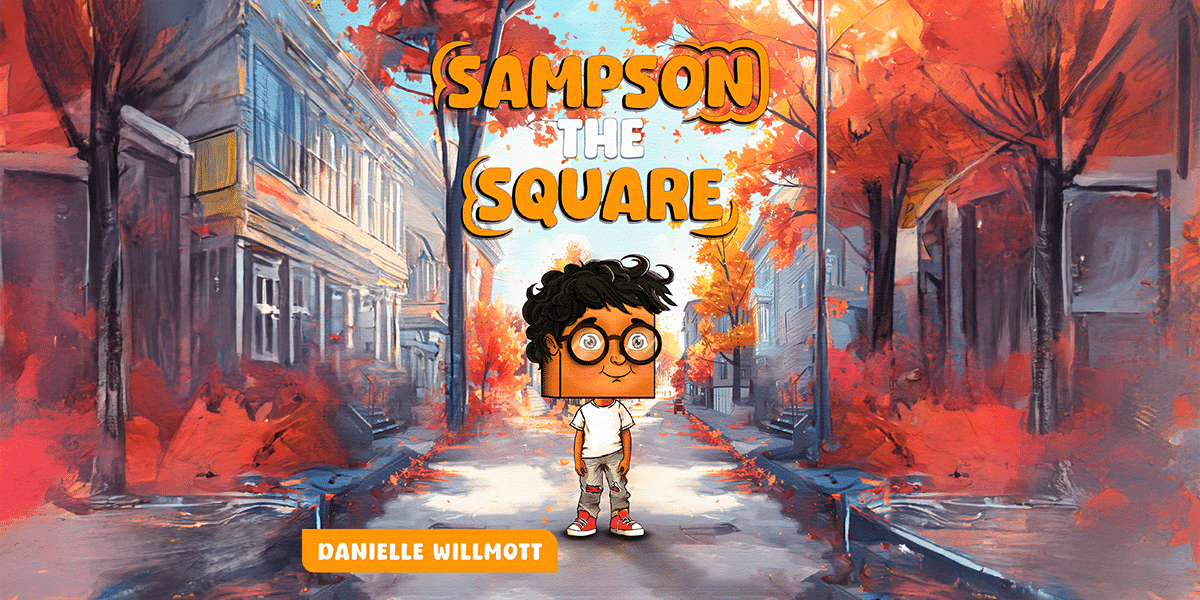
Bullying can be a challenging experience for children, often leading to emotional distress and impacting their confidence. It may also contribute to difficulties in school, making it important for parents and educators to address the issue thoughtfully. In the book “Sampson the Square,” we see a clear example of bullying when a shape called Hexagon yells at Sampson, “Stop being so square!” This hurtful comment made Sampson feel even more out of place in his new town. The good news is that parents, teachers, and students can all take steps to address and prevent bullying.

To effectively address bullying, we must prioritize empathy and kindness. In “Sampson the Square,” Sampson feels lonely and different in his new environment. His challenge is something many children face when they move to a new place or start at a new school. This book showcases how essential it is for parents and teachers to create an inclusive and accepting environment for all students.

Parents play an important role in supporting their children when it comes to handling bullying. A helpful approach is maintaining open communication, where parents regularly talk with their children about their day, friendships, and any concerns they might have. This creates an environment where children feel comfortable sharing their experiences.

Parents should also teach their children how to respond to bullying. They can role-play different scenarios with their children, showing them how to stay calm and confident when faced with a bully. They can practice saying things like, “I don’t like what you’re doing,” or walking away and finding an adult. Encouraging children to seek help from teachers or other trusted adults is also crucial.

Teachers play an important part in addressing bullying. By fostering a classroom atmosphere that emphasizes respect and kindness, they can help create a positive environment. Encouraging these values within the classroom can contribute to a more supportive and inclusive space for all students. In the book, Sampson’s teacher, Ms. G. Ometry, plays an important role. She pairs Sampson with an older student, Pentagon, who becomes a mentor and friend. This type of proactive approach can help children feel more connected and less isolated.

Teachers should establish clear rules about bullying and enforce them consistently. They can also include lessons about empathy, respect, and the effects of bullying in their curriculum. Group activities where children are encouraged to work together can foster friendship and understanding. It’s important for teachers to be observant and to step in when they see bullying occurring. Immediate intervention can stop bullying in its tracks and show students that such behavior is not tolerated.

Students themselves can make a big impact. By being kind and inclusive, they can help create a positive school environment. Encouraging children to stand up for themselves and others is key. If a student sees someone being bullied, they should feel empowered to tell a teacher or another adult. Friends can also support one another by staying together and speaking up if someone is being mean.

In “Sampson the Square,” Sampson finds comfort and joy in activities he enjoys, like writing in his journal and playing games with his mom. Parents and teachers can encourage children to engage in activities that build their self-esteem and provide a sense of belonging. Whether it’s sports, arts, or clubs, these activities can help children feel more confident and less vulnerable to bullying.

Preventing bullying requires a community effort. Schools can hold workshops and events that focus on bullying prevention and the importance of kindness. Inviting guest speakers, like the character Mr. Pyramid in the book, can provide new perspectives and encourage students to think about their actions and the impact they have on others.

It’s also helpful to involve parents in these efforts. Schools can host meetings and provide resources to help parents understand how they can support their children. Creating a strong partnership between parents and teachers can ensure that children receive consistent messages about kindness and respect at both home and school.

Final Words

Dealing with bullying involves multiple steps and the collective efforts of parents, teachers, and students. The book “Sampson the Square” serves as a gentle reminder of the importance of empathy and support. By fostering open communication, teaching children how to respond to bullying, creating a positive school environment, and encouraging students to be kind and inclusive, we can help children like Sampson feel secure and valued.

Together, we can build a community where every child has the opportunity to thrive without the fear of bullying. If you want to explore these themes further and share them with the children in your life, consider reading “Sampson the Square” for an insightful and heartwarming perspective.


Published by: Khy Talara

Why White Chocolate Deserves a Place in Your Gourmet Dessert Recipes

White chocolate has often been overshadowed by its darker counterparts, but it holds its own unique place in the world of desserts. With its creamy texture and mild, sweet flavor, white chocolate offers a versatility that can transform your gourmet recipes. If you’re seeking a fresh twist in your culinary creations, adding white chocolate could be the perfect way to elevate them. Here’s why white chocolate deserves to shine in your gourmet kitchen.

1. A Creamy Canvas for Creativity

White chocolate’s neutral yet sweet flavor makes it an excellent canvas for dessert experimentation. It pairs effortlessly with a variety of flavors, from fruits to spices. Unlike dark or milk chocolate, which can overpower other ingredients, white chocolate enhances them, allowing more delicate flavors to come through. This makes it a great base for unique creations such as white chocolate mousse, truffles, or even tarts.

Incorporating white chocolate into your cooking doesn’t have to be difficult. For high-quality options, you can explore the collection at Compartes White Chocolate. They offer an array of handcrafted white chocolate bars that combine unique flavors, perfect for gourmet desserts and everyday treats. Their artisanal products ensure you get excellent quality, whether you’re baking or indulging in a sweet snack.

2. The Perfect Balance in Sweetness

One common misconception about white chocolate is that it’s overwhelmingly sweet. However, when used correctly in gourmet recipes, white chocolate offers the perfect balance of sweetness. It can mellow out tangy fruits like raspberries or citrus while adding a creamy texture to desserts. Incorporating white chocolate can add sophistication to simple dishes like fruit salads or cookies, giving them an elevated edge.

3. A Complement to Fruit-Based Desserts

White chocolate pairs beautifully with a variety of fruits, which is one of the reasons it works so well in gourmet desserts. Its creaminess softens the tartness of berries, the sharpness of citrus, and the boldness of tropical fruits like mango or passionfruit. It brings balance and indulgence, whether drizzling white chocolate over a fruit tart or creating a white chocolate dipping sauce for fruit skewers.

4. Smooth, Melt-In-Your-Mouth Texture

One of the most appealing qualities of white chocolate is its smooth, luxurious texture when melted. Unlike some other forms of chocolate, white chocolate melts seamlessly into ingredients, giving sauces and ganaches a rich, velvety finish. This texture is perfect for frosting cakes, filling éclairs, or adding a touch of decadence to ice cream and sorbets.

5. The Secret Ingredient in Baking

If you’re wondering why your favorite bakery treats taste so indulgent, white chocolate might be the secret ingredient. In many gourmet recipes, bakers use white chocolate to add moisture and flavor to cakes, cookies, and brownies. The fat content in white chocolate helps create a richer, creamier texture in baked goods, while its subtle flavor enhances without overwhelming other ingredients.

6. Pairing White Chocolate with Spices

A little-known fact is that white chocolate pairs wonderfully with spices. When combined with spices like cinnamon, nutmeg, or cardamom, it creates an exotic, aromatic dessert. Think white chocolate chai truffles or white chocolate spiced cake. The blend of sweetness and spice adds depth to your desserts, taking them from everyday treats to gourmet delights.

7. Infusing White Chocolate with Unique Flavors

One of the exciting things about white chocolate is how easily it can be infused with other flavors. For a twist in your gourmet recipes, try infusing white chocolate with lavender, mint, or even chili. Infused white chocolate can be used in ganaches, frostings, or as a filling for pastries, giving your desserts a sophisticated and personalized touch.

8. Creating Decorative Elements with White Chocolate

In the world of gourmet desserts, presentation is just as important as taste, and white chocolate offers endless decorative possibilities. It can be molded into beautiful shapes, piped for elegant drizzles, or even painted with edible dyes for a striking effect. White chocolate is the perfect medium for creating decorative accents that look beautiful and taste delicious.

9. Why White Chocolate Works in Savory Dishes

While it may sound surprising, white chocolate isn’t just for sweet recipes. White chocolate is sometimes used in savory dishes in gourmet kitchens, especially when paired with salty or spicy ingredients. White chocolate risotto, for example, is a rich, creamy dish that combines sweet and savory elements to create a flavor-packed experience. This versatility makes white chocolate a surprising yet effective addition to unconventional recipes.

10. Elevating Your Everyday Desserts

Not all gourmet desserts require hours of preparation. You can take your home baking to the next level by incorporating white chocolate into everyday recipes. Whether you’re making simple white chocolate chip cookies, drizzling white chocolate over popcorn, or creating a quick white chocolate fondue, this ingredient can turn an ordinary treat into a gourmet experience. Even a basic fruit salad can become more indulgent with the addition of a white chocolate dressing or shavings.

White chocolate is more than just a sweet treat—it’s a versatile ingredient that can enhance and elevate gourmet dessert recipes. From pairing with fruits and spices to being used as a decorative element, white chocolate offers a range of possibilities for creative culinary exploration.

Now that you know how versatile and delicious white chocolate can be, it’s time to explore its potential in your kitchen. From the simplicity of chocolate-dipped fruit to complex tarts and truffles, white chocolate is essential to your gourmet dessert repertoire. So next time you’re preparing a sweet creation, consider asking yourself, “What is white chocolate adding to my dish?” Its rich texture, balanced sweetness, and versatility will likely transform your desserts into something extraordinary.

Published by: Holy Minoza

Why the Future of Media Requires an Omnichannel Strategy

In an era where our every waking moment is steeped in content—whether it’s the endless scroll of social media, the cacophony of streaming platforms, or the flicker of a television screen—media has become more than just entertainment. It is the air we breathe, the constant hum, that frames our reality. But with this omnipresent force comes immense responsibility. Brands are no longer just selling products; they are shaping culture, influencing values, and constructing the very narratives that guide our daily lives.

Yet, as media fractures into countless streams and attention spans dwindle, the way we communicate has become more chaotic, more fragmented, and, at times, more careless. For businesses, this fragmentation presents a challenge—and an opportunity. In a world where every touchpoint can either deepen trust or erode it, the responsibility of how brands engage with their audience has never been more critical. And that’s precisely why the old, mono-channel approach to advertising is not just outdated—it’s reckless.

At the heart of this media labyrinth is a simple truth: People don’t just consume media, they are shaped by it. And for brands to thrive in this landscape, they must be willing to treat their audience with the care, attention, and respect that this reality demands.

As media continues to evolve, traditional approaches to advertising are being left behind. Gone are the days when brands could rely on a single channel—like TV or social media ads—to reach their audience. With the splintering of media and fragmented consumer attention, businesses require an omnichannel approach to remain competitive.

“Mono-channel media is dead, or at least it should be,” says Chris Marine, CEO of Campfire Consulting, a boutique agency specializing in strategic media headquartered in Portland, Maine.

Instead of treating each platform as an isolated opportunity, companies must view media as an integrated ecosystem. This shift toward a multi-channel mindset means understanding how different touchpoints work together to guide consumers through a journey of discovery, interaction, and, ultimately, fandom.

The Rise of Integrated Media Campaigns

In a world where programmatic ads can miss the mark due to the complexity of data supply paths, relying solely on digital strategies can result in wasted resources. Recent research shows that 25% of programmatic ad dollars are wasted, largely due to inefficiencies like invalid traffic and low-quality media​(MarTech).

“Brands trying to reach someone like me wouldn’t be effective if they relied solely on programmatic media alone,” explains Marine. “There’s an art and science to media, and algorithms can’t always account for human behavior.” This inefficiency underscores the importance of blending digital strategies with more traditional media to reduce waste and improve overall campaign effectiveness.

Campfire’s approach often blends digital and traditional media to create a more comprehensive communication strategy. By integrating programmatic digital efforts with traditional platforms like television, radio, and direct-to-publisher buys on streaming and online platforms, brands can broaden their reach while maintaining control over messaging and audience targeting. This integrated approach not only boosts engagement but also drives meaningful outcomes, such as customer loyalty and increased sales.

Mapping the Customer Journey

One of the greatest challenges for brands today is mapping the customer journey across multiple channels. With consumer attention fragmented across devices and platforms, it’s essential to meet people at the right place and time with the right message.

“We take a holistic approach to media planning,” says Marine. “It’s not just about placing ads; it’s about delivering them at critical moments when they’re likely to resonate.”

To achieve this level of precision, brands increasingly rely on tools like CRMs (Customer Relationship Management systems), CDPs (Customer Data Platforms), and DMPs (Data Management Platforms). These tools aggregate audience data collected across channels, enabling brands to develop a 360-degree view of the consumer. This information can then be used to personalize future outreach efforts and refine media strategies, ensuring each touchpoint is optimized for conversion.

By leveraging these platforms, Campfire Consulting helps brands connect with their audience in a more personalized way, driving deeper engagement.

Balancing the Art and Science of Media

While data and algorithms are crucial in today’s advertising environment, they are only part of the equation. “At the end of the day, people connect with stories, not numbers,” Marine notes. The balance between the art of storytelling and the science of data is essential in ensuring media placements deliver not just impressions but real business impact.

As consumers increasingly crave authentic connections, business leaders shouldn’t overlook the value of human input in media strategy. Algorithms can help place ads, but it takes an understanding of human emotion and context to craft campaigns that truly resonate.

The Omnichannel Imperative

In an era where consumer attention is scattered across countless platforms, an omnichannel strategy is no longer optional—it’s essential. Brands that strategically align their media efforts across multiple channels, and thoughtfully consider each touchpoint in the customer journey, will be the ones that thrive. These brands can turn passive viewers into active fans, fostering deeper loyalty and stronger engagement.

This article is sponsored by B Corp and 1% for The Planet Member Campfire Consulting. For more information on how Campfire can help you invest in and measure cross-channel media strategically, visit Campfire Consulting’s website.

Published by: Martin De Juan

Bunion: Exploring Common Treatments and Prevention Tips

Bunions can be a real pain—and not just in the figurative sense. They are a common foot ailment that affects many people and can significantly impact one’s quality of life. If you’re suffering from bunions, you’re not alone. Fortunately, there are treatments and prevention strategies available to relieve discomfort and maintain foot health. This article will explore what bunions are, how they develop, and how you can manage them.

What Are Bunions?

A bunion is a bony bump that forms at the joint at the base of your big toe. This occurs when some of the bones in the front part of your foot move out of place. This causes the tip of your big toe to get pulled toward the smaller toes, forcing the joint at the base of the big toe to stick out. Over time, the bunion can worsen, causing pain and discomfort, especially when wearing shoes.

Causes and Risk Factors

Bunions can develop for various reasons, including:

  • Genetics: If your parents had bunions, there’s a higher chance you might develop them too.
  • Footwear: Shoes that are too tight, too narrow, or have high heels can contribute to the formation of bunions.
  • Medical Conditions: Conditions such as arthritis can increase the risk of developing bunions.
  • Foot Stress and Injuries: Stress on your feet from activities or injuries can also contribute to bunion development.

Common Treatments for Bunions

While severe bunions may require surgical intervention, there are non-surgical treatments and lifestyle changes that can help relieve pain and prevent bunions from worsening. Here are some common strategies:

1. Choose Proper Footwear

Wearing shoes that fit properly is crucial. Opt for shoes with wide toe boxes, good arch support, and low heels. Avoid shoes that are too tight, pointy, or high-heeled.

2. Use Orthotic Devices

Custom orthotic devices or shoe inserts can help redistribute pressure on your feet, providing relief and preventing further aggravation of the bunion.

3. Apply Cold Compresses and Take Pain Relievers

If you’re experiencing bunion pain, applying ice packs can reduce swelling. Over-the-counter pain relievers like ibuprofen can also help alleviate discomfort.

4. Perform Foot Exercises

Exercises that strengthen the muscles around the bunion can help relieve symptoms. Stretching exercises for your toes can improve flexibility and reduce tension.

5. Consider Bunion Pads or Splints

Bunion pads or splints can cushion the bunion and reduce friction against shoes, offering relief from pain.

6. Consult with a Podiatrist

If your bunion pain persists or worsens, consult with a podiatrist for a professional assessment and personalized treatment plan.

Prevention Strategies

Preventing bunions involves making conscious footwear choices and taking care of your feet. Here’s what you can do:

  • Regularly Check Your Feet: Monitor any changes in your foot structure and seek medical advice if needed.
  • Wear Comfortable Shoes: Prioritize comfort and fit over style to protect your feet.
  • Maintain a Healthy Weight: Reducing the amount of stress and pressure on your feet by maintaining a healthy weight can be beneficial.
  • Stay Active: Engage in regular physical activity to keep your feet strong and healthy.

Understanding Bunion Surgery Recovery Time

In cases where surgery is necessary, recovery varies depending on the procedure and the individual. Generally, bunion surgery recovery time can range from six weeks to several months. During this period, it’s essential to follow your doctor’s guidelines, attend follow-up appointments, and engage in recommended physical therapy for optimal recovery.

Conclusion

Bunions can significantly impact your daily life, but with the right treatments and preventive measures, you can manage and alleviate the discomfort. By making informed choices about footwear, using orthotic aids, and consulting healthcare professionals, you can take proactive steps toward maintaining foot health.

If you’re experiencing persistent bunion pain, seeking expert medical advice is crucial. Don’t hesitate to reach out to a healthcare professional to explore tailored treatment options that work best for you.

Stay informed, take action, and step into a life with healthier, happier feet.


Disclaimer: The information provided in this article is for general informational purposes only and is not intended as medical advice. Readers should consult a qualified healthcare professional before making any health-related decisions. The contents of this article should not be used as a substitute for professional medical advice, diagnosis, or treatment. 

Published by: Martin De Juan

Michael Stoian’s Guide to Discovering Dubai: Where Tradition Meets Innovation

By: John Glover (MBA)

Dubai, a city that seamlessly merges ancient traditions with cutting-edge innovation, has captivated many travelers with its dynamic contrasts. As a frequent explorer of new cultures, a tech enthusiast, and a lover of nature, I, Michael Stoian, find Dubai to be the perfect destination that resonates with my varied interests. From its world-renowned skyscrapers to its deep-rooted cultural heritage, Dubai offers a wealth of experiences. In this guide, I’ll walk you through some of my personal highlights of this fascinating city.

Start at the Heart of Dubai: Burj Khalifa and Downtown Dubai

Whenever I arrive in Dubai, my first stop is always the iconic Burj Khalifa. As someone who enjoys exploring technology and modern architecture, I’m fascinated by the incredible engineering that went into constructing the world’s tallest building. The observation deck provides a breathtaking view that allows me to see how the city’s futuristic skyline merges with its natural desert backdrop. For anyone passionate about tech, this building is a marvel of modern design.

I also recommend spending some time in Downtown Dubai, where modernity thrives. The towering buildings, luxury hotels, and upscale restaurants, like Atmosphere on the 122nd floor of the Burj Khalifa, are ideal for those who love dining with a view, something I always look forward to in this area.

Cultural Immersion at Al Fahidi Historical Neighborhood

While I’m a fan of exploring new innovations, I also enjoy delving into history, and Al Fahidi Historical Neighborhood offers a glimpse into the traditional side of Dubai. Walking through its preserved alleyways transports me to a time when Dubai was a quiet pearl-diving village. The restored wind-tower houses are a testament to the city’s history.

One of my favorite spots here is the Sheikh Mohammed Centre for Cultural Understanding. I always recommend visitors to engage with the locals and learn about Emirati traditions. Having a meal at this center was a memorable experience, giving me the opportunity to ask questions about Emirati culture over a delicious traditional meal.

The Ultimate Desert Experience: Dunes and Starry Nights

As someone who enjoys camping and being immersed in nature, the desert surrounding Dubai is an experience I never miss. On my first desert safari, I was captivated by the endless dunes and the thrilling experience of dune bashing. For those who enjoy adventure, this is a must-try. However, my favorite part is setting up camp in the desert. Watching the sun dip below the horizon and sleeping under the stars is a serene contrast to the bustling city.

The overnight safaris are perfect for nature lovers like me who want to feel connected to the quiet beauty of the desert while still partaking in activities like camel riding, a unique cultural experience in itself.

Explore Modern Culture and Art in Alserkal Avenue

As an advocate of both tradition and innovation, Alserkal Avenue is a fascinating destination that balances Dubai’s burgeoning art scene with its forward-thinking approach. This creative district offers a space where artists, designers, and innovators converge. Whenever I visit, I like exploring the galleries, seeing the latest exhibits, and even catching a film at the independent cinema.

Alserkal Avenue reflects Dubai’s commitment to innovation in all forms, and for anyone interested in art and creativity, it’s a hidden gem in the city.

The Dubai Creek: Where Tradition Lives On

Dubai’s roots as a trading port are still evident at Dubai Creek, where traditional abras ferry people across the water and local markets offer goods from spices to gold. This area remains one of my favorites because it shows a side of Dubai that hasn’t changed in centuries.

I love taking an abra ride to the Gold Souk and Spice Souk in Deira. As a fan of connecting with local culture, these bustling markets are an authentic experience. Haggling for spices or gold while soaking up the sounds and smells of the market is something every visitor should experience. It offers a vivid picture of Dubai’s early history as a trading hub and provides a nice contrast to the city’s modern developments.

Indulge in Dubai’s Thriving Food Scene

As someone who enjoys trying new restaurants and exploring diverse cuisines, Dubai’s food scene never disappoints. From street food to high-end dining, there’s something for every palate. When I visit Dubai, I’m always excited to try both traditional Emirati dishes and contemporary interpretations of Middle Eastern cuisine.

Some of my favorite dining experiences have been at GAIA, which offers Greek-Mediterranean fusion, and Zuma, known for its modern Japanese cuisine. For a more casual dining experience, I recommend checking out Time Out Market, which showcases Dubai’s food scene all in one place.

Being a coffee enthusiast, Dubai’s café culture is another personal highlight. Spots like The Sum of Us and One Life Kitchen serve up excellent brews that keep me energized as I explore the city.

Technology and Innovation at Dubai Future Foundation and Expo 2020 Legacy

As a tech hobbyist with a passion for gadgets and AI, Dubai’s focus on technological innovation fascinates me. The Museum of the Future, part of the Dubai Future Foundation, is one of the futuristic experiences in the city. On my last visit, I was blown away by the immersive exhibits that explore what life could be like decades from now, from AI advancements to space exploration.

Another highlight for tech lovers like me is visiting the Expo 2020 legacy site, now known as District 2020. It showcases Dubai’s ambitions as a global innovation hub, providing space for startups and tech companies to push the boundaries of sustainability and smart city technologies.

Unwind by the Water: Beaches, Islands, and Resorts

After exploring both traditional and modern sides of Dubai, I always make time to relax at one of the city’s pristine beaches. Whether I’m enjoying a quiet day at Jumeirah Beach or staying at one of the luxury resorts on Palm Jumeirah, Dubai’s coastline is a perfect way to unwind.

For a more laid-back beach day, I often head to La Mer, a beachfront destination that combines boutique shops, restaurants, and street art in a relaxed atmosphere. It’s an ideal spot for a casual meal or just to watch the sunset after a day of exploring the city.

Final Thoughts: Where Tradition Meets Innovation

For me, Dubai represents a city of balance—where old and new coexist in perfect harmony. Whether you’re interested in exploring the city’s history, like I am, or immersing yourself in its tech-driven future, Dubai offers something for every traveler. Through this guide, I hope you discover a city that, like me, embraces both tradition and innovation with open arms.

As a traveler who enjoys everything from exploring culture to experimenting with new technologies, Dubai never ceases to amaze me. Whether you’re visiting for the first time or returning to discover something new, this city continues to evolve, offering unique experiences with every visit.

Published by: Josh Tatunay

Innovative Trends in Prescription Management: The Future of Personalized Medicine

The landscape of prescription management is evolving rapidly, driven by advancements in technology and an increased focus on personalized medicine. As we look to the future, innovative trends are reshaping how prescriptions are managed, aiming to enhance patient outcomes and streamline healthcare processes. By exploring these trends, we can gain insight into how personalized medicine is set to transform the way we approach prescription management and overall healthcare.

The Rise of Digital Prescription Platforms

Digital prescription platforms are innovating how prescriptions are handled and managed. These platforms allow healthcare providers to electronically prescribe medications, reducing the risk of errors and increasing efficiency. Patients benefit from the convenience of having their prescriptions sent directly to their chosen pharmacy, often with the option for home delivery. This shift to digital solutions represents a significant advancement in prescription management, offering both speed and accuracy.

Personalized Medicine: Tailoring Prescriptions to Individual Needs

Personalized medicine focuses on customizing healthcare treatments to fit the unique needs of each individual. This approach is increasingly influencing prescription management, as healthcare providers use genetic, lifestyle, and health data to tailor medication plans. By aligning prescriptions with a person’s specific health profile, personalized medicine aims to improve treatment efficacy and minimize adverse effects, leading to better overall health outcomes.

The Role of Artificial Intelligence in Prescription Management

Artificial Intelligence (AI) is making a notable impact on prescription management by enhancing decision-making and predictive capabilities. AI systems can analyze vast amounts of health data to predict patient needs, suggest optimal medication dosages, and identify potential drug interactions. This technology helps healthcare providers make more informed decisions, contributing to safer and more effective prescription practices.

Advancements in Medication Adherence Technology

Medication adherence technology is a critical component in managing prescriptions and ensuring patients follow their prescribed regimens. Innovations such as smart pill bottles, digital reminders, and adherence tracking apps are helping patients stay on track with their medications. These technologies aim to improve adherence rates, reduce missed doses, and ultimately enhance treatment outcomes.

Cloud-Based Solutions for Prescription Management

Cloud-based solutions are becoming increasingly popular in prescription management, offering numerous benefits for healthcare providers and patients alike. These solutions enable secure storage and access to patient health records, facilitate communication between healthcare teams, and streamline prescription processing. PrimeRx offers comprehensive cloud-based software that enhances the efficiency and effectiveness of prescription management. Their platform provides valuable tools for optimizing prescription workflows and improving patient care through secure, accessible, and real-time data management.

Integrating Pharmacogenomics into Prescription Practices

Pharmacogenomics is the study of how genes affect a person’s response to medications. Integrating pharmacogenomic information into prescription practices allows for more personalized medication plans, as genetic profiles can help predict how a person will respond to specific drugs. This integration aims to optimize medication choices, reduce adverse reactions, and improve overall treatment efficacy.

The Impact of Telemedicine on Prescription Management

Telemedicine is transforming prescription management by offering remote consultations and prescription services. Patients can now receive medical advice and prescriptions without needing to visit a healthcare facility in person. This approach increases accessibility, especially for those in remote areas or with limited mobility, and can streamline the prescription process.

Enhancing Patient Education and Engagement

Effective prescription management goes beyond just issuing medications; it also involves educating and engaging patients. Innovative trends include providing personalized educational materials and resources to help patients understand their medications, potential side effects, and the importance of adherence. Engaging patients in their own care is crucial for improving health outcomes and ensuring successful treatment.

Addressing Challenges in Prescription Management

Despite the advancements in prescription management, there are still challenges to address. Issues such as data security, integration with existing healthcare systems, and ensuring equitable access to technology need to be tackled. By addressing these challenges, the healthcare industry can further enhance the effectiveness of prescription management and personalize care.

The Future of Prescription Management: What Lies Ahead

Looking ahead, the future of prescription management is likely to be shaped by continued technological advancements and a greater emphasis on personalized medicine. Emerging trends such as increased use of AI, further integration of pharmacogenomics, and expanded telemedicine services will continue to drive innovation. Staying informed about these developments can help individuals and healthcare providers adapt to the evolving landscape of prescription management.

Innovative trends in prescription management are paving the way for a future where personalized medicine becomes the norm. By leveraging digital platforms, AI, and cloud-based solutions, the healthcare industry is making strides toward more efficient and tailored prescription practices. For those interested in exploring how cloud-based solutions can enhance prescription management, PrimeRx offers valuable insights into the benefits and features of these technologies. Their services focus on improving prescription efficiency and accuracy, contributing to a more personalized approach to healthcare.


Published By: Aize Perez

Peter Gillett’s Approach to Modern Customer Relations

By: Joshua Finley

Customer relationship management (CRM) software now plays a vital role in managing interactions across all industries. Yet as life shifts more fully online, consumers crave real human connections amid the digital noise. According to CRM innovator Peter Gillett, the key is blending technology with authentic service.

Peter Gillett – the CEO of Zuant – has spent over 30 years developing CRM and lead capture solutions. From early paper systems to AI-powered apps, he’s remained at the forefront of putting relationships first.

Recently, Peter shared insights on continually adapting to provide personalized experiences that deepen customer loyalty.

Accepting Digital Frustrations

Reflecting on customer frustrations today, Pete posed the question, “Haven’t we all been frustrated by the lack of service and response lately?”

He described the endless digital obstacles consumers face. “You call a company, get a chatbot. No number, just pages of options. You’ve lost the will to live before getting an answer!” according to Peter. This disconnect deters sales, as he explained. “Often you think, ‘I give up, too much bother to buy.’ People buy from people who want to sell to you.”

To really attract and retain customers now, Pete stresses that businesses must restore personal touchpoints. He likened it to dining out. “It’s like going to a new restaurant. The manager greets you like an old friend, knows your usual order. Your client feels impressed – that’s good service that stands out,” Peter stated.

He believes virtual interactions must feel equally authentic and familiar. Pete shared, “We’re now developing tools for the metaverse. You enter a virtual art gallery, speak to a real person about art via a button.”

Combining Old and New Approaches

While software can streamline operations, human connections remain indispensable according to Pete. He explained, “Despite the age variation on our team, being young at heart is important. Markets shift quickly – get input from all ages.”

Peter noted that tactics must evolve with consumers. “The old techniques like phone calls don’t work anymore,” he observed. Still, his core approach of tracking leads and monitoring marketing ROI originated decades ago. As Pete remarked, “It was all about tracking ROI and finding the most successful media.”

By blending time-tested relationship building with cutting-edge tools, he aims to help companies make meaningful connections in today’s digital-first era.

Choosing The Right Tech Partners

When advising entrepreneurs on leveraging technology, Peter stresses finding an in-house development partner. “Have them engineer the whole process,” he recommended. Outsourcing digital marketing is his other key tip. As Peter said, “Hire agencies based on who’s best, don’t spend a fortune. Test and put money behind what works.”

He also warns against overextending resources on too many innovations. Peter advised, “When you’re young, there are endless ideas which could create businesses. Make sure you know what to focus on.”

Value of Strong Relationships

While advances like AI open new outreach channels, Pete cautions against overly intrusive uses. “You never know, we may have AI contact lenses someday! Facial recognition showing someone’s interests – a bit spooky if we go that far,” he said.

His guiding principle is enhancing connections, not disrupting privacy. As Pete noted, “We’ve got our niche, our space. We know what we do really well – we think we’re the best in the business.” By keeping innovation focused on relationships, he believes companies can provide the meaningful experiences consumers demand today.

While believing productivity often improves in the office, Pete compromised to accommodate employee needs in our new normal. He stated, “In a relatively small business like ours, we’ve moved to have people back four days a week – I prefer five!”

Peter obviously realizes some roles work fine remotely. However, he noted that for client-facing positions especially, in-person collaboration is invaluable. In the end, supporting his team’s well-being and ability to innovate remains Pete’s first priority as a leader, and the new, young talent can only learn a full set of skills with in person communication.

Gratitude and Lessons Learned

When asked what he is most grateful for, Pete expressed, “Having a brilliant team is good. And staying young and healthy – that’s all that matters.” He also discussed entrepreneurial failure, encouraging startups to keep trying. As Peter wisely stated, “You can’t make the right decisions all the time – it’s all good experience.”

After decades pioneering CRM, Pete stays focused on his team and enhancing customer connections, believing those fundamentals remain key in our increasingly virtual world. To learn more about Pete Gillett, you can visit his LinkedIn profile.

Published by: Josh Tatunay