College Admissions: Do SAT and ACT Scores Still Matter? Elite Tutor Stephen A. Johnson Says the Answer is Yes


By: Natalie Johnson

Since the outbreak of the coronavirus pandemic, an increasing number of colleges have adopted test-optional admission policies. This shift has led many intending college-goers to feel uncertain about whether to continue taking tests like the SAT and ACT or consider skipping them. Parents and students also wonder whether these tests remain essential, especially considering how challenging it has been for many students to achieve high scores on these tests.

However, elite tutor Stephen Johnson suggests that SAT and ACT scores can still play a significant role in the admissions process. According to him, they may still be beneficial for admission into high-tier colleges (even when those schools say that the tests are optional), for winning scholarships, and also for long-term academic success.

Having dedicated over two decades of his career to helping many of his students reach their desired ACT or SAT scores, with several going on to score in the top percentiles, win scholarships, and gain acceptance to their dream schools, Stephen believes that the SATs remain important. “These standardized tests might be even more significant now than they were in the past,” he says.

Stephen argues that a test-optional approach does not necessarily mean that the tests and their scores no longer impact admission decisions. He states, “A top percentile SAT or ACT score will likely give your admission file an edge, even when it is said to be optional.”

According to Stephen, standardized test scores remain relevant for several reasons. He explains, “College admission is competitive. High test scores can give you an automatic edge.” “Many college scholarships are also merit-based, requiring high test scores to qualify.”

Likewise, he has mentored hundreds of students over the years to leverage their SAT scores to secure better academic and career opportunities for themselves.

Through his YouTube channel, ‘TheSATMathGuy’ and his learning platform, AptivPrep, Stephen has helped many students improve their test scores, offering them opportunities that might have been more difficult to attain otherwise. These experiences have led Stephen to be a strong advocate for the idea that a student’s test scores remain an important factor in college admissions, even if they are termed optional.

Driven by that confidence, Stephen dedicated 20 years to tutoring students and preparing them to become strong ACT and SAT scorers. His AI-powered learning platform, AptivPrep, helps students build familiarity with the test structure, develop their knowledge and test skills in gradual, consistent steps, track their progress, practice in a low-stress environment, and refine their strategies for optimal performance. This personalized approach aims to tailor each student’s preparation to their unique needs.

Stephen’s low-stress, slow-prep approach helps students prepare for standardized tests like the SAT through:

  • Diagnostic tests to identify students’ areas of weakness and learning styles

  • Early training started months in advance

  • Test-tailored approaches

  • Periodic progress assessments

  • Personalized study pace

With AptivPrep, students learn in a low-pressure, individualized environment, at their own pace, and come out more knowledgeable, confident, and well-prepared.

In the midst of the confusion over standardized tests, Stephen tells students and their parents that “ACT and SAT may be optional across major colleges, but they could still be invaluable to students’ success.”

Stephen encourages students to consider these tests if they want their college applications to stand out, gain scholarship opportunities, and be well-prepared for college.

His verdict? SAT and ACT scores appear likely to continue to matter—now, and into the future.

To learn more about improving admission and scholarship opportunities with standardized test scores, contact Stephen Johnson via email at stephen@aptivprep.com or call +1 (310) 617-4183


David Cole’s The Lion of God Brings a Cosmic Voice to Modern Storytelling

By: Elowen Gray

Comics have always been a place where imagination runs wild. From superheroes saving cities to antiheroes wrestling with their flaws, the genre thrives on spectacle. But every so often, a creator comes along who wants to do more than entertain. With his new series, The Lion of God, author and multimedia artist David Cole sets out to explore the comic format as a means to examine questions of myth, identity, and the mysteries that shape human experience.

At the center of the story is Samael, a figure who has long fascinated scholars of scripture and mysticism. Depending on the tradition, Samael is portrayed as either a protector or a judge, a savior or a destroyer. In Cole’s telling, this angel is not just a character on the page but a voice the reader hears in the first person. That choice pulls the audience into Samael’s struggles and revelations, turning an ancient archetype into something immediate and alive.

The first volume introduces readers to a sweeping universe that stretches from earthly struggles to astral battlegrounds. Samael’s story is not only one of divine judgment but also of connection — most notably with Lilith, portrayed not as an adversary but as his eternal twin. Their separation across time and their eventual reunion give the series its emotional weight. Around them are other figures: allies, guides, and enemies that shape the fate of realms seen and unseen.

Cole’s storytelling avoids the trap of choosing between action and meaning. On one level, the book delivers vivid sequences filled with supernatural conflict. On the other hand, it poses questions about mercy, responsibility, and the choices that define us. This layering makes The Lion of God as much a work of reflection as it is a page-turning adventure.

Cole’s path to this project has been anything but conventional. Trained as a computer scientist, he spent ten years at Microsoft, where he designed diagnostic systems that revolutionized the way engineers approached complex operating system failures. Yet while he built a career in technology, he never stopped creating. He developed the indie game “Hunt The Muglump,” launched the iOS app “Gematria Wizard,” and eventually began producing short films. Projects like “No One is Your Enemy” and “Dear Lilith, I Love You (Sweet Dreams)” reveal his tendency to blend nostalgia — often inspired by 1980s cartoons — with deeper philosophical threads.

That same mix of technical precision and creative vision drives The Lion of God. The first installment lays down the framework, but Cole envisions a much larger saga. Future books will dig deeper into Samael’s past, expand the mythos, and explore conflicts that stretch across realms and epochs. It’s an ambitious vision, one that treats comics not just as entertainment but as a medium capable of exploring timeless ideas.

In a market often dominated by caped crusaders and cinematic tie-ins, Cole’s work stands out. The Lion of God feels less like a franchise launch and more like a personal statement — an invitation to readers to journey through myth, mystery, and meaning in a format they might not expect.

Author Biography

David Cole grew up in Putnam, Connecticut, where his fascination with storytelling and technology took root at an early age. After earning his Bachelor’s degree in Computer Science from Baker College in Michigan, he went on to spend a decade at Microsoft. There, he developed an advanced diagnostic system that dramatically improved the way engineers solved complex operating system failures—a contribution that showcased his blend of precision and innovation. 

While his technical career thrived, Cole continued to pursue creative projects. He designed the indie game Hunt The Muglump and the iOS app Gematria Wizard, both of which gained audiences far beyond his professional field. Over time, his focus shifted more fully toward multimedia. His short films, including “No One is Your Enemy” and “Dear Lilith, I Love You (Sweet Dreams),” combine the playful style of 1980s cartoons with esoteric and philosophical ideas. The latter project has won the “Best Director” award in the New York Tri-State International Film Festival, reflecting his growing presence in the creative space.

Today, Cole runs Venomous Press and Old Skool Games and Software, ventures that allow him to combine his background in technology with his artistic vision. A lifelong fan of cult horror and science fiction films from the 1970s to the 1990s, as well as Saturday morning cartoons and hair metal, Cole often draws inspiration from overlooked pop culture to create new projects. He now lives on Florida’s Gulf Coast with his wife, Sarah, and their son, Elijah, where he continues to write and expand the universe of The Lion of God.

Connectivity and Availability

The Lion of God is available now in paperback, hardcover, and eBook formats through major bookstores and online retailers. To stay connected with the author and get informed about the up-coming news, follow the channels listed below:

Understanding New York City Real Estate Market Trends in 2025 And Beyond

As supply and demand become more evenly divided in 2025, the New York City real estate market is moving again. Although not as rapidly as years past, home prices are nevertheless increasing. Buyers and providers are both adjusting to these developments. This article examines the current state of the market and highlights key trends for individuals considering a purchase or sale.

Market Activity and Trends

In August 2025, the New York City housing market continued to evolve. From the previous year, the median price of a home has risen by 2.6% to $1,370,000. Although some purchasers find it more challenging because prices are increasing at a slower rate, many people are still eager to relocate to the city. 

Ten thousand eight hundred thirty-one residences were sold in August 2025, up from 9,047 the previous year. Although there is still considerable demand, homes are selling in 124 days, compared to 118 days. As clients become more discerning, marketers may want to adjust their rates over time.

As of August 2025, there were 22,733 active listings and 1,262 newly registered houses. Due to an ongoing demand, additional homeowners are listing their residences for lease. This indicates clients are offered greater alternatives and providers are more competitive than before.

Neighborhood Insights

Neighborhood-specific real estate trends exist in New York City. Specific neighborhoods have faster home sales than others. For example, it takes approximately 125 days for properties to sell in the 10003 ZIP area, where the median property price is $1,380,000. Although a little longer than previously, this is about average for the city. Buyer interest remains high, even in these areas, particularly for homes with attractive features or located in desirable locations.

If sellers are prepared to lower prices or make concessions, buyers may have more negotiating power in areas where real estate transactions are slow. Because there may be intense competition, buyers should exercise patience but be prepared to move swiftly if they locate a good fit.

Implications for Buyers and Sellers

Areas of New York City where properties are staying on the market longer may offer attractive possibilities if you’re looking to buy a property. As a result, you can negotiate for better terms or locate something that fits within your budget. However, costs are increasing, which may be challenging if you have a limited budget. In a region where demand is high, be ready for bidding battles.

Stable demand indicates that there are still many purchasers if you are considering selling. The fact that more houses are selling suggests that New York City real estate is in demand. Setting a reasonable price for your house is crucial because there are more houses on the market. Reasonably priced homes can draw buyers more quickly, while overpriced homes may take longer to sell.

When preparing to sell their house, sellers should consider the number of properties for sale in the area. Keeping your house well-maintained and looking its best will help draw prospective buyers. Even when there is greater competition, taking the effort to prepare your house might result in faster bids.

Final Thoughts

The real estate market in New York City is expected to transition from rapid expansion to more consistent growth in 2025. Costs are still rising, although at a slower rate, and neither buyers nor sellers are adapting accordingly. As additional houses become known and purchased, all individuals have greater opportunities to select sensible choices.

Customers must be vigilant and prepared for competition in crowded areas. Sellers must concentrate on correctly pricing their houses as well as improving their exteriors. To make informed decisions as the market evolves, both buyers and sellers must stay current with the latest trends.


Disclaimer: The information provided in this article is based on market data available as of August 2025. The trends discussed may vary based on future developments and market conditions. Always consult a real estate professional before making any investment or purchase decisions.

Andrii Gargun: Contributing to Innovation in Urban Development and Residential Design

By: James Williams

In the world of urban development, where the ambitions of architects meet precise calculations and societal responsibility, what’s needed are not just specialists, but leaders with a new way of thinking. Such is Andrii Gargun, a civil engineer who has worked to transform traditional approaches to designing and implementing residential spaces. His journey is a story of professional growth, technical sophistication, and dedication.

Participating in the construction of large residential complexes such as Quartet, Tradition, and Park Lake City, representing the company Antilia LTD on the international stage, and staying at the forefront of engineering thought, Andrii is widely recognized as one of the leading experts in his field. We spoke with him about the challenges of the profession, his design philosophy, and the future of the construction industry.

Q. How did your career in construction begin, and how have your responsibilities evolved?

Andrii Gargun: At the start of my career, I handled small engineering tasks, mainly related to communications. It was an important phase: I was learning, observing, absorbing knowledge. Over time, having demonstrated my competence, I got my first large project — a multi-apartment building. Its successful completion opened doors to managing entire residential complexes. This transition wasn’t abrupt; it was a logical result of growing experience, responsibility, and the trust of my colleagues.

Q. Which projects were key to your professional development?

Andrii Gargun: Residential complexes Quartet, Tradition, and especially Park Lake City. Working on them was not just a challenge, but an opportunity to reach a new level. For instance, Park Lake City was built under unique conditions: the water table exceeded standard levels. This required innovative engineering solutions: we integrated additional drainage systems and reinforced electrical protections. Experiences like this help shape a specialist, teaching risk management, foresight, and adaptability.

Q. Which skills and knowledge acquired earlier were most valuable in complex projects?

Andrii Gargun: My work at NSD Group gave me a strong theoretical foundation in design. These skills proved crucial during the concept and planning stages of new projects. I realized how essential it is to integrate design thinking with practical implementation — it’s at the intersection of these areas that viable and safe homes are created.

Q. How did teamwork operate? What is your priority in project management?

Andrii Gargun: Our team was almost entirely interchangeable. All processes, from ordering equipment and materials to quality control, were clearly assigned. At the same time, everyone knew their responsibilities and understood that the safety of future residents relied on their actions. I personally oversaw compliance with regulations, standards, and safety protocols. Responsibility — that’s the keyword in our profession.

Q. You represented your company at the InterBuildExpo 2021. What did that bring to you and your team?

Andrii Gargun: It was an important stage. We gained not only new business contacts and contracts but also access to the most advanced technologies and materials. Collaboration with foreign companies allowed us to go beyond the local market and rethink the standards we work by. I saw that we are not just catching up — in some aspects, we are helping to set the pace.

Q. Your engineering philosophy seems very systematic. How would you describe it?

Andrii Gargun: My philosophy combines scientific methodology with practical experience. First, realism: any solution must be practical. Second, system thinking: a building should be considered as a single organism. Third, innovation: I actively integrate modern technologies and adapt new materials. Then, the human factor: unexpected situations occur on construction sites, and this must be accounted for. Efficient team communication, process optimization, and attention to safety all contribute to my approach.

Q. Safety is an integral part of design. How do you ensure it?

Andrii Gargun: Comprehensively. For example, fire safety includes alarms, automatic extinguishing systems, non-combustible materials, and evacuation plans. Electrical networks are designed with fire-resistant cables and protective devices. Ventilation and water supply systems are designed with safety margins and adaptability to loads. All of this is regularly maintained. Safety is not just a part of the project — it forms its foundation.

Q. What challenges are emerging in modern construction?

Andrii Gargun: First, increasingly complex construction conditions, such as unique geological features. Second, there is a need for continuous knowledge updates. Materials, technologies, regulations — everything changes rapidly. There are very few professional development courses, so one has to rely on self-learning, dialogue with colleagues, and practical experience.

Q. Regarding standards, how flexible is the current design system?

Andrii Gargun: Unfortunately, our system of GOST and SNiPs has gaps. They don’t always account for real conditions and the needs of large-scale projects. I would suggest creating specialized collections of norms for designing different building types, from low-rise buildings to residential complexes. This would provide specialists with better guidance and minimize risks.

Q. How do you see your professional future?

Andrii Gargun: I want to create my own company for residential building design. Not just a business, but a team that will help advance the industry, implement cutting-edge solutions, and create living spaces people truly want to inhabit. This is my next step, and I am moving toward it.

Q. What advice would you give to aspiring engineers who want to become leaders in their field?

Andrii Gargun: Develop system thinking and analytical skills. Don’t be afraid of difficult challenges. Be persistent, confident, and ready for continuous learning. It’s very important to communicate with colleagues and share experiences. Engineering is not a solo sport. It’s a team game where everyone’s contribution has an impact on the outcome.

Antonio Carlo Gourmet Sauce Redefines Italian Tradition

By: Evelyn Romano

Antonio Carlo Gourmet Sauce isn’t just a jar you pick up on a grocery run. It’s a culinary conversation between the past and present—one that every New Yorker at heart craves when they want something real, something with soul. For years, New Yorkers have chased after that elusive “Nonna’s kitchen” flavor: the kind of sauce that doesn’t dazzle with gimmicks, but wins you over with depth and honesty. In a city where every block features a new Italian spot vying for authenticity, Antonio Carlo is quietly outpacing the noise, one simmered batch at a time.

At the heart of its appeal lies an old-world sensibility rarely found in supermarket aisles. The story behind Antonio Carlo Gourmet Sauce feels pulled from another era—a family recipe first crafted in 1877, preserved through generations, and now landing (fresh as ever) on modern tables. Each jar starts with vine-ripened plum tomatoes, the kind that bring sun and soil straight from the field. They’re hand-crushed rather than machine-processed, then gently slow-simmered in extra-virgin olive oil alongside onions, garlic, basil, and a carefully curated blend of spices. The absence of preservatives and added sugar stands out: this is the closest you’ll come to that slow Sunday sauce without booking a flight to Florence.

What Antonio Carlo delivers is a flavor profile layered with texture and purpose. There’s a delicate, natural sweetness from the tomatoes, effortlessly balancing the savory base set by perfectly cooked onions and a restrained, classic mix of herbs. Take a bite, and it’s clear the sauce isn’t masking its flavor with salt or artificial ingredients. Instead, it leans on time-honored technique—a patient reduction that allows every ingredient to meld while retaining its individual character. The result is a sauce that doesn’t overwhelm pasta, seafood, or pizza dough; it elevates them.

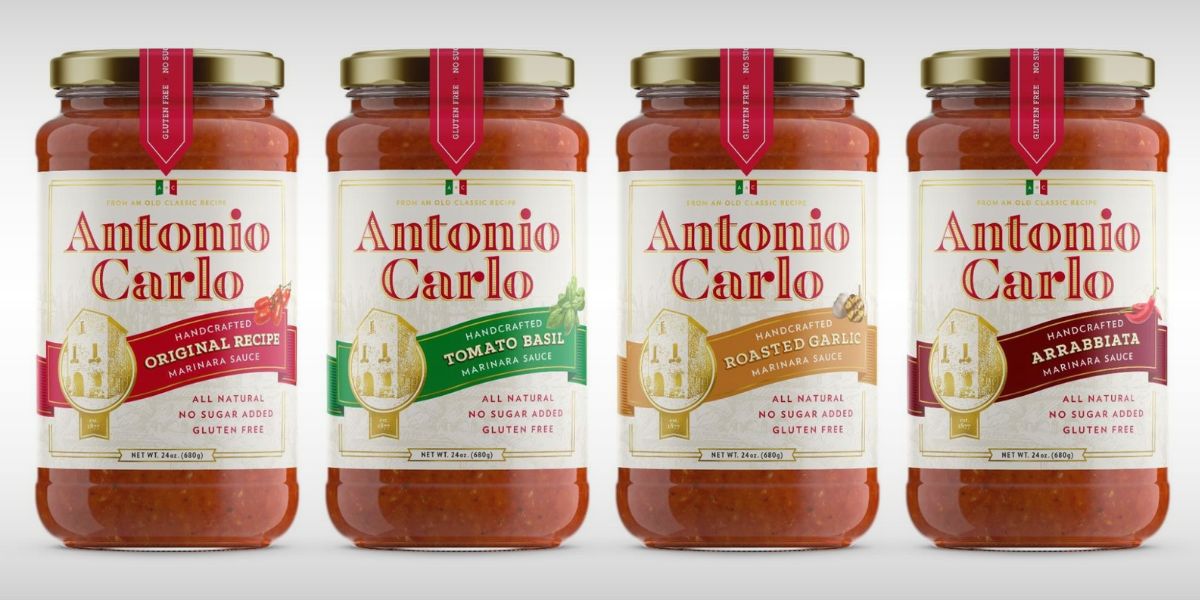
But what makes Antonio Carlo stand out in New York’s crowded market isn’t just reverence for its roots; it’s the versatility it brings to modern kitchens. Whether you’re a home chef hosting friends in a Park Slope apartment or a downtown professional jazzing up a quick weeknight meal, this sauce fits almost any dish. The classic marinara pairs perfectly with tangled spaghetti, but it also slides gracefully under roasted chicken and veal, or even as a rustic dip for the city’s favorite crusty bread. Each jar is an invitation to experiment, and the range doesn’t stop at traditional—Tomato Basil adds herby nuance for primavera nights, Roasted Garlic deepens the umami for oven bakes, and Arrabbiata introduces a gentle heat that satisfies adventurous palates.

Availability is often the stumbling block for gourmet brands, but Antonio Carlo has cracked that code. The sauce can be found in local Harris Teeter stores along the East Coast in Meijer in the Midwest, and Central Market for Texans in search of authentic flavor. Even online shoppers aren’t left out, with Amazon bringing Antonio Carlo’s signature taste to homes throughout the Northeast and West Coast. Accessibility paired with artisanal quality is a rare combination—one that speaks directly to the fast-paced, uncompromising ethos of New York living.

It’s not just about flavor or convenience; Antonio Carlo Gourmet Sauce taps into something more powerful: nostalgia. The aroma escaping from a simmering pot recalls family kitchens, Sunday dinners, and generations of storytelling around the table. In a metropolis that is always racing forward, food has the unique ability to slow us down, to remind us of where we came from and what truly matters. Antonio Carlo understands this dynamic, bottling a sense of belonging and comfort in every jar.

Antonio Carlo Gourmet Sauce Redefines Italian Tradition

Photo Courtesy: Antonio Carlo Gourmet

That emotional heartbeat underscores every review and recommendation. From seasoned critics to casual cooks, the feedback strikes a consistent note: this is a sauce that delivers.. Unlike mass-market competitors that often cut corners for profit or shelf life, Antonio Carlo makes quality and sincerity its business model. The flavor is clean but rich, classic but fresh. For those tired of sauces that veer too sweet or acidic—or that simply feel uninspired—this is a genuine alternative that honors tradition without sitting still.

The impact of Antonio Carlo resonates beyond kitchens; it fits neatly into the broader story of New York’s food culture. Here, heritage isn’t a trend; it’s a foundation. New Yorkers value authenticity, but demand accessibility and adaptability along with it. This sauce isn’t a limited-edition luxury or an elusive rare find. It’s within reach, ready to upgrade your weeknight dinner or Sunday supper with the twist of a lid. That’s the kind of democratized excellence that reflects the city itself.

In an era where culinary trends flicker and fade—where “authentic” too often translates to “expensive”—Antonio Carlo Gourmet Sauce sets a different standard. It ensures you can honor your roots without losing your edge, and that a jar of sauce can still tell a story. Each spoonful is built on history but designed for now, bridging the gap between memory and modernity with every bite.

For New Yorkers and anyone chasing a better pasta dinner, Antonio Carlo Gourmet Sauce is more than a condiment—it’s a must-taste, a staple built on honest ingredients and proud heritage, ready for wherever your appetite leads. Taste it once, and you won’t settle for less. In a city this bold, that’s high praise indeed.

6 Main Ingredients in a Natural Beard Oil That Will Boost Hair Growth Explained for Optimal Results

Knowing what ingredients truly benefit beard growth helps avoid wasting time on products that do little for your facial hair. Natural beard oil for growth typically contains a blend of carrier oils and essential oils that nourish hair follicles and promote healthier skin beneath the beard. These oils can improve the look and feel of your beard, even if they don’t change the natural speed of hair growth.

Some carrier oils, such as jojoba and argan, provide moisture and vitamins that help keep hair strong and less prone to breakage. Essential oils, such as peppermint and tea tree, add freshness while helping to soothe the skin. Together, these ingredients create a blend that encourages a fuller, thicker beard over time and protects the skin beneath it.

For those who want a more noticeable difference, certain products claim to stimulate roots and enhance hair thickness with a carefully formulated blend. One example of this kind of solution offers noticeable results in weeks and targets the health of hair follicles directly. For more information on this type of beard oil, visit natural beard oil for growth.

Key Takeways

  • Natural oils support beard health and strength.
  • Carrier and essential oils work together for better skin and hair.
  • Some formulas help improve beard fullness within weeks.

The 6 Main Natural Ingredients in Beard Oil for Hair Growth

A natural beard oil contains oils that work together to support healthier, thicker, and fuller beard hair. These oils improve moisture, protect hair follicles, and reduce dryness and itchiness. Each ingredient plays a role in nourishing the beard and promoting better beard growth.

Jojoba Oil: Nature’s Moisturizer for Beards

Jojoba oil closely mimics the natural oils produced by the skin. This makes it an excellent carrier oil for beard care. It helps moisturize both the hair and the skin underneath without leaving a greasy residue.

By balancing oil production, jojoba oil reduces dryness and flakiness. It also soothes irritation and prevents beard dandruff. This supports better beard health and allows hair to grow in a healthier environment.

Jojoba oil’s light texture allows it to absorb quickly, leaving the beard soft and manageable. It also protects the hair from damage caused by pollution or harsh weather. For a fuller beard, keeping skin and hair hydrated with jojoba oil is essential.

Argan Oil: Rich Nutrients for Healthy Growth

Argan oil contains antioxidants, vitamin E, and fatty acids that nourish beard hair deeply. These nutrients strengthen hair strands and protect against breakage, making each hair more resilient.

The oil locks in moisture and adds shine without weighing down the beard. For men wanting fuller and thicker beards, this oil helps maintain hair health over time. It also supports the skin’s condition, reducing itchiness and discomfort during growth phases.

Applying argan oil regularly improves the texture of your beard and enhances its ability to grow evenly. Its nourishing qualities help repair brittle hair and promote a healthy look for the entire beard area.

Coconut Oil: Deep Nourishment and Softness

Coconut oil is known for penetrating deep into hair shafts. It adds softness and reduces the chances of split ends and dryness in the beard hair. This makes beards feel smooth and easier to style.

Besides moisturizing, coconut oil offers mild antimicrobial effects that protect skin under the beard. This reduces irritation and keeps hair follicles healthier, ultimately supporting long-term beard growth.

It works best as part of a blend because it seals moisture well. Its natural fats cover the beard hair, making it look thicker and fuller. Regular use helps keep the beard soft and shiny, enhancing overall beard care.

Castor Oil: Strengthening and Thickening Properties

Castor oil is rich in ricinoleic acid and omega-6 fatty acids. These nutrients improve blood flow to hair follicles, which may support stronger beard growth.

Besides promoting hair strength, castor oil helps thicken existing beard hair. It creates a protective layer that prevents damage and reduces breakage, contributing to a fuller beard appearance.

Its sticky texture means it should be mixed with lighter carrier oils for more straightforward application. Using castor oil regularly supports skin health and adds volume to areas with patchy or thin beards. It is a popular choice among natural beard oils designed for thicker facial hair.

Essential Oils and Key Boosters in Beard Oil Formulations

Natural beard oils often combine several ingredients that work together to support hair growth, soothe the skin, and manage common problems like itchiness and dandruff. Certain essential oils bring both scent and stimulation, while other key boosters help protect and condition the beard and the skin beneath.

Essential Oils for Stimulation and Scent

Essential oils, such as peppermint, tea tree, and cedarwood, provide more than just fragrance. Peppermint oil may improve blood flow to hair follicles, potentially encouraging natural beard growth. Tea tree oil offers antibacterial and anti-inflammatory properties that help reduce beard itch and prevent beardruff.

Cedarwood oil soothes the skin and balances oil, reducing dryness and dandruff under the beard. These essential oils are typically used in small drops, often mixed with carrier oils, to deliver benefits without irritation. Besides supporting hair growth, they leave a fresh scent that makes beard maintenance feel enjoyable.

Vitamin E’s Role in Repair and Protection

Vitamin E acts as an antioxidant in beard oil recipes, protecting hair and skin from damage caused by free radicals. It supports repair by boosting keratin production, which helps strengthen beard hair from the root.

This vitamin also locks in moisture and slows down the effects of aging skin. Applying beard oil with vitamin E helps reduce dryness and flaking, which in turn prevents dandruff and itchy skin. Small amounts can improve the overall health of facial hair, making the beard softer and smoother without adding heaviness.

Sweet Almond and Grapeseed Oils: Lightweight Conditioning

Sweet almond oil and grapeseed oil are popular carrier oils that condition the beard without feeling greasy. Both oils contain nutrients like biotin and vitamin E, which support natural hair growth and skin health.

Sweet almond oil gently soothes sensitive skin and reduces inflammation that causes beard itch. Grapeseed oil is rich in antioxidants and easily absorbed, making it an excellent choice for lightweight moisturizing. These oils help keep the beard soft and manageable, making it easier to use a beard comb and style facial hair well. They also support beard oil blends by balancing thickness and preventing clogged pores.

Conclusion

Natural beard oils use a mix of key ingredients that work together to nourish both hair and skin. Carrier oils, such as jojoba and argan, provide moisture, while essential oils offer additional benefits, including reduced itchiness and improved growth conditions.

Ingredients such as pumpkin seed oil offer support by helping to reduce hair loss and strengthen follicles. Aloe vera and avocado oil also supply vitamins that keep facial hair healthy and prevent breakage.

Choosing a beard oil with these natural elements can lead to a fuller, healthier beard over time. Regular use helps maintain skin health beneath the beard, which plays a big role in hair growth and comfort.

Disclaimer: The information in this article is for educational purposes only and should not be considered medical advice. Results from using natural beard oils may vary depending on the individual, and no specific outcome is guaranteed. If you have skin conditions, allergies, or concerns about hair growth, it is recommended to consult with a qualified healthcare professional before trying new products.

Cross-Platform Momentum: What Hybrid Retail Tactics Teach Amazon Strategy

These days, success on Amazon isn’t just about optimizing product listings and running PPC campaigns. The retail landscape has shifted dramatically, and sellers who stick to traditional Amazon-only approaches are missing massive opportunities. Innovative brands now recognize that Amazon’s hybrid retail strategy requires thinking beyond the platform itself.

The numbers tell a compelling story. Over 73% of consumers research products across multiple platforms before making a purchase decision, yet most Amazon sellers focus exclusively on on-platform tactics. This disconnect creates a significant gap between where customers spend their time and where brands invest their marketing efforts. Many successful sellers partner with an amazon full service agency, such as beBOLD Digital, to bridge this gap and implement comprehensive cross-platform strategies.

Modern consumers don’t think in platform silos. They discover products on TikTok, research reviews on YouTube, compare prices on Google, and often complete purchases on Amazon. This behavior pattern demands a more sophisticated approach to retail strategy.

Understanding Amazon’s Hybrid Retail Strategy in Today’s Market

Amazon’s hybrid retail strategy combines traditional marketplace optimization with external marketing channels to create a seamless customer journey. This approach recognizes that Amazon’s success increasingly depends on activities that happen outside the platform.

Think of it like this: Amazon provides the infrastructure for conversion, but the entire customer acquisition and nurturing process extends far beyond marketplace boundaries. Successful hybrid strategies leverage multiple touchpoints to guide customers toward Amazon purchases.

The foundation lies in understanding cross-platform consumer behavior. Today’s shoppers move fluidly between social media, search engines, review sites, and marketplaces. They might see a product recommendation on Instagram, research it on Google, watch unboxing videos on TikTok, and then make a purchase on Amazon.

Data integration becomes crucial here. Brands need unified analytics that track customer journeys across all touchpoints, not just Amazon metrics. This comprehensive view reveals which external channels drive the most valuable Amazon traffic and conversions.

TikTok-Live Alignments: Transforming Amazon’s Social Strategy

TikTok-Live alignments represent one of the potent developments in social commerce. Live shopping events on TikTok create immediate purchase intent, and smart Amazon sellers capitalize on this momentum by creating seamless pathways to their Amazon listings.

The mechanics work surprisingly well. During live shopping events, creators demonstrate products, answer questions in real-time, and build authentic connections with viewers. While TikTok’s native shopping features are still in development, many creators strategically direct their engaged audiences to Amazon for actual purchases.

This creates a content-to-commerce pipeline that benefits both creators and Amazon sellers. Creators earn through brand partnerships and affiliate commissions, while sellers gain access to engaged, purchase-ready audiences they couldn’t reach through traditional Amazon advertising alone.

The key lies in timing and coordination. Successful TikTok-Live alignments require careful planning around inventory levels, Amazon listing optimization, and creator content calendars. When executed correctly, these campaigns may drive significant sales spikes and improve Amazon ranking signals.

Programmatic Stretch: Expanding Amazon’s Advertising Reach

Programmatic stretch refers to extending Amazon advertising beyond the platform’s native advertising ecosystem. This involves using Amazon’s rich first-party data to inform advertising decisions across Google Ads, Facebook, YouTube, and other platforms.

The strategy works because Amazon provides unparalleled insights into actual purchase behavior, not just browsing intent. Sellers can identify their highest-value customer segments on Amazon, then create lookalike audiences on external platforms to drive qualified traffic back to their Amazon listings.

Cross-platform attribution becomes essential for measuring success. Advanced sellers use tools that track customer journeys from external ads through to Amazon conversions, providing clear ROI metrics for their expanded advertising investments.

Budget optimization requires a careful balance. While external advertising may drive significant growth on Amazon, sellers must ensure that their total advertising spend remains profitable when measured against Amazon sales outcomes.

Omnichannel Branding: Maintaining Amazon Identity Across Platforms

Omnichannel branding presents unique challenges for Amazon sellers. Unlike traditional retailers who control every touchpoint, Amazon sellers must maintain brand consistency while working within Amazon’s standardized listing format and various external platform requirements.

The solution involves creating flexible brand guidelines that adapt to different platform contexts while maintaining core identity elements. Visual consistency matters most – colors, fonts, and imagery should remain recognizable whether customers encounter the brand on TikTok, Google Ads, or Amazon listings.

Customer experience alignment extends beyond visual elements. The tone of voice, value propositions, and key messaging should feel cohesive across all platforms. When someone discovers a product through social media and later finds it on Amazon, the experience should feel connected rather than fragmented.

Building Your Amazon Hybrid Retail Strategy: A Step-by-Step Approach

Implementation begins with a platform assessment. Not every external channel will align with your products or target audience. Start by analyzing where your ideal customers spend time and which platforms offer the premier integration opportunities with Amazon.

The essential tech stack comprises analytics tools that offer cross-platform visibility, inventory management systems that synchronize across channels, and customer relationship management platforms that track multi-touchpoint journeys.

Most importantly, ensure your Amazon foundation is solid before expanding externally. External traffic won’t convert effectively if your Amazon listings aren’t optimized for conversion, your inventory management isn’t reliable, or your customer service standards don’t meet elevated expectations.

Tracking ROI Across Multiple Retail Channels

Success measurement requires sophisticated attribution modeling. Traditional Amazon metrics, such as ACoS and TACOS, become insufficient when significant traffic originates from external sources.

Cross-platform analytics should track not just immediate conversions but also longer-term impacts on Amazon ranking, organic visibility, and customer lifetime value. External marketing activities often improve Amazon’s algorithmic signals, creating compounding benefits that extend far beyond direct attributed sales.

Long-term growth indicators include improvements in organic ranking positions, increased branded search volume, and enhanced customer retention rates. These metrics often provide better insights into the success of hybrid strategies than short-term conversion metrics alone.

Is Amazon’s Hybrid Retail Strategy the Future of E-commerce Success?

The evidence suggests that Amazon’s hybrid retail strategy isn’t just beneficial – it’s becoming necessary for sustained competitive advantage. As customer acquisition costs rise on Amazon and competition intensifies, sellers who limit themselves to on-platform tactics will find growth increasingly difficult.

Successful Amazon brands already operate as true omnichannel retailers, rather than Amazon sellers trying to expand externally. This mindset shift enables more strategic thinking about customer relationships and long-term brand building.

Start small, but start now. Choose one external channel that aligns well with your products and audience, establish proper tracking systems, and test integrated campaigns that drive qualified traffic to your optimized Amazon listings. The brands that master hybrid retail strategies today will dominate Amazon’s marketplace tomorrow.

After Major Crime, NY Communities Carry Trauma Beyond the Headlines, Says Dr. Daniel Selling

By: Sarah Summer 

The Quiet Aftermath: How Violence Leaves Communities Carrying Trauma in New York

On a humid weeknight in Brooklyn, a burst of gunfire outside a lounge briefly shook the borough. By the next morning, the news cycle had moved on, crime tape cleared, headlines fading, a new story replacing the old. But for the people who live nearby, the incident lingers. Children who heard the shots replay the sound in their minds. Parents walk their kids to school with a new, almost imperceptible tension. Shopkeepers whisper to customers about whether they feel safe.

This is the pattern of trauma in New York. It does not end when the sirens stop or the reporters pack up. It embeds itself in neighborhoods, moving through families, schools, and blocks, invisible but deeply felt.

Dr. Daniel Selling, Psy.D., founder of Williamsburg Therapy Group in Brooklyn, has spent his career studying how trauma takes root in communities. A licensed clinical psychologist, he previously served as Executive Director of Mental Health for the NYC jail system, overseeing care for some of the city’s most vulnerable populations. His vantage point is both clinical and systemic, giving him a rare perspective on how violence reverberates.

“When communities experience violence, the trauma does not end when the incident is over; it ripples through families, schools, and entire neighborhoods,” Dr. Selling said.

The Ripple Effect

Trauma is often treated as an individual issue, a person struggling with anxiety, insomnia, flashbacks, or fear. But researchers and clinicians increasingly describe community trauma as collective: something that destabilizes everyone connected to a place. In New York, where neighborhoods are tight and people share stoops, schools, and sidewalks, one act of violence can reach hundreds of lives.

Selling explains that while resilience is a hallmark of the city, ignoring collective trauma risks longer-term damage. “Access to doctoral-level, trauma-informed therapy can help individuals process that pain and prevent it from festering into long-term mental health struggles,” he said. “Supporting community members with this level of care is essential for both individual healing and broader community resilience.”

Beyond the Crime Report

Local news often covers the immediate details of violence: how many were injured, where it happened, and whether an arrest was made. But less attention is paid to the psychological fallout. Teachers may notice kids distracted after hearing about an incident. Families may avoid certain streets at night. Business owners might see fewer customers, and neighbors withdraw behind closed doors.

For clinicians, these small shifts are red flags. Trauma untreated at the community level can harden into fear, mistrust, and cycles of avoidance that reshape daily life. That ripple effect, subtle but powerful, can last for years.

The Role of Therapy

Williamsburg Therapy Group positions itself at the intersection of private therapy and community impact. Its model differs from app-based or algorithmic mental health solutions: every clinician holds a doctoral degree, and sessions are designed as interactive, evidence-based treatments, not passive check-ins.

In moments when violence unsettles a community, this kind of therapy serves a dual role. For individuals, it creates space to process anxiety, grief, or hypervigilance. For families, it provides tools to restore a sense of stability. For neighborhoods, it ensures that trauma does not calcify into silence and fear.

“Supporting community members with this level of care is essential for both individual healing and broader community resilience,” Selling emphasized.

Selling’s Perspective From the Jail System

Selling’s years in the city jail system taught him how cycles of trauma and violence reinforce each other. He recalls how a lack of community resources often funneled people into crises, eventually landing them in jail. Clubhouses, community centers, and trauma-informed therapy were usually absent, leaving punishment as the default response.

That experience continues to shape his outlook. While WTG’s clinics cater to high-functioning professionals as well as families, Selling argues that the principles of care, dignity, expertise, and consistent human connection apply universally. Trauma may show up differently in a Wall Street executive than in a teenager living near a shooting. Still, its impact on behavior, relationships, and mental health can be equally profound.

A Citywide Challenge

Brooklyn is not unique. Every borough has its moments of violence, and each leaves behind unseen consequences. In Harlem, in the Bronx, in Queens, community advocates point to the same pattern: healing lags behind headlines.

Clinicians say New York must begin to view trauma as a public health issue rather than a private one. That means acknowledging that communities, not just individuals, need care. It also means ensuring that private practices and public systems collaborate rather than compete, so people have multiple pathways to recovery.

Selling sees potential in this shift. He applauds recent efforts to expand community mental health resources while insisting that private, expert-led therapy remains a crucial part of the continuum. Without it, the gaps between crisis response and long-term healing grow wider.

Looking Forward

In New York, resilience is celebrated, sometimes to a fault. Communities are praised for bouncing back quickly and showing resilience in the face of hardship. But resilience without resources, clinicians argue, is unsustainable.

The luxury of therapy is often framed as boutique self-care, but in the aftermath of violence, it becomes something else entirely: a stabilizing force. For families shaken by trauma, for children absorbing fear they cannot fully name, and for neighborhoods carrying collective anxiety, therapy can make the difference between silent suffering and genuine recovery.

Selling’s message is straightforward but urgent: trauma does not fade on its own. It requires deliberate care, provided by trained professionals, to ensure that pain does not harden into permanent scars.

“When communities experience violence,” he said, “the trauma does not end when the incident is over; it ripples through families, schools, and entire neighborhoods.”

And in a city defined by neighborhoods, that ripple touches everyone.

About Dr. Daniel Selling

Daniel Selling, Psy.D., is a licensed clinical psychologist and founder of Williamsburg Therapy Group, a multi-city practice staffed exclusively by doctoral-level clinicians. He has served as Executive Director of Mental Health and Director of Substance Abuse Treatment for the NYC jail system and is known for delivering results-driven, empowering psychotherapy.

Website: https://williamsburgtherapygroup.com

Disclaimer: This article is for informational purposes only and does not constitute medical or mental health advice. Readers experiencing trauma or related concerns should seek support from a qualified healthcare professional.

Acrylic Dentures in Modern Dentistry: How Do They Compare to Newer Materials?

When people think about dentures today, they often imagine a wide range of choices, from lightweight flexible options to strong metal frameworks. But even in this modern mix, acrylic dentures continue to have a solid place. Although they may not be the newest material, they remain relevant for many patients. Here’s a closer look at where they stand compared to other denture materials.

Everyday Use: What Patients Really Need

Most patients don’t just shop for dentures based on material; they also consider how the denture will impact their daily life. Comfort, stability, a natural look, and easy repairs are what matter most. Whether it’s eating, speaking, or smiling, the right denture should make everyday life feel normal again.

For many people trying dentures for the first time, these needs feel even stronger. They want something that looks natural and feels familiar without being overly complicated or expensive. This is where acrylic partial dentures often become the first option that dentists recommend.

Strengths of Acrylic Denture in Real Life

Acrylic dentures are valued for several practical reasons:

  • Affordable and Accessible: They are often the most budget-friendly option, making them available to a broad group of patients.
  • Easy to Repair: If a denture cracks or needs an adjustment, acrylic is straightforward for dentists to fix.
  • Natural Look: The material allows for customization of gum color and tooth shade, ensuring a seamless blend with a person’s smile.

Revived Smiles designs acrylic partial dentures with these factors in mind, offering options that are both simple and effective for daily use. This balance between function and appearance is one reason why acrylic partial dentures remain one of the trusted choices worldwide.

Where Other Materials Excel (and Where Acrylic Struggles)

Of course, no single material is perfect. Compared to flexible or metal options, acrylic partial dentures can feel slightly bulkier in the mouth. They also wear out faster over time, especially for individuals who require long-term solutions.

  • Flexible Dentures: Known for comfort and adaptability, but sometimes less durable.
  • Metal Framework Dentures: Thin and strong, but less natural in appearance and usually more expensive.
  • Implant-Based Options: These provide excellent stability, but they require surgery and incur higher costs.

This balance of pros and cons is why acrylic remains popular; it fills the gap between affordability and function.

Decision Map: Matching Material to Priorities

Choosing denture material often comes down to priorities:

  • Want comfort first? Flexible dentures may feel more natural.
  • Need maximum durability? Metal frameworks last longer.
  • For those seeking an affordable yet customizable solution, acrylic partial dentures remain a practical choice.

Acrylic offers a “middle ground” that works exceptionally well for people trying dentures for the first time or those who want a reliable, temporary solution before investing in something more permanent.

Caring and Longevity: Acrylic vs Others

Like all dentures, acrylic requires care. Regular cleaning, safe storage, and routine dental visits extend its lifespan. At the same time, they may not last as long as metal alternatives, but acrylic partial dentures can still serve patients well when appropriately maintained.

Here are a few simple tips that make a difference:

  1. Clean daily with a soft brush and mild cleanser.
  2. Soak overnight in a dentist-recommended solution to prevent drying or warping.
  3. Handle carefully: avoid dropping them on hard surfaces.
  4. Check fit regularly with a dentist to prevent discomfort or gum irritation.

Companies such as Revived Smiles also offer adjustments and relines, helping users get more value from their purchase. These services ensure that wearers don’t need to replace their dentures sooner than necessary.

A Glimpse into the Future of Dentures

Dentistry is constantly evolving, with new materials and technologies being introduced every few years. Yet, even as flexible resins and implant-supported options gain attention, acrylic dentures continue to improve. Advances in fabrication now enable better fits, lighter designs, and more lifelike finishes.

This means that while newer solutions may push the boundaries of comfort and durability, acrylic is not standing still. For many patients, it remains a dependable choice, offering a balance of tradition and modern adaptation.

Conclusion

So, where do acrylic partial flipper dentures stand among today’s denture materials? They remain a valuable option, striking a balance between cost, customization, and accessibility. While newer materials may excel in comfort or durability, acrylic remains a practical choice for many. In modern dentistry, it proves that sometimes the classic option still holds its ground.

Disclaimer: This article is for informational purposes only and should not be considered medical advice. Patients should consult a licensed dental professional to determine the most appropriate denture option for their individual needs.

The Future of QA in the Age of No Code: A Deep Dive for Tech Leaders

Introduction

Quality assurance is a cornerstone of software development, ensuring that applications meet user expectations for functionality, stability, and performance. Yet for decades, QA has been one of the most resource-intensive and time-consuming aspects of the development lifecycle. Traditional methods relied heavily on manual testing or coding-intensive automation frameworks, both of which often slowed down innovation.

In today’s rapidly evolving digital economy, businesses demand faster releases, fewer defects, and greater adaptability. This is where no-code QA tools come into play. These platforms enable testers and business stakeholders to design, execute, and manage automated tests without requiring code writing. Among these solutions, testRigor, as a no-code automation tool, stands out as a leader, helping organizations reimagine how software testing can be done.

This article examines the evolution of QA in the age of no-code, its significance to tech leaders, and the prospects for this rapidly expanding sector.

The Evolution of QA Practices

In the early years of software development, manual testing dominated QA practices. Testers painstakingly followed scripts to validate every feature, often leading to delays and missed defects. With the rise of automated testing frameworks, teams gained speed, but they also encountered complexity. Automation frameworks require deep programming knowledge, continuous maintenance, and significant infrastructure investments.

While automation improved efficiency, it did not democratize testing. Only skilled engineers could contribute, leaving business analysts, product managers, and non-technical staff excluded from QA processes. This exclusion often led to communication gaps, longer cycles, and higher costs.

The emergence of no-code testing tools represents the next evolution. By enabling test creation in plain English or intuitive interfaces, these platforms allow a wider range of professionals to contribute to QA efforts.

Why No-Code QA Tools Are Game-Changing for Leaders

For tech executives and engineering leaders, no-code QA solutions bring significant advantages that go far beyond cost savings.

  1. Agility and Speed
    Businesses thrive on rapid innovation. No code testing drastically shortens the time between development and deployment by simplifying automation. This enables teams to release faster without sacrificing quality.
  2. Lower Maintenance Burden
    Traditional automation scripts often break when the application changes. No code tools, especially AI-enhanced ones, may adapt more seamlessly to updates, reducing the constant firefighting needed to maintain test stability.
  3. Cross-Functional Collaboration
    By lowering the barrier to entry, business users and QA professionals may actively participate in automation. This fosters alignment between technical and non-technical stakeholders, ensuring the software meets both functional and business goals.
  4. Scalability for Enterprises
    As organizations grow, so do their testing needs. No code tools can potentially scale effortlessly, accommodating more complex applications without requiring proportional increases in engineering resources.

Spotlight on testRigor

While many no-code solutions exist, testRigor is one of the advanced platforms available. It allows tests to be written in plain English, making it possible for anyone on the team to create and maintain automated tests.

Unlike traditional frameworks that rely heavily on brittle locators, testRigor leverages AI to make tests resilient. This may reduce false negatives and help ensure stability even as applications evolve. With integrations across CI/CD pipelines and support for web, mobile, and desktop applications, testRigor empowers organizations to embed automation into their workflows fully.

For tech leaders, the value lies in predictability and confidence. Instead of wasting resources on test maintenance, teams can focus on strategic priorities and innovation.

The Role of AI in Enhancing No-Code QA

Artificial intelligence is a driving force in the evolution of no-code QA. AI-powered tools can identify gaps in coverage, suggest improvements, and automatically adapt tests when application changes occur. This intelligent adaptability dramatically reduces the maintenance burden.

Some solutions even offer free AI testing tools to help organizations explore automation without upfront investment. As AI capabilities mature, no-code platforms will become even more powerful, transforming QA into a proactive and predictive discipline.

Addressing Common Concerns About No-Code QA

Despite the benefits, some leaders hesitate to adopt no-code solutions due to concerns around reliability, governance, and compliance. These concerns are valid, but they are increasingly manageable.

  • Reliability: Leading tools, such as testRigor, utilize AI to ensure stable test execution, thereby addressing the issue of flaky tests.
  • Governance: Enterprise-grade platforms provide audit trails, role-based access, and version control to meet governance requirements.
  • Compliance: Sensitive industries such as healthcare and finance can adopt no-code QA while still maintaining strict compliance standards, provided they choose platforms with robust data security.

The Future of QA in the Age of No Code

Looking ahead, QA will become more integrated, intelligent, and business-driven. The following trends highlight what leaders should expect:

  • Continuous Testing Becomes Ubiquitous: Automated tests will run continuously in development pipelines, catching issues early and reducing the risk of releases.
  • Business Driven Test Design: Test creation will be increasingly guided by business goals, not just technical specifications.
  • Wider Team Participation: Every stakeholder, from product managers to designers, will contribute to QA.
  • AI Augmentation: Predictive analytics and adaptive algorithms will identify potential problem areas before they manifest.

This future will not eliminate the role of engineers in QA, but it will shift their responsibilities toward strategy, oversight, and innovation.

How Leaders Can Drive Adoption

For tech leaders aiming to implement no-code QA successfully, the following steps are essential:

  1. Assess Current Testing Maturity
    Identify bottlenecks, maintenance overheads, and skills gaps that no-code tools can address.
  2. Start Small with Pilots
    Introduce no-code testing gradually, starting with non-critical applications to demonstrate value.
  3. Foster a Culture of Collaboration
    Encourage non-technical stakeholders to engage in QA, breaking down silos between teams.
  4. Invest in Training and Change Management
    While no code tools are simple, cultural adoption requires training and leadership support.
  5. Measure ROI and Communicate Success
    Track improvements in release speed, defect reduction, and team productivity to justify broader adoption.

Conclusion

The rise of no-code QA tools represents one of the most profound shifts in software development. By empowering a wider range of contributors, reducing maintenance, and integrating AI-driven adaptability, these solutions enable businesses to achieve both speed and quality.

Platforms like testRigor are at the forefront of this change, offering tech leaders the ability to align QA with business goals, scale automation efficiently, and unlock greater innovation.

For leaders willing to embrace this transformation, the future of QA offers the potential for faster delivery, stronger collaboration, and products that delight customers in an increasingly competitive digital world.

Disclaimer: While testRigor, as a no-code automation tool and free AI testing tools, are highlighted as examples of industry solutions, individual results may vary based on organizational needs and implementation. Always conduct thorough research and evaluation before adopting any software or automation tools for your business.