Building Beyond Interfaces: The Strategic Design Leadership of Shimei Qiu

By: Sarah Chen

In today’s fast-moving digital landscape, designers play a pivotal role in shaping how people interact with culture, information, and technology. Among this new generation of multidisciplinary creators, Shimei Qiu distinguishes herself as an accomplished UX and product designer with experience creating innovative, business-facing digital platforms and campaigns.  Now working at TikTok, she specialises in complex ecosystem-level products where her solutions enhance usability, streamline workflows, and drive measurable growth.  Shimei’s research-driven design philosophy, grounded in social responsibility and business strategy, allows her to deliver work that balances creativity, functionality, and business outcomes.  She is passionate about celebrating creative excellence and inspiring future designers, bringing a spirit of innovation to every project she touches.

Building for Global Scale: Shimei’s Impact on Entertainment Ecosystem Experiences

A significant portion of Shimei’s professional impact comes from her contributions to entertainment-related user experiences at TikTok, an area of growing interest within the industry.  Media coverage underscores TikTok’s expanding role in brand discoverability and entertainment marketing; TikTok’s global head of business marketing has shared how brands are making themselves discoverable on the platform, reflecting its importance as a discovery engine.  Within this influential ecosystem, Shimei’s design leadership has quietly elevated how entertainment partners, creators, and fans interact with cultural moments.  She has helped shape platform experiences that enable entertainment teams to activate fan communities more effectively, driving campaigns that deliver high audience engagement and traffic.  Colleagues describe her as a designer with rare clarity and versatility, someone equally comfortable solving complex operational problems and crafting expressive, user-centred visual narratives.

Building Beyond Interfaces: The Strategic Design Leadership of Shimei Qiu

Photo Courtesy: Shimei Qiu

Designing for Social Good: The Hive Harvest Initiative

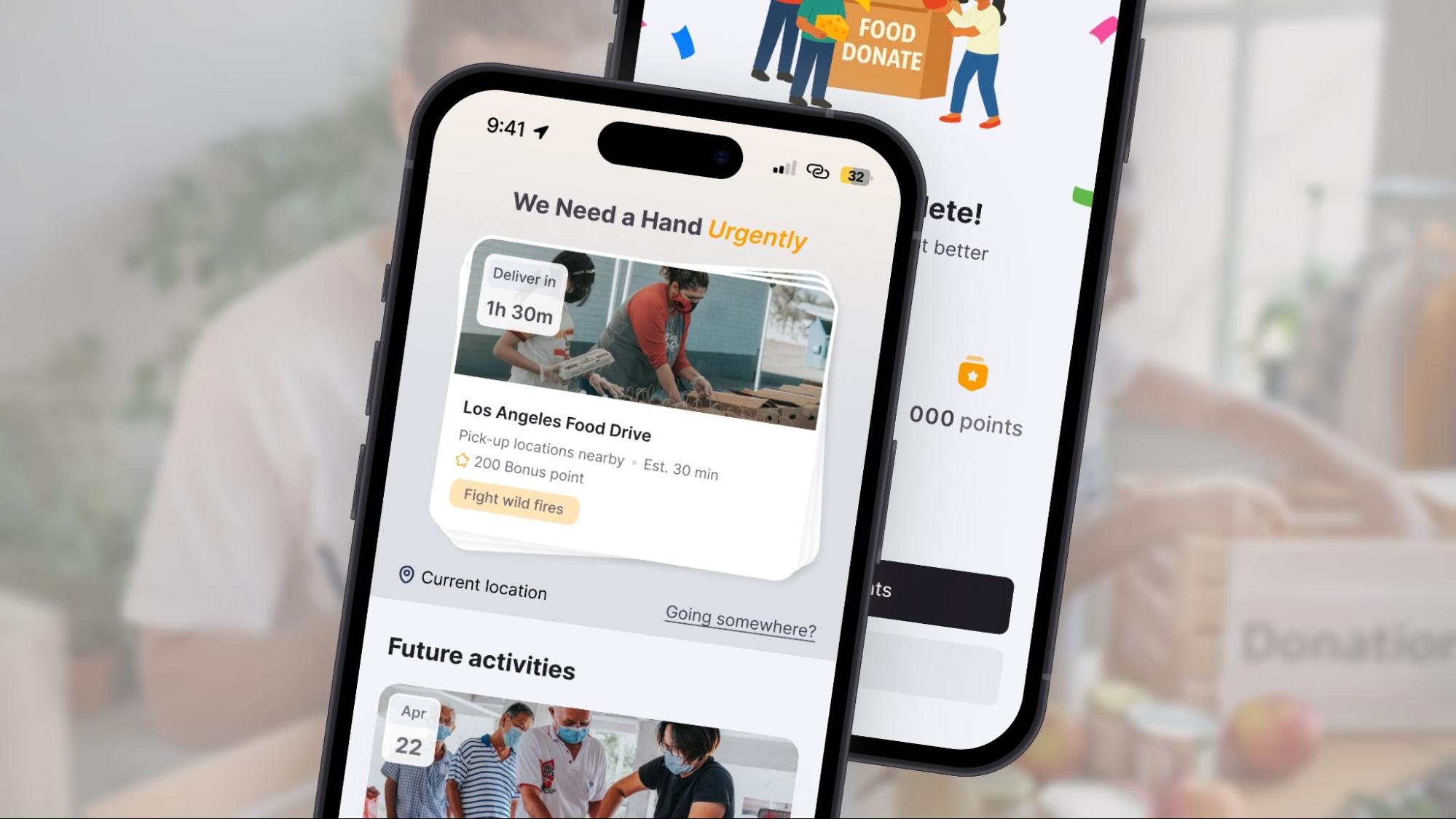
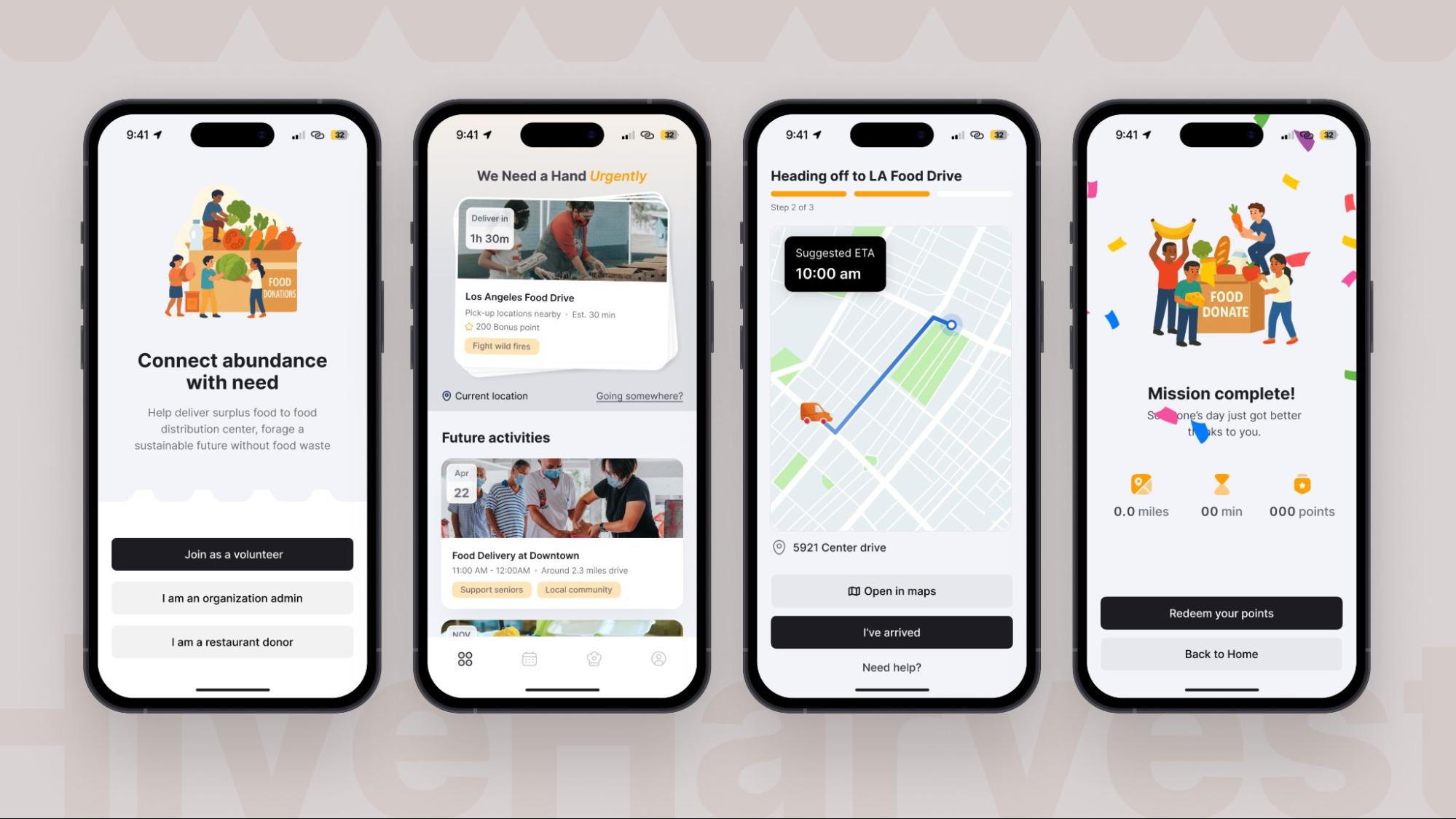
Beyond her industry achievements, one of Shimei’s most celebrated projects comes from her commitment to community impact: Hive Harvest, an award-winning conceptual project that reimagines how cities can address food waste through digital coordination.  The project began with a simple observation—she noticed how much food was discarded daily in school cafeterias and wondered how this excess could help families facing food insecurity.  This curiosity led Shimei to conduct research with a local food distribution nonprofit, uncovering that while restaurants had surplus food and volunteers were willing to help, organisations lacked real-time coordination infrastructure.  She led a multidisciplinary team of designers to develop a service application that links restaurants, food drives, and volunteers in a seamless network.  Hive Harvest bridges the gap between surplus and scarcity: the app empowers nonprofits to coordinate real-time food distribution by connecting them with willing restaurant donors and local volunteers.  With intuitive user flows and step-by-step guidance, volunteers can take action with ease—earning rewards along the way. Hive Harvest fosters sustainable collaboration, reduces food waste, and strengthens community resilience through design.  Shimei shaped every layer of the project—from system architecture and information design to UX flows and visual identity—demonstrating both leadership and artistic precision. Hive Harvest’s holistic approach has earned international acclaim.  The project received two 2024 NYX Awards, 2024 Vega Digital Award. The app garnered a 2025 Creative Communication Award (C2A)  and a 2025 Red Dot Design Award.

Building Beyond Interfaces: The Strategic Design Leadership of Shimei Qiu

Photo Courtesy: Shimei Qiu

A Designer Defining the Future of Impact-Driven Innovation

Whether she is designing platform experiences used globally by entertainment audiences or leading conceptual initiatives that address urgent social issues, Shimei Qiu approaches every project with the same guiding principle: design should create meaningful, lasting impact.  She seamlessly integrates creativity, analytics, and empathy, a combination that positions her at the forefront of modern UX and product design.  Shimei remains committed to mentoring emerging designers and exploring how AI can amplify creative workflows.  Her ongoing exploration of sustainable design and her desire to embed human values into technology illustrate a forward-looking practice that prioritises real-world outcomes over surface polish.  As her portfolio of industry and award-winning work grows, she continues to redefine what digital experiences can achieve—not only for businesses and creators, but for communities and the world at large.

Vertige: A Band Fueled by Passion, Drama, and Musical Fusion

The LA music scene has seen its fair share of innovative bands, but few combine passion, personal experiences, and musical talent like Vertige. Formed in 2022, this band has quickly made a name for itself with its electric sound and unique story. From unexpected encounters to deep, personal songwriting, Vertige stands out as a band with a purpose: to create music that is as captivating as it is emotionally raw.

A Serendipitous Beginning

Vertige’s journey began in the heart of Los Angeles, where Naomi, a talented singer from Paris, was determined to form a band. With her jazz roots and years of experience performing in New York City’s jazz clubs, Naomi was no stranger to the world of music. However, in 2022, a personal motivation sparked her to take her career in a new direction. She set out to form a band and, in true LA fashion, found herself navigating the world of online dating to make connections.

After meeting a Parisian who didn’t quite meet her romantic expectations, Naomi was introduced to Augustus, a guitarist who would later become the co-founder of Vertige. Though Naomi’s initial intent was to impress a crush, it was this unexpected meeting that led to the formation of the band. The chemistry between Naomi’s voice and Augustus’s guitar was immediate, setting the stage for Vertige’s evolution.

Despite initial setbacks, such as not having all the members of the band in place, Naomi’s determination never wavered. She booked a show before even having a full lineup. A chance encounter at a Home Depot on Sunset Boulevard introduced Naomi to the man who would become the band’s drummer. This serendipitous meeting led to the recruitment of key members, and Vertige was born.

Augustus: A Guitarist’s Journey from France to LA

At the core of Vertige’s sound is Augustus, the band’s guitarist whose influences are deeply rooted in the traditions of Blues and Rock. Born in Lyon, France, Augustus’s musical journey began at the age of nine, when he first discovered the sounds of Texas Blues and Rock n’ Roll. Inspired by the likes of Stevie Ray Vaughan, Jimi Hendrix, and David Gilmour, Augustus developed a love for the guitar and honed his craft through daily practice.

Although he studied Physics at University College London, Augustus’s heart was always set on music. Rather than pursuing a master’s degree in Chemical Sciences, he packed his bags and moved to Los Angeles to pursue his musical dreams. It was here that he would meet Naomi and join forces to create the band that would become Vertige.

Augustus’s personal life also plays a role in the band’s songwriting. His past relationships have directly influenced the band’s lyrical content. One such example is the song “Sarah,” which explores his unreciprocated feelings for Naomi’s best friend. These personal experiences add depth and authenticity to Vertige’s music, offering listeners a window into the band’s emotional journey.

The Dynamic Lineup and Sound of Vertige

While Naomi and Augustus are the driving forces behind Vertige, the band’s sound wouldn’t be complete without the contributions of bassist Andreas and drummer Jeremy. Andreas, a Swedish musician, adds a unique touch to Vertige’s musical landscape, providing the perfect complement to the rhythms created by Jeremy, a fellow French musician. The synergy between the band members creates a solid foundation for the music that has become Vertige’s trademark.

Vertige’s music is more than just melodies—it’s a reflection of the drama, passion, and personal stories that shape the band’s identity. Their songs, including tracks like “The Heart” and “Michael’s Song,” draw inspiration from their lived experiences, touching on themes of love, heartbreak, and personal struggle. The upcoming album promises to explore even deeper themes, with songs like “Another Gun Story,” based on a real-life encounter from Naomi’s past, and “Sarah,” which dives into Augustus’s past love life.

Vertige’s sound is a fusion of Naomi’s captivating vocals, Augustus’s masterful guitar work, and a powerful rhythm section that brings their music to life. The result is a unique blend of Blues, Rock, and emotional storytelling that speaks to audiences on a personal level.

Vertige’s Vision: Music That Tells a Story

At its core, Vertige’s music is about more than just sound—it’s about telling a story. The band’s vision is to create a musical drama that resonates with listeners on a deep, emotional level. The interplay between Naomi’s voice and Augustus’s guitar is central to this vision, creating a dynamic and captivating experience for anyone who listens to their music.

Vertige’s upcoming show at The Viper Room on November 28th promises to be another chapter in their ongoing musical journey. Fans can expect an energetic performance filled with passion and emotion, as well as a chance to hear songs from their upcoming album. Vertige’s music video for “The Heart,” releasing on November 14th, will also offer fans a closer look at the band’s creative process and personal experiences.

Connect with Vertige

Fans can follow Vertige’s journey and stay updated on new music, shows, and more through their official website and social media channels:

Stay tuned as Vertige continues to build its legacy, creating music that is as bold, personal, and unforgettable as their journey.

ONLYLYON Strengthens Transatlantic Partnerships in Lyon: Bringing High-Impact Delegation to New York and Boston

By: Georgette Virgo

ONLYLYON, the official economic development agency of the Lyon metropolitan area, has led a senior delegation to New York and Boston from November 18–21, 2025, advancing transatlantic partnerships focused on sustainable innovation, talent cultivation, and economic growth. 

As the mission draws to a close, institutional, industrial, and academic leaders from Lyon have spent four days collaborating with their counterparts in North America, in two of the world’s leading hubs for research, investment, and French–American exchange.

The delegation brought together executives and university presidents, including representatives from Université de Lyon, Centrale Lyon, INSA Lyon, ENS, emlyon, Sciences Po Lyon, IAE Lyon, and Mines Saint-Étienne. This attendance reflects Lyon’s ecosystem-driven model, uniting diverse leaders to build solutions for future-oriented and socially relevant growth. 

Their presence reflects Lyon’s ecosystem-driven model, uniting diverse decision-makers to build solutions for future-oriented and socially relevant growth at a time when global supply chains and scientific alliances are undergoing significant reshaping.

A Strategic Partnership Across the Atlantic

ONLYLYON’s international high-impact mission is designed to reinforce Lyon’s strategic partnerships with the U.S., uniting industry, academia, and local authorities around the pillars of innovation, talent cultivation, and solutions for the future. 

The U.S. stands as Lyon’s foremost non-European partner, with American investment powering sectors such as health, chemicals, engineering, and technology. Companies like Sanofi, Carrier, Hexcel, and bioMérieux already anchor robust collaborations, while the region’s universities interact regularly with academic counterparts such as Harvard, MIT, and Tufts. 

At the same time, American universities continue to be key partners for Lyon–Saint-Étienne institutions, through joint research programs, student mobility initiatives, and innovation collaborations.

Serving as a bridge between Europe and America, ONLYLYON aims to highlight the strengths of Lyon’s “talent factory” and “impact factory” models. By bringing together regional leaders for targeted meetings and events in two of North America’s influential cities, the delegation expands opportunities for collaboration, mutual investment, and knowledge exchange.

Bertrand Foucher, CEO of ONLYLYON&CO, mentions, “Lyon has always built its attractiveness through cooperation. This mission embodies a shared ambition: to make our territory a trusted partner for North American players in industry and research.”

Three Strategic Pillars: Economic, Academic, and Talent Networks

Throughout the high-impact mission, the delegation has focused on three strategic priorities. The economic pillar focuses on securing new investments and forging industrial partnerships in critical growth sectors, including energy transition, health innovation, green chemistry, and artificial intelligence. 

The academic pillar seeks to foster the creation and reinforcement of sustainable partnerships between universities and research centers. Discussions have focused on joint research programs, co-developed curricula, and expanded exchange opportunities, building on the complementary strengths of Lyon and the U.S. East Coast to pioneer cross-disciplinary education and discovery.

“Our universities play a key role in shaping a global dialogue grounded in knowledge and impact. This mission illustrates the collective strength of the Lyon–Saint-Étienne site,” shares  Nathalie Dompnier, President of Université de Lyon.

The talent and international network pillar enhances the visibility of Lyon–Saint-Étienne, raising Lyon’s profile as a destination of excellence for students, researchers, and industry professionals, while activating a dynamic alumni and ambassador network to extend Lyon’s influence.

Taken together, these pillars underscore Lyon’s unified identity as a region where education, industry, and innovation collaborate to address significant global challenges and enhance international competitiveness.

Inside the Immersive Three-Day Program

Over the four-day mission, delegates have followed an itinerary structured to encourage direct collaboration, practical learning, and high-level networking.

Key mission highlights include:

  • “Choose Lyon” Summit at the French Consulate in New York: A forum uniting companies, investors, and academic leaders around decarbonization, talent mobility, and applied research.
  • “Voices of Talent for Impact” evenings in both cities: Bringing together experts, alumni, and the Lyon community to address innovation challenges and create new alliances.
  • Education-focused sessions at the Lycée Français de Manhattan: Showcasing Lyon’s advanced academic programs for prospective international students.
  • Benchmarking expeditions to innovation hotspots: Including MIT, The Engine (deep tech incubator), and Sanofi’s headquarters in Boston.
  • A “Lyon–Boston” Dinner: An exclusive gathering to strengthen bonds between academic, business, and global decision-makers.

These activities were conceived not only to facilitate dialogue but also to launch new research collaborations, joint ventures, and student exchanges. 

As the mission wraps up, the discussions held over the week are expected to inform concrete projects that will reinforce Lyon’s position as a leading European center for sustainable and human-centered innovation, while also providing North American partners with a trusted platform for impact-driven expansion in Europe.

Please visit ONLYLYON’s website for more information about the North America mission and follow-up initiatives.

About ONLYLYON

A national reference in territorial marketing and economic attractiveness, ONLYLYON&CO brings together public, financial, and academic stakeholders across the Lyon Metropolis.

The agency operates two main programs: ONLYLYON, dedicated to territorial branding and mobilization, and ONLYLYON Invest, which focuses on economic attractiveness and investor outreach.

It relies on a public–private governance model and an international network of ambassadors, all of whom are committed to promoting Lyon’s influence and supporting its ecological and industrial transitions.

Designing the World for Everyone: Devashree Shah’s Global Blueprint for Accessibility

Today, where infrastructure often overlooks difference, Devashree Shah designs for the margins and, in doing so, transforms the mainstream. Her work reimagines architecture as a universal invitation rather than a selective privilege.

Shah is an architect and inclusive design strategist whose work bridges design, policy, and social research. Her professional mission is rooted in the belief that architecture is a civic instrument capable of fostering equity, adaptability, and shared aspiration. 

Currently serving as the Manager of Inclusive Design in Public Transit at the Institute for Human Centered Design (IHCD) in Boston, she leads projects that merge architectural thinking with social equity to create environments responsive to the diversity of human experience.

Where Adaptability Began: Mumbai’s Living Classroom

Growing up in Mumbai, Shah was shaped by a city that balances density and scarcity through constant adaptation and collective ingenuity. 

These early experiences nurtured her fascination with how space can respond to diverse human needs. She earned her Bachelor of Architecture from NMIMS University,  Balwant Sheth School of Architecture, and later her Master of Architecture from the Harvard Graduate School of Design, where she also studied at the Harvard Business School and MIT School of Architecture. 

Her academic path deepened her belief that design must engage policy and human behavior as much as form and structure.

Leading Change: Inclusive Design at IHCD

Since joining the Institute for Human Centered Design in 2023, Shah has led inclusive design initiatives across public infrastructure, cultural, and institutional projects, advancing accessibility that fosters dignity, participation, and independence. 

As Manager of Inclusive Design in Public Transit, she plays a crucial role in enhancing accessibility throughout the Massachusetts Bay Transportation Authority (MBTA) network. 

As Lead Accessibility Consultant for the $2.1 billion Green Line Transformation Program, she guides universal design strategies, reviews architectural plans, and oversees user testing across multiple branches. 

She also supports the MBTA System-Wide Accessibility Department, where she is working on creating an internal accessibility checklist consolidating ADA Standards, PROWAG, FTA Directives, 521 CMR, and MBTA Guidelines, which will be used as a benchmark for consistent compliance across projects.

Designing Infrastructure That Feels Human

Her expertise extends beyond the Green Line. On the MBTA North Station Draw Bridge Replacement Project, she evaluated architectural plans for accessibility, safety, and compliance, providing technical recommendations to standardize platform heights and ensure safe egress.

She also contributed to the Newton Corner Long-Term Planning Study with Vanasse Hangen Brustlin, Inc. (VHB), where she conducted accessibility surveys of public streets and spaces and developed universal design strategies that support barrier-free movement. These projects demonstrate her commitment to reconciling large-scale infrastructure with the nuances of individual human experience.

Cultural Impact: Architecture That Includes Everyone

Alongside her infrastructure work, Shah leads accessibility consulting for cultural, institutional, and technology organizations across the United States. Her collaborations with architectural firms span projects for museums, research institutes, and higher education campuses, ensuring that these spaces are inclusive and inspiring. 

In these roles, Shah provides comprehensive design reviews and accessibility evaluations, spanning from concept to construction, with a focus on spatial circulation, wayfinding, signage, and inclusive amenities. 

Her approach is guided by the principle that accessibility is not a checklist but a language of care that shapes how people feel welcome and included in public life. 

She also led the creation of a global library on inclusive design and accessibility for a leading technology and infrastructure organization, consolidating standards and design policies from 18 countries. 

In partnership with global technology firms, she has contributed to the development of architectural guidelines for inclusive workplaces, reinforcing her leadership in global accessibility strategy.

Research as Resistance: Building Dialogue Through Academia

Shah’s contributions extend into academic research and publication. As a Research Associate at the Harvard Graduate School of Design and Associate Researcher at the Laxmi Mittal and Family South Asia Institute at Harvard University, she co-curated the project “The State of Architecture in South Asia.”

Designing the World for Everyone: Devashree Shah’s Global Blueprint for Accessibility

Photo Courtesy: Devashree Shah
(Image: The exhibition traveled to Chennai in August 2024)

Developed under the State of Architecture in South Asia initiative, the research explores how architecture retains its public agency amid social and ecological transitions. The traveling exhibition has toured cities including Delhi, Bangalore, Kochi, and Kozhikode, creating one of the first regional archives of emergent architectural practice.

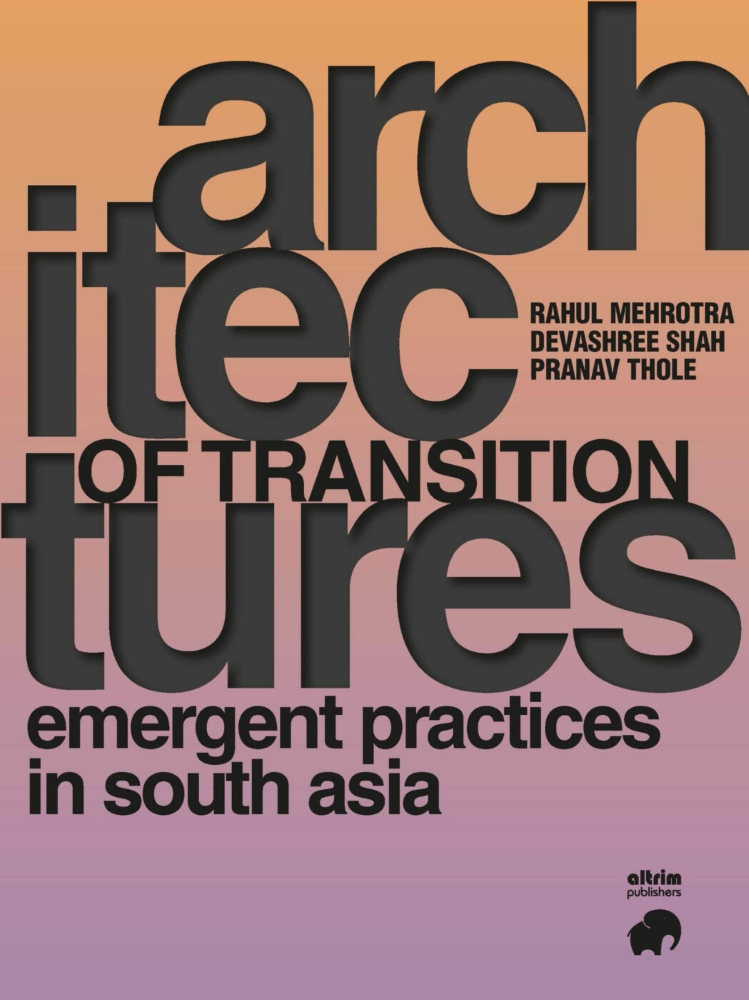
Shah is also the co-author of the forthcoming book Architectures of Transition: Emergent Practices in South Asia (Altrim Publishers, 2023), which documents over forty innovative practices redefining architecture’s civic and social agency across the region.

Designing the World for Everyone: Devashree Shah’s Global Blueprint for Accessibility

Photo Courtesy: Rahul Mehrotra / Devashree Shah / Pranav Thole
(Image: Architectures of Transition: Emergent Practices in South Asia)

Amplifying Inclusion: Conversations Beyond the Studio

Beyond her professional work, Shah is an active contributor to public and academic discourse. She has presented at Boston Design Week 2024, One Architecture and Urbanism in New York, and Hart Howerton in New York. She was an invited panelist for the IIDA Equity Council in New York, joining a discussion titled “Inclusion is a Superpower.”

She also guest lectures at the Boston Architectural College and Wentworth Institute of Technology, where she teaches topics in universal design, architectural programming, and wayfinding. 

Additionally, she has presented peer-reviewed research at the eCAADe Conference 2023, contributing to international dialogues on digital fabrication and material innovation.

Recognition Through Contribution

Shah’s projects and research have appeared in leading publications such as the Journal of Architectural Education and in design exhibitions at Harvard. 

Her co-authored work has advanced conversations on material innovation, housing resilience, and climate-responsive design. Each project underscores her ability to unite technical precision with civic empathy.

A Vision for the Future: Accessibility as Opportunity

Looking ahead, Devashree Shah aims to translate inclusive design frameworks into the context of the Global South, integrating accessibility with housing, policy, and public infrastructure. Her vision is to nurture design cultures that regard accessibility not as an obligation but as an innovation.

For Shah, architecture remains a profoundly human act, an intersection of empathy and intellect. Whether designing transit systems or curating exhibitions, she continues to build environments that resonate, adapt, and sustain collective imagination. 

Her global blueprint for accessibility is not only about removing barriers but about designing a world that welcomes everyone.

Author

Madeline Bilis, Boston-based freelance journalist covering design/architecture. As an award-winning lifestyle journalist, she covers real estate, travel, design, architecture, hotels, cities, dining, the outdoors, and more. 

Wicked For Good: How Four Wicked Superfans Turned the New York Premiere into Their Runway

By: Carter Kenney 

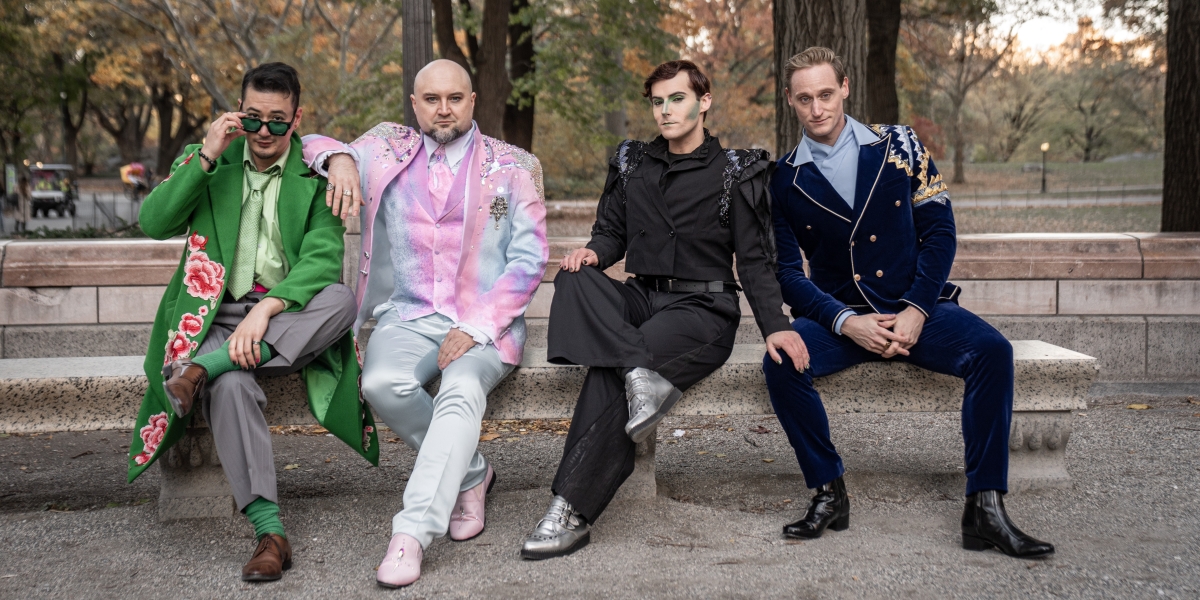
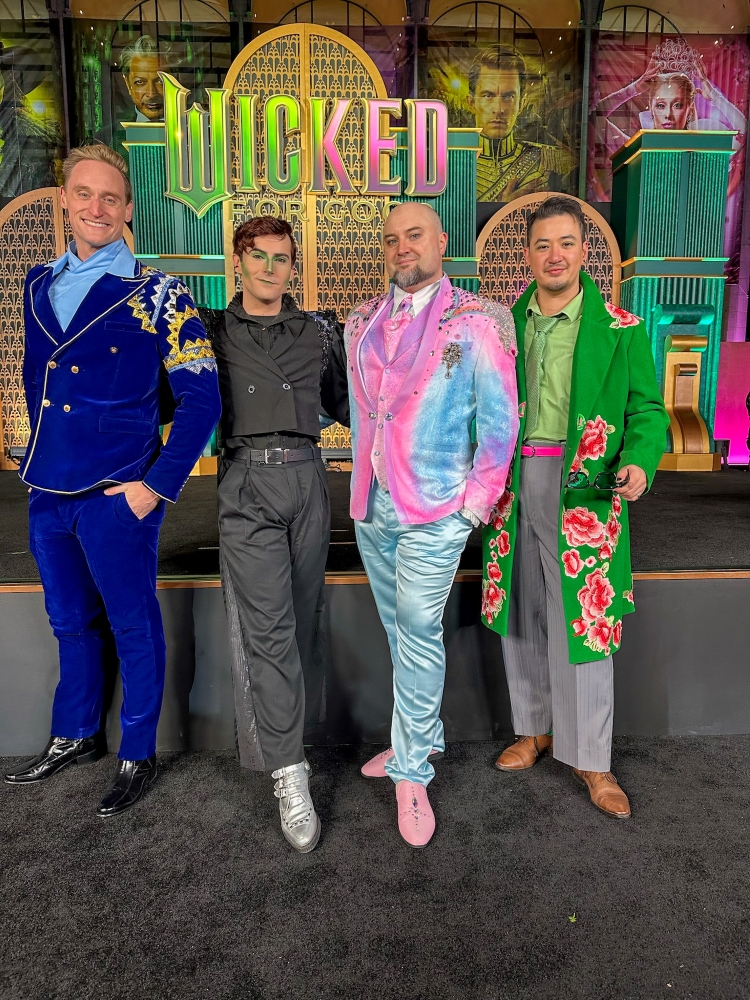
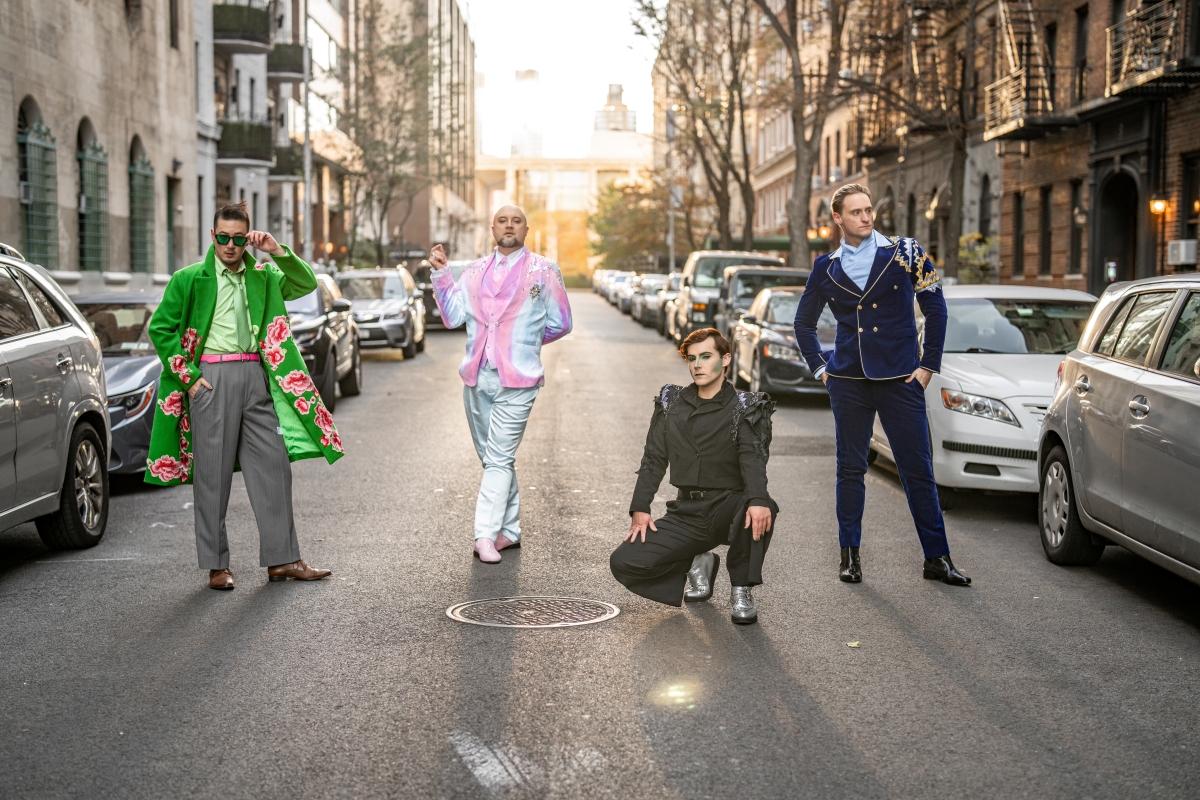
When the invitation to the Wicked: For Good New York premiere landed, Logan Allison, Chad Evett, Theo Tiedemann, and Nathaniel Dolquist didn’t just RSVP; they rewrote the dress code. These longtime cosplayers (already beloved by Universal for their viral Elphaba, Glinda, Fiyero, and Wizard content) were determined to evolve their characters from convention floor to fashion week-level glamour. The result? Four breathtaking, hand-crafted red carpet looks that merged Oz mythology with high-octane couture, proving that the most memorable premiere style often comes from the fandom itself.

Logan Allison’s Elphaba was pure wicked elegance. Inspired by the Winkie armor the flying monkeys gift Elphaba in No Good Deed, he and designer Chad Evett translated Oz’s iconic spiral motif into couture armor using an almost-forgotten technique: rickrack ribbon folded origami-style into perfect triangles, then meticulously sewn into swirling patterns across the shoulders. The armor crowned a sharply tailored black crop blazer and dramatically flared high-waisted trousers, creating an exaggerated hourglass silhouette that screamed Defying Gravity without the use of a cape. Emerald green graphic eye makeup and contour sealed the spell. “Your style, the way you dress, is often the first thing anyone sees about you,” Logan laughs, “you can tell everything about a person from how they dress. And in channeling Elphaba, I wanted to communicate her journey, the strength she finds in becoming the Wicked Witch, while also displaying the beauty of this change and her character’s growth. ”

Wicked For Good: How Four Wicked Superfans Turned the New York Premiere into Their Runway

Photo Courtesy: Emily Kay Shrader

Chad Evett, the group’s resident designer and the mastermind behind every stitch, embodied Glinda as a living watercolor painting. Starting with a thrifted base, he hand-painted organza and silk in bubblegum pinks and sky blues, then diluted fabric dye with rubbing alcohol so the colors bled and blurred like wet paint. Butterfly appliqués exploded across exaggerated shoulders, and under the Lincoln Center lights, the entire look shimmered like a Monet in motion. “I wanted sparkle, glitz, and a little bit of every Glinda who came before me,” Chad says. 

Theo Tiedemann channeled the Wizard with stealth-wealth Emerald City energy. His hero piece: a thrifted trench reimagined in deep landscape green, hand-painted with oversized red poppies that were then encrusted with Swarovski crystals for maximum flashbulb impact. Tinted emerald sunglasses (mandatory Ozian eyewear) were sourced last-minute before the flight to New York for the premiere. Everything else came from Theo’s own closet, styled with the confidence of someone who finally found his fashion voice post-transition. “I only bought the sunglasses and tie,” Theo grins. “The rest was upcycled, one of my favorite ways to create an outfit.”

Nathaniel Dolquist, the group’s resident Disney prince incarnate, stormed the carpet as Fiyero in electric blue velvet. Chad transformed the suit (found and purchased on the very first try in L.A.’s Garment District) into a military-meets-couture masterpiece: asymmetrical mirrored lapels, 3-D origami ribbon shoulder plates cascading down the back, and dozens of mirrored (not rhinestone) crystals that turned him into a walking disco ball. “I wanted to honor Paul Tazewell’s blue Fiyero costume from the first movie while incorporating elements of his role as captain of the Gale Force from the second,” Nathaniel explains.

Wicked For Good: How Four Wicked Superfans Turned the New York Premiere into Their Runway

Photo Credit: Joshua Brandenburg

Four friends, one shared obsession, zero rules. In an evening dominated by designer gowns and A-list stylists, these self-made looks (hand-painted, crystal-encrusted, and sewn through glue-fume-fueled all-nighters) stopped traffic on the emerald carpet. These four talents are proof that when passion meets craftsmanship, the result isn’t just fashion: it’s magic.


Gabriella Pomare’s Approach to Redefining Divorce: From Broken Families to New Beginnings

By: Priscilla D. Blanton

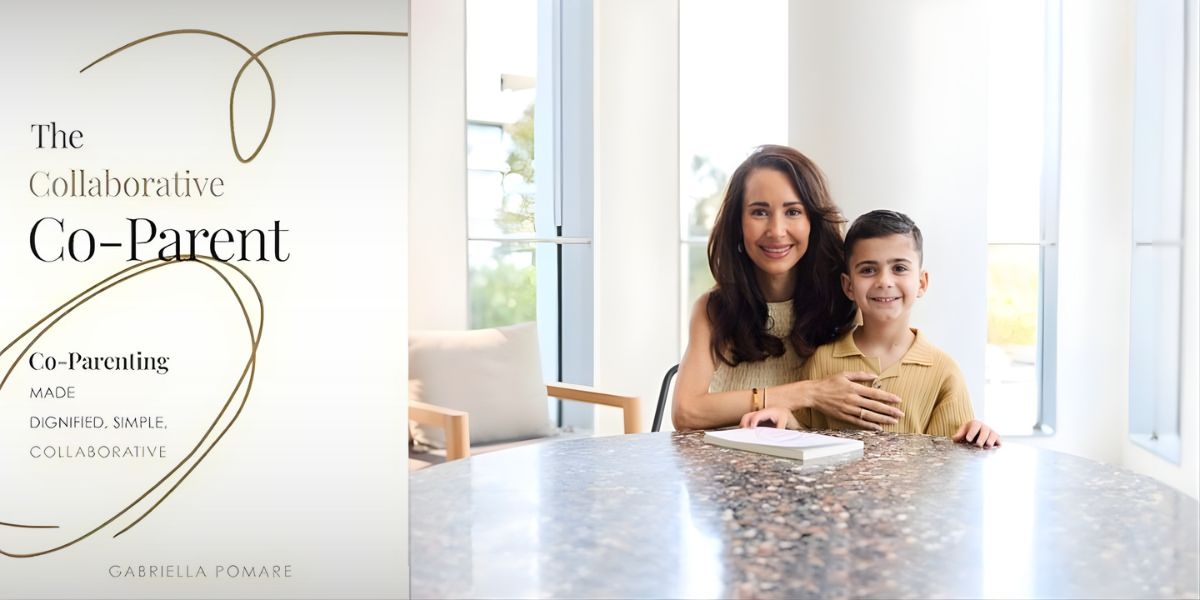
For too long, the story of divorce has been one of destruction. We picture broken homes, angry ex-partners, and confused children caught in the middle. This story tells us that a family has failed. It says that the end of a marriage means the end of a family unit. But what if that story is not entirely accurate? What if separation is not always an ending, but potentially a difficult yet powerful new beginning? A growing movement is challenging the old narrative. Award-winning lawyer and author Gabriella Pomare is leading the charge to reframe the conversation. Her book, The Collaborative Co-Parent, offers a new approach for those navigating separation and divorce. She teaches that a family can evolve, not necessarily break.

The Old Story of Separation

The traditional path of divorce is often filled with conflict. Parents may fight over assets and parenting time. They might use children as messengers or even weapons. Children may feel forced to choose sides. They carry the weight of their parents’ anger and sadness. This environment can create stress and anxiety for everyone. In many cases, it leaves lasting emotional scars on children. The system often encourages this battle, as it pits parent against parent in a win-or-lose scenario. But what are they really winning? The cost is often the well-being of their children. This outdated model focuses on what is ending, while overlooking what must continue: the family.

Introducing a New Vision

Gabriella Pomare offers a different vision. She calls it collaborative co-parenting. This philosophy shifts the focus from conflict to cooperation. It moves from ending a relationship to potentially restructuring a family. The goal is to foster a new kind of family dynamic. This structure has two homes connected by respect and a shared purpose. The children remain at the center of this new family. They are not pawns in a game. They are the most important people in the room. This approach requires a conscious decision. Parents must be willing to put their children’s needs above their own hurt. This is the core message of Gabriella Pomare’s work and her important book, The Collaborative Co-Parent.

The Expert Who Lives the Philosophy

Gabriella Pomare is not just a theorist. She is a highly experienced family lawyer who has witnessed the complexities of divorce. She has handled challenging cases involving high conflict and international child custody. She understands the legal battlefield intimately. But her expertise goes beyond the courtroom. She is also a mother who has navigated her own separation. She knows the feeling of waking up alone and wondering about the future. She has felt the sting of failure. Then she heard her son call out for her. In that moment, she knew her mission was to protect him. This personal experience gives her advice remarkable authenticity. She does not just give advice. She lives the philosophy she teaches.

The Core Tools for a New Family Dynamic

So, how does this restructuring work? The Collaborative Co-Parent by Gabriella Pomare is a practical guide. It provides the essential tools for this journey. One key tool is communication. The book teaches parents how to talk to each other without anger. It advises listening first, pausing to think, and then responding with respect. Parents learn to see their relationship as a partnership. Their shared business is raising happy and healthy children. Another tool is creating stability. Children need routine and consistent rules in both homes. This makes them feel safe and secure. The book also guides parents on how to speak about each other. It is vital that children never hear one parent insult the other. This helps preserve the child’s love for both parents.

The Lifelong Impact of a Collaborative Choice

Choosing a collaborative path is not just about making life easier today. It is about influencing the future of your children. Children who grow up in a cooperative co-parenting environment may learn vital lessons. They may learn how to solve problems peacefully. They see that relationships can end with dignity. They understand that love for a child is constant, even when living situations change. These children could become more resilient and emotionally secure adults. They are likely to love both parents without guilt. By choosing collaboration, parents may give their children a priceless gift. They give them a childhood free from the burden of adult conflict. This is the powerful message that Gabriella Pomare advocates for.

A Call to Change the Story

The old story of divorce is one of loss. The new story, championed by Gabriella Pomare, is one of transformation. It is a difficult but potentially rewarding path that requires courage and commitment. However, the potential rewards are significant: a future where children thrive. It leads to a life where parents can find peace and even a new form of partnership. The Collaborative Co-Parent is more than a book. It is a manifesto for a gentler, more respectful way to navigate family change. It shows that the end of a marriage does not have to mean the end of a family. It could be the start of a new chapter, written with intention and love.

If you are facing separation, consider letting this book be your guide. To learn the practical steps for building a collaborative future for your children, you can get your copy of The Collaborative Co-Parent by Gabriella Pomare today. It is available at Barnes & Noble or directly through Gabriella Pomare’s website.

The Awakening of Marianne

By: Matt Emma

Marianne’s Magical Journey begins with a little girl named Marianne, who lives an ordinary life but carries an unexplained sadness in her heart. Despite having a loving family and going to school like any other child, Marianne feels confused and lost about the purpose of the things she does every day.

Her life takes a magical turn when she meets Banu, a beautiful, talking parrot from the Amazon rainforest. This encounter becomes the doorway to a remarkable adventure, one that teaches her, and readers alike, what it truly means to be happy.

The Magical Encounter That Changes Everything

One ordinary afternoon, Marianne follows her curiosity into a pet store and meets Banu. The colorful bird senses her sadness and begins to share his own story, of being captured, taken from his jungle home, and yet still finding joy in every moment. Through Banu, Marianne learns about Matori, the wise guardian of the jungle who ensures that no creature remains sad. Intrigued, Marianne begins to dream of a world filled with magic, freedom, and harmony, a world far beyond the walls of her daily routine.

This meeting becomes the first spark that ignites Marianne’s transformation. She learns that happiness isn’t about where you are, but how deeply you connect to the life around you.

A Journey into the Heart of the Amazon

When Matori appears, he invites Marianne to journey with him to the Amazon rainforest. Through the power of belief and magic, she transforms into a bird and experiences the beauty of the jungle firsthand.

Surrounded by vibrant trees, singing creatures, and colorful skies, Marianne discovers a living world where everything is connected; every flower, insect, and bird plays a part in the grand pattern of life. Under Matori’s guidance, she learns that true joy comes from feeling part of something bigger than oneself.

It is in the rainforest that Marianne finally understands what has been missing in her life: connection, purpose, and appreciation for the miracle of being alive.

The Secret of Happiness

Matori reveals to Marianne that the secret of life, and the secret to happiness, is realizing that everything in nature is connected. When one sees oneself as part of the whole, loneliness disappears.

Marianne learns that sadness often comes from feeling separate or alone, but in truth, no one is ever truly alone. Whether we are people, birds, or even tiny insects like the brave flea and butterfly in the story, we all belong to the same pattern of life.

This lesson transforms Marianne’s heart forever.

A Return with New Understanding

When the time comes to leave the rainforest, Marianne returns home carrying

Matori’s wisdom is within her. She is no longer the sad, confused girl she once was. Her heart is full of joy and gratitude, and she sees the world differently, as a place filled with beauty, connection, and endless magic.

Back in her city life, she remembers her promise to protect nature and spread kindness. Although no one realizes she was ever gone, Marianne carries the rainforest’s light inside her forever.

Conclusion

Marianne’s Magical Journey is more than a children’s fantasy; it’s a timeless reminder that happiness comes from within. The story beautifully teaches that life is magical when we see ourselves as part of its living web.

Marianne’s transformation mirrors what every reader can experience: when we stop feeling separate and start appreciating the connection between ourselves, others, and nature, sadness fades, and true joy begins.

In the end, the story reminds us that magic isn’t something you find; it’s something you feel when your heart is open to the world around you.

How To Build Your Own Factory For Good

You Already Have the Tools to Build a Factory For Good 

Many founders know how to build a successful business — but few have learned how to build systems for doing good and driving lasting impact.

When the desire to give grows beyond the business itself, it can be hard to know where to begin. That’s where Factory For Good comes in — helping individuals and families turn their success into something deeper: a purpose-driven framework for impact that endures.

At Factory For Good, they are focused on helping families apply a practical framework for transforming purpose into measurable impact. The nonprofit believes impact is not an afterthought, but rather the next phase of enterprise design. At Factory For Good, the team does this by showing individuals and families how to use existing skills, resources, and relationships to create their own factory. 

Factory For Good exists at the intersection of entrepreneurship and giving back while helping builders turn their wealth into impact. 

The Idea—What Is a Factory For Good?

At Factory For Good, their main goal is to help you build your own factory for good. A factory represents any repeatable system that converts time, talent, and financial success into lasting impact. This could be a post-exit entrepreneur preparing to move from building a company to philanthropic work or a family wanting to give back with the wealth they have worked so hard to create.

But you don’t have to be a founder to build a factory. Anyone can. A family seeking more intentional ways to give. An individual searching for greater purpose. A team ready to turn shared values into shared action.

Your Factory might take many forms — a family fund that fuels giving, a mentorship network that opens doors, or an investment strategy that sustains good over time.

Just like any successful enterprise, a factory for good runs on a clear structure: inputs, operations, and outputs. But instead of products, it produces impact.

And the framework is simple. Every Factory For Good is built on three foundational pillars: purpose, relationships, and legacy. These are what transform good intentions into systems that last and generosity into something you can live now, not just leave.

Step 1—Define Your Purpose

As you step forward into building your factory, your first step will be to find your purpose. The purpose is the blueprint of every factory. 

Defining your purpose begins with reflection. It’s about paying attention to what moves you — the causes that matter, the values that guide you, and the communities that feel like home.

Ask yourself:

  • What kind of impact feels personal?
  • What problems keep me up at night?
  • What would I build if profit didn’t matter?

If you’ve built a company before, you’ve already done this work — identifying needs, defining purpose, and creating systems to serve them. Now, it’s about channeling that same clarity into your next chapter of impact.

And if you’re building alongside your family, start there. Explore what matters most to each of you. The shared values you uncover will become the foundation for your own factory for good.

If you are struggling to figure out what your purpose could be or would like help, Factory For Good has a Happiness Audit that can clarify fulfillment looks for you. 

Purpose gives your Factory its blueprint; clarity before complexity. 

Step 2—Strengthen Your Relationships

Relationships are the engine that powers your factory.

No one builds meaningful impact alone. A person or family can do a lot individually, but true growth comes through collaboration. When you build with others, your reach expands, your ideas deepen, and your good multiplies.

Start by connecting with the people already around you — partners, peers, families, and local communities. These are the foundations of shared impact. Every shared effort brings generosity to life in new ways.

At Factory For Good, they’ve seen that the most powerful legacies are collective ones. Founders and families who give together sustain their impact far longer than those who give alone — because relationships are renewable capital. When directed toward a shared mission, they don’t diminish; they multiply.

So ask yourself: Who can I build with?

Most people want to help — they just need an invitation. When you create the space for connection, you turn giving into something bigger than yourself.

With your purpose defined and your relationships beside you, you’re already laying the foundation for a legacy that lasts.

Step 3—Build A Legacy That Lasts

Legacy is what emerges when your Factory is working as it should — when purpose and relationships come together to create lasting impact.

It’s not something that waits at the end of your success. Legacy is alive, a system that continues to create value long after you’ve stepped away. It grows through the structures you’ve built, the people you’ve empowered, and the causes you’ve set in motion.

Families who follow the factory framework often see their legacy take shape in living forms: education initiatives that open doors, mentorship programs that shape futures, and community investments that strengthen neighborhoods. These aren’t one-time acts of generosity, they’re systems designed to last.

Building a legacy requires a long-term mindset. You’re not creating moments; you’re creating momentum. The true catalyst for good is the structure that keeps giving after you’re gone.

The Framework in Action

Factory For Good is both a resource, nonprofit organization, and community designed to help people build their own factory.
They have tools you can use, like:

  • The Happiness Audit to help you identify and clarify purpose
  • The Factory For Good Builder, helping you figure out what you care about and where to give.
  • The Factory Friday newsletter to help you learn from others’ systems, keeping the momentum alive. 

Beyond tools, Factory For Good is a growing community of founders, families, and builders who are redefining success through systems that scale impact. 

Start Building Your Factory For Good

Most philanthropists don’t just stumble upon their purpose, they build it. They make the decision to turn intention into structure, to turn moments of generosity into systems of impact.

You can start that same journey today by defining your values, nurturing your relationships, and taking the first small step toward a legacy that lasts. Because every great factory begins with a spark of purpose and the courage to act on it.

The most meaningful factories aren’t powered by machines; they’re powered by people, by vision, compassion, and the belief that doing good can be designed with intention.

Your legacy doesn’t have to wait. You can start building yours today and in doing so, create a factory for good that keeps working long after you do.

ActivTrak’s Impact on EdTech Teams and Remote Learning Success

You have probably had an experience: one day, you are in the classroom, learning face-to-face; the following day, you teach students through a video-conferencing platform, and your EdTech team will assist in creating and rolling out the content, as well as handling logistics for hybrid learning. This is a dynamic change that offers opportunity and pressure to remote learning employees and hybrid teachers.

Teaching teams are not merely teaching, but they are working together on technology, handling asynchronous material, balancing student support, and responding to continuously changing learning spaces.

Let’s read more!

Why It Matters: The Case of Insights in EdTech Teams

With remote and hybrid classes, the people in charge frequently have to fulfill many roles: instructor, facilitator, content creator, and technical troubleshooter. That complexity demands clarity: knowing where time is spent, which tasks are misaligned, and how team members are actually performing.

That is where a powerful employee productivity software can be applied. Data on digital activity cross-linked with team analytics can provide educational technology leadership with practical insights into what is happening in the workflow, what is preventing it, and what teams cannot collaborate on.

  • Get an idea of how much time content developers waste updating the platform and working with students.
  • Determine whether teachers are spending too much time on administrative tasks rather than on students.

Important Workforce-Management Insights that Matter in EdTech

Here are the key insights.

1. Visibility & Workflow Awareness

When teams are dispersed, with some in the classroom and others remote, invisible work may become the norm.

Hybrid educators frequently take on hidden microtasks, such as fixing minor tech issues, preparing last-minute slides, reviewing student submissions outside official hours, or responding to multiple communication channels. Visibility tools bring these tasks to the surface so leaders can understand accurate workload distribution.

2. Custom Metrics & Benchmarking

It is one thing to monitor time spent. Another thing is to specify practical measures for educators and EdTech teams: preparation time, live communication with students, asynchronous development of modules, platform maintenance, and teamwork.

3. Flexibility + Autonomy

It has been found that remote/hybrid teams flourish under autonomy and structure. For educators, it implies flexibility and the tools and visibility to ensure teams are on track and remain effective.

When teachers have autonomy to organize lesson planning time or asynchronous module updates, they tend to experiment more creatively with digital pedagogy. Productivity insights help ensure this freedom doesn’t drift into inefficiency or overwhelm.

4. Team Cohesion Teamwork.

The disadvantage of hybrid teams is that they may lack spontaneous interaction, which, in turn, can slow innovation and support.

Scheduled sync-ups, shared dashboards, and transparent goals can reconnect distributed teams, making collaboration feel intentional rather than forced.

Remote Learning Staff Practical Applications Hybrid Educators

We can work through the ways an EdTech leader can utilize these insights:

  1. Assign roles and workflow: Name essential roles, including “hybrid instructor”, “content developer”, “platform support specialist”. In each case, list common tasks (delivering live lessons, asynchronous content development, solving tech-tickets) and pinpoint pain-points.
  2. Install dynamic dashboards: Have a program that monitors time usage in applications, tasks, and devices. During instructional activities, hybrid instructors often spend significant time on scheduling and administrative tasks rather than directly teaching students.
  3. Trigger alerts and support: if the time-in-system of support staff surges past the threshold or slips below target, automatically put under review.
  4. Clarify the intention and establish credibility: Employees need to know that the goal is to promote enlightenment and improve monitoring.

Conclusion

Prompt yourself: Which of your remote or hybrid educator team data insights workflows might be enhanced this week? Select one measure, create some visibility, communicate your purpose to your team, and begin the process. 

Radius Debuts in New York Market, Offering Luxury Teams AI-Powered Independence from Major Brokerages

Company’s entry into Manhattan positions luxury real estate teams with cutting-edge technology to compete with major brokerages.

NEW YORK, NY – November 21, 2025 Radius, the first AI-powered brokerage platform for top-producing teams and brokerages, today announced its expansion into the New York market. This strategic growth marks a significant milestone in Radius’s mission to empower high-performing real estate teams with comprehensive technology solutions while maintaining their independent brand identity.

The New York expansion brings Radius’s white-labeled platform to one of the nation’s most competitive luxury real estate markets. The company has appointed a managing broker and secured licensing to support New York-based teams, with initial partners including luxury market specialists transitioning from major brokerages, including Compass and Williams & Williams.

“Entering New York represents a major step in our growth strategy,” said Biju Ashokan, Founder and CEO of Radius. “The luxury market here demands the highest level of service and the most polished professional image. Our platform gives independent teams the technology to compete with major brands while building their own reputation. New York agents can now leverage our AI-powered tools, integrated communications, and complete transaction management without sacrificing their brand identity.”

The expansion addresses a critical need among top-producing New York teams seeking technology infrastructure that matches their sophistication without requiring them to sacrifice independence. Radius’s platform integrates AI assistant Mel, VoIP phone systems, transaction management, and comprehensive back-office support into a single solution that teams can white-label under their own branding.

While many brokerages make promises about AI capabilities, Radius distinguishes itself through proven results and ground-up technology integration rather than bolt-on solutions. 

“There’s certainly no shortage of brokerages making promises about AI. In fact, a few even claim to offer assistants that can handle marketing, communication, and compliance. However, those promises rarely yield real-life benefits,” noted Ashokan. 

“Radius is the real deal. We’re not a social media gimmick or a marketing-first brokerage. We’re a technology company with proven results from the most advanced brokerage product in the market today. Our AI assistant doesn’t just draft ideas; it drives your operations, keeps your agents productive, and your clients connected.”

New York partners gain immediate access to Radius’s full suite of features, including automated client communication, proactive lead nurturing, intelligent documentation management, and seamless transaction workflows. The platform eliminates the need to juggle multiple vendor systems while enabling team leaders to focus on growth and client relationships rather than administrative tasks.

“Our technology particularly resonates with luxury brands who understand that their clients expect a premium experience at every touchpoint,” added Ashokan. “Teams in Manhattan’s high-end market need systems that reflect their caliber of service. Radius provides that foundation while letting them maintain complete control of their brand.”

The New York launch follows Radius’s recent expansion of services, including the introduction of Radius Escrow in California and enhanced AI prospecting capabilities through Mel. The company currently supports over 200 real estate teams nationwide with backing from industry leaders, including Pete Flint (Founder of Trulia), Spencer Rascoff (Co-founder of Zillow), Gokul Rajaram, Cota Capital, Sierra Ventures, Crosscut Ventures, and Atlantic Vantage Point.

Radius is actively partnering with established New York teams and welcomes inquiries from luxury market specialists seeking to elevate their operations with best-in-class technology. For more information about bringing Radius’s white-labeled platform to your New York team, visit https://www.radiusagent.com.

About Radius

Radius is the premier tech-driven brokerage firm for real estate professionals eager to grow their brands and profits. Radius empowers real estate brokerages and teams to grow their businesses while saving them time and money. Visit https://www.radiusagent.com/ to learn more.

Contact

Heather Hook
KeyCrew Media
heather@keycrew.co

Disclaimer: The information provided in this article is for informational purposes only. While the companies and technologies discussed may offer innovative solutions, success is not guaranteed. Results may vary based on individual circumstances, market conditions, and other factors beyond control.