Can sunglasses ever be sustainable?

In a world that’s increasingly focused on sustainability, the fashion industry is undergoing a transformative shift towards eco-friendly practices. While sunglasses may not be the first item that comes to mind when discussing sustainability, they too are making strides towards a greener future. 

This article will explore the possibilities and innovations that suggest sunglasses can indeed become sustainable without compromising on style or functionality.

The Environmental Impact

Traditionally, sunglasses have been associated with plastic frames and non-recyclable materials, contributing to the global issue of plastic pollution. The production process itself often involves harmful chemicals and excessive water usage. However, the industry is waking up to these challenges and is actively seeking alternatives to minimize its environmental footprint.

Materials Matter

One of the key factors in making sunglasses sustainable lies in the choice of materials. Innovative brands are turning towards biodegradable and recycled materials to create stylish frames. Acetate derived from plant-based sources, such as cotton or wood pulp, is gaining popularity as a sustainable alternative to traditional plastics. Additionally, recycled metals, reclaimed wood, and even ocean plastic are being creatively repurposed to craft eco-friendly frames that not only look good but also contribute to environmental conservation.

Circular Design

The concept of circular design is gaining momentum within the eyewear industry. Instead of the traditional linear model of production, where products are made, used, and then discarded, circular design emphasizes durability, repairability, and recyclability. Sunglass brands are increasingly adopting this approach by creating modular designs that allow for easy repairs and replacements of individual components. This not only extends the lifespan of the sunglasses but also reduces the overall waste generated.

Eco-friendly Lens Options

Sustainability isn’t limited to the frames; lens technology is also undergoing a green makeover. Manufacturers are exploring alternatives to traditional petroleum-based lens materials. Some are opting for bio-based plastics derived from castor oil, while others are experimenting with plant-based materials like polylactic acid (PLA). These innovations not only reduce the environmental impact but also ensure that the sunglasses are lightweight and comfortable for prolonged use.

Ethical Production Practices

Sustainability goes beyond materials; it extends to the entire production process. Ethical manufacturing practices are becoming increasingly important, with brands focusing on fair labour conditions, reduced energy consumption, and waste management. Some companies are even investing in renewable energy sources to power their production facilities, further aligning their practices with environmental consciousness.

Green Packaging

The sustainability journey of sunglasses doesn’t end with the product itself; it extends to the packaging as well. Brands are rethinking their packaging materials, opting for recycled cardboard, and minimizing single-use plastics. Some are going the extra mile by using plant-based inks and ensuring that their packaging is fully recyclable or even biodegradable. This holistic approach ensures that every aspect of the product is aligned with eco-friendly principles.

Collaborations for Change

Positive change often thrives through collaboration, and the sustainable sunglasses movement is no exception. Eyewear brands are partnering with environmental organizations, NGOs, and even other industries to drive collective action. By combining forces, these collaborations aim to address broader environmental issues, such as deforestation, pollution, and climate change, making a more significant impact than individual efforts.

Consumer Education and Awareness

Ultimately, the success of sustainability in the sunglasses industry depends on informed and conscious consumers. Brands are increasingly investing in educating their customers about the environmental impact of their choices and the benefits of choosing sustainable eyewear. By creating awareness, brands empower consumers to make environmentally responsible decisions and contribute to the larger goal of a greener planet.

In the quest for sustainability, the sunglasses industry is proving that style and eco-consciousness can coexist harmoniously. From innovative materials to circular design principles, ethical production practices, and eco-friendly packaging, sunglasses are stepping into a brighter and more sustainable future. As consumers become more aware of the environmental impact of their choices, the demand for sustainable eyewear is likely to grow, encouraging further innovations and positive change within the industry. So, can sunglasses ever be sustainable? The answer is a resounding yes, and the future looks remarkably bright.


Published By: Aize Perez

Tracing the Journey: The Evolution of Contemporary Christian Music

Contemporary Christian music (CCM) has a rich and diverse history that spans decades, reflecting the evolving relationship between faith and music. From its humble beginnings to its current prominence in the music industry, CCM has become a powerful medium for expressing Christian beliefs and values while resonating with audiences around the world. At the heart of this genre lies a “new” artist from Philadelphia, singer-songwriter Eddy Mann, whose contributions have left an indelible mark on the landscape of CCM.

The roots of Contemporary Christian music can be traced back to the late 1960s and early 1970s, a time of social and cultural upheaval in the United States. Inspired by the burgeoning counterculture movement and the growing popularity of folk and rock music, Christian artists began to explore new ways of incorporating faith-based themes into their music. Artists like Larry Norman, Andraé Crouch, and Keith Green emerged as pioneers of the genre, blending elements of rock, folk, and gospel to create a sound that was both spiritually uplifting and musically innovative.

As the genre continued to evolve, artists like Amy Grant, Michael W. Smith, and Steven Curtis Chapman helped to usher in a new era of Contemporary Christian music in the 1980s and 1990s. With their mainstream success and crossover appeal, these artists brought CCM to a wider audience, earning critical acclaim and paving the way for future generations of Christian musicians.

Amidst this backdrop of innovation and creativity, Eddy Mann emerged as a prominent figure in the world of Contemporary Christian music. Hailing from Philadelphia, Mann’s music is characterized by its soulful melodies, heartfelt lyrics, and unwavering devotion to faith. With a career spanning over three decades, Mann has released numerous albums and singles that have touched the hearts of listeners around the world.

One of Mann’s defining traits as a singer-songwriter is his ability to craft songs that speak to the human experience while remaining rooted in his Christian faith. Whether he’s exploring themes of love, redemption, or spiritual growth, Mann’s music is infused with a sense of sincerity and authenticity that resonates with audiences of all backgrounds. His soul-stirring ballads and uplifting anthems serve as a source of comfort and inspiration for listeners seeking solace and hope in their faith.

In addition to his musical contributions, Mann is also known for his philanthropic efforts and community outreach initiatives. Through his work with organizations like Compassion International and World Vision, he seeks to make a positive impact in the lives of others, embodying the spirit of compassion and service that lies at the heart of the Christian faith.

As Contemporary Christian music continues to evolve and adapt to changing cultural trends, artists like Eddy Mann remain at the forefront of a genre that continues to inspire and uplift listeners around the world. With his soulful voice and heartfelt lyrics, Mann invites listeners to embark on a journey of faith and self-discovery, reminding us of the enduring power of music to touch the soul and transform lives.

In conclusion, the history of Contemporary Christian music is a testament to the enduring power of faith and music to transcend boundaries and unite hearts. Through the continuing efforts of artists like Eddy Mann, CCM has become a vibrant and diverse genre that continues to thrive in the modern music landscape. As we look to the future, one thing remains certain: the message of hope, love, and grace will continue to echo through the melodies of Contemporary Christian music for generations to come.\


Published By: Aize Perez

The Evolution of Colorectal Surgery: Insights from Dr. Tiffany Willard

Colorectal surgery, a specialized field within the broader realm of gastrointestinal surgery, has undergone significant evolution over the years. From its cumbersome beginnings rooted in basic surgical techniques to the modern era of minimally invasive procedures and advanced technology, the journey of colorectal surgery reflects medical innovation and the relentless pursuit of improved patient outcomes.

Understanding the evolution of colorectal surgery is vital for several reasons. It offers insights into the historical context of surgical practices, highlighting the challenges faced by early practitioners and the milestones achieved through scientific advancements. Additionally, it sheds light on the field’s current state, showcasing the cutting-edge techniques and technologies that have revolutionized patient care. 

Colorectal surgery techniques provide a roadmap for the future, guiding researchers and clinicians in their quest for further improvements in surgical techniques, patient recovery, and overall quality of care. Exceptional surgeon Dr. Tiffany Willard explores the fascinating evolution of colorectal surgery, from its origins to its present-day innovations, and examines the implications for the future of patient care.

Early Developments in Colorectal Surgery

Colorectal surgery traces its origins back to ancient practices and rudimentary techniques employed by early civilizations. In early times, surgical interventions for colorectal conditions were limited by the lack of understanding of anatomy and the absence of advanced medical tools. Despite these limitations, early healers and physicians made attempts to treat colorectal ailments using basic procedures such as wound debridement and simple incisions.

Contributions from early civilizations, including the Egyptians, Greeks, and Romans, laid the foundation for the development of surgical techniques. These civilizations documented their medical knowledge, including observations on colorectal diseases and treatments, in ancient texts and manuscripts. Although their methods may seem crude by modern standards, they represent significant strides in understanding and managing colorectal conditions within their time constraints.

The beginnings of modern surgical approaches to colorectal conditions emerged during the Renaissance period with advancements in anatomical knowledge and surgical techniques. Pioneering surgeons such as Ambroise Paré and Andreas Vesalius made significant contributions to understanding human anatomy, laying the groundwork for more precise surgical procedures. 

“These early developments paved the way for the evolution of colorectal surgery into a distinct and specialized field within the broader scope of gastrointestinal surgery,” notes Dr. Tiffany Willard

The Evolution of Colorectal Surgery: Insights from Dr. Tiffany Willard

Photo: Unsplash.com

Advancements in Surgical Techniques

The introduction of anesthesia and antiseptic principles in the 19th century revolutionized colorectal surgery by enabling safer and more complex procedures. Anesthesia provided pain relief, allowing surgeons to perform longer and more intricate operations, while antiseptic techniques reduced the risk of postoperative infections, significantly improving patient outcomes.

“Innovations in instrumentation and technology have played a pivotal role in advancing colorectal surgery,” says Willard. “The development of specialized surgical instruments, including staplers, energy devices, and endoscopic tools, has facilitated more precise and efficient surgical interventions.” 

Furthermore, imaging modalities such as computed tomography (CT) and magnetic resonance imaging (MRI) have enhanced preoperative planning and intraoperative navigation, leading to better surgical outcomes. The emergence of minimally invasive and robotic-assisted surgery represents a significant milestone in the field of colorectal surgery. These techniques offer patients the benefits of smaller incisions, reduced postoperative pain, shorter hospital stays, and faster recovery times compared to traditional open surgery. 

Robotic-assisted systems, in particular, provide surgeons with enhanced dexterity and visualization, enabling greater precision during complex colorectal procedures. As a result, minimally invasive and robotic-assisted approaches have become increasingly popular options for colorectal surgery, further improving patient care and outcomes.

Progress in Patient Care and Outcomes

Advances in medical research and technology have led to an enhanced understanding of colorectal diseases, enabling more accurate diagnoses and tailored treatment plans. With improved knowledge of disease pathology, surgeons can offer patients personalized interventions that target the underlying causes of their colorectal conditions, leading to better outcomes and reduced recurrence rates.

“The adoption of a multidisciplinary approach to treatment has further improved patient care in colorectal surgery,” says Dr. Tiffany Willard

Collaboration between surgeons, gastroenterologists, oncologists, radiologists, and other healthcare professionals allows for comprehensive evaluation and management of colorectal diseases. This integrated approach ensures that patients receive holistic care, with treatment strategies tailored to their specific needs and preferences.

Significant improvements in post-operative care and rehabilitation have contributed to enhanced patient outcomes following colorectal surgery. Enhanced pain management techniques, early mobilization protocols, and specialized nutrition plans help patients recover more quickly and comfortably after surgery. Advances in surgical techniques and perioperative care have reduced the risk of complications, allowing patients to return to their daily activities sooner and with improved quality of life. 

Future Directions and Challenges

The future of colorectal surgery holds promise in the exploration of precision medicine and personalized treatments. With advancements in genomic profiling and biomarker identification, clinicians can tailor therapies to individual patients based on their genetic makeup and disease characteristics. This approach, known as precision medicine, has the potential to optimize treatment outcomes and minimize adverse effects by targeting specific molecular pathways involved in colorectal diseases.

The integration of artificial intelligence (AI) in surgical practice represents another frontier in the field of colorectal surgery. AI-driven algorithms can analyze vast amounts of patient data, assist in preoperative planning, and enhance intraoperative decision-making. Moreover, AI-powered robotic systems offer surgeons greater precision and efficiency during complex colorectal procedures, potentially improving surgical outcomes and patient safety.

Despite these advancements, challenges remain in addressing disparities in access to care and outcomes among diverse patient populations. Socioeconomic factors, geographic location, and cultural beliefs can significantly impact an individual’s ability to receive timely and appropriate colorectal care. Efforts to reduce disparities require a multifaceted approach, including targeted public health interventions, community outreach programs, and policy initiatives aimed at improving access to screening, diagnosis, and treatment services for all individuals affected by colorectal diseases. By addressing these challenges, the future of colorectal surgery can strive towards equitable and inclusive care for all patients.

Published by: Martin De Juan

Prostate Health Matters: A Chat with Dr. Jonathan I. Epstein on Cancer Awareness

Prostate cancer stands as one of the most common cancers affecting men worldwide, emphasizing the critical importance of prostate health awareness. This silent threat often goes unnoticed until it advances, making early detection and knowledge crucial weapons in the battle against this disease. The prostate gland, though small in size, plays a pivotal role in male reproductive health. Located just below the bladder, it is responsible for producing seminal fluid, a key component of semen that supports sperm mobility and vitality. Therefore, this gland’s health is integral not only to reproductive success but also to the overall well-being of men. 

Renowned pathologist, Dr. Jonathan I. Epstein lends his vast, specialized experience with prostate cancer to the conversation of cancer awareness and the importance of prostate health. Dr. Epstein provides valuable insight into the significance of prostate health and how to navigate the complexities of this aspect of male health.

Understanding Prostate Cancer

Understanding Prostate Cancer is crucial for early detection, effective treatment, and improving survival rates. Prostate cancer occurs when abnormal cells in the prostate gland grow uncontrollably, forming a tumor. 

The prostate gland, essential for male reproductive health, is located beneath the bladder and surrounds the urethra,” says Dr. Jonathan I. Epstein. “Cancer develops in the prostate similar to other parts of the body, through mutations in the DNA of cells, causing them to grow and divide more rapidly than normal cells. Eventually, these abnormal cells can form a tumor and, if untreated, may spread to other parts of the body.”

Risk factors for developing prostate cancer include age, with a significant increase in risk for men over 50; family history, where having a father or brother with prostate cancer doubles the risk; and race, with African American men having a higher incidence and mortality rate.

Symptoms of prostate cancer may not be evident in its early stages, which underscores the importance of regular screening for early detection. When symptoms do appear, they can include difficulty urinating, decreased force in the stream of urine, blood in the urine or semen, erectile dysfunction, pain in the hips, back, chest, or other areas if cancer has spread, and weakness or numbness in the legs or feet. 

Early detection of prostate cancer significantly increases the chances of successful treatment and survival. Screening methods such as the Prostate-Specific Antigen (PSA) test, which measures the level of PSA in the blood, can help detect prostate cancer early, even before symptoms develop. Digital rectal exams (DRE) may also be used to check for any abnormalities in the prostate, although the test is not that sensitive or specific for findings of prostate cancer. 

Prostate Health Matters: A Chat with Dr. Jonathan I. Epstein on Cancer Awareness

Photo Courtesy: Dr. Jonathan I. Epstein

Medical Approaches and Treatments

“Understanding the common approaches for prostate cancer management and treatments is crucial for making informed decisions regarding one’s health,” says Dr. Jonathan I. Epstein.

Traditional treatments for prostate cancer include surgery, radiation therapy, hormone therapy, and chemotherapy. Surgery, particularly radical prostatectomy, involves the removal of the prostate gland and is typically considered for localized cancer. Radiation therapy, which can be external beam radiation or brachytherapy (internal radiation), targets cancer cells in the prostate gland. Dr. Epstein notes that there are many variations of radiation therapy that can be used for treating prostate cancer, which can be confusing for patients who are deciding on which treatment to choose. It is not clear if some of these radiation techniques have an advantage over the others. It often depends on which institution a patient goes to, as certain institutions often specialize in selective radiation techniques for prostate cancer. 

Hormone therapy, another conventional approach, aims to reduce the level of male hormones (androgens) that can stimulate the growth of cancer cells. Hormone therapy can be used to keep in check advanced distant spread of prostate cancer. Hormone therapy can also be used prior to radiation therapy in more advanced cancers localized to the prostate to enhance the effect of the radiation therapy. Dr. Epstein emphasizes the importance of the role of the pathologist, saying: “The grade assigned by the pathologist to the cancer on needle biopsy is the main factor in determining if hormone therapy is given prior to radiation therapy (neoadjuvant hormone therapy).” As grading of prostate cancer is difficult, it is often recommended to get a second opinion from an expert prostate cancer pathologist prior to therapy. Chemotherapy may be used when cancer has spread outside the prostate and is not responding to hormone therapy. These options are considered based on the cancer’s stage, patient’s health status, and potential impact on quality of life.

Emerging Trends in Prostate Cancer Treatment

The landscape of prostate cancer treatment is continuously advancing, with research focusing on more targeted and less invasive methods. Immunotherapy, which leverages the body’s immune system to fight cancer, has shown promise in treating advanced prostate cancer. Prostate cancer vaccines, a form of immunotherapy, help the immune system recognize and attack prostate cancer cells.

Ongoing research and clinical trials are crucial for developing these innovative treatments. They explore the potential of new drugs, combination therapies, and the use of genetic information to tailor treatments to individual patients. Increased awareness and early detection are empowering men to take proactive steps toward their health, promising a more effective and potentially preventable approach to prostate cancer.

Published by: Martin De Juan

New York Newcomers: Tips for Settling Into the Big Apple

Welcome to New York City, the vibrant heart where dreams gear up to take flight! Whether you’re drawn by its iconic skyline, the promise of unparalleled career opportunities, or the sheer excitement of living in one of the world’s dynamic cities, beginning your journey here is both exhilarating and daunting. New York doesn’t just open its doors; it flings them wide, inviting you into a world teeming with diversity, culture, and endless possibilities. This guide is your first step towards navigating this magnificent concrete jungle, ensuring your transition is as smooth and rewarding as the city’s famed cheesecake.

Finding Your New York Niche

The first step in making the Big Apple feel like home is finding your place within its vast mosaic of neighborhoods. Each borough and district has its unique personality, from the artistic enclaves of Brooklyn to the serene pathways of Upper Manhattan. Start by exploring various areas, considering your lifestyle, budget, and commute. Remember, your first home in New York might not be your forever home, but it’s a starting point in this grand adventure. Engage with local community boards or online forums to get insider tips and make connections that can help you settle in.

Navigating the Urban Jungle

Mastering the NYC public transportation system is a rite of passage for every newcomer. The subway, while daunting at first, is your gateway to the city, offering an affordable and efficient way to explore every corner. Invest time in understanding the map, familiarizing yourself with the main lines, and downloading a transit app to navigate delays or service changes. Don’t underestimate the value of a good pair of walking shoes either—sometimes, the best of New York is discovered on foot.

Plugging Into the Professional Pulse

For many, the move to New York is a career-driven decision. The city’s bustling business scene offers myriad opportunities, but it also means the competition is fierce. Familiarizing yourself with the local business landscape is crucial. For instance, a personal injury attorney should be making a list of local law firms to consider as future employers. Networking plays a significant role in the professional world here; attend industry meetups, seminars, and workshops. Use platforms like LinkedIn to connect with local professionals and join New York-based professional groups to stay informed about job openings and industry news. Remember, your next big break could come from a connection made at a casual coffee shop run-in.

Embracing the Cultural Melting Pot

New York is a tapestry woven from the threads of countless cultures, and immersing yourself in this diversity is key to truly understanding and enjoying the city. Venture beyond the tourist landmarks to explore neighborhoods renowned for their cultural authenticity, like Jackson Heights for its Indian cuisine, Flushing for Chinese delicacies, or Little Italy for a slice of Naples. Participate in cultural festivals and parades, which are not only fun but also a beautiful way to appreciate the city’s global heritage. This exploration will enrich your New York experience, making the city feel more like a home than a mere residence.

Mastering the Art of Living Vertically

Adjusting to life in New York often means getting accustomed to smaller living spaces, especially if you’re moving from a place where square footage was plentiful. Embrace minimalism and get creative with storage solutions to make your apartment feel spacious and organized. Stores like IKEA and The Container Store, as well as local flea markets, offer great options for maximizing your space. Remember, the city itself is an extension of your living room. Parks, coffee shops, and public spaces can provide the breathing room your apartment lacks.

Navigating New York’s Gastronomic Scene

The culinary landscape of New York is as diverse as its population, offering everything from five-star dining experiences to street food from around the world. While indulging in the city’s dining scene, don’t overlook the gems hidden in plain sight. Farmer’s markets like Union Square Greenmarket provide fresh ingredients to experiment with at home. Moreover, joining a cooking class can be a great way to meet people, learn to create dishes from different cultures, and even save money by dining in.

Staying Healthy and Active

In the city that never sleeps, maintaining your health and wellness can seem like a challenge, but New York offers numerous parks, gyms, and fitness classes that cater to every interest and budget. Central Park and the Hudson River Park are fantastic for jogging, cycling, or simply taking a leisurely walk to clear your mind. Explore local yoga studios or kickboxing classes to stay active and destress. Prioritizing your physical and mental health is crucial for enjoying all that New York has to offer.

Building Your Community

One of the daunting aspects of moving to a new city is building a new social circle. New York, with its myriad interest groups, meetups, and social events, provides fertile ground for making connections. Whether through a hobby, sports, or volunteer work, engaging in community activities can lead to meaningful relationships. Don’t be afraid to reach out and introduce yourself; remember, many are in the same boat as you, looking to make new friends in the big city.

A New Chapter Awaits

Embarking on your New York journey can be overwhelming, but it’s also an opportunity for growth, discovery, and adventure. By finding your niche, navigating the city’s complexities, and embracing its diversity, you’ll soon find yourself not just surviving but thriving in the Big Apple. Remember, every New Yorker was once new here, and the city’s true magic lies in its ability to transform newcomers into steadfast, resilient individuals who dare to dream big. Welcome to New York—it’s time to start writing your own unique story in the city of endless possibilities.

Published by: Martin De Juan

Navigating the Landscape of Affordable SMS Marketing Apps in 2024: A Deep Dive

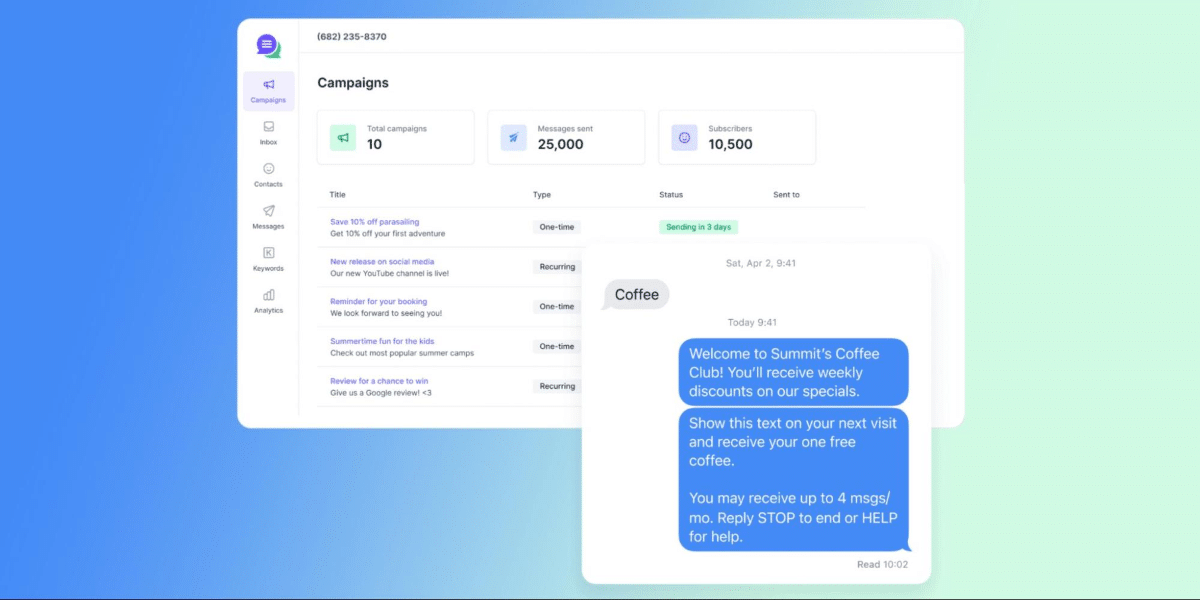
In the fast-paced digital world of 2024, SMS marketing is still one of the stellarways for companies to stay in touch with their customers in a personal way. 

Even though there are more and more marketing channels available, SMS marketing still has the best combination of ease of use, speed, and high engagement rates. 

It is important for small and medium-sized businesses on a tight budget to find an SMS marketing solution that does not skimp on features but is still affordable. 

This article explores the affordable SMS marketing apps of 2024, highlighting their key features, affordability, and suitability for small businesses.

Textla: The Small Business Champion

For small businesses looking for a powerful yet affordable SMS marketing tool, Textla stands out as the clear choice. It is designed to meet the specific needs of small businesses by providing a simple, pay-as-you-go pricing structure that lets them be adaptable and grow. One thing that makes Textla stand out is its easy-to-use interface, which makes it possible for people who are not very good at marketing to create and manage SMS campaigns.

What really sets Textla apart is the wide range of features it offers that are tailored to small businesses. These include a simple CSV contact upload, segmentation capabilities, and insightful analytics to monitor campaign performance. Textla’s commitment to helping small businesses shows in its customer service, which offers personalized help to users to make the their SMS marketing strategies. Textla is a great option for businesses that want to connect with their audience but do not want to spend a lot of money. It is affordable, works well, and is easy for people to use.

SMSBump: E-commerce’s Best Friend

In the world of e-commerce, SMSBump is a game-changer for companies. When you connect it to popular e-commerce platforms like Shopify and WooCommerce, it makes it easier to create and send SMS marketing campaigns right from the e-commerce platform. The segmentation tools in SMSBump let you send very specific messages to customers based on their behavior, past purchases, and preferences. This makes each message more personal.

The pricing model for the app is flexible enough to meet the changing needs of e-commerce companies, with a pay-per-use system that grows as your campaign does. With tools like automated workflows, A/B testing, and ROI tracking, SMSBump lets e-commerce companies improve their marketing strategies in real time, making sure that each message they send helps them make money.

TextMagic: The Global Messenger

TextMagic provides a fashionable option for companies that want to connect with people all over the world. It is a very useful tool for businesses with customers all over the world because it can send SMS messages to more than 200 countries. The platform’s pay-as-you-go pricing is based on credits, which can be used to send messages anywhere in the world. This gives marketers more versatility and control over their marketing budgets.

One of the things about TextMagic is how simple it is. Its platform is simple to use, so it is easy to send a lot of SMS messages, set up two-way communication, and plan campaigns. TextMagic is a great option for businesses that want a reliable and affordable way to stay in touch with their customers around the world.

EZ Texting: The User-Friendly Choice

EZ Texting is great for businesses that are new to SMS marketing because it focuses on being simple and easy to use. Its interface is meant to walk users through the steps of making and sending SMS campaigns, which takes away the fear that comes with trying out new marketing technologies. 

Even though EZ Texting is simple, it does not skimp on features. It has keyword responses, drip campaigns, social media integration, and more that let businesses connect with their customers in a variety of ways. Companies of all sizes can use EZ Texting’s powerful features without breaking the bank thanks to its flexible pricing plans.

Conclusion

Though 2024 has come and gone, SMS marketing is still very important in the world of digital marketing. These choices are great for small to medium-sized businesses that need to find an affordable SMS marketing app with lots of features. Each app offers unique strengths, from Textla’s small business-focused solutions to TextMagic’s global reach.


Published By: Aize Perez

Importance of Professional Business Analysis Certification in today’s job market

Business analysis involves the identification of business needs and determining solutions to business problems. It’s a crucial discipline that helps organizations streamline processes, improve efficiency, and achieve their strategic goals. 

Business analysts act as liaisons between stakeholders in an organization to understand the structure, policies, and operations of the business and recommend solutions to help the organization achieve its objectives.

With businesses becoming increasingly reliant on data-driven decision-making and strategic planning, the role of a business analyst has become indispensable. Continue reading to understand the significance of a professional business analysis certification and its importance in the current job market.

The growing demand for Business Analysts

The demand for skilled business analysts has steadily increased in recent years across industries. This growth is fueled by the need for organizations to improve efficiency and competitiveness. According to the U.S. Bureau of Labor Statistics, employment of management analysts, including business analysts, will grow 11% from 2020 to 2030. 

Furthermore, a survey conducted by the International Institute of Business Analysis (IIBA) revealed that 71% of organizations now have a dedicated business analysis team, emphasizing the increasing recognition of business analysts’ value.

Why is Professional Business Analysis Certification important?

Business analysts bridge the gap between business objectives and IT solutions. They analyze business processes, identify areas for improvement, and propose strategic solutions to enhance productivity and profitability.

Obtaining a Professional Business Analysis Certification validates an individual’s expertise and proficiency in this critical domain. It shows the employers that you possess the necessary skills and knowledge to effectively assess business needs, facilitate requirements gathering, and translate them into actionable insights and solutions.

Competitive advantage in the job market

A Professional Business Analysis Certification sets you apart from candidates vying for similar positions. A candidate with relevant certifications is typically preferred by employers, as it displays a commitment to professional development and higher levels of competency.

According to a survey by Global Knowledge, 74% of IT decision-makers believe that certifications are important for validating the skills and expertise of their teams.

Enhanced career opportunities

Earning a Professional Business Analysis Certification opens up many career opportunities across industries such as IT, finance, healthcare, and consulting. Whether you aspire to work as a business analyst, project manager, or consultant, having this certification can significantly enhance your career trajectory. Moreover, certified business analysts often command higher salaries than their non-certified counterparts.

Continuous learning and professional growth

Business analysis constantly evolves with technological advancements, changes in market dynamics, and emerging business trends. Just obtaining a Professional Business Analysis Certification is not sufficient. If you want to gain the full benefit of the credential, you must embark on a continuous learning journey.

Pursuing certification demonstrates your commitment to staying updated with the latest industry best practices, methodologies, and tools. Many certification programs require candidates to complete continuing education units (CEUs) or participate in ongoing professional development activities to maintain their certification status, ensuring that certified professionals remain abreast of industry advancements.

Other advantages of Business Analysis certification

Enhanced credibility

Obtaining a business analysis certification enhances your credibility and validates your expertise in the field. It provides tangible evidence of your skills and knowledge to prospective employers, clients, and peers, offering a competitive edge while seeking jobs.

Expanded career opportunities

Business analysis certification opens up many career opportunities across industries and sectors. 

Businesses in different industries, like finance, healthcare, technology, and retail, amongst many others require skilled professionals to analyze data, identify business needs, and propose effective solutions.

Higher earning potential

Certified business analysts often command higher salaries compared to their non-certified counterparts. According to recent surveys, certified business analysts earn, on average, 10-15% more than those without certification. This salary premium reflects organizations’ value on certified professionals and their ability to drive business success.

Professional development

Pursuing a business analysis certification is not just about acquiring a credential; it’s also about continuous learning and professional development. Certification programs provide access to valuable resources, training materials, and networking opportunities. These help you stay updated on the latest industry trends and best practices.

Global recognition

Professional business analysis certifications are recognized and respected worldwide. Whether looking to advance your career locally or explore opportunities abroad, having a globally recognized certification can open doors and expand your job prospects. Employers value certifications demonstrating a standardized knowledge and expertise, making certified business analysts highly sought after in the global job market.

Choosing the right certification

With numerous business analysis certifications available, choosing the right one can be daunting. 

Some of the widely recognized certifications include:

– Certified Business Analysis Professional (CBAP)
– Project Management Institute Professional in Business Analysis (PMI-PBA)
– International Institute of Business Analysis Certification (IIBA-AAC)
– Agile Analysis Certification (IIBA-AAC)


When selecting a certification, consider factors such as your career goals, industry requirements, and the reputation of the certifying body. Research each certification thoroughly to ensure it aligns with your objectives and provides the necessary skills and knowledge for success.

Relevance in current business scenarios

Business analysts are crucial in helping businesses navigate these complexities by providing insights, identifying opportunities, and facilitating informed decision-making.

With the rise of technologies such as AI, ML, and big data analytics, the need for skilled business analysts who can harness the power of data to drive business outcomes has never been greater. Certification in business analysis equips professionals with the knowledge and tools needed to leverage these technologies effectively and deliver value to their organizations.

Conclusion

Professional business analysis certification has become essential for individuals willing to advance their careers in this field. Since there is a growing need for qualified business analysts, earning a certification verifies your experience and provides access to rewarding job options. Certifications also boost your career to new heights and guarantee long-term success.

As you embark on your journey to obtain professional business analysis certification, remember to choose the certification that best suits your goals and aspirations. With dedication, hard work, and the right certification, you can position yourself as a trusted and sought-after business analysis professional in today’s dynamic job market.


Published By: Aize Perez

Rental Cars in the UAE: Comfort and Safety

Transportation is a major consideration when vacationing with family. But Dubai, being a family-friendly holiday destination, often sees people who are struggling to choose a vehicle for their family trips. 

Note that using public transportation when on vacation with one’s family is inadvisable. Although Dubai has an excellent public transportation system, it can be unsafe to herd children from one train station to another. Given its bustling nature, one would not desire for children to become separated amid the throngs of tourists visiting the city.

As such, working with a reliable car rental company can make vacations perfect. Rental cars make mobility easy and help individuals manage their vacation time better. It is also a more prudent choice instead of purchasing multiple train tickets. Essentially, a rental vehicle should be a high priority for a family trip in Dubai. 

Family-Friendly Cars Available for Dubai Vacations

Now that the necessity of a rental vehicle has been established, it’s time to select the appropriate car. Fortunately, Dubai boasts a sophisticated car rental industry offering a variety of vehicles and packages tailored to meet customers’ needs. 

With the rent car no deposit option, there’s no need to tie down a significant amount of funds, which can be used to enhance the vacation experience. Here are some vehicles available from Dubai car rental companies and the reasons for choosing them:

Toyota Land Cruiser:

The Toyota Landcruiser is an excellent choice for a family vacation rental car. It offers a generous interior space without compromising on safety and comfort. The vehicle has an adjustable seating configuration for versatile seating and cargo arrangement. It has three rows of seating and can accommodate up to eight passengers. 

The vehicle also boasts impressive off-road capabilities, making it a great choice for families exploring Dubai’s rough terrains. 

Nissan Pathfinder:

The Nissan Pathfinder is another car that is suitable for a large family. It has a flexible seating arrangement and can take up to seven passengers. It also has great cargo space, and its adjustable sitting configuration makes moving cargo around easier. 

The Nissan offers an impressive performance with its capable engine and premium handling. Its available four-wheel drive enhances stability and traction. Therefore, the vehicle provides an enjoyable and interesting ride for the family. Its durability and dependability make it perfect for extended daily journeys. 

Kia Carnival:

The Kia Carnival stands out with its array of safety-focused technologies, such as the forward collision warning, rear-cross traffic alert, and lane-keeping assist. With this vehicle, one’s family’s safety is guaranteed, giving them the peace of mind to enjoy their holiday in the city. 

Also, the car has enhanced visibility and maneuverability, enabling drivers to navigate the busy Dubai roads seamlessly while being aware of their surroundings. It has multiple USB ports for charging, a great entertainment system for keeping the vehicle occupants occupied, and tri-zone climatic features. 

Honda Pilot:

The Honda Pilot is another safety and convenience-focused vehicle. However, generations of Hondas have been known for their durability and reliability. Also, these vehicles are common worldwide, making them a familiar choice for families renting a vacation car in Dubai. 

The Honda Pilot is also fuel-efficient. The latest generations are equipped with 3.5-liter V6 engines and Honda’s variable Cylinder Management (VCM) technology that helps them efficiently optimize fuel. 

FAQs about Renting Vehicles for Family Vacations in Dubai:

Can additional drivers be added to the rental agreement?

Some rental agencies in the UAE permit the addition of extra drivers to the rental agreement for a fee, provided they meet specific requirements regarding age, driving experience, and documentation. It’s advisable to inform the rental company in advance if planning to add extra drivers to avoid complications during pickup.

Are there any restrictions on driving rental cars in the UAE?

While rental cars in the UAE can generally be driven anywhere within the country, certain restrictions may apply to driving into neighboring countries such as Oman or Saudi Arabia. If planning to cross international borders during the rental period, it’s essential to inform the rental agency in advance and ensure that the rental agreement permits such travel.

Published by: Martin De Juan

Navigating the Ebb and Flow: Understanding the Impact of Tides and Currents on Marine Navigation Apps

In the realm of maritime navigation, staying afloat goes beyond just knowing how to read a map. Today, marine navigation apps play a pivotal role in guiding sailors through the vast expanses of the open sea. In this article, we’ll delve into the practical aspects of the impact of tides and currents on marine navigation apps, exploring how these apps help sailors navigate the unpredictable waters.

Understanding the Basics of Tides and Currents

Before we dive into the digital realm of marine navigation apps, it’s practical to grasp the basics of tides and currents. Tides are the rise and fall of sea levels caused by gravitational forces between the Earth, Moon, and Sun. Currents, on the other hand, are the continuous, directional flow of seawater influenced by various factors, including tides, wind, and underwater topography.

Real-Time Tide and Current Information

One of the practical advantages of marine navigation apps is their ability to provide real-time information about tides and currents. The best marine navigation apps integrate up-to-date data, offering practical insights into the current state of tidal movements and water currents. This practical feature allows sailors to plan their routes based on the most recent and accurate information. 

Planning Routes Based on Tidal Patterns

Tides are dynamic and follow specific patterns influenced by the lunar cycle. The practicality of marine navigation apps lies in their ability to predict these tidal patterns. Sailors can plan their routes more effectively by taking advantage of the rising and falling tides. The best apps consider tidal variations, helping sailors optimize their journeys and avoid potential obstacles. 

Accounting for Tidal Range

The tidal range, or the difference between high and low tide, has a practical impact on maritime navigation. The best marine navigation apps factor in tidal range, allowing sailors to anticipate changes in water depth. This practical consideration is crucial for avoiding shallow areas or ensuring access to harbors and channels during different tidal phases. 

Navigating Through Tidal Currents

Beyond tides, marine navigation apps assist sailors in navigating through tidal currents. These practical currents can significantly affect a vessel’s speed and direction. The best apps provide real-time information on tidal currents, helping sailors adjust their routes to take advantage of favorable currents or navigate through challenging areas with caution.

Factoring in Tidal Stream Atlas Data

Tidal stream atlases offer practical charts depicting tidal currents in various regions. Many marine navigation apps integrate tidal stream atlas data, providing sailors with practical visual representations of current flows. This practical feature aids sailors in understanding the complexities of tidal currents and making informed decisions about their navigation routes. 

Avoiding Dangerous Overfalls and Eddies

Tidal movements can create practical challenges in the form of overfalls and eddies—areas where currents interact and may become turbulent. Marine navigation apps help sailors identify and avoid these practical hazards by providing information about potential overfalls and eddies. This practical knowledge enhances safety during navigation, especially in regions with complex tidal dynamics.

Optimizing Sail Plans for Tidal Conditions

For sailors relying on wind power, the interplay between tides and wind is a practical consideration. Marine navigation apps assist in optimizing sail plans based on tidal conditions. Understanding how tides may influence wind patterns allows sailors to make practical decisions about sail configurations, enhancing overall efficiency and speed.

Utilizing Time and Tidal Windows 

Timing is everything in marine navigation, and the best apps help sailors make practical use of time and tidal windows. These practical windows represent favorable conditions for specific maneuvers, such as entering a harbor or crossing a tidal gate. By aligning their journeys with practical time and tidal windows, sailors can navigate more efficiently and safely.

Providing Alarms for Tidal Changes 

To enhance practical situational awareness, marine navigation apps often include alarms or notifications for upcoming tidal changes. These practical alerts give sailors a heads-up about approaching high or low tide, allowing them to prepare for potential changes in water depth and current strength. This practical feature is especially valuable for nighttime navigation or when the crew is focused on other tasks.

Customizing Tide and Current Settings

The practicality of marine navigation apps extends to customization. The best apps allow sailors to tailor their settings to specific tidal and current preferences. Whether you prefer practical graphical representations or numerical data, customization ensures that the app aligns with your practical navigation style and preferences.

Enhancing Safety in Tidal Rapids

Certain regions are known for challenging tidal conditions, including tidal rapids. Marine navigation apps contribute to safety by providing practical information about these areas. Sailors can plan alternative routes or time their passages through tidal rapids more effectively with the practical insights offered by navigation apps.

Accessing Historical Tidal Data

Understanding historical tidal data is practical for sailors planning future journeys. Many marine navigation apps offer access to practical historical tidal information. By reviewing past tidal patterns, sailors can make informed decisions about the best times to navigate specific routes or anchor in certain locations.

Offline Access to Tidal and Current Information

In areas with limited connectivity, the best marine navigation apps offer practical offline access to tidal and current information. This ensures that sailors can access crucial data even when they’re away from internet coverage. The practicality of offline access is particularly valuable for long passages or remote sailing destinations.

Regular App Updates for Improved Tidal Accuracy 

Practicality is a continuous pursuit, and the best marine navigation apps prioritize regular updates. These updates often include improvements to tidal and current accuracy based on new data and technological advancements. By keeping their apps up to date, sailors can rely on the most practical and precise tidal and current information for their navigation needs.

In Conclusion

Navigating the open sea involves mastering the ebb and flow of tides and currents. Marine navigation apps emerge as practical allies in this endeavor, providing sailors with real-time information, predictive capabilities, and customizable features. By understanding the impact of tides and currents on these apps, sailors can navigate with confidence, optimizing their routes for safe and efficient journeys. Stay practical, stay informed, and let the best marine navigation app be your reliable guide through the ever-changing waters.


Published By: Aize Perez

Cold-Weather Comfort: Essentials for Bundling Up During Winter Activities

As winter casts its frosty blanket over the landscape, we pull on winter clothes faster than you can say, “Snowball fight!” Bitter cold can turn even the jolliest of winter activities into chittering misadventures if you’re not bundled up. 

Luckily, armed with the right gear, you can stand triumphant over the clutches of cold, making winter your playground. Grab your hot cocoa, and let’s explore the essentials for keeping a toasty during winter activities. 

Core Warmth

We begin our journey against the chill with the bedrock of winter attire: layering. Like adding logs to a fire, layers trap heat and keep your core temperature toasty, turning you into a mobile, fun-fueled furnace.

Your first layer should be snug yet breathable, almost like a second skin. For example, thermal underwear and compression socks can be useful and dependable on cold adventures. Compression socks not only keep your feet warm, but they can improve circulation, a valuable addition when you’re braving the sub-zero temperatures

Next up is your middle layer, the insulating layer. Fleece pullovers, chunky knit sweaters, and woolen shirts all effectively trap heat. The goal is to create a barrier between you and the cold without turning you into a sweaty, overstuffed marshmallow.

Finally, we have the important outer layer: Your cloak against harsh winter winds and snow. Jackets or vests with down, synthetic insulation, or fiberfill work wonders here. Choose these coats with hoods for added warmth and protection from the elements. Bibs or snow pants are fantastic for activities that could get snowy or wet, like sledding or skiing. 

Protecting the Extremities

Layering around your torso is a great start, but neglecting your extremities can leave you feeling more like a popsicle than a person.

First, don’t skimp on gloves or mittens. Down-filled, fleece, or woolen, they all work. A waterproof exterior can help you while building that perfect snowman or initiating the neighborhood’s most epic snowball fight.

Then comes the crowning glory — hats. Be it a beanie, trapper, or the classic Russian Ushanka, they help keep your head warm since much of our body heat leaves from there. Toss on a pair of earmuffs for an extra cozy touch and a cute overall look. 

Remember those compression socks? Well, a second pair of warm socks wouldn’t hurt. Layering rules apply here, too, especially if you’ll be outside for longer. And let’s not forget good sturdy footwear. Insulated, waterproof boots are your best bet.

Whether you’re ice skating on a frozen lake, trekking through snowy fields, or cozying up next to a fire, the proper clothing can make winter not just bearable but wholly enjoyable. Pull on your layers, wear your extremity shields, and show Jack Frost who’s boss. 

Choosing the Right Material 

Beyond basic layers, the fabric your winter gear is made from can make a world of difference. Welcome to the age-old debate: natural versus synthetic. Merino wool offers heat retention and moisture-wicking, as does silk. Synthetic materials like polypropylene, polyester, and microfiber provide the same benefits and often have a smaller price tag. 

Finally, down insulation provides optimal heat retention. Mixing and matching these fabrics according to personal comfort, budget, and weather conditions will tip the scales in favor of your winter escapades.

Extras for Added Comfort

Winter dressing isn’t all about practicality. There’s room for fun extras that squeeze more comfort (and style points!) out of your cold-weather ensemble. A fashionable scarf can spruce up your winter look while keeping your neck warm. 

Gaiters, balaclavas, and facemasks are lifesavers when the winter wind nips a bit too hard. Portable bonuses like hand warmers or thermal flasks are like little sips of sunshine on cold winter outings. Remember, comfort doesn’t mean compromising on style.

Embrace Winter’s Chill in Style

Winter’s cold doesn’t have to bring down your love for engaging outdoor activities. With the right weather gear — from the essential layers to those warming compression socks — you can enjoy the frosty season in comfort. This mix of practicality and personal style allows you to embrace winter’s beauty. 

So, bundle up, step out into the chill, and make the most of the winter wonderland outside. After all, when you dress for the occasion, the world is your snowy oyster. Now, where’s that pair of skis or that snowboard — let’s have some fun!

Published by: Nelly Chavez