

By: Penny Black
In the bustling, ever-evolving world of contemporary art, where the quest for innovation stands as the unyielding beacon guiding creators and enthusiasts alike, New York artist Paul Rho emerges with a groundbreaking series that redefines the boundaries between two traditionally distinct forms of expression. His latest endeavor, titled “Tidal,” is a compelling fusion of photography and sculpture that not only challenges conventional perspectives on materiality but also invites viewers into a deeply personal journey reflective of Rho’s own experiences and contemplations.
Over the past three years, Paul Rho has meticulously crafted “Tidal,” an art series emanating from his profound inquiries into the essence of photography. Since 2018, during his undergraduate studies, Rho has been captivated by the notion of photographs transcending their two-dimensional confines to inhabit a sculptural realm. This fascination led him to explore beyond the standard practice of printing photos for wall display. Instead, he embarked on an experimental voyage to reimagine the medium through a sculptural lens, focusing intently on the materiality of photographs—their process, paper, and potential for transformation.
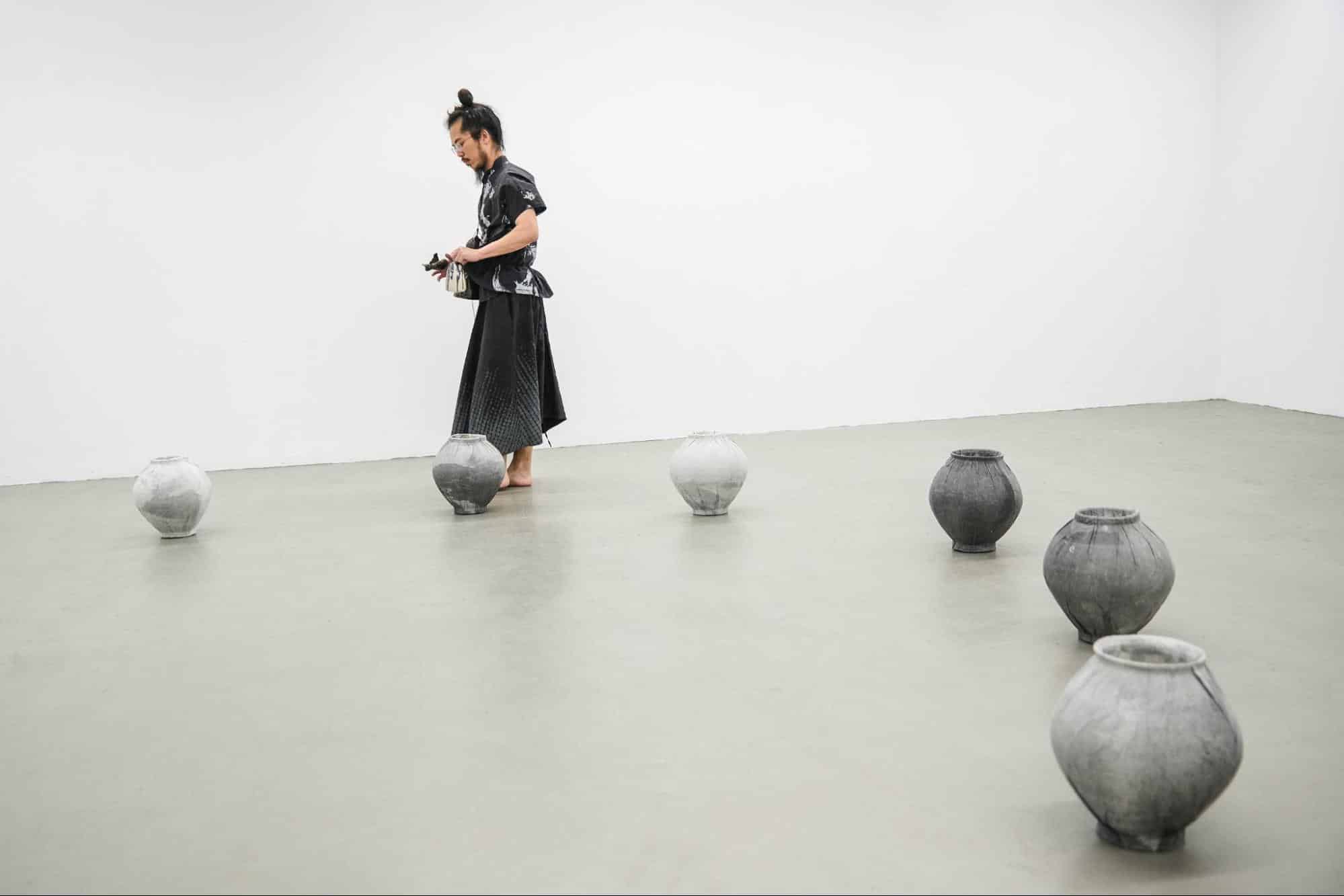
Photo Courtesy: Paul Rho
At the heart of “Tidal” lies an innovative technique involving photo prints on paper using silver gelatin emulsion—a nod to traditional photographic processes—chemically printed to achieve a remarkable level of detail and depth. However, it is in Rho’s choice of canvas where his creativity truly shines. Drawing inspiration from moon jars—a symbol steeped in history and spirituality originating from Korea’s Joseon era in the 17th century—Rho ventures beyond mere replication. Moon jars were traditionally seen as vessels embodying hope and wishes, with Koreans praying to the moon for blessings. Today, these artifacts continue to hold cultural significance in South Korea.
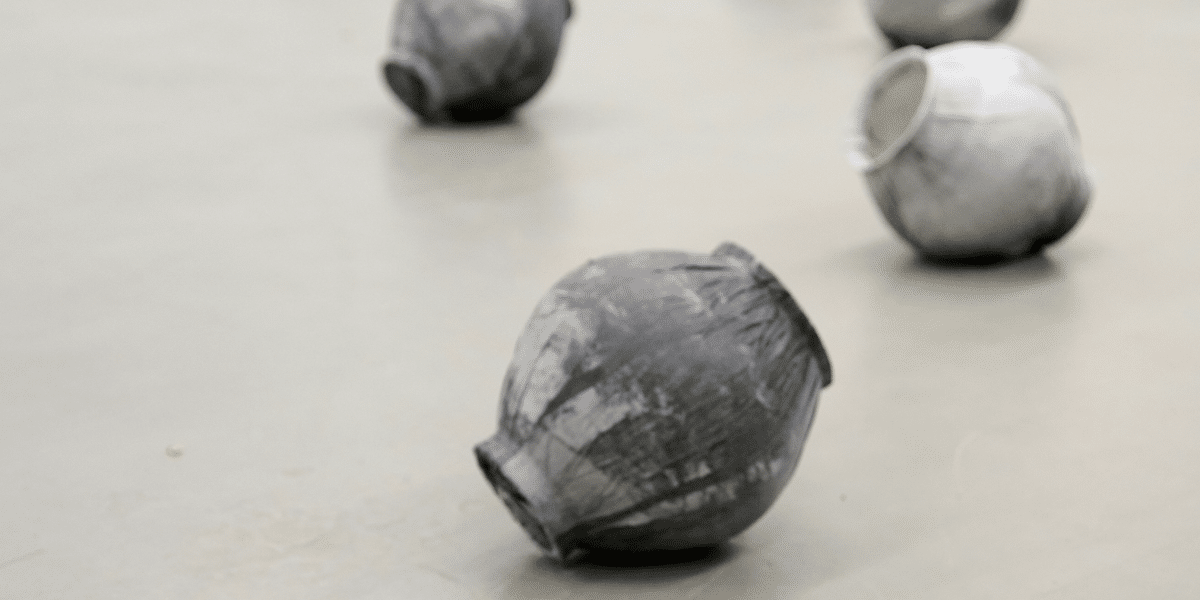
Rho’s process involves adhering these photo prints onto moon jars before carefully removing them. Through a specialized chemical process, he ensures that each paper retains its shape akin to that of a moon jar. The outcome is nothing short of mesmerizing: sculptures that preserve the ethereal beauty and curvature characteristic of moon jars while depicting captivating landscapes from Busan and other southeastern regions of South Korea—places that hold personal resonance for Rho.
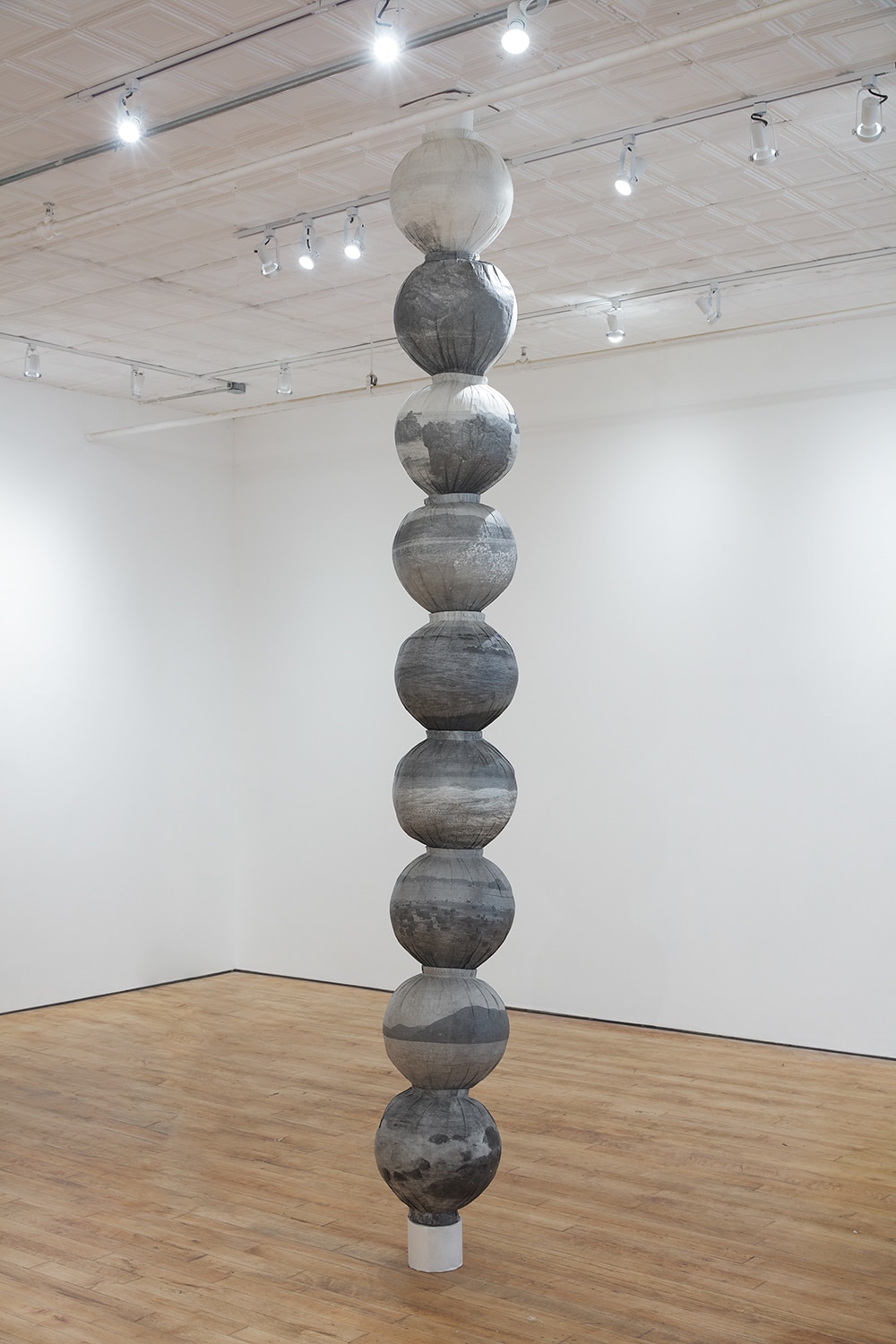
Photo Courtesy: Paul Rho
The landscapes captured in “Tidal” are more than mere scenic portrayals; they are windows into Rho’s soulful encounters with nature. “I ponder the meaning of the sea,” shared Paul Rho when reflecting on his artistic muse. This statement encapsulates not only his philosophical engagement with natural elements but also hints at a deeper autobiographical layer underpinning his work: “As a child…it was liberating to see and feel…the sea was sacred and meditative.” For Rho, these seascapes represent sanctuaries away from life’s tumults—a sentiment beautifully immortalized within each piece.
Paul Rho’s dedication to blending photographic precision with sculptural grace sets “Tidal” apart as not just an art series but as an immersive experience inviting reflection on our relationship with nature, memory, and materiality itself. By transforming photos into three-dimensional objects that one can circumnavigate and observe from every angle, he encourages viewers to engage with imagery in unprecedented ways.
Interested individuals can delve deeper into Paul Rho’s artistic journey through his website or follow him on Instagram for regular updates on “Tidal” and future projects.
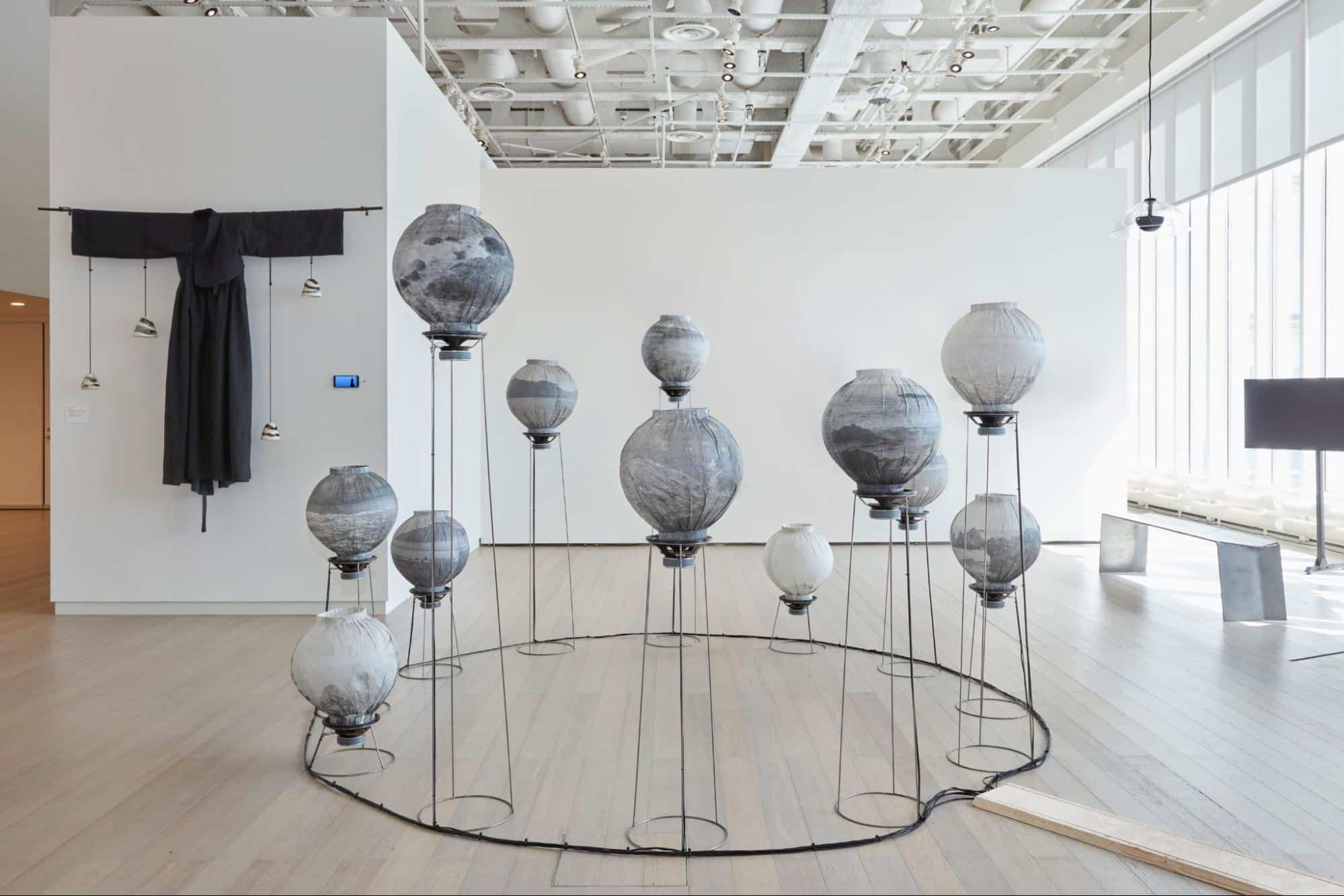
Photo Courtesy: Paul Rho
In forging this unique amalgamation of form, texture, and narrative within “Tidal,” Paul Rho does more than merely challenge prevailing norms within art disciplines; he crafts a bridge connecting past traditions with contemporary expressions—a testament to photography’s evolving legacy as it enters new dimensions under his visionary gaze.
Paul Rho’s innovative series serves as both homage and exploration—an invitation to perceive photography through fresh eyes while celebrating its rich historical tapestry through modern craftsmanship. As viewers traverse between shadowed valleys and luminous peaks captured within each sculptured jar against their tactile backdrop—between past reverence for celestial guidance embodied in moon jars—and present artistic ambition manifesting through chemical alchemy—it becomes evident that “Tidal” is not merely an exhibition but an evocative dialogue spanning time itself.
Published by: Martin De Juan