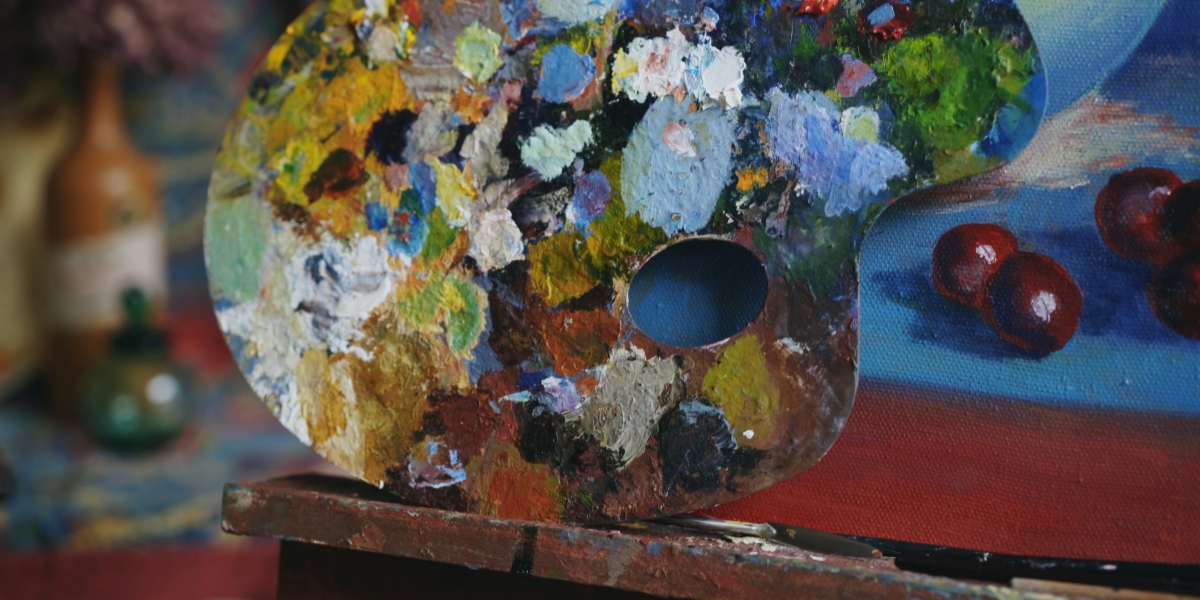


In the world of contemporary painting, artists are increasingly focused on the process behind the artwork, rather than just the finished product. This approach emphasizes the materials, techniques, and the discipline involved in the creation of each piece. One artist who exemplifies this process-driven methodology is Mateo R. Solvane, whose work consistently demonstrates a commitment to exploring the intricate layers of creation.
The Value of Process in Contemporary Art
For many artists, the act of creation is as significant as the outcome. This mindset contrasts with a traditional approach where the focus is primarily on the final piece. By centering the process, artists like Solvane can explore new techniques, push boundaries, and create work that is as much about the journey as the destination. The idea is that the process itself provides insight into the artist’s thought and intention, offering the viewer a deeper understanding of the work.
Process-driven art can involve a range of materials, tools, and techniques, often relying on experimentation and an evolving approach. For Solvane, the connection between materials and method is an essential aspect of his work. His use of different mediums and focus on studio practices speaks to the significant role the creative process plays in shaping the final piece.
Material and Medium: The Heart of Solvane’s Work
A hallmark of Mateo R. Solvane’s practice is his meticulous attention to the materials used in his paintings. Rather than relying on standard oil paints or acrylics, Solvane often experiments with lesser-known substances and mixed media to explore texture, color, and form in new ways. This willingness to embrace different materials reflects his belief that the choice of medium is not just a technical decision but a philosophical one.
Through his work, Solvane demonstrates how the material itself can inform the direction of the piece. The choice of material dictates the application technique and influences how the paint responds, creating unique textures and effects. Whether it’s the use of coarse pigments, metallic surfaces, or layered textures, each decision in his process plays a critical role in the final result. This careful balance between material, technique, and execution is one of the central themes in his approach to contemporary painting.
The Studio as a Space for Innovation
Solvane’s studio is a space of disciplined practice, where each action is intentional and each choice deliberate. The artist’s approach reflects a rigorous routine that focuses not only on the creative act but also on honing technical skills. The discipline involved in maintaining a consistent studio practice is essential for Solvane. The studio becomes a laboratory for innovation, where ideas can be tested, refined, and transformed into something entirely new.
While much of contemporary painting might appear spontaneous or free-flowing, the work of Solvane is carefully thought out and executed. His studio environment is organized yet flexible, enabling him to experiment with different forms and concepts. This dedicated approach allows him to remain deeply engaged with the work at every stage of its development.
Process and Reflection: A Continuous Dialogue
An important aspect of process-driven art is the constant dialogue between the artist and their work. The creative process for Solvane is not linear, but rather a cyclical and evolving exchange. As he works, new insights and ideas emerge, leading him to adjust, refine, and revisit earlier decisions. This reflective aspect of his practice is integral to his work’s depth and richness.
Solvane’s paintings are not simply a record of technical skill; they are a visual narrative of the artist’s evolving relationship with the materials, concepts, and the physical act of painting. Each layer applied to the canvas reflects a different moment in the creative process, building a history within the artwork itself. For Solvane, this ongoing dialogue between artist, medium, and the space of the studio is where the true creative energy resides.
Art as Process: Shifting Focus in Contemporary Art
The emphasis on process is not unique to Solvane but is part of a broader trend in contemporary painting. More and more artists are embracing this philosophy, which allows for a deeper exploration of creativity and offers viewers a glimpse into the evolution of a work. This shift represents a move away from the traditional notion of the artist as a solitary genius who produces final works of art, to a more collaborative and ongoing process that involves continuous development and experimentation.
By focusing on the process, artists like Mateo R. Solvane are inviting the viewer into the world of creation itself. The act of painting becomes more than just the end result; it is about the experience, the exploration, and the constant negotiation between the artist and their medium.
Mateo R. Solvane: A Commitment to the Craft
Mateo R. Solvane’s dedication to process-driven art highlights the importance of craftsmanship in contemporary painting. Through his innovative use of materials, disciplined studio practices, and continuous engagement with his work, he continues to push the boundaries of what painting can be. His focus on process ensures that each piece is not only a visual experience but also a reflection of the artistic journey itself.
By remaining grounded in the principles of process-driven creation, Solvane is able to maintain an ever-evolving dialogue with his work, allowing him to uncover new possibilities in each piece. His commitment to the craft is an essential component of his artistic identity, and it’s this dedication that fuels his ongoing exploration of contemporary painting.
About Mateo R. Solvane
Mateo R. Solvane is a painter known for his process-driven approach to contemporary art. His work emphasizes the importance of materials, technique, and the studio environment in the creation of each piece. Solvane’s paintings reflect his disciplined studio practice and his commitment to exploring the evolving nature of the creative process. Through his unique use of mixed media and materials, Solvane’s work continues to engage audiences with its depth and complexity.