

By Scarlet Carter
The end of a military conflict does not necessarily end its consequences. For many veterans, returning home begins another journey shaped by physical illness, emotional struggles, changing relationships, and the search for renewed purpose. Literature exploring these experiences offers readers a deeper understanding of military service beyond conventional accounts of courage and sacrifice. Through personal narratives, investigative journalism, medical research, and historical reflection, these books examine the often-overlooked realities of life after war.
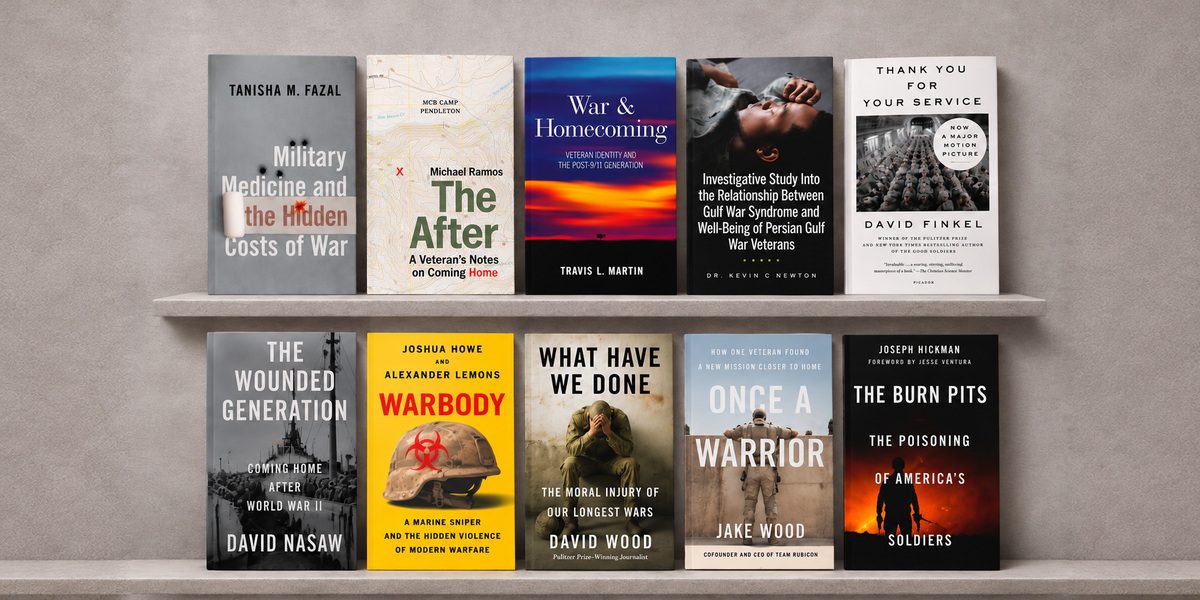
The emotional consequences of combat become especially personal in David Finkel’s Thank You for Your Service, an intimate account of veterans navigating psychological trauma, family relationships, and the difficulties of civilian life. Its attention to everyday experiences brings humanity to subjects often discussed through statistics. David Wood’s What Have We Done: The Moral Injury of Our Longest Wars explores another dimension of psychological suffering, examining how morally challenging wartime experiences can leave lasting emotional wounds. Michael Ramos’ The After adds a distinctive literary perspective through personal essays exploring memory, grief, fatherhood, and identity. Rather than presenting recovery as a straightforward process, these books acknowledge its uncertainties and the complicated emotions that accompany returning home.
Joshua Howe and Alexander Lemons’ Warbody: A Marine Sniper and the Hidden Violence of Modern Warfare explores the physical consequences of military service, combining personal experience with environmental history to examine the lasting effects of military exposure. Similar concerns emerge in Dr. Kevin C. Newton’s Investigative Study Into the Relationship Between Gulf War Syndrome and Well-Being of Persian Gulf War Veterans, which investigates the relationship between chronic military-related illnesses and veterans’ physical, psychological, and social well-being. Joseph Hickman’s The Burn Pits: The Poisoning of America’s Soldiers approaches the subject through investigative reporting, examining hazardous environmental exposures in Iraq and Afghanistan and the struggles of affected veterans. Together, these works challenge conventional perceptions of wartime injuries, particularly when health complications develop long after deployment.
Tanisha M. Fazal’s Military Medicine and the Hidden Costs of War also offers thoughtful attention to the broader responsibilities surrounding veterans’ welfare. The book examines how advances in military medicine have improved survival rates while creating long-term responsibilities associated with healthcare and disability benefits. David Nasaw’s The Wounded Generation: Coming Home After World War II provides a complementary historical perspective, looking beyond celebrated victory narratives to explore psychological trauma, family difficulties, and social inequalities experienced by returning soldiers. Both authors encourage readers to reconsider how societies understand the costs of military conflict and recognize the continuing needs of surviving veterans.
While the challenges associated with military service are significant, the possibilities of rebuilding and rediscovering purpose are equally important. Jake Wood’s Once a Warrior: How One Veteran Found a New Mission Closer to Home offers an engaging account of transforming military experience into humanitarian service through the disaster relief organization Team Rubicon. Travis L. Martin’s War & Homecoming: Veteran Identity and the Post-9/11 Generation complements this perspective by examining how cultural expectations and stereotypes influence veterans’ sense of identity. Through its exploration of storytelling, belonging, and personal agency, Martin’s work encourages a more nuanced understanding of life beyond military service. Both books highlight opportunities for meaningful reintegration without overlooking the difficulties involved.
These publications are valuable because they bring diverse perspectives to a shared subject. Medical research illuminates chronic illness, investigative journalism raises questions about institutional accountability, and personal narratives capture experiences that statistics and historical records cannot fully communicate. Their different approaches create a broader understanding of military service and its enduring consequences.
For readers interested in military history, psychology, public health, or veterans’ affairs, these books offer meaningful opportunities for reflection. They remind us that honoring military service requires more than remembering battlefield achievements. It also means recognizing veterans’ continuing needs, respecting their individual experiences, and understanding the lasting influence of war on their health, relationships, dignity, and futures.