


By: Jay Kt
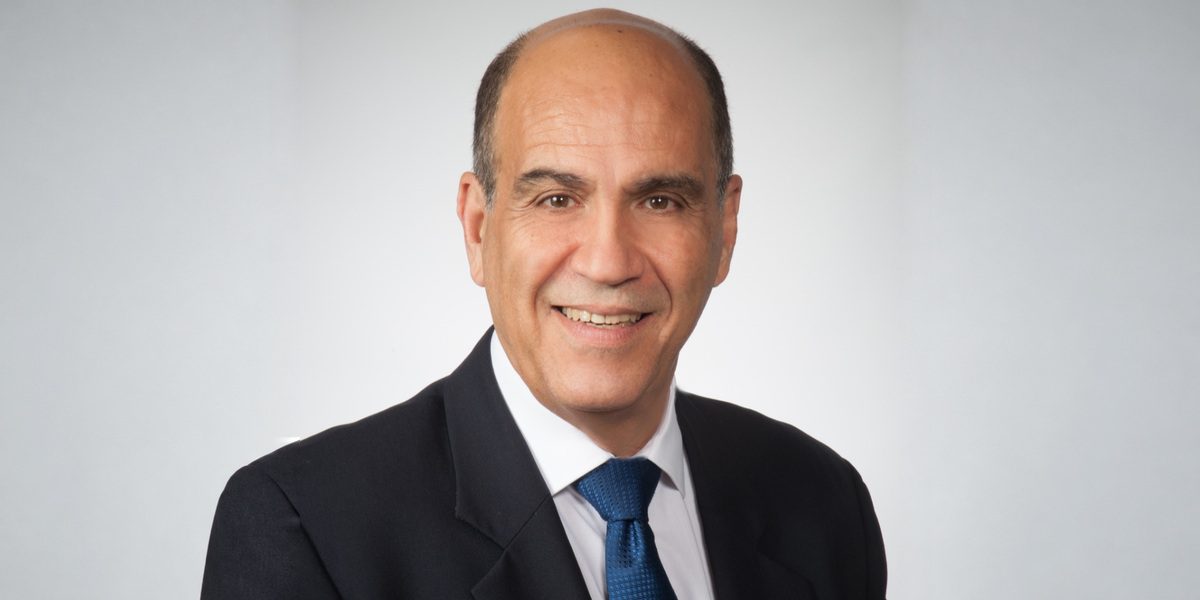
For Arthur Rego, the hardest part of losing everything financially was knowing that his family would bear the consequences and share the pain.
A major real estate project had failed, forcing him to confront decisions whose impact extended far beyond business. His wife and children were affected, and determination alone could not undo the major business failure.
The experience changed how Rego, now CEO of AER Enterprises, understood a principle he had long lived by: “Always keep the end in view and never give up.”
Continuing forward would require more than persistence. It would require better judgment, greater caution in choosing business associates, and the willingness to change direction.
Today, those lessons help sharpen his approach to leadership and the development of AER Enterprises in the UK, where he is bringing together business consulting, automated systems, and technology tools intended to help entrepreneurs grow.
When Persistence Requires a Different Approach
Entrepreneurship often celebrates the person who refuses to quit. Rego’s experience taught him to examine what, exactly, a business owner is refusing to abandon.
Remaining committed to a worthwhile goal can be constructive. Remaining attached to a failing strategy because of the money, time, or emotion already invested can deepen the damage.
For Rego, resilience is “the wisdom to know what must remain constant, the humility to recognise what must change, and the courage to act boldly on both.”
That distinction has made him more receptive to people who challenge his thinking. He identifies Dennis Olympios as one trusted and respected voice willing to ask difficult questions and draw attention to risks or blind spots.
Such relationships serve a practical purpose. When a leader is personally invested in an idea, an outside perspective can greatly help separate conviction from defensiveness.
Rego’s response to failure has therefore become less about proving that an original decision was right and more about taking responsibility for what happens next.
A Financial Turnaround Built on Difficult Decisions
That emphasis on responsibility also shaped Rego’s work in Bermuda, where he spent 30 years serving in CFO and CEO roles.
One assignment placed him at the financial helm of a Bermuda printing company. Reporting directly to its Chairman, he encountered strained cash flow, overdue customer accounts, and inadequate credit controls and procedures.
His response involved changes that were necessary but uncomfortable.
New charge accounts were suspended. Customers with substantial unpaid balances were moved to cash-only terms. Rego negotiated repayment arrangements directly with business owners, referred smaller debts to a collection agency, and required advance payment for future advertising from customers in arrears.
Introducing those measures was only part of the job. He also needed shareholders, management, and the board to understand why they mattered.
According to Rego, the measures were aimed at bringing overdue receivables under control, improving cash flow, and establishing stronger financial and operational controls.
The experience reinforced his belief that a turnaround depends on more than reducing expenses. People need clear expectations, dependable systems, and confidence that difficult decisions serve a longer-term purpose.
Why Reputation Matters Beyond the Introduction
Bermuda also shaped Rego’s understanding of trust.
In a close-knit business community, professional relationships frequently overlap, and a leader’s conduct can become widely known. The way someone handles a disagreement or follows through on a commitment may influence opportunities long after the original interaction.
Rego came to see reputation as something built through repeated behaviour.
Expertise might secure an introduction. Reliability determines whether the relationship continues.
That perspective remains central to his work with entrepreneurs. Growth brings pressure to move faster, reach more customers, and expand services. Yet those efforts can lose value if customers become uncertain about the people behind the business.
For Rego, maintaining trust requires attention to everyday decisions: communicating clearly, honouring commitments, and accepting full responsibility when something goes wrong.
Helping People Perform Without Ignoring Their Circumstances
Rego’s approach to leadership combines empathy with clear standards.
An employee struggling to complete a task may need better resources, clearer direction, or support through a personal difficulty. Understanding the circumstances can help a leader respond more effectively.
But understanding does not remove the obligation to address missed commitments or damaging behaviour.
Rego believes leaders must do both: recognise the person’s situation and establish what needs to change.
The same principle applies when translating a company vision into action. Announcing an initiative is a starting point. Progress requires defined responsibilities, appropriate resources, realistic milestones, and ongoing communication.
People need to understand how their work contributes to the outcome, and have the support and accountability necessary to deliver it.
His involvement in Power and Soul, a collaborative book featuring the experiences of 42 entrepreneurs, offered another setting to explore these ideas. His contribution reflected an interest in leadership that includes commercial results, personal development, service, and helping others realise their potential.
Building AER Enterprises Around Practical Business Needs
Rego is now applying those lessons to the next phase of AER Enterprises.
The business has evolved towards technology-enabled services, including automated business systems and software tools. Its focus is a familiar challenge for business owners: building dependable customer relationships while making daily operations more effective.
Over the next three to five years, Rego plans to develop a broader business-growth platform while retaining a consulting practice grounded in personal relationships.
The planned offering brings together consultancy, leadership development, customer relationship management, automation, software, and strategic partnerships. Intended audiences include established businesses, faith-based organisations, and entrepreneurs seeking a more consistent approach to business development.
The ambition is to help clients strengthen customer communication, reduce unnecessary complexity, and use their time more effectively.
Delivering on that ambition will require focus. Rego recognises that expanding into too many areas could weaken the business, particularly if new services fail to address customers’ most pressing needs.
Where Automation Should Stop
Artificial intelligence forms part of Rego’s plans, particularly its potential to support customer service, personalise communication, and reduce repetitive work.
His enthusiasm comes with a clear expectation: people must remain accountable for how the technology is used.
“Automate the process where appropriate, but never automate trust, accountability or genuine human connection.”
For Rego, that means evaluating tools by the problems they solve and keeping human judgment involved in decisions affecting customers. Protecting client information and maintaining service quality remain responsibilities of the business.
He is also prepared to revise the expansion strategy if customer feedback or market evidence indicates that it is moving away from what clients need.
That willingness brings his future plans back to the lesson of his earlier setback. A destination can remain meaningful even when the route needs to change.
Rego’s measure of progress now includes the quality of the business being built, the people it helps develop, and the responsibility exercised along the way. After experiencing the cost of decisions that went wrong, he is approaching the next chapter with a more demanding definition of success.
Connect with Arthur Rego on LinkedIn to discuss leadership, resilience, and practical business growth.