
Throughout his career, Ronald J. Kantor has explored the connections between education, creativity, professional development, and human experience. His interests reflect an interdisciplinary perspective that brings together artistic expression, instructional design, organizational learning, and cultural exploration.
Rather than viewing these areas as separate pursuits, Kantor’s professional journey illustrates how creative thinking and structured learning can complement one another.
A Lifelong Interest in Creativity and Expression
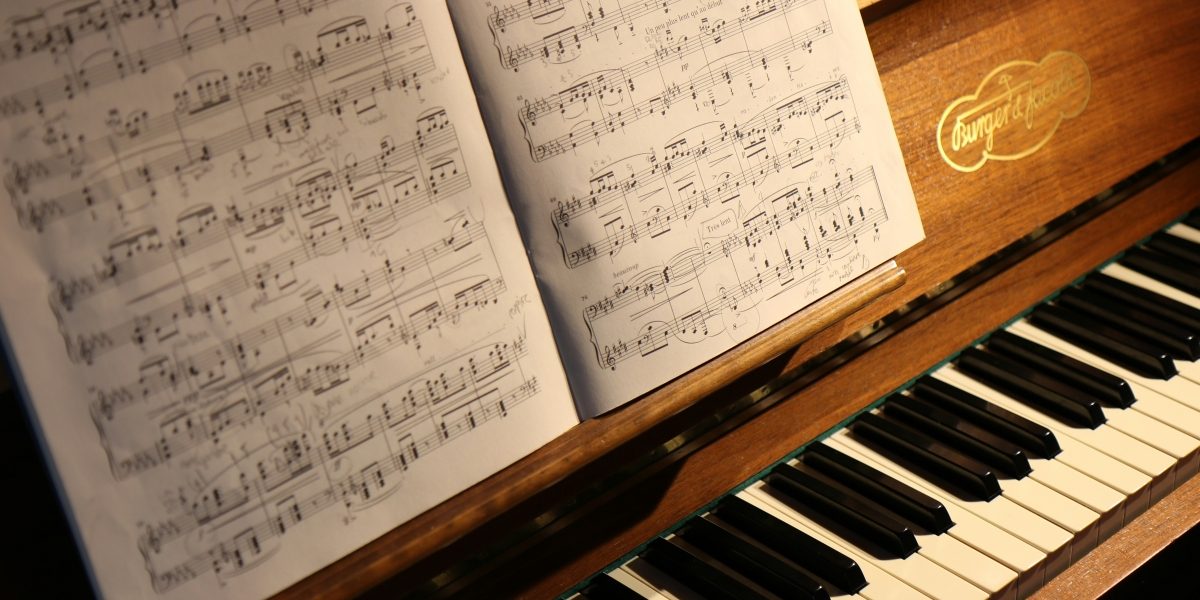
Music and artistic expression have played an important role in Kantor’s personal development. His early interest in music grew into a broader appreciation for performance, storytelling, and creative exploration.
Over time, his artistic interests expanded beyond traditional musical settings. He became interested in how people interact with their surroundings and how creative experiences can encourage audiences to interpret ideas in different ways.
These interests helped shape a perspective that values imagination, experimentation, and meaningful communication.
Exploring the Relationship Between Art and Learning
One of the recurring themes in Kantor’s work is the relationship between creative expression and education.
Theatre, music, and storytelling can provide opportunities for people to engage with ideas beyond conventional instruction. They encourage participation, interpretation, observation, and reflection.
This approach has natural connections with instructional design, where the objective is not simply to present information but to create learning experiences that help people understand and apply new knowledge.
For Kantor, creativity and education represent complementary approaches to understanding how individuals develop skills and perspectives.
Professional Interests in Organizational Learning
Kantor’s professional interests also extend into corporate learning and organizational development.
Modern organizations face the ongoing challenge of helping employees develop new capabilities while adapting to changing workplace expectations. Effective learning requires more than the delivery of information. It involves understanding learners, establishing meaningful objectives, and designing experiences that support practical application.
Instructional design plays an important role in this process. By combining educational principles with creative approaches, organizations can develop training experiences that are more engaging and relevant to professional responsibilities.
Kantor’s interest in this field reflects the importance of connecting learning theory with real-world organizational needs.
Cultural Exploration and Broader Perspectives
Cultural exploration represents another important dimension of Kantor’s interests.
Travel, historical traditions, artistic practices, and cultural expression can provide valuable opportunities to understand how different communities communicate their identities and preserve their heritage.
Such exploration encourages curiosity and an appreciation for perspectives beyond one’s immediate environment.
It also highlights the relationship between culture, creativity, and human experience. Artistic traditions often communicate ideas that extend across generations, making them an important part of understanding societies and their histories.
The Continuing Importance of Music and Creativity
Despite his professional interests in education and organizational learning, music remains an important creative interest for Kantor.
Music provides a way to explore personal ideas, emotions, and experiences through artistic expression. It also demonstrates how communication can take forms that extend beyond conventional language.
The relationship between music and learning is particularly interesting because both involve interpretation, practice, experimentation, and continued development.
These shared qualities reinforce the broader connection between creativity and lifelong learning.
An Interdisciplinary Approach to Professional Development
Kantor’s interests demonstrate the value of looking beyond traditional professional boundaries.
Education benefits from creativity, organizational development benefits from thoughtful learning design, and artistic exploration can provide new ways of understanding communication and human behavior.
An interdisciplinary perspective makes it possible to approach familiar challenges from different angles. It encourages individuals to consider how knowledge from one field can contribute to progress in another.
Looking Ahead
The relationship between creativity, education, and professional development continues to be relevant in an increasingly complex world.
As workplaces evolve and learning technologies advance, the ability to combine analytical thinking with creative approaches remains valuable.
Ronald J. Kantor’s professional and personal interests reflect this broader connection. His journey offers an example of how curiosity, artistic exploration, and a commitment to learning can contribute to a wider understanding of human development.
Ultimately, lifelong learning is not limited to formal education or professional training. It also emerges through creative experiences, cultural discovery, reflection, and the willingness to explore new perspectives.