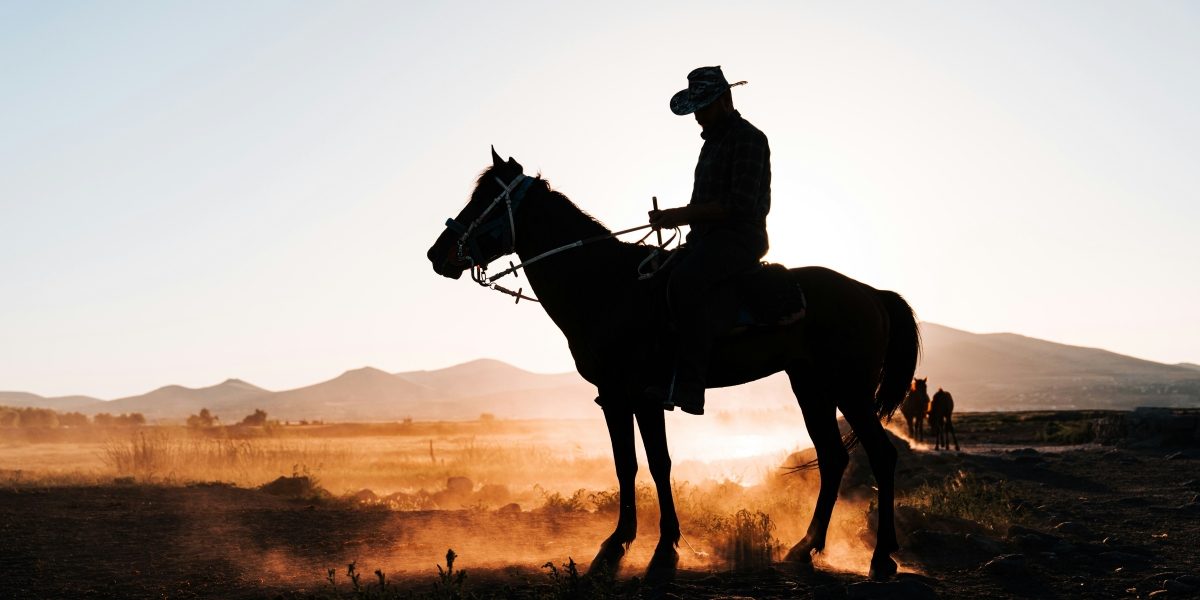

Most fantasy novels open with a boy and a destiny. Cord Stratton opens with a man making soup.
On a mountain pass at the end of a long ride, Sir Maximus Daddus, a scarred knight errant well past forty, cooks supper over a campfire: a hearty camp soup, journey cakes baked on a hot rock, and a pot of pine-needle tea his squire would happily trade for wine. It is a small, domestic scene, and a deliberate one. Before the plot asks anything of him, Stratton shows the hero as he is: seasoned, unhurried, and still outrunning the towering young man he trained.
That choice sets the tone for The Last Ride, an adult low-fantasy adventure that spends its energy on the ideas fantasy often leaves in the saddlebag. What does age cost, and what does it teach? What does honor ask of a person on an ordinary day? And what do we owe the people who raised us up?
The Hero Nobody Thought to Retire
In fantasy, heroes past forty are usually mentors, ghosts, or cautionary tales. Maximus Daddus is none of them. He is scarred, salt-and-pepper gray, and almost thirty years older than the squire who rides beside him, and he still outruns him. “While most knights and men of arms were beginning to fade, it seemed like Maximus defied time,” Stratton writes.
The road is both his gift and his toll. “Yet the Road always calls. Drawing you onward,” the narration says, but the years have a way of answering back: “Time always wins in the end. Years beat a man down.” Somewhere between those two lines, the book finds its central question. What does a man do with the time he has left?
Stratton names ageism as a major theme, and it isn’t Maximus’s burden alone. Several of the people carrying this story are well into middle age, and none of them is treated as a footnote. The book’s quiet argument is that being past your prime is not the same as being past your purpose.
Kindness Is the Sharper Blade
Swords, in Stratton’s world, are the easy part. Willoughby is big, gifted, and quick to anger, and he can already win most fights he walks into. What he hasn’t learned is when not to fight, and the lesson arrives from an unlikely teacher.
“Maximus won’t always be here to guide ya,” he is told. “Kindness, not violence, is the greatest talent a knight could have. Otherwise, you are just a trained killer.”
It is a hard sentence for a young fighter to hear, and it changes how he sees the knighthood he is working toward: not a prize to be won, but a duty to the people. The oath, as the narration puts it, is to be “a savior, not an oppressor.” In Stratton’s hands, chivalry is measured less by who you can beat than by who you protect.
A Father by Another Name
Picture a boy of eight in a house with too many mouths to feed, watching a knight ride into his village. Willoughby doesn’t have to picture it. Nine years later, he is a squire well over six feet tall, trained in everything from tracking to healing to arithmetic, and fiercely loyal to the man who changed his life.
Maximus teaches the sword, but he teaches the rest too: how to read the land, how to tend the wounded, and one rule he repeats until it sticks. Never let anger control you. Between lessons, the real bond shows in small moments. “Someday you will be my equal,” he tells the boy over a campfire supper. The narration says the rest outright: Maximus loves Will “like a son he never had.”
It is the emotional spine of The Last Ride, and it raises a question Stratton lets simmer quietly beneath the adventure: what does a good teacher owe the student who will one day have to stand on his own?
The Love That Waited Twenty Years
Some letters change everything. This one is only a few lines long. “Maximus. I need You now more than ever. We knew this day would come. Be safe on the road.” It is signed by Jonai, the Duchess of Fordtown, and it finds a knight who left her world twenty years ago.
What do two people say to each other after twenty years? Stratton takes the question seriously, and he won’t make it simple. These are not teenagers swept up in a first romance. They are grown people with scars, histories, and long memories, and the reunion carries all of it.
Maximus is a romantic and no fool. He tells her what carried him through the years apart: “But every day it was the thought of being with you again that made me ride the extra mile, cross the next river, and face the challenges that lay ahead.” He also knows the risk. Love, he says, “doesn’t remain a dream but can hurt and damage just like battle.”
For contrast, Stratton lets young love have its moment too. Willoughby falls hard and fast for a girl he has only just met, courting her in speeches borrowed from a book of knights and ladies he was assigned to read. Side by side, the two romances show what the novel is interested in: how love changes shape as the people in it do.
A Word Is a Bond
The heaviest thing anyone carries in this book isn’t a sword. It is a promise. By Stratton’s own account, the heart of The Last Ride is honor in everyday life: your word is your bond, and duty to service asks for real commitment and dedication.
Maximus lives it before he explains it. When he kneels to make a vow, he doesn’t only promise romance. He promises service: “My sword and arm are yours to command, in defense of realm and family.”
Stratton also knows how rare that kind of honor is. “Honor was a fleeting virtue,” a young squire learns early, and then he watches how his lord answers a slight: with grace instead of grievance. Even when a confrontation looms, the book insists on rules. “Honor must be upheld on all accounts.”
The Family You Find at the Table
Maximus has spent his life helping strangers on the road, and in Fordtown a little of that kindness comes back around. The people he once helped have tables of their own now, and they make room for a squire who is a long way from his own family.
“We eat as a family now!” announces Condina, who runs the kitchen of a Fordtown tavern with a firm hand. Will, who hasn’t known that kind of warmth since leaving home, thinks two words and keeps eating: good company.
It is a small scene, and it says a lot about Stratton’s world. The people who hold a hero up are rarely the ones in the spotlight. They are the cooks, tavern keepers, and old comrades who remember what he did for them, and who open the door when he turns up tired and far from home.
One Last Ride
The title tells readers up front that this is the last ride. What it costs, and what it leaves behind, is for readers to discover. Written for mature adult readers, The Last Ride is fantasy for anyone who suspects that a life’s most important chapters are not always the early ones.
The Last Ride is available now at https://a.co/d/08vzESVH
About Cord Stratton
Cord Stratton writes fantasy and adventure alongside a day job. Captivated by high adventure since childhood, he was an early player of Dungeons & Dragons, which he discovered in 1977, and he still looks at the outdoors the way an adventurer would: a patch of brush, an open field, an abandoned building, or a rise off the road all hold the promise of a story. He had always loved writing but never found the discipline to finish a book. In 2024, he committed to it and completed The Last Ride in ten months.