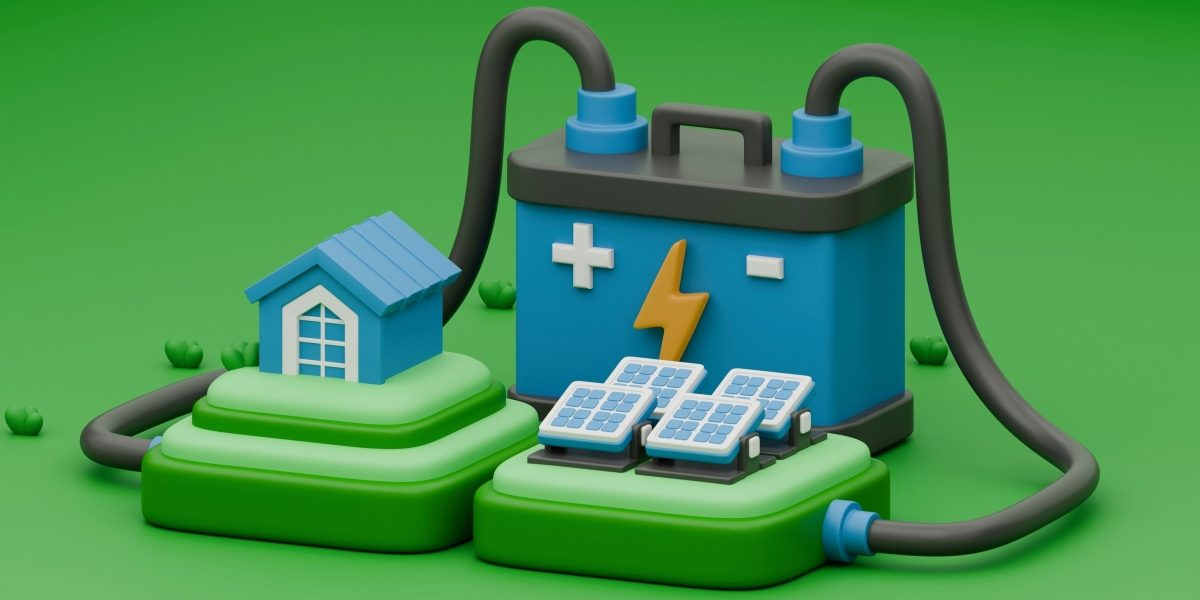

As temperatures climb across New York City, the aging electrical infrastructure is facing relentless demand. Air conditioning units run at full capacity, straining local transformers and leaving neighborhoods vulnerable to sudden blackouts. For residents left sweltering in the dark, the search for a reliable backup generator for home is becoming less a luxury and more a necessity.
The heat emergency is also raising concerns about keeping families safe, food refrigerated, and medical devices operational. With hotter summers expected, more New Yorkers are looking at backup power as a practical way to prepare for outages.
Is NYC the Only City Facing This Crisis?
New York is far from alone. From wildfire-prone California to hurricane-battered Florida and winter storms in Texas, communities across the United States are dealing with increasingly disruptive power outages.
Much of the nation’s electrical grid was built decades ago and was not designed for today’s extreme weather. In 2023 alone, the U.S. experienced more than 1,200 major power outages, affecting millions of Americans. The growing demand for home backup power reflects concerns about reliability from coast to coast.
The Urgent Reality of a Backup Generator for Home Demand
When the grid fails, modern city life can quickly grind to a halt. Elevators stop, water pumps can fail, and internet connectivity may disappear. This is driving demand for a backup generator for home in areas such as Queens, Brooklyn, and Long Island.
For many homeowners, power independence is becoming an essential part of emergency planning. Delivery and installation speed also matter, especially when residents are preparing for the next major heatwave.
The choice also depends on how long an outage may last and which appliances are most important to keep running. Homeowners should consider refrigerators, heating or cooling equipment, internet equipment, lights, medical devices, and pumps when planning their backup system. A smaller unit may be enough for essential circuits, while a whole-home system is better suited to properties where several high-demand appliances must operate at once.
Weighing Costs, Capabilities, and the Standby Advantage
For many homeowners, the first challenge is understanding the financial and technical options. The whole house generator cost can range from $3,000 to more than $15,000, depending on output and fuel type. Homeowners typically compare a home standby generator, which connects to the home’s fuel supply and starts automatically, with a portable generator that offers more immediate mobility.
One common question is, “Is a standby generator worth it?” For an NYC resident who works from home or has young children, a standby unit can provide valuable convenience and continuous coverage without manual setup. However, budget and available space may make a portable model more practical.
Another common question is, “Can I run AC on a portable generator?” It depends on the starting wattage of the AC unit. A large portable generator may handle a window unit, while central AC typically requires a larger, hardwired standby system.
For NYC homeowners, space can be another deciding factor. Portable generators can be moved when needed, but they still require safe outdoor operation and proper storage. Standby generators take up permanent space and require professional installation, but their automatic operation can be especially useful during sudden outages or when no one is home.
Fuel Flexibility and the Solar Alternative
Fuel choice is another important consideration. The solar generator vs gas generator debate often comes down to power requirements, convenience, and available space. Gas generators can deliver high wattage but require fuel storage and maintenance. Solar options are quiet and produce no direct emissions, although their performance depends on sunlight and battery capacity.
A dual-fuel generator offers another option by running on gasoline or propane. This provides flexibility if one fuel source becomes unavailable. So, how long does a generator run on propane? A standard 20-pound propane tank can run a mid-sized generator for roughly 8 to 12 hours, depending on the load.
The solar generator vs standby generator choice also depends on the home. Standby generators provide continuous, high-output power and can operate through weather conditions, while solar systems can be attractive for renters or city residents with limited space. Larger battery banks may be needed for solar systems to match the output of traditional generators.
Solar systems can also provide an alternative for people who want quiet backup power. Their usefulness depends on battery size, charging conditions, and the amount of electricity being used. For shorter outages or essential devices, a battery-based system may offer a convenient solution without the fuel storage associated with conventional generators.
The Nuts and Bolts of Installation and Sizing
Choosing the right equipment is only part of the process. A transfer switch home generator setup safely disconnects the home from the grid during an outage, helping prevent dangerous backfeeding into utility lines. An automatic transfer switch can detect a power loss and start the generator within seconds.
Before purchasing, homeowners should use a generator wattage calculator to estimate essential loads such as refrigerators, sump pumps, lights, and Wi-Fi equipment. So, “How many watts do I need for a home generator?” A typical NYC apartment may need around 5,000 to 7,000 watts for essentials, while a detached house with a well pump may require 10,000 watts or more.
The question “What size generator for whole house?” requires a professional load analysis because large appliances can have significant starting surges. Proper placement is also important. A generator concrete pad installation can provide stability, vibration control, and support compliance with applicable building requirements.
Before purchasing any generator, homeowners should review local installation requirements and determine whether professional electrical work or permits are needed. Correct sizing and installation are important not only for performance but also for safe operation.
Safety, Clean Power, and the Supply Chain
Safety should always be a priority. One of the most important portable generator safety tips is to keep the unit at least 20 feet away from windows and doors to reduce the risk of carbon monoxide poisoning. This is particularly important for urban homes where outdoor space may be limited.
For sensitive electronics, a pure sine wave inverter can provide cleaner power for laptops, medical devices, and modern televisions. LiFePO4 battery backup systems are also gaining attention for solar applications because of their long service life and suitability for energy storage.
The goal is to create a dependable emergency power supply for the home before an outage occurs. At the same time, strong demand can create supply-chain delays, making early purchasing an important consideration for homeowners preparing for extreme weather.
Backup power planning should not begin after an outage has already started. During periods of extreme weather, popular generator models and related equipment may become harder to find. Comparing options early gives homeowners more time to select the right capacity, fuel type, installation method, and budget for their property.
Equipment Options for Different Residential Backup Needs
With so many options available, homeowners can consider products designed for different backup-power needs. The Champion whole-house standby generator is built for permanent residential backup. For quieter portable power, the Firman inverter generator quiet series is designed for urban environments.
For smaller solar and off-grid systems, the AIMS pure sine inverter charger 1000W provides flexible power management. The SOK 12V LiFePO4 battery offers battery storage, while the Renogy 300W solar suitcase provides a portable solar option for renters. For rooftop applications, Rich Solar panels home kits offer a scalable approach to reducing grid dependence.
Whether you live in Staten Island or rent an apartment in Manhattan, comparing the available backup generators and solar power solutions is a practical place to begin.
How Homeowners Can Prepare Before the Next Blackout
Extreme heat is becoming a serious challenge for communities that depend on aging electrical infrastructure. While modernization efforts continue, homeowners can take practical steps to prepare for outages. Investing in a reliable backup generator for the home can help protect comfort, essential appliances, and family safety when the grid goes down.
A well-planned system can also reduce the disruption caused by short outages, allowing households to maintain basic routines while utility service is restored. The right choice is less about buying the largest generator available and more about matching the equipment to the home’s actual energy demands.
That is where Backup Generator Store can help. As a family-owned business based in Clearwater, Florida, with offices nationwide, the company works with customers to find backup power solutions suited to their individual needs. Customers can work with a dedicated support person throughout the purchasing process rather than being routed between multiple departments. Its range covers quiet inverter units, standby systems, and solar setups, and the right fit depends on the property rather than the price tag. Planning ahead of the next heat emergency gives households time to make that decision carefully.