
Most people assume emergencies happen somewhere else until the lights stay off longer than expected, phone signals disappear, or grocery shelves begin to empty. In those moments, preparedness is no longer a hobby or a distant concern. It becomes a measure of calm, judgment, and responsibility.
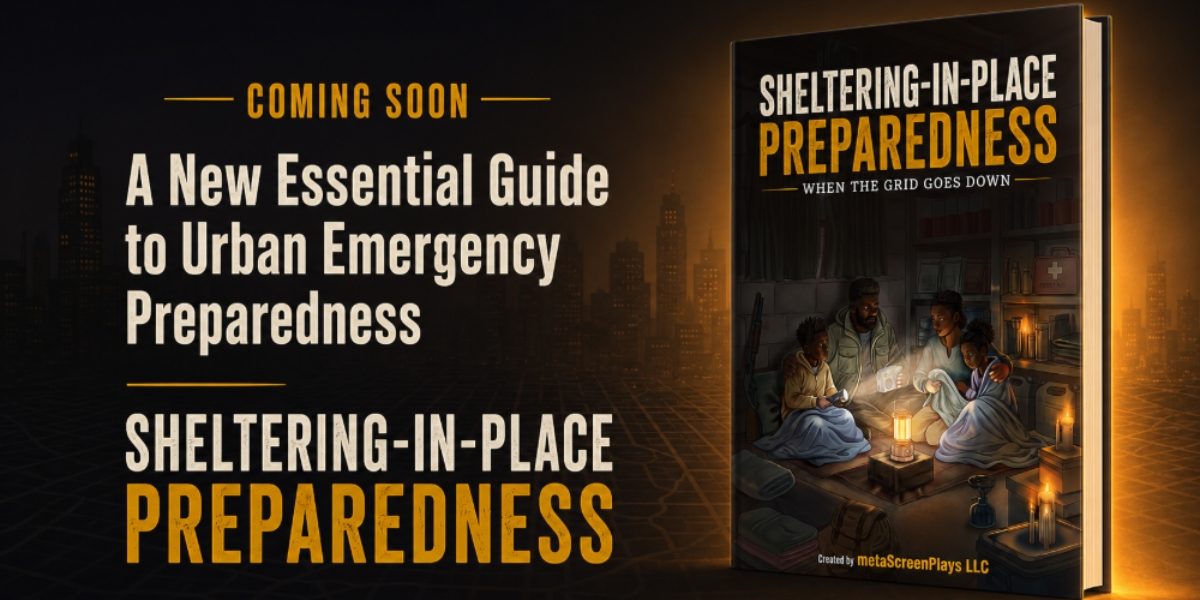
That perspective sits at the heart of Sheltering-in-Place Preparedness: When the Grid Goes Down by Ricki Connor. Rather than relying on fear, the book presents a practical conversation about how ordinary households can prepare before everyday comforts suddenly become unavailable. It encourages readers to think ahead, organize their homes, and involve the people around them in meaningful planning.
Pre-Emergency Prep
Ricki approaches preparedness as an ongoing habit rather than a one-time checklist. Every chapter reinforces a simple idea. Waiting until disaster strikes leaves very little room for thoughtful decisions.
The book encourages families to assess local risks, establish communication plans, build emergency supply kits, and rehearse different scenarios long before they become reality. Instead of assuming every crisis requires evacuation, it explains why remaining safely at home is often the better option when conditions outside become more dangerous than those inside.
This practical outlook shifts preparedness away from dramatic survival stories and toward everyday responsibility.
Lasting Lessons
One of the book’s distinguishing qualities is its focus on people rather than equipment. Food, water, first-aid kits, and emergency lighting all matter, but The author repeatedly reminds readers that supplies alone cannot solve every problem. Families must communicate clearly, assign responsibilities, remain flexible, and continue learning as situations change.
Short fictional conversations woven into each chapter illustrate how parents discuss emergency planning with their children, how family members respond to unexpected crises, and how preparation often begins with simple conversations around the dinner table. These moments make technical guidance easier to understand while emphasizing cooperation instead of panic.
Balancing Independence with Community
Another notable element is the book’s attention to neighborhoods and trusted relationships. Ricki acknowledges that emergencies affect entire communities, not just individual households. Readers are encouraged to know their neighbors, understand local emergency resources, and participate in community preparedness whenever possible. At the same time, the book discusses the importance of protecting one’s household, making careful decisions about sharing resources, and maintaining awareness during prolonged disruptions.
That balance between self-reliance and cooperation gives the book a practical perspective that many preparedness guides overlook. It recognizes that resilience grows stronger when planning includes both family and community.
For Everyday Readers
The guide remains accessible because it avoids assuming specialized knowledge. Whether discussing water storage, communication during power outages, sanitation, food preservation, or creating emergency bags, the information is presented as manageable steps rather than overwhelming tasks.
Readers are also encouraged to continue researching local hazards, government resources, and additional training opportunities, reinforcing the idea that preparedness evolves over time instead of ending with a completed checklist.
Takeaway
Sheltering-in-Place Preparedness: When the Grid Goes Down arrives at a time when conversations about infrastructure, severe weather, and emergency readiness are becoming increasingly relevant. Ricki Connor offers more than instructions for surviving a crisis. He presents a practical framework for thinking ahead, organizing wisely, and facing uncertainty with greater confidence.
Preparation begins long before the first emergency alert appears. Those willing to invest time today are often better equipped to protect what matters tomorrow.
Take the first step before uncertainty becomes reality. Watch for the release of Sheltering-in-Place Preparedness: When the Grid Goes Down and make preparedness part of your family’s future.