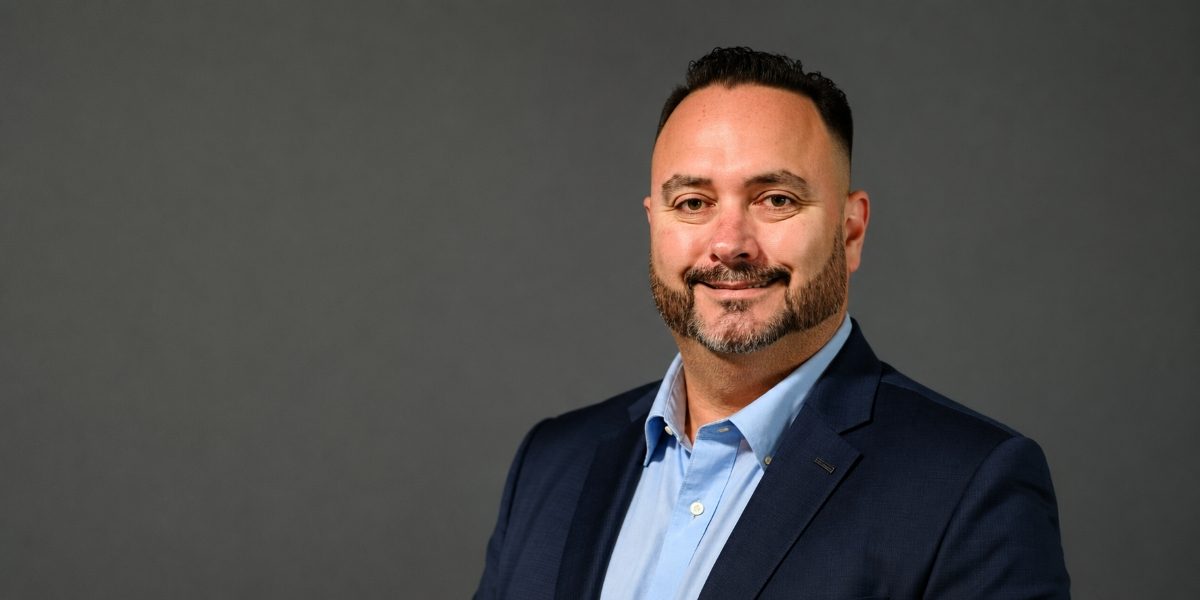

A Routine Morning That Became a Turning Point
At approximately 4:00 a.m. on January 26, 2022, Stephen Powell entered a gym expecting an ordinary workout. During his second set of shoulder presses, a sharp pain struck his chest and shoulder blade. Within moments, he collapsed. He could not move the left side of his body, and he could not speak clearly enough to explain what was happening.
The diagnosis was devastating: an aortic dissection caused by an aneurysm, accompanied by a stroke. Another hospital reportedly believed he would not survive a transfer, making emergency surgery his only chance. His wife authorized the procedure despite warnings that he might never walk or speak again.
Powell survived, but survival introduced a second crisis. The experience became the emotional foundation of his book, Financial Fortress: Protect Your Money. Grow Your Wealth. Build Your Legacy.
The book is not simply a guide to earning or investing. It asks families to examine whether their finances could continue functioning if life suddenly stopped following the plan.
The Question Waiting After the Surgery
Coming home should have felt like the end of the emergency. Instead, it revealed how many difficult questions remained unanswered. Powell was physically weak, unable to work normally, and restricted from lifting his infant daughter. His wife had recently completed nurse practitioner school but was not yet working because the family had just welcomed a baby.
Powell had been the household’s primary provider, and much of his income came through contract work. He had no traditional paid sick leave or dependable disability income. Although he survived, the family still faced bills and an uncertain recovery.
This is the uncomfortable truth many providers rarely discuss. A family can appear financially stable while income is flowing, but the appearance may depend entirely on the provider’s continued ability to work.
When that ability disappears, savings may begin shrinking, and long-term plans may be interrupted by immediate needs…
When Income Is Mistaken for Security
A strong salary can create comfort, but comfort is not always protection. Income pays the mortgage, groceries, tuition, transportation, and countless other obligations. It does not ensure that those responsibilities can still be met during illness, injury, job loss, or a long recovery.
Powell’s experience exposed the difference between earning money and building a system around it. Many people are taught to save, contribute to retirement accounts, invest for growth, and wait patiently.
Those habits can be valuable…
The problem arises when they are treated as a complete financial plan rather than parts of one…
A family may have investments, but too little accessible cash. It may have life insurance, but limited protection if a living provider becomes disabled. It may own assets without clear access instructions or have high income with no plan for the months when it stops.
Protection Has to Begin Before the Emergency
The most important lesson in Powell’s story is also the most difficult to accept: preparation must happen before the crisis. During an emergency, choices become narrower, emotions become heavier, and time becomes more expensive.
Financial protection may include emergency reserves, suitable insurance, organized records, household communication, and professional guidance. The tools will differ, but the purpose remains the same. The structure should absorb pressure without forcing every long-term goal to be abandoned.
This does not mean families should live in fear…
It means they should stop assuming that optimism is a substitute for planning. A well-built plan recognizes that life can change quickly and creates options before those options are urgently needed.
A Personal Crisis Became a Public Mission
After recovering enough to return to work, Powell began studying how families could build greater protection, flexibility, and long-term control. That search eventually shaped the four-part framework that now guides his work: protection, growth, control, and legacy.
As Founder and CEO of Powell Financials, an Alabama-based firm serving families across the United States, Powell now approaches financial education through the perspective of someone who has personally experienced sudden vulnerability. His message is not centered on one product or ensured results.
It is centered on asking better questions:
1. Could the household continue if the primary income disappeared for six months?
2. Are financial documents organized and understood by more than one person?
3. Is enough money accessible without selling investments at a poor time?
4. Does the family know what protections are in place?
5. Would the current plan still function during a serious illness?
These questions can feel unsettling, but avoiding them does not remove the risk.
The Provider’s Role Is Bigger Than a Paycheck
Providers often measure responsibility by how hard they work. They carry pressure quietly and continue showing up because others depend on them. Powell did the same when he returned to work before feeling fully healed. Yet his experience suggests that responsibility also includes creating a structure that does not collapse when the provider cannot perform at full strength.
That shift moves financial planning away from numbers alone and toward family continuity. Protection becomes less about paperwork and more about preserving housing, maintaining dignity during recovery, and giving loved ones time to make thoughtful decisions.
Financial preparedness is a very personal matter…
It’s not just about how much someone owns. It’s also about how their loved ones are cared for if life throws unexpected surprises their way.
Building Before Life Tests the Walls
No financial plan can prevent every hardship. It can, however, reduce the number of hardships that become financial emergencies. Powell’s survival story demonstrates why families should examine both how much they are accumulating and how well their resources are positioned.
The most dangerous financial blind spot may be the belief that everything will continue as expected. Real security begins when families plan for uncertainty while they still have the freedom to choose.
Financial Fortress invites readers to look beyond account balances and examine the system supporting them. The book encourages readers to involve the people who share their financial future and to consult qualified professionals about the gaps that deserve attention.
Visit Powell Financials to learn more and take the first step toward building a plan that can protect your family when life changes unexpectedly.
Author Name: Stephen Powell
Book Title: Financial Fortress
Book Published by:Visionary Book Publishers
Disclaimer: This article is for informational purposes only and does not constitute investment advice, a recommendation, or an offer to buy or sell any securities. Consult a qualified financial advisor for advice specific to your situation.