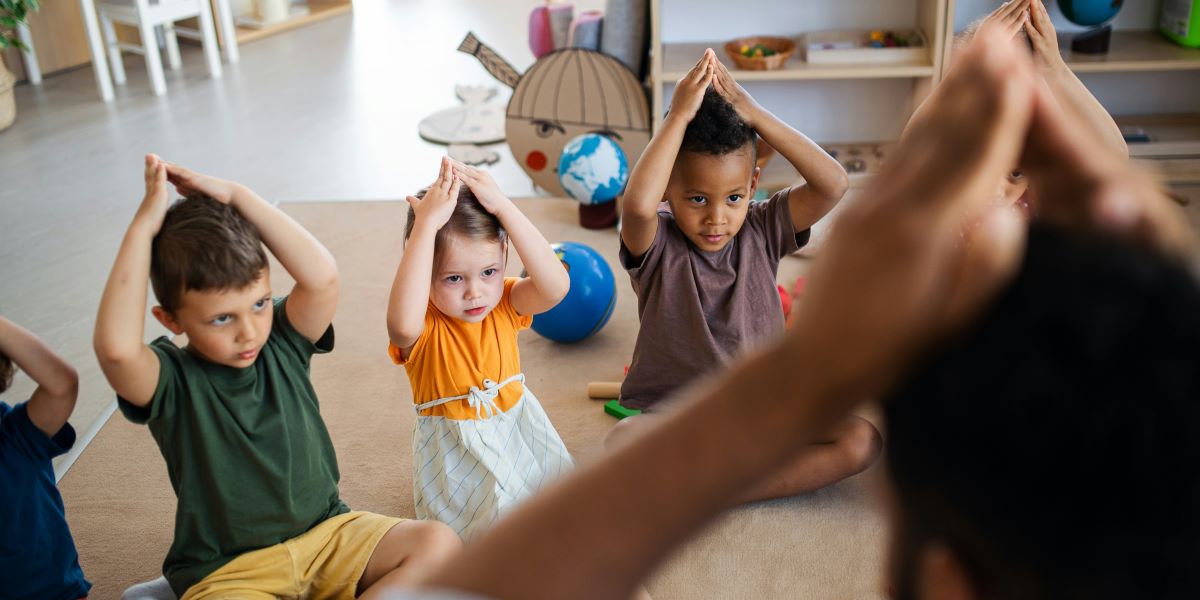

New York City began accepting applications for free child care for two-year-olds on June 2, opening the first enrollment window for a program the Mamdani administration has positioned as the centerpiece of its affordability agenda. Families in five school districts can now apply for 2-K seats through the city’s MySchools portal, with placement offers scheduled to go out in August.
The launch covers districts 6, 10, 18, 23, and 27, spanning parts of Upper Manhattan, the Bronx, Brooklyn, and Queens. Ahead of the application window, the city published an initial roster of more than 550 home-based and center-based early childhood programs, giving parents a chance to compare options before submitting choices. Applications can be filed online, by phone at 718-935-2009, or in person at one of the city’s Family Welcome Centers.
What 2-K Offers Families
First announced in January by Mayor Zohran Mamdani and Governor Kathy Hochul, 2-K extends the city’s existing early-education ladder downward to its youngest learners. The program promises full-day, full-year child care for two-year-olds regardless of ZIP code, household income, or immigration status. The structure mirrors the universal design of the city’s earlier 3-K and pre-K expansions, but reaches an age bracket that has long sat in a coverage gap, too young for public pre-K and among the most expensive years for private care.
The city has been building toward this point in stages. A request for information went out in February to recruit providers, and in April the administration confirmed that most 2-K seats would run on a full-day, full-year schedule rather than the abbreviated calendar common to many subsidized programs. Schools Chancellor Kamar Samuels framed the rollout as evidence of a city investing directly in its youngest residents and their communities.
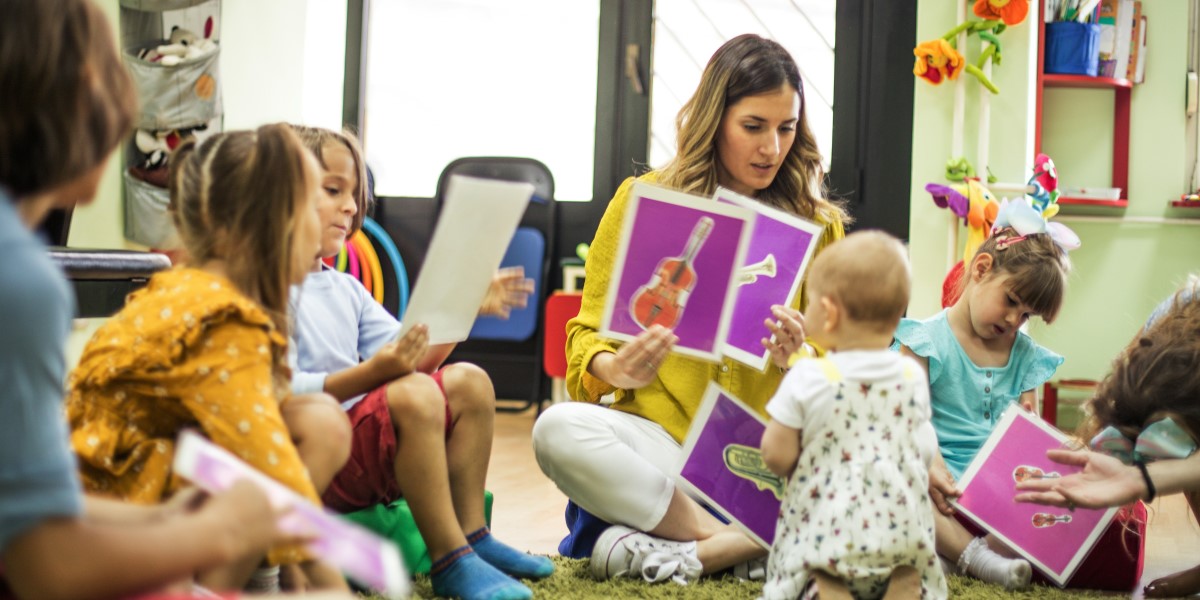
Photo Credit: Unsplash.com
The policy lands against a backdrop of acute cost pressure. The city’s inaugural True Cost of Living Measure, released in April through the Mayor’s Office of Equity and Racial Justice in partnership with the Urban Institute, found that 62 percent of New Yorkers, roughly 5 million people, do not earn enough to cover basic needs. The report set the income a family with children needs at $159,197 a year and identified child care as one of the eight core cost categories driving the shortfall. Among children specifically, the gap is starker: about 73 percent live in families that fall below the threshold, a figure that climbs to 87 percent in the Bronx.
Those numbers explain why the administration treats child care less as a social service than as economic infrastructure. The cost of care has functioned as a quiet tax on working parents, particularly mothers, pushing some out of the labor force and others out of the city entirely. By absorbing one of the heaviest line items in a young family’s budget, 2-K is pitched as a tool to keep working households in the five boroughs and keep parents attached to their jobs, a workforce-retention argument as much as a child-development one.
The timing also coincides with the city’s fiscal calendar. The Mamdani administration closed a projected budget gap for the coming fiscal year following an agreement with Albany that delivered additional state support, allowing the city to balance its books ahead of the constitutional deadline at the end of June. That settlement created the fiscal room for the early-childhood expansion to move from announcement to enrollment without triggering the property-tax increases or service cuts that often accompany large new programs.
The Rollout and Its Limits
For now, 2-K remains a pilot in scale. The first phase makes roughly 2,000 seats available across the five initial districts, communities the city and state named in March as the program’s starting point. That is a fraction of the citywide two-year-old population, and the geographic limits mean many families will watch the launch from outside the eligibility map until later phases expand the footprint.
The city has leaned on cultural visibility to drive awareness. Earlier in the spring, the administration ran a 2-K jingle contest with Bronx-born rapper Cardi B and composer Lin-Manuel Miranda, with New Yorkers voting on the winning entry, an attempt to make a bureaucratic enrollment process feel like a civic event in neighborhoods where word-of-mouth often determines whether families know a benefit exists.
Whether 2-K scales into the universal program its backers describe will depend on provider capacity, sustained funding, and demand data from this first cohort. The August offer round will give the clearest early read on uptake. For families in the five launch districts, though, the practical question is more immediate: the application window is open, and the seats, for the first time, are free.