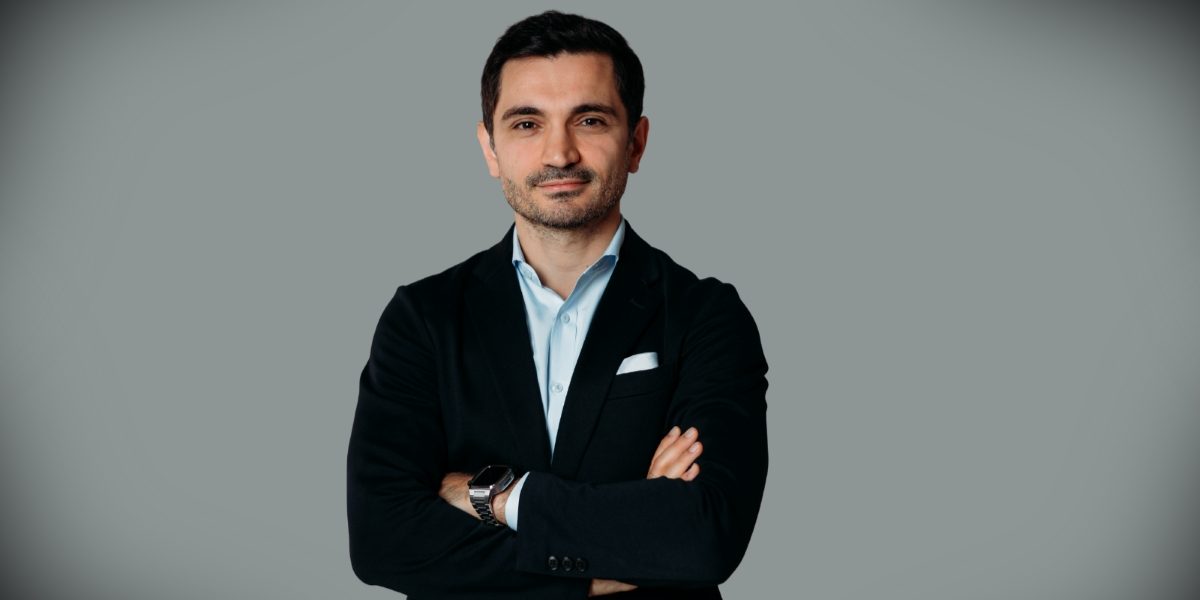

The morning began without ceremony. By the time it ended, three entire residential buildings at Expo City Dubai had been sold, and Kamil Magomedov had less than seven hours of transaction time on the books. The number circulated quickly. Most of the coverage treated it as a sales record. That framing missed what actually happened.
The seven hours were the visible end of an 18-month analytical process. The transaction was not a flash event. It was the consequence of a thesis Magomedov had been building, refining, and presenting to international buyers and clients since the start of his focused work on Expo City.
The 18 Months That Came First
Magomedov, now CEO of KM|Capital, spent most of 2023 and 2024 doing work that did not look like brokerage. He read the Dubai 2040 Urban Master Plan in detail. He pulled the supply schedule for Expo City Dubai and compared it against workforce and visitor projections for the district. He mapped the AED 10 billion Dubai Exhibition Centre expansion against the residential delivery timeline. He concluded that roughly 2,100 planned units sat against projected demand above 4,000, and that the gap could not close before 2035 at the earliest.
Then he did the part many brokers skip. He trained more than 150 colleagues at Provident Real Estate on the fundamentals he had identified. He published district-level analysis on the Kamil Mag Estate and Deal Hunt YouTube channels. He spoke with international family offices and high-net-worth clients about Expo City as a long-term market opportunity rather than a routine purchase.
By the time the three buildings came to market, the buyers were already briefed.
What The Transaction Looked Like From Inside
The buyers were not impulse purchasers. They were clients who had been following Magomedov’s published analysis, who understood the supply-demand math, and who had the underwriting capacity to act when the inventory became available. The seven-hour figure measures the speed of execution, not the speed of decision-making. The decisions had been forming for months.
Magomedov’s framing of his own work explains why this is the only way the transaction could have happened. “My clients are not making casual purchases. They are making carefully considered decisions,” he says. Buyers do not move at that level without preparation. They act when the analytical work has been done in advance, and the price-against-thesis calculation supports the opportunity. Magomedov had done the work. The buyers had read it. The transaction was the settlement.
In May 2026, Expo City Dubai’s master developer formally recognized the result. Magomedov was named Top Performing Broker, an award presented by Karim ElSayyad, Vice President of Sales at Expo City Dubai, for the highest individual sales performance across the residential portfolio.
What This Transaction Shows About Preparation
The pattern is worth pulling out because it inverts much of what Dubai real estate coverage suggests. Volume followed analysis, not the other way around. The fastest transaction in Magomedov’s career was made possible by the slowest preparation. The award came from a position taken 18 months before the result became measurable.
For buyers and market observers evaluating Dubai property now, the takeaway sits with Magomedov: “Expo City remains an area of continued market interest. Supply has not caught up with demand. The exhibition centre expansion is still underway. New residential phases are being planned, but are years from delivery.”
Magomedov continues to monitor the district closely. He publishes his Dubai market work through Kamil Mag Estate, Deal Hunt, and quarterly KM|Capital market reports.
Disclaimer: This article is for informational purposes only and does not constitute financial, investment, or real estate advice. Readers should conduct their own due diligence and consult a qualified professional before making any property-related decisions.