
In New York City, where restaurants rise and fall with restless speed, sometimes closing before they’ve truly found their footing, it takes a particular kind of conviction to slow things down. It requires a certain stubbornness, a willingness to ignore the prevailing noise of the culinary world and focus entirely on the singular task at hand. At Casasalvo, tucked into the rhythm of SoHo, that conviction belongs to Salvo Lo Castro, a chef whose cooking is shaped as much by memory as by discipline. It is a philosophy born of experience, patience, and a deep-seated respect for ingredients, and it defines every single aspect of the dining experience he has carefully created in this compact, elegant space. This deliberate, highly focused approach infuses the whole atmosphere with a unique sense of calm and confidence.
On any given evening, the dining room hums with a quiet intensity. This isn’t a boisterous, loud eatery; the atmosphere is focused and deliberate, a place for genuine contemplation. Plates arrive composed with restraint, almost austere at first glance, free from the unnecessary or flashy flourishes often seen elsewhere. They hold their secrets well until their aromas, citrus, herbs, slow-cooked meats, begin to unfold, filling the air with promises of complexity. There is no excess here, no unnecessary gesture, no performative flair designed solely for immediate effect. Each dish seems to ask for attention rather than demand it, rewarding the patient, observant diner with layered, balanced flavors that are both clean and profound, revealing their secrets only slowly and deliberately to those who take the time.
Mr. Lo Castro’s story begins far from Manhattan, on the slopes of Mount Etna in Sicily, where his earliest understanding of food was formed in family kitchens and local traditions. This is the heart of his cooking, the essential source of its rustic soul. Those origins still define his cooking, though they are filtered through years of experience in more formal, exacting environments, including a period spent cooking in the Vatican, where precision and tradition are paramount and discipline is not just a virtue but an absolute necessity. It was there that he honed the meticulous technique that now provides the essential structural integrity for his rustic inspirations, ensuring that every dish, no matter how humble its roots, is executed with flawless, elegant discipline.
At Casasalvo, that duality, rustic memory, and refined technique are evident throughout the menu. It is the defining tension and the central theme of his food. Handmade pastas, prepared with specific Sicilian flours that bring unique texture and flavor, are central. They are the primary vehicle for his unique narrative. A plate of fettuccine, enriched by a veal ragù cooked slowly over many hours, carries both depth and clarity, achieving a rich, comforting flavor that never becomes heavy or overpowering. Paccheri dressed with pistachio evokes the island’s unmistakable flavors, capturing the essence of the ingredient, but with a precision that feels distinctly modern, structured, and entirely intentional in its preparation.
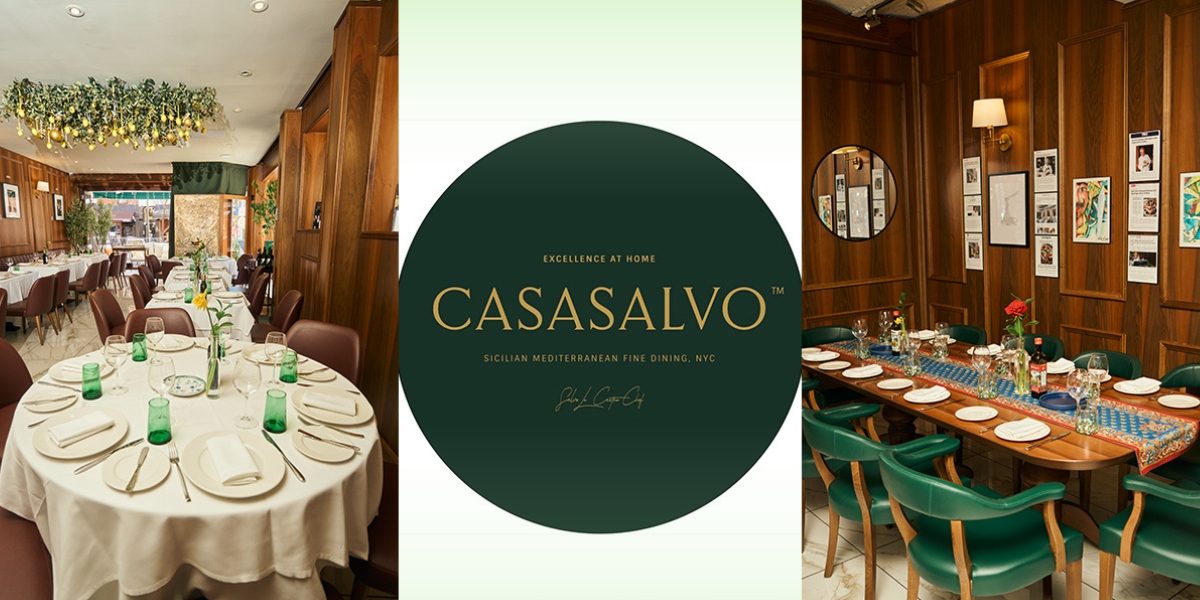
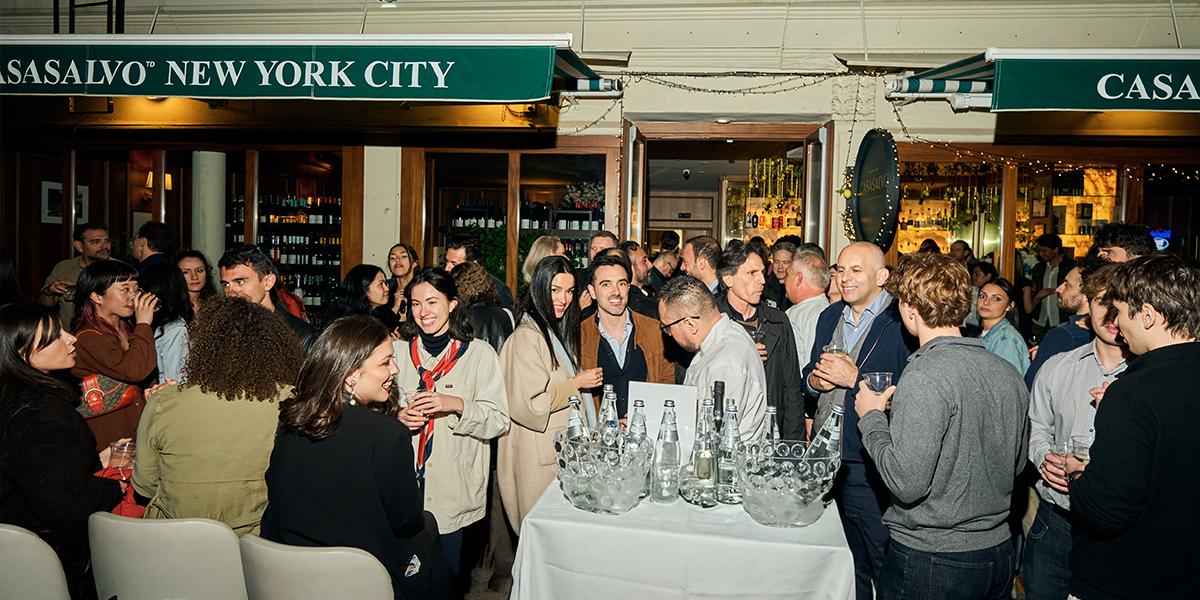
The restaurant itself mirrors that philosophy. The design is spare, almost architectural, using clean lines and natural materials, allowing the food to take precedence. The environment is warm but uncluttered, an intentional backdrop that never competes with what’s on the table. Outside, a terrace softens the experience, offering a different vibe and bringing a note of sociability that feels in step with downtown New York. This outdoor space provides a vital connection to the neighborhood’s street life, balancing the focused, intimate interior.
Casasalvo arrives at a moment when the city’s Italian dining scene is both crowded and evolving. Competition is fierce, yet the restaurant resists the urge to compete through spectacle. Instead, it offers something quieter: a deeply personal interpretation of Italian cuisine, rooted in place but shaped by ambition. It’s a self-assured approach.
Whether that approach will translate into broader acclaim remains to be seen. In a city where the “next big thing” often obscures genuine, focused craft, the path isn’t always clear. But for now, Casasalvo shows that in a city defined by movement, there is still space for restaurants built on patience, identity, and a clear point of view.