
By: Jason Gerber
Most parents want to encourage their children. We often reach for a simple phrase like “good job” to show our support. While this comes from a loving place, these two words are very general. They do not tell a child what they did well. They do not connect the praise to a specific effort or quality. Lasting self-esteem is not built on broad approval. It is built on the child’s understanding of their own strengths and efforts. To build a strong inner foundation, we must learn to praise in a way that is meaningful, specific, and truthful.
Specific praise helps a child form a clear picture of their abilities. Instead of saying “good job,” you might say, “I saw how carefully you stacked those blocks.” This statement does several important things. It shows the child you are paying close attention. It names the specific action they took: “stacking carefully.” It separates the praise from the person. You are not just saying they are good. You are saying their action had value. This teaches the child that their efforts and choices lead to positive outcomes.
Another powerful method is to praise the process, not just the result. Children often feel pressure to achieve a perfect outcome. When we only praise the finished product, we can accidentally create a fear of failure. Try praising the strategy, persistence, or improvement you see. You could say, “You worked on that math problem for a long time and never gave up. That is called perseverance.” Or, “Your first draft had three sentences. Now you have written a whole paragraph. That is amazing growth.” This type of praise makes the child feel strong and capable, even when a task is difficult.
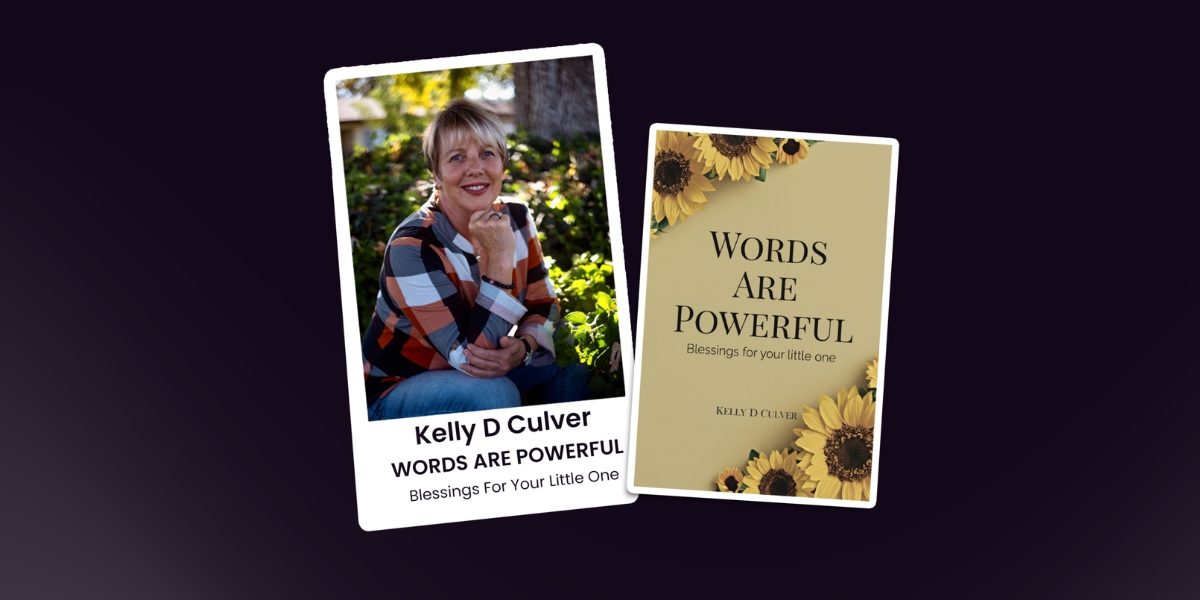
Affirmations are one of the most direct tools for building a child’s sense of self. This is the core idea behind the new book Words Are Powerful: Blessings For Your Little One by Kelly Culver. Affirmations go beyond praising a single action. They describe the child’s inherent being. They use phrases like “You are a creative thinker” or “You have a kind heart.” When a child hears these words repeatedly, they begin to believe them as fundamental truths. This builds a resilient self-esteem that is not dependent on daily performance.
Author and educator Kelly Culver designed her book for this exact purpose. Words Are Powerful provides parents with the language of specific, loving affirmation. It moves from the generic to the deeply personal. Instead of a vague “good job,” the book offers clear statements such as “You are strong,” “You are clever,” and “You are a good friend.” Kelly Culver spent over twenty-five years teaching young children. She saw how this kind of language helped students understand their own worth in a lasting way.
You can combine specific praise with affirming language throughout your day. Notice when your child shows a positive character trait. Then, connect it to their identity. For example, if they share a toy, you could say, “That was such a generous action. You are a thoughtful person.” If they try something new, say, “You are so courageous for trying that new food.” This method links their behavior to their core self. It helps them see that their actions reflect who they are. This builds a moral and emotional identity they can be proud of.
It is also important to be sincere. Children have a keen sense for false praise. Look for genuine moments of effort, kindness, or improvement. Your authentic recognition will mean much more than constant, empty phrases. The goal is not to praise every single thing. The goal is to offer meaningful recognition when you see true growth or good character. This makes your words powerful and trustworthy. Your child will learn to trust their own sense of accomplishment because you have mirrored it back to them honestly.
Shifting your language may feel awkward at first. That is completely normal. Start by replacing one general phrase per day with a specific observation. Instead of “Good drawing,” try “I love how you used so many colors in your picture.” This small change starts a powerful habit. Over time, you will find it becomes natural. You will be building a detailed map of your child’s strengths for them to navigate by. This is the greatest gift you can give. You are giving them the words to understand and believe in themselves.
For parents seeking a beautiful and ready-made guide to this transformative language, the book Words Are Powerful: Blessings For Your Little One by Kelly D. Culver is an essential resource. To begin using these powerful strategies in your home, find this important book available for purchase now on Amazon and at all major book retailers.