
New York City has opened the country’s first worker-designed rest and services hub built specifically for app-based delivery workers, marking a concrete step toward infrastructure that matches the scale of a labor force that keeps the city fed.
The City Hall Park Deliverista Hub, announced by Mayor Zohran Mamdani and U.S. Senator Chuck Schumer alongside the Worker’s Justice Project, now stands near City Hall in Lower Manhattan — occupying the space where a city-owned newsstand sat unused for years. The hub will provide integrated services for the city’s 80,000 app-based delivery workers, with separate modules for rest, bike repair, and education and support services. It is the first facility of its kind in the United States.
A Workforce That Never Had a Home Base
New York City’s delivery workers are everywhere. They navigate traffic on e-bikes and motorbikes in every borough, in every weather condition, during every hour of the day. They are the backbone of the city’s food delivery economy — the human infrastructure behind every DoorDash order, every Uber Eats pickup, every Seamless request placed from a Manhattan apartment or a Brooklyn brownstone.
Yet for all their visibility, delivery workers have operated for years without any dedicated infrastructure. They are classified as independent contractors rather than employees under the gig economy model, which means the app companies they work for bear no obligation to provide them with rest spaces, charging access, or workplace support of any kind. The city’s delivery workers, who spent all day out on the street delivering food primarily for restaurant apps, were often denied bathroom access from restaurants and had no dedicated place to charge their devices, keep warm, or escape the rain.
The Deliverista Hub changes that baseline. It is a physical acknowledgment — backed by public funding and city infrastructure — that these workers are part of New York’s economy and deserve a place in its public spaces.
What the Hub Provides
The City Hall Park hub will provide integrated services, with separate modules for rest, bike repair, and education and support services. Workers can access guidance on street safety, safe e-bike operation, wage theft, and app deactivations.
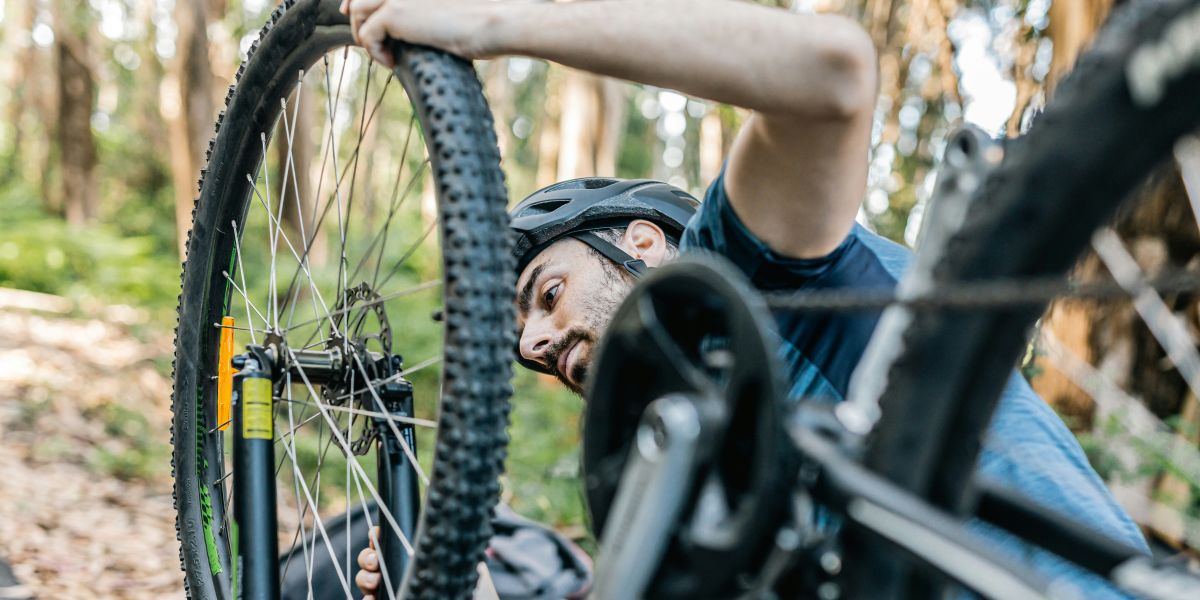
Photo Credit: Unsplash.com
The hub will have two full-time workers five days a week to supervise the battery charging cabinets and provide education for delivery workers. Two to three delivery workers at a time will be able to use each of the three modules — rest and services, charging, and bike repair. Most delivery workers own more than one battery, so while one is charging at one of the 48 ports at the hub, they can still be working. There will be an app that notifies them when their battery is fully charged.
External battery charging cabinets at the rear of the hub will provide 24/7 app-based access to safe e-bike charging for delivery workers and the public. The hub is staffed by the Worker’s Justice Project five days per week and remains open to the general public beyond those hours.
The facility’s design reflects years of input from delivery workers themselves. The hub is divided into three sections designated for e-bike repair, e-bike charging, and information. Construction materials include perforated aluminum, tempered glass, aluminum panels, fiberglass grating, and LED lighting strips. An HVAC system provides heating and cooling for riders to get out of the heat or cold while taking a break from work.
Years in the Making
The Deliverista Hub did not arrive overnight. The project was first announced in 2023, when Senator Schumer took a bike ride alongside members of Los Deliveristas Unidos and later announced that the federal government would contribute $1 million to fund the creation of two hubs for delivery workers at old city-owned newsstands.
Senator Schumer said: “For years, I’ve worked to bring critical infrastructure to the tens of thousands of app-based delivery workers who serve our city day and night. I’m proud to have secured $1 million in federal funding for this first-of-its-kind deliverista hub, which will improve access to e-bike charging, shelter, bike repair and much more.”
The path from announcement to opening involved Landmarks Preservation Commission review, community board input, FDNY approval for charging cabinet safety standards, and multiple rounds of site design revisions. A second hub is planned for 72nd Street on the Upper West Side, extending the network to a second high-traffic delivery corridor.
The Worker-Led Model
The Worker’s Justice Project and its organizing wing, Los Deliveristas Unidos, were central to both the concept and the execution of the hub. The organization will staff the facility, run its educational programming, and serve as the daily point of contact for workers seeking assistance with everything from bike maintenance to understanding their rights as gig workers.

Photo Credit: Unsplash.com
Ligia Guallpa, Executive Director of Worker’s Justice Project and Co-Founder of Los Deliveristas Unidos, said: “This hub is the result of workers organizing, leading and building what companies would not. As the first deliverista hub of its kind in the nation, it marks a new beginning — giving immigrant workers the power to transform their industry and positioning them as leaders at the forefront of reshaping the gig economy, creating safer streets and advancing New York City’s transition to a zero-emission delivery system.”
The hub’s organizers see it as an extension of the work Los Deliveristas Unidos already does at its Sunset Park and South Williamsburg locations — educating workers about street safety, safe battery charging, and connecting people with bike and battery exchange programs.
E-Bike Safety and the City’s Zero-Emission Future
The hub also carries weight as an environmental infrastructure story. E-bike battery fires have been a documented safety concern in New York City, particularly in the dense residential buildings where delivery workers often charge batteries overnight without proper equipment. The hub’s managed charging stations — reviewed and approved by the FDNY — provide a safer alternative that reduces fire risk for both workers and the buildings around them.
About 80 percent of the city’s delivery workers use e-bikes and motorbikes, and they are outside all day long. Part of the hub’s function is to serve as a refuge from weather — a basic need that has gone unmet for years despite the workforce growing rapidly in the post-pandemic era.
The Mamdani administration has framed the hub as part of a broader infrastructure commitment to gig workers and immigrant labor — a constituency that falls outside the traditional employer-employee relationship that governs most workplace protections.
What Comes Next
The City Hall Park hub is a pilot, and its performance will shape how quickly the city scales the model. With 80,000 workers spread across five boroughs and dozens of high-density delivery corridors, a single facility in Lower Manhattan represents a starting point, not a solution.
Mayor Mamdani said at the opening: “Delivery workers keep this city running — through the cold, the rain and every storm that comes our way.” The hub translates that acknowledgment into brick, steel, and a charging port — a shift from recognition to infrastructure that New York’s delivery workforce has been waiting for since well before the pandemic made their role impossible to ignore.