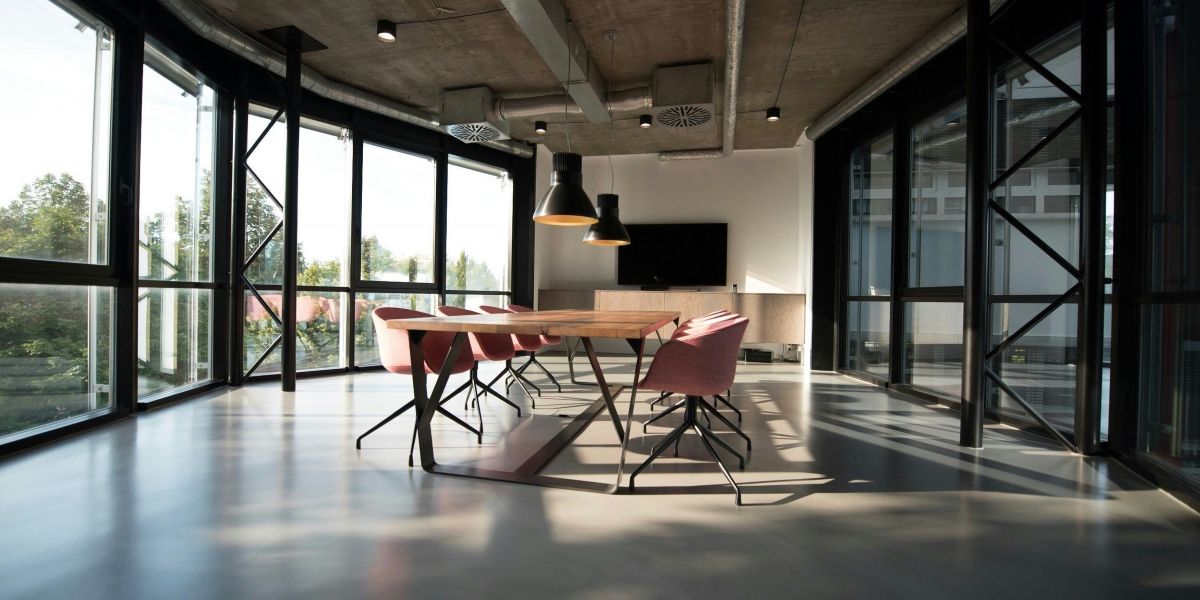

The battle for top talent has moved from salary negotiations to building amenities — and Midtown’s landlords are raising the stakes with every lease cycle.
The narrative around New York City office real estate has shifted decisively. Vacancy is no longer the defining story. What commands attention in 2026 is a high-stakes competition among Midtown Manhattan’s landlords to deliver workplace experiences that rival five-star hotels — and the tenants willing to pay a premium for them.
Industry insiders have taken to calling it an “arms race to amenitize buildings,” a race that is fundamentally redrawing the standards of what it means to occupy Class A office space in New York City. Standard gym access is no longer a differentiator. What tenants expect today — and what landlords are racing to deliver — is a different category of experience entirely.
From Square Footage to Lifestyle Destinations
In 2026, amenities are no longer perks. They are part of the financial model. That shift is playing out at nearly every premium building across Midtown, where landlords are deploying capital not just to maintain tenants but to win them in a market with increasingly little room for error.
At 1540 Broadway, GFP Real Estate and BDT & MSD Partners are investing $150 million to transform the tower into one of Midtown’s most distinctive office environments. The overhaul includes more than 45,000 square feet of tenant amenities across two floors — a 27,000-square-foot amenity center on the eighth floor featuring a fitness center, recovery and movement areas, and shared collaboration spaces, plus an 18,500-square-foot executive lounge on the 36th floor with a bar, dining area, exclusive meeting rooms, and a 6,200-square-foot landscaped outdoor terrace with panoramic city views.
The Seagram Building on Park Avenue went further still, debuting a 34,000-square-foot multilevel amenity space called The Playground beneath the Seagram Plaza, featuring a rock climbing wall, dedicated yoga and boxing areas, a 40-person boardroom, flexible meeting rooms, private phone booths, and locker rooms with showers — all managed by a dedicated fitness and concierge team.
Trophy Space Is Disappearing — And That Changes the Math
The amenities push is being accelerated by a supply problem. Available space within Midtown’s trophy office set has not registered a quarterly rise since the first quarter of 2023, according to Newmark’s Manhattan office report for the fourth quarter of 2025.
Manhattan saw 41.9 million square feet of office space leased in 2025 — the highest since 2019 — with Midtown alone accounting for 19.3 million square feet, surpassing many pre-pandemic annual totals. Sublease availability, a pandemic-era hangover, has dropped nearly 50% since 2021.
Midtown Class A office rents are now approximately 6% higher than pre-pandemic levels, with a significant portion of Midtown’s square footage consisting of Class A trophy product that commands premium pricing. Trophy office leasing is running 36% above pre-COVID averages, according to Avison Young — driven by marquee developments including JPMorgan’s new Park Avenue headquarters and Vornado’s Penn 1 and 2.
For tenants that want to offer employees a premium in-person environment, the options are narrowing. That scarcity is precisely what gives amenity-rich buildings their pricing power.
The Wellness Shift: Spas, Recovery Rooms, and Michelin-Caliber Dining
The evolution in amenity standards reflects a deeper change in how companies think about their physical offices. Employees consistently want natural light, outdoor access, quiet-focus areas, ergonomic seating, on-site wellness options, comfortable lounges, healthy food choices, and environments that support hybrid collaboration — a place where productivity feels easier and the physical environment gives energy instead of draining it.
Landlords are listening. Some NYC buildings have moved beyond fitness centers to install full wellness suites featuring massage chairs, aromatherapy stations, and natural light therapy facilities. One Vanderbilt offers spa-grade shower facilities, while The Spiral at Hudson Yards integrates showers into a biophilic, full-floor amenity program designed for lifestyle-driven tenants.
At the Empire State Building, tenants now access more than 65,000 square feet of amenities including a multi-sport court, basketball and pickleball courts, two golf and VR simulators, and a 400-person all-hands event space alongside seven in-building dining options.
Dining has become one of the most competitive battlegrounds. At 9 West 57th Street, the building introduced a full-floor tenant-exclusive amenity hub featuring a restaurant and bar alongside two upscale cafes, all curated by a leading hospitality group — a private, sophisticated environment for both casual lunches and client-facing events.
New Construction Doubles Down on Amenity-First Design
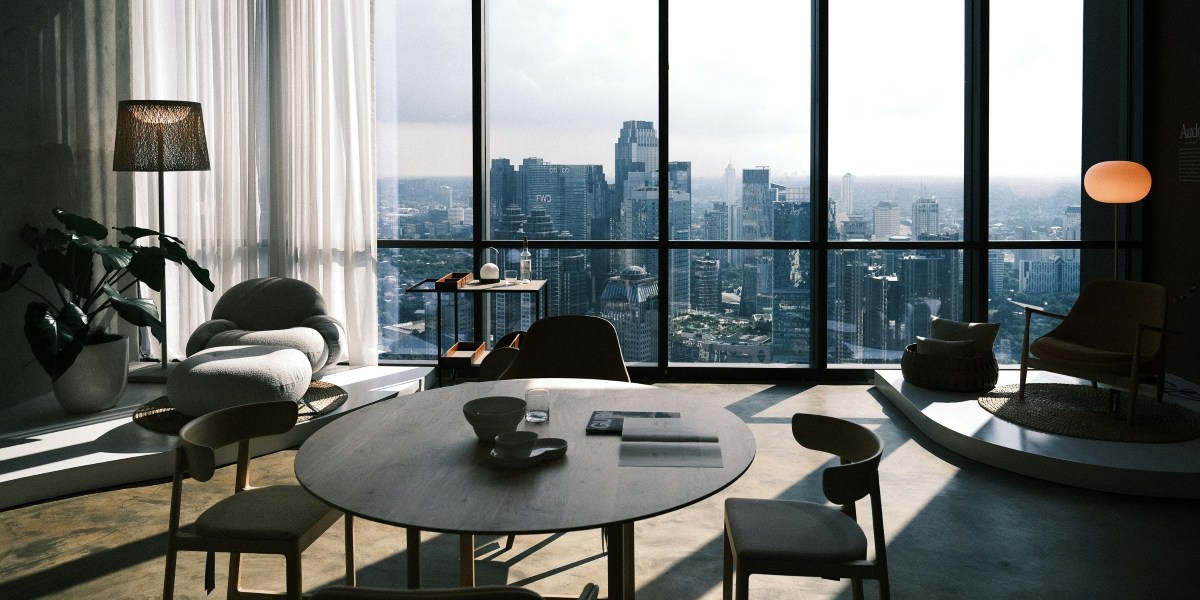
Photo Credit: Unsplash.com
The amenity arms race is not limited to repositioned buildings. New ground-up development in Midtown is being designed with experiential offerings from the blueprint stage.
At 343 Madison Avenue in Midtown East, excavation and foundations are underway for a 49-story, 950,000-square-foot commercial skyscraper designed by Kohn Pedersen Fox and developed by BXP, featuring a collection of tenant amenities integrated into the design and subterranean access to the Grand Central Madison concourse.
At 350 Park Avenue, a proposed 62-story, 1,600-foot supertall tower designed by Foster + Partners for Citadel and Citadel Securities would deliver 1.8 million square feet of Class A office space and a 12,500-square-foot public concourse along Park Avenue.
Both projects reflect a development community that has internalized a straightforward lesson: in a market where supply is tightening and tenants have options, the building that wins is the one that feels less like an office and more like a destination.
The Residential Market Is Following Suit
The amenity shift is not confined to commercial real estate. New York City’s rental market is undergoing a parallel transformation, as developers compete to attract residents with the same logic driving corporate landlords.
Wellness spas are now found in 29% of new rental buildings in New York City, a sharp rise from just 9% among older construction, while rooftop decks are present in 63% of newer buildings compared to 47% in older stock. The push reflects a broader lifestyle shift driving premium pricing across the city’s most competitive zip codes — from Hudson Yards and the Far West Side to the waterfront developments reshaping Greenpoint and Long Island City.
The Pfizer headquarters conversion on the Far West Side — the largest office-to-residential conversion project in the United States — is delivering roughly 1,600 rental apartments with amenities including a rooftop pool, fitness center, spa, and pickleball courts, with leasing having already begun and demand described as high.
Tourism and Foot Traffic Keep Midtown’s Retail Ecosystem Alive
Underpinning the entire commercial corridor is a tourism engine that continues to perform. New York City’s hotel occupancy and Broadway attendance both rose noticeably year-over-year in February, even amid two major snowstorms, signaling that Midtown’s foot traffic remains durable.
Tourism to New York City in 2025 approached or surpassed 64 million visitors — nearly back to the 2019 record of 66.5 million — lighting up shopping corridors from Fifth Avenue to SoHo and supporting retail leasing that topped 3.0 million square feet in the first three quarters of the year alone. For landlords and restaurateurs in the Theater District and Midtown corridor, that foot traffic is a lifeline.
Sales tax revenue in New York City has climbed 32% since 2019, reaching its highest recorded level in 2025 — a figure that signals genuine consumer activity rather than speculative recovery.
What the Arms Race Means for New York
The competition to build the most compelling office environment in Manhattan is, at its core, a competition for talent — one that plays out city-wide and benefits New York’s broader economic ecosystem. Buildings that attract and retain premium tenants generate tax revenue, anchor neighborhood retail, fill restaurants, and sustain transit ridership.
Paying slightly higher rent for a building that keeps employees engaged is cheaper than managing the fallout of a disengaged workforce — a calculation that has moved wellness amenities, terraces, quiet rooms, upgraded air systems, and hospitality-style experiences from “nice-to-have” into strategic necessity.
For a city long defined by its density and dynamism, Midtown’s amenity arms race is less a luxury trend than a structural reset — one reshaping what New York’s skyline promises to the people who work beneath it.