
Austin has always been a city that moves fast. New residents arrive every year, businesses expand, and neighborhoods continue to grow. Alongside this growth, food delivery apps have become part of everyday life. Many people now rely on quick delivery for lunch at the office or dinner at home.
With more drivers on the road working for delivery platforms, concerns about traffic safety are rising. Residents are beginning to ask whether the convenience of app-based meals is contributing to more road accidents across Austin. Looking at traffic patterns, driver behavior, and legal questions can help clarify what may be happening.
App-Based Driving and Liability Concerns in Austin
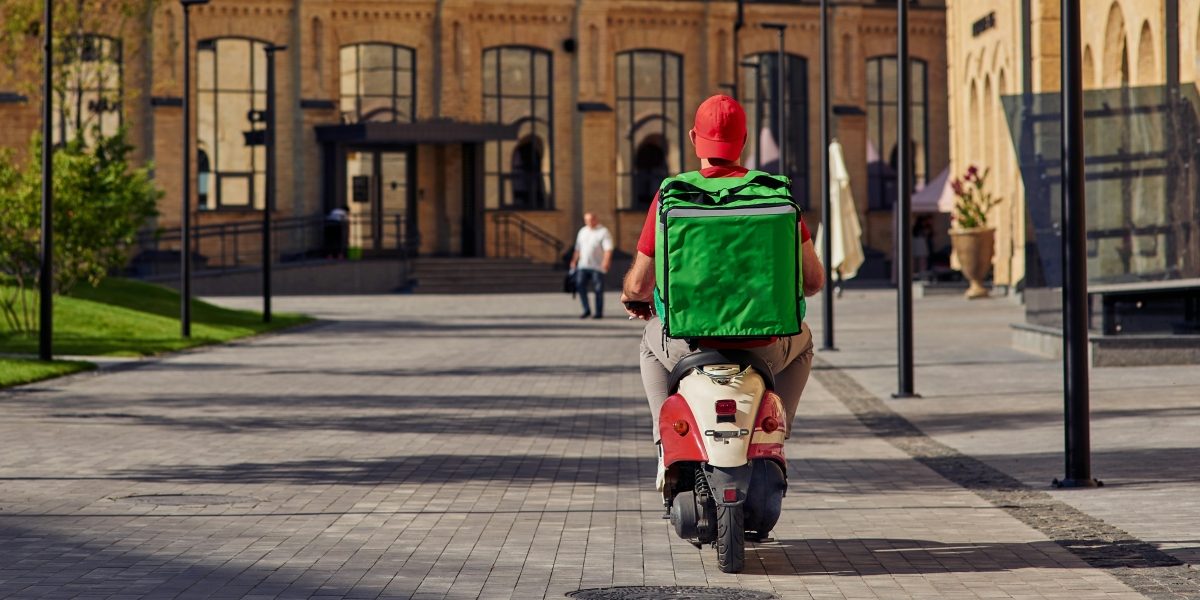
Food delivery platforms operate throughout Austin, sending drivers into busy districts during peak meal hours. Popular areas like downtown, East Austin, and South Congress often see clusters of delivery vehicles around restaurants. During lunch and dinner rushes, streets can fill with drivers stopping briefly to pick up or drop off orders.
This rapid movement creates new traffic patterns. Vehicles may slow suddenly, pull to the curb without warning, or circle blocks while searching for an address. Each of these actions increases the chance of collisions, mainly in areas already packed with cars, cyclists, and pedestrians.
When a crash involves a delivery driver, legal responsibility can become complicated. Drivers are often classified as independent contractors. Questions arise about whether the individual driver, the app company, or another party is liable for damages. Law firms such as Zinda Law Group frequently evaluate these situations to determine how insurance coverage applies and who may be responsible after an accident.
Traffic Growth and Delivery Demand Colliding
Austin’s population growth has already placed pressure on its roads. Construction projects, expanding suburbs, and tourism all contribute to congestion. Food delivery adds another layer to this traffic volume.
Every order means at least two trips: one to the restaurant and one to the customer. During peak times, hundreds of these trips may occur simultaneously. This steady flow of short-distance driving increases activity in commercial zones and residential neighborhoods.
While citywide accident statistics reflect many factors, timing often aligns with high delivery demand. Evening hours and weekends, which are popular for ordering meals, are also common periods for crashes. Although delivery driving is not the sole cause, the overlap suggests it may be contributing to overall traffic risk.
How Tight Deadlines Shape Driving Habits
Delivery drivers are typically paid per completed order. Faster service can lead to higher earnings. This payment structure can unintentionally encourage rushed behavior.
Common risk patterns linked to delivery work include:
- Checking navigation apps while driving
- Making quick turns without full stops
- Parking in unauthorized spaces for convenience
- Speeding to meet estimated delivery times
- Responding to new order alerts behind the wheel
These behaviors may seem minor in isolation. When multiplied across hundreds of drivers, they can increase the chance of accidents across the city. Austin’s roadways already require alert driving due to construction zones, cyclists, and changing speed limits. Adding time pressure to that environment can make safe decision-making more difficult.
Downtown Austin and High-Activity Corridors
Some areas experience more delivery traffic than others. Downtown Austin remains one of the busiest zones for food orders. Restaurants are concentrated in a small geographic area, creating heavy vehicle turnover. Drivers often compete for limited curb space. Double parking, quick drop-offs, and sudden stops are common sights. In apartment-heavy districts, drivers may circle multiple times searching for entrances or gate codes.
Entertainment districts and university areas also attract frequent deliveries. These neighborhoods combine pedestrian activity, scooters, rideshare vehicles, and delivery cars. The mix increases complexity on already narrow streets. Even residential neighborhoods are affected. Short trips into subdivisions mean more vehicles entering and exiting driveways throughout the evening hours.
Insurance Gaps and Coverage Confusion
When a delivery driver is involved in a crash, insurance questions can slow down recovery for injured parties. Personal auto policies may not fully cover commercial use of a vehicle. Delivery companies usually provide limited insurance that activates only during certain stages of the job.
For example, coverage may differ depending on whether the driver is logged into the app, en route to pick up food, or actively delivering an order. This layered structure can delay compensation decisions.
Victims may face uncertainty about which insurer should pay for vehicle repairs, medical bills, or lost income. Understanding how these coverage periods work is essential for anyone involved in a collision with an app-based driver.
Pedestrian and Cyclist Safety Concerns
Austin promotes walkable communities and bike-friendly streets. Trails, bike lanes, and urban pathways are widely used. Increased delivery traffic interacts directly with these spaces.
Drivers stopping in bike lanes or near crosswalks can reduce visibility for others. Even brief interruptions in traffic flow may increase the likelihood of collisions. In crowded entertainment areas, pedestrians frequently cross streets between parked cars, which can surprise drivers focused on app directions.
Balancing convenience with safety becomes more challenging in dense urban environments. As delivery services expand, cities must consider how to protect non-drivers sharing the road.
Steps Toward Safer Streets
Food delivery services are likely here to stay. Convenience has reshaped consumer habits, and many residents depend on quick meal options. Since demand remains high, safety improvements are necessary.
Possible safety measures include:
- Designated pickup and drop-off zones near busy restaurants
- Improved signage to reduce illegal stopping
- Stronger enforcement of traffic violations
- Incentive programs that reward safe driving over speed
- Public awareness campaigns promoting responsible delivery practices
Drivers can also reduce risk by planning routes before moving, avoiding phone interaction while driving, and allowing extra time for deliveries. City planners may benefit from tracking delivery-specific traffic data. Clear information can help shape policies that support both local businesses and public safety.
Looking Ahead as Austin Continues to Grow
The rise of food delivery in Austin reflects broader lifestyle changes. It offers convenience, supports restaurants, and creates flexible work opportunities. At the same time, more vehicles on busy streets can increase congestion and accident risk. Road accidents rarely have a single cause. Population growth, infrastructure limits, nightlife traffic, and construction all contribute. Delivery drivers add another variable to an already complex traffic system. Addressing these concerns requires cooperation among drivers, companies, city officials, and residents. With thoughtful planning and responsible driving habits, Austin can enjoy the convenience of food delivery while working to reduce preventable road accidents.
Disclaimer: This article provides general information and analysis of food delivery trends in Austin and their potential impact on road safety. Readers are encouraged to consult experts and official sources for more detailed information or personalized guidance regarding traffic safety or legal matters.