

By: Kate Sarmiento
Confidence is usually framed as something dramatic. A breakthrough moment. A big win. A version of success that shows up loud and visible.
But for most women, that’s not how confidence works.
It forms in the background of daily life, shaped by decisions that feel too small to matter at the time. What feels comfortable enough to wear out of the house, whether personal interests feel appropriate to share or are easier to keep private, and whether the world feels like it adjusts to women or expects women to do all the adjusting.
Those choices may seem minor, but they add up fast.
That is where brands like Svaha USA enter the conversation. Based in the Washington, DC, metro area, Svaha creates size-inclusive, organic-cotton clothing designed for real people with real routines. Not clothing meant to perform. Clothing meant to support daily life while reflecting curiosity, comfort, and individuality.
Women’s History Month offers a chance to talk about confidence beyond headlines and milestones. It is an opportunity to look at how confidence is actually built. Quietly. Repeatedly. Through everyday experiences that tell women whether they belong as they are.
Confidence Starts Long Before Anyone Calls It Confidence
Long before women are encouraged to advocate for themselves at work or take up leadership roles, they are already learning expectations.
Those lessons begin early. Often, before anyone realizes they are happening. Girls learn which interests are encouraged and which are treated as side hobbies, and over time, these patterns shape how freely women explore who they are.
Girls who feel supported in expressing curiosity and individuality are more likely to maintain confidence later in life, especially in academic and professional settings tied to science and technology (Source: Ozobot, 2025). Encouragement does not just feel good in the moment. It creates lasting internal permission.
Svaha’s origin story reflects this reality. Founder Jaya Iyer noticed something missing when her daughter became fascinated with space and science. There were no clothes that reflected those interests for girls. That absence was not neutral. It quietly suggested what was expected and what was not.
Creating clothing that reflected curiosity instead of stereotypes was not about making a statement. It was about filling a gap that should not have existed in the first place. When interests are supported early, confidence has a place to land.
What Clothing Teaches Women and the Quiet Signals That Shape Self-Perception
Clothing is part of daily life in a way few things are. It is one of the most consistent points of contact between women and the world. It affects how women move, sit, walk, focus, and engage.
When clothes pinch, ride up, itch, or require constant adjusting, attention turns inward. Discomfort becomes something to manage quietly. Over time, that friction teaches women to tolerate distraction rather than question it.
Comfort changes that experience entirely. When clothing allows women to move freely, breathe easily, and stay present, energy shifts outward. It becomes easier to participate fully, speak up, and focus on what actually matters.
That connection is not imagined. Feeling physically comfortable in clothing is closely tied to confidence and mental focus in everyday environments (Source: Family and Consumer Sciences Research Journal, 2005).
But clothing does more than affect comfort. It also sends subtle signals about what is expected.
Women absorb these signals constantly, often without realizing it. They show up in small, everyday decisions like:
Choosing whether an outfit feels appropriate for work or social settings
Deciding between comfort and looking “put together.”
Wondering if an interest feels professional enough to mention
Adjusting posture or movement to accommodate clothing
Editing personal style to avoid standing out
None of these moments feels defining on their own. But repetition matters.
Over time, these daily signals shape internal narratives. They teach women what feels allowed, what feels risky, and what feels easier to keep quiet. Confidence rarely disappears overnight. It erodes gradually when friction becomes normal.
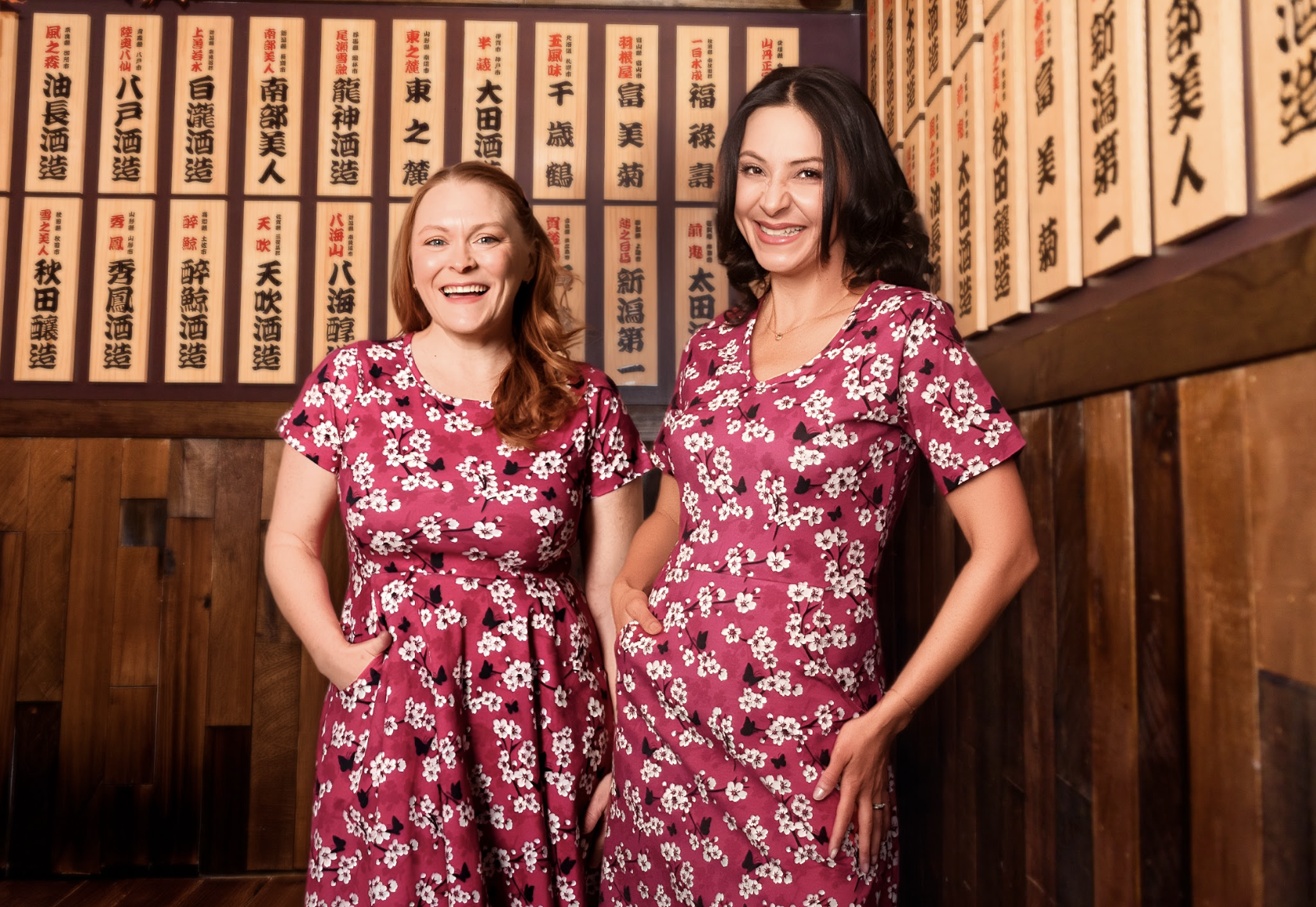
Photo credit: Svaha USA
Svaha designs with this reality in mind. Organic cotton fabrics that breathe. Tagless and sensory-friendly construction. Thoughtful fits that extend from XS to 5XL. Dresses with pockets because functionality should not be treated as a bonus.
These details are not decorative. They communicate something important. They say women do not need to endure discomfort to be taken seriously. Comfort is not something to earn later. It is the starting point.
When Everyday Choices Become Identity and Confidence Takes Root
No single outfit defines how a woman sees herself. It is the accumulation that matters.
Daily decisions about what feels appropriate to wear, how much space feels acceptable to take up, and which parts of identity feel safe to share stack over time. Those experiences quietly shape how women describe themselves and how much trust they place in their own preferences.
When environments consistently prioritize ease, fit, and expression, confidence grows naturally. Women spend less energy managing themselves and more energy engaging with the world around them.
Design plays a meaningful role in that process. Size inclusivity, functional details, and sensory-friendly construction remove barriers that women are often taught to accept without question. These choices communicate respect without requiring explanation.
That message carries weight. It tells women they do not need to adapt themselves to be worthy of consideration. They already belong.
This is why representation in everyday spaces matters. Seeing interests reflected in clothing supports a sense of belonging and long-term self-confidence, especially for those who grew up feeling edited or overlooked (Source: International Journal of Research And Analytical Reviews, 2024).
Svaha’s approach reflects this understanding. Science-inspired patterns, nature references, and thoughtfully designed silhouettes are woven into pieces for everyday use. Nothing feels like a costume. Nothing asks for justification. The result is clothing that fits into daily life while allowing personality to exist comfortably.
A Call to Dress Like You Belong Here, Because You Do
Confidence is not built in one defining moment. It grows through repetition. Through daily experiences that reinforce comfort, belonging, and self-trust.
Women’s History Month is not only about honoring progress. It is about recognizing the everyday foundations that make progress possible.
Clothing is part of that foundation. When it supports real bodies, real interests, and real comfort, confidence has room to grow naturally.
Svaha USA creates apparel for those everyday moments. From organic cotton dresses with pockets to plus-size clothing and matching family clothing, each piece is designed to make getting dressed feel easier, not harder.
Explore clothing that supports who you already are. Visit Svaha USA and choose pieces that let you move through the world comfortably, confidently, and without compromise.