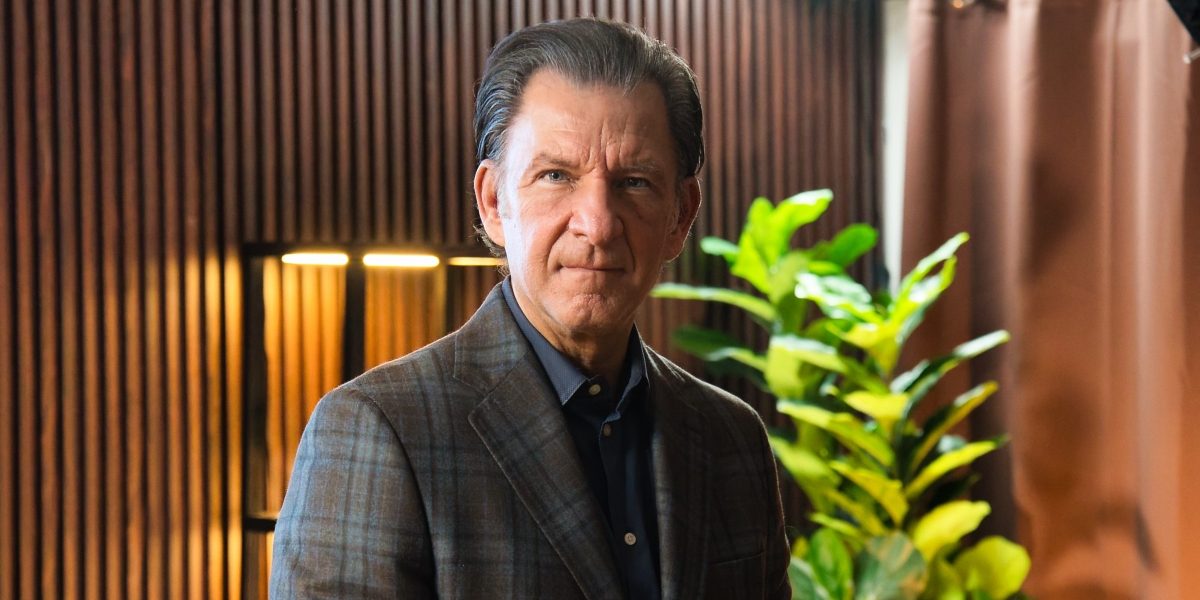

Dr. Robert Melillo stands as one of the influential figures in the world of autism research and clinical care. For over three decades, his work has focused on one central question that has challenged neuroscience, medicine, and families alike: What is the root cause of autism, and how can it be changed in meaningful, measurable ways?
Dr. Melillo begins with a foundational understanding that the brain and body cannot be studied as separate parts. They function as one integrated system, governed by the brain and nervous system. Achieving this level of understanding requires extensive knowledge of functional neurology, neuroscience, neuroanatomy, neuroimmunology, neurophysiology, and the body’s sensory motor systems. Very few individuals in the world possess this combination of expertise. This comprehensive scientific background is what has allowed Dr. Melillo to ask questions and arrive at answers that may offer insights that others have not yet considered.
Unlike those who study autism exclusively through research or clinical practice, Dr. Melillo works at the intersection of both. He is a researcher, clinician, academic, and educator whose work has influenced how autism is understood and treated globally. His primary focus has been on the most complex and least understood form of the condition, non-speaking autism, often described as one of the greatest mysteries in modern neuroscience.
Through original research and decades of clinical application, Dr. Melillo and his research team have developed and published what is currently considered to be the only universal neurological model of autism. This model proposes an explanation for all presentations across the autism spectrum, their differences, and their shared neurological foundations. It has changed how autism is viewed, not as a collection of unrelated symptoms, but as an integrated developmental condition rooted in how the brain and body mature together.
A Career Dedicated to Understanding the Developing Brain
Dr. Melillo’s academic background reflects his lifelong commitment to understanding brain development from its earliest stages. He holds a PhD in Developmental Cognitive Neuroscience, a master’s degree in Clinical Rehabilitation Neuropsychology, and a doctorate in chiropractic medicine with board certification in neurology. He also completed a fellowship in Childhood Neurodevelopmental Disorders and has spent over 30 years teaching postgraduate education in developmental functional neurology.
In addition to his academic roles, Dr. Melillo directs a research laboratory focused on brain development and rehabilitation sciences. His research has been published extensively in peer-reviewed journals, including the British Medical Journal and the Journal of Autism and Developmental Disabilities. He has authored over 100 scientific papers examining brain development, hemispheric connectivity, and neurodevelopmental disorders.
What distinguishes Dr. Melillo’s work is its consistency and depth. His research questions arise directly from clinical observation, and his clinical methods are continuously refined through scientific study. This direct link between research and real-world outcomes has allowed him to test theories not only in theory but in practice.
A Universal Model of Autism
One of Dr. Melillo’s most significant contributions is the development of a universal neurological model of autism. While many theories focus on genetics, behavior, or isolated brain regions, his model explains autism as a developmental imbalance in brain connectivity and neural networks, particularly between the two hemispheres of the brain.
This model offers insights into:
- The wide range of abilities and challenges seen across the autism spectrum.
- Why some individuals develop speech while others do not.
- Why exceptional strengths and significant challenges often coexist.
- Why autism presents differently across ages and developmental stages.
- Why individuals with different genetic profiles may still fit within the same neurological framework.
- Why biomedical, gut, and neuroimmune symptoms are often secondary effects of a primary neurological imbalance and not the root cause.
Most importantly, this model explains autism as a condition of development, not degeneration. The brain is not broken. It has developed unevenly, most often because certain neural networks are genetically stronger than others. These strengths frequently reflect unusually high abilities, but they also create vulnerabilities in weaker systems.
This distinction is critical because development can be supported and guided, and change is possible.
Understanding Non-Speaking Autism
Non-speaking autism remains one of the most misunderstood conditions in neuroscience. It is often assumed that the inability to speak reflects low intelligence or lack of understanding. Dr. Melillo’s research suggests that this belief may not be accurate.
His findings show that many non-speaking individuals possess strong cognitive abilities, particularly in left-hemisphere functions such as visual reasoning, pattern recognition, and problem-solving. The inability to speak is not due to a lack of language comprehension, but rather a disruption in the brain systems responsible for organizing and coordinating speech.
Dr. Melillo’s research identifies specific developmental disconnections involving neural timing, coordination, and communication between brain regions that interfere with speech production. In simple terms, the brain knows what it wants to say, but the systems required to express it are not always working together effectively.
By clearly explaining what is happening neurologically, his work offers answers to a question that has remained unresolved for decades: why speech is inaccessible despite clear awareness and intelligence. This understanding has changed how non-speaking autism is viewed and treated, replacing assumptions with clarity and evidence.
Addressing the Root Cause, Not the Symptoms
A central principle of Dr. Melillo’s work is that symptoms are not the problem; they are signals. Treating behaviors without addressing the underlying neurological imbalance may only mask the condition.
His approach focuses on identifying and changing the root developmental issues affecting:
- Brain connectivity and hemispheric balance
- Neural timing and coordination
- Sensory and motor integration
- Brain–body and immune system communication
One area of particular importance in his research is the role of retained primitive reflexes. These early reflexes are meant to disappear as the brain matures. When they persist, they interfere with higher-level skills such as attention, emotional regulation, learning, and speech. Dr. Melillo’s research has shown strong associations between retained primitive reflexes and altered hemispheric connectivity in autism spectrum disorders.
By addressing these foundational issues, meaningful neurological change is possible.
The Melillo Method: A Comprehensive, Measurable Approach
The Melillo Method is the clinical application of this research. The Melillo Method 10-Level System is one of the most comprehensive and targeted neurological programs ever developed. Each treatment plan is individually designed based on an extensive neurological examination, functional and cognitive testing, laboratory analysis, and brain mapping.
This program does not manage symptoms. It addresses root causes through objective, goal-directed, daily functional and developmental measurements. Whether delivered in-office, virtually, or through a hybrid model, there is no other program that integrates this level of precision and personalization.
Interventions may include:
- Movement-based neurological exercises
- Sensory and cognitive stimulation
- Targeted neuroimmune therapies
- Nutritional, dietary, and lifestyle support
- Non-invasive brain-based therapies
- Advanced brain stimulation tools
- Speech and academic therapies
- Brain-based digital therapies and virtual environments
- Targeted neurofeedback
Progress is measured objectively through neurological assessments rather than subjective observation alone. The goal is never to change who a person is, but to remove the barriers that may prevent full expression of their abilities.
Preserving Strengths While Creating Access
Dr. Melillo consistently emphasizes that individuals on the autism spectrum are not defined by deficits. Many possess exceptional abilities, particularly in analytical thinking, creativity, memory, and visual processing.
His work seeks to give individuals a voice without diminishing their strengths. By improving neurological and immune balance and creating access to communication, individuals are better able to express their intelligence, personality, and creativity without losing what makes them unique.
Clinical Leadership and Global Impact
Dr. Melillo and his highly trained multidisciplinary team operate specialized clinics in New York City that are rapidly becoming a global destination for families seeking answers beyond conventional approaches. Demand continues to grow, with waiting lists forming as families from around the world seek care based on measurable outcomes.
Beyond clinical work, Dr. Melillo has trained more than 10,000 healthcare professionals globally and continues to educate clinicians through advanced fellowship programs. He has authored a foundational textbook, Neurobehavioral Disorders of Childhood: An Evolutionary Perspective, as well as over eight bestselling books, including Disconnected Kids, now in its third edition and translated into 18 languages.
In response to growing international demand, Dr. Melillo and his team have begun expanding Melillo Method Centers globally. Initial centers are launching in Medellín, Mexico City, and Sydney, with ongoing requests from cities worldwide. The goal is simple: to help ensure access to this approach, whether in New York, virtually, or through dedicated centers around the world.
A Future Built on Understanding, Not Labels
Dr. Robert Melillo’s work represents a shift in how autism is understood — away from labels and limitations, and toward development, clarity, and possibility. By identifying the root neurological causes of autism and demonstrating how they may be addressed in measurable ways, his work provides both explanation and direction.
At its core, this work is grounded in respect: respect for the brain, respect for development, and respect for the individual. The goal has never been to change who someone is, but to help them become the fullest version of themselves.
Disclaimer: The information provided in this article is for educational and informational purposes only and is not intended as medical advice. Always consult with a qualified healthcare professional or physician before making any decisions regarding medical treatment or therapies.