
By: Velma J. Campbell
Catholic anthropology is the Church’s understanding of what it means to be human. It examines where we come from, why we exist, and what our ultimate destiny is. Unlike other views that see people as either completely good or completely bad, Catholic teaching takes a middle path. It says that human beings are both made in God’s image and affected by sin.
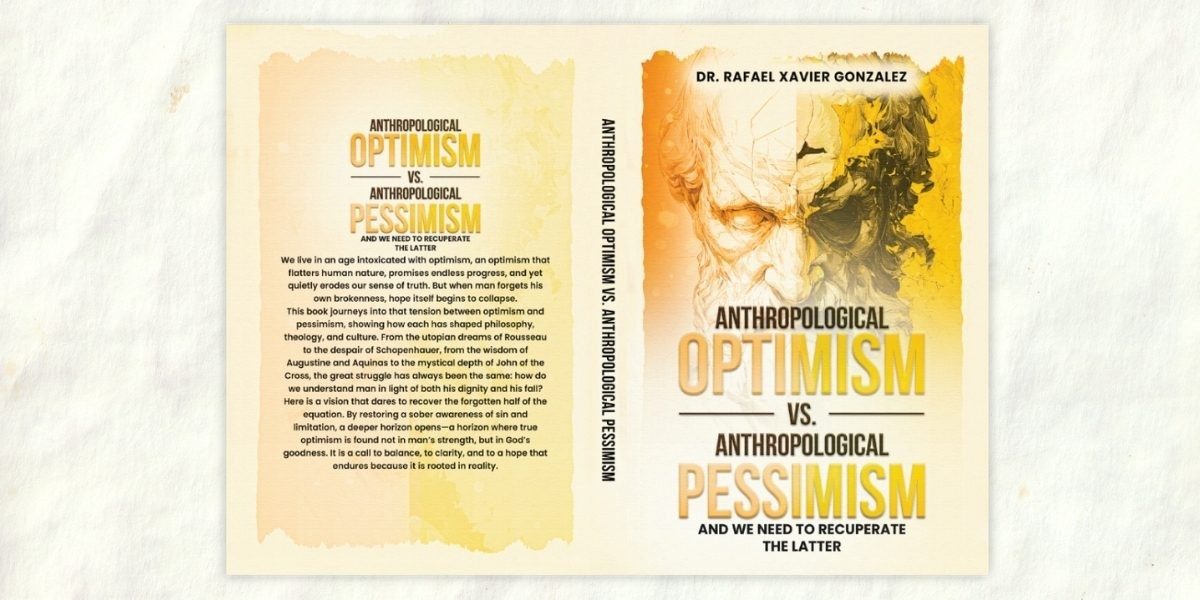
In Anthropological Optimism Vs Anthropological Pessimism and We Need to Recuperate the Latter, Dr. Rafael Gonzalez explores this delicate balance. He argues that both optimism and pessimism have their place when thinking about human nature. However, leaning too far in either direction causes serious problems. A proper understanding of man, according to Catholic thought, requires both faith and reason.
The Danger of One-Sided Thinking
In modern times, many people adopt extreme views about humanity. Some believe that people are naturally good and will do the right thing if given the chance. Others think humans are selfish and corrupt by nature. Dr. Gonzalez warns that both of these positions are incomplete.
When we think people are completely good, we ignore the reality of sin and the need for grace. We create a false sense of confidence in human ability. On the other hand, focusing only on human weakness risks leaving us in despair. We may think that change is impossible and that salvation is out of reach.
Catholic anthropology avoids both extremes. It teaches that human beings are wounded but not destroyed. We are capable of goodness because God makes us. But we also need His help to reach our full potential.
Lessons from Church Tradition
Throughout history, the Catholic Church has held a rich and thoughtful view of human nature. Saints like Augustine and Thomas Aquinas taught that people are created for goodness but must deal with the reality of sin. Their writings show that the Church has always held both truths at once.
Dr. Gonzalez draws on these teachings in Anthropological Optimism Vs Anthropological Pessimism And How We Need to Recuperate the Latter to show how Catholic anthropology remains relevant today. He explains that modern culture has often lost sight of these lessons. In trying to uplift people, society has removed the need for God. But without God, the human person cannot be fully understood.
Church teaching reminds us that true dignity comes not just from being human, but from being called to share in God’s divine life. This is the ultimate balance: to know that we are both lowly and called to greatness.
The Importance of Balance in Today’s World
In our world, messages about self-love, empowerment, and personal freedom are everywhere. While these ideas can be good in themselves, they become harmful when separated from the truth. Without a clear view of who we are, we fall into confusion. We either think we are perfect and need no help, or we think we are worthless and beyond saving.
Dr. Gonzalez believes that recovering a balanced view of man is essential for personal and societal healing. This is not just a religious issue. It affects how we treat others, how we raise our children, how we build communities, and how we shape laws.
A society that denies sin becomes careless. A society that denies dignity becomes cruel. Catholic anthropology calls us to walk between these two extremes with humility and truth.
Conclusion
In Anthropological Optimism Vs Anthropological Pessimism and We Need to Recuperate the Latter, Dr. Rafael Gonzalez presents a strong case for why Catholic anthropology demands a balanced view. He invites readers to move beyond surface-level thinking and to embrace a deeper, more honest understanding of the human condition.
This book is for anyone who wants to understand themselves better, grow in faith, and respond more wisely to the world around them. If you are searching for clarity about what it means to be human, Anthropological Optimism Vs Anthropological Pessimism and We Need to Recuperate the Latter is a valuable and timely resource. It will guide you to think with both heart and mind, grounded in truth and open to grace.
Disclaimer: The views expressed in this article are those of the author and do not necessarily reflect the official position of any religious or organizational entity. This article is for informational purposes only and should not be considered as professional or legal advice.