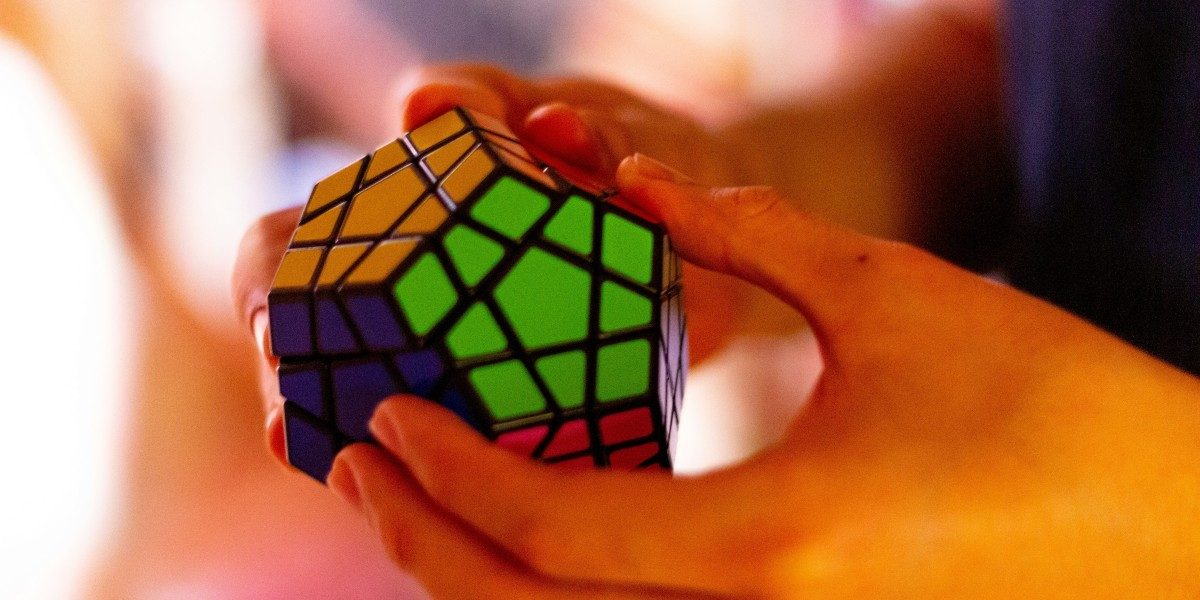

Do you love a good mental challenge? Perhaps you’ve gone on some cognitive adventures offered by the now-ubiquitous brain games. These brightly colored games are often said to help boost focus, memory, and overall mental agility.
But how accurate are these claims, and can a daily dose of brain-boosting puzzles really enhance your cognitive prowess? This article takes a deep dive into the captivating world of brain games, their impact on your mind, and how C15 fatty acid supplements can support your overall wellness.
The Concept of Brain Games
At their core, brain games are activities designed to challenge your cognitive abilities. They come in numerous forms, including puzzles, memory activities, problem-solving tasks, and card games. Their purpose? To stimulate various aspects of your cognitive function, such as memory, attention, reasoning, and speed.
Through repetition and increasingly complex tasks, these games are said to enhance overall cognitive skills. Brain games have gained increased attention over the years, with many people turning to them as a way to potentially slow the cognitive decline associated with aging or even improve intellectual performance.
The Role of Nutrition and Brain Health
It’s important to recognize the role of nutrition and brain health. Your brain is a voracious consumer of nutrients, and what you eat can significantly affect its function. Emerging research suggests that certain nutritional supplements, like pentadecanoic acid, could also potentially support cognitive health and function.
Early results hint at potentially protective roles for brain and mental health. So, combining targeted nutrition, such as pentadecanoic acid supplements, with cognitive exercises like brain games may just be a potent recipe for a sharper mind.
The Science Behind Brain Games
On the one hand, several studies indicate that brain games can lead to improvement in specific tasks. If a game challenges your short-term memory, it would stand to reason that you’ll get better at that specific task with time and practice.
On the other hand, it’s disputed whether these improvements translate to overall cognitive enhancement. That is, will getting better at a memory-based game make you better at remembering where you parked your car?
Critics argue that while brain games can make you better at the tasks they incorporate, there’s a lack of strong, comprehensive evidence to show a “transfer effect.” These are improvements that carry over into tasks in everyday life or that deliver broad-based improvements in cognition.
In essence, while brain games may likely sharpen the specific skills they target, saying they boost overall brain function might be a bit of a stretch, at least based on current scientific understanding. Nevertheless, the controversy remains, making the world of brain games an exciting topic to explore.
Brain Games for Dementia
Moving into a critical demographic, consider the use of brain games in managing dementia. Dementia, often characterized by memory loss and cognitive decline, is a debilitating condition, and any potential protective measures are worth exploring.
While brain games cannot cure dementia, some studies indicate they may help slow its progression. They can provide cognitive stimulation, which is vital to exercising the brain and potentially improving symptoms.
Games that focus on memory tasks or problem-solving can be especially useful, providing a fun yet challenging cognitive workout for those with dementia. While it’s essential to stress that brain games will not act as a panacea, offering a supplemental tool to traditional treatments might be beneficial.
Can Brain Games Replace Traditional Learning Methods?
So, given their potential to stimulate certain cognitive functions, might brain games replace traditional learning methods? According to experts, while brain games may represent an engaging supplementary technique, they should not replace traditional learning and teaching methods.
Traditional learning methods expose learners to a variety of socio-emotional experiences that help develop skills such as teamwork, leadership, persistence, and empathy. Brain games, while effective in honing cognitive skills, often lack these holistic learning experiences.
Hence, traditional learning and brain games should ideally work hand-in-hand as complementary methodologies. Traditional learning methods provide broad-based learning, and brain games targeting specific cognitive enhancements.
Brain Games as a Piece of the Cognitive Wellness Puzzle
Brain games and cognitive improvement are an important part of the wellness journey. These puzzles offer engaging ways to target specific cognitive skills, complement traditional learning methods, and possibly slow cognitive decline in conditions like dementia.
However, it’s perhaps best to view brain games as one piece of the cognitive wellness puzzle. After all, a balanced diet (supplemented by brain-friendly nutrients like pentadecanoic acid), regular physical exercise, social interactions, and good sleep play vital roles in maintaining and enhancing your cognitive function.
Remember that your brain is a complex organ that thrives on comprehensive care. Instead of looking for a one-stop solution, consider an inclusive approach that combines brain games with other essential facets of health for sustained cognitive function and overall well-being. What remains undisputed is that keeping your brain active and healthy is crucial.
Disclaimer: The information provided in this article is for educational and informational purposes only. It is not intended to diagnose, treat, cure, or prevent any disease and should not be considered medical advice. Readers should consult with a qualified healthcare professional before making changes to their diet, supplement routine, or cognitive health practices. Any references to nutritional supplements, including pentadecanoic acid, are based on emerging research and should not be interpreted as proven medical claims.