

Every September, New York City braces for a diplomatic wave that reshapes its streets. The UN General Assembly, hosted at the United Nations headquarters in Midtown Manhattan, draws global leaders, security teams, and media from around the world. In 2025, the event runs from September 16 through September 24, with the most intense traffic disruptions expected between September 17 and 23, when high-level meetings take place. While the gathering is a symbol of international cooperation, it also brings a week of gridlock that affects nearly every corner of the city.
Security Measures Reshape Midtown
The UN General Assembly isn’t just a high-level meeting, it’s a full-scale security operation. The NYPD, Secret Service, and international agencies coordinate to protect dignitaries, which means rolling street closures, frozen zones, and restricted access across major avenues. First Avenue near the UN complex becomes a high-security zone, and surrounding blocks often see barricades, redirected traffic, and heavy police presence.
These precautions are necessary, but they ripple outward. Drivers who rely on Park Avenue or Lexington find themselves rerouted. Delivery trucks face delays, and even pedestrian movement is limited. Residents in Midtown often describe the week as a citywide detour, where familiar routes vanish and alternate paths become congested. For those living or working near the UN headquarters, the disruptions can feel relentless, especially when combined with unpredictable weather or construction.
Commuters Face Delays and Detours
For many New Yorkers, the UN General Assembly week feels like a test of patience. Subway ridership spikes as more people avoid driving, but that brings its own challenges, crowded platforms, longer wait times, and occasional service changes. Ride-share users report surge pricing and extended travel times, especially during peak hours. Cyclists and walkers may fare better, but even bike lanes can be blocked by temporary fencing or redirected traffic.
One office worker in Turtle Bay shared that her usual 20-minute commute stretched to nearly an hour during last year’s assembly. She had to reroute through multiple subway lines and walk several blocks due to closed streets. These stories aren’t isolated. They reflect the broader strain placed on the city’s infrastructure during high-security events. Even school buses and paratransit services experience delays, creating ripple effects for families and vulnerable populations.
Technology Offers Partial Relief
City agencies have started leaning on digital tools to help manage the chaos. Real-time traffic updates, adaptive signal systems, and predictive analytics are being used to ease congestion where possible. While these tools can’t eliminate delays, they offer some relief by helping drivers and transit users make informed decisions.
Some of these efforts include experimenting with technology’s role in easing congestion, such as smart intersections and connected vehicle data. These systems are part of a broader push to modernize how the city responds to traffic surges, especially during events like the UN General Assembly. Mobile apps and GPS-based rerouting tools have also become essential for delivery drivers and commuters trying to navigate Midtown’s shifting traffic patterns.
Infrastructure Improvements Still Lag Behind
The gridlock caused by the UN General Assembly isn’t just a one-week problem, it exposes deeper issues in New York’s transportation network. Aging infrastructure, limited street space, and inconsistent enforcement make it difficult to absorb sudden spikes in demand. While city planners have proposed various solutions, implementation remains slow and uneven.
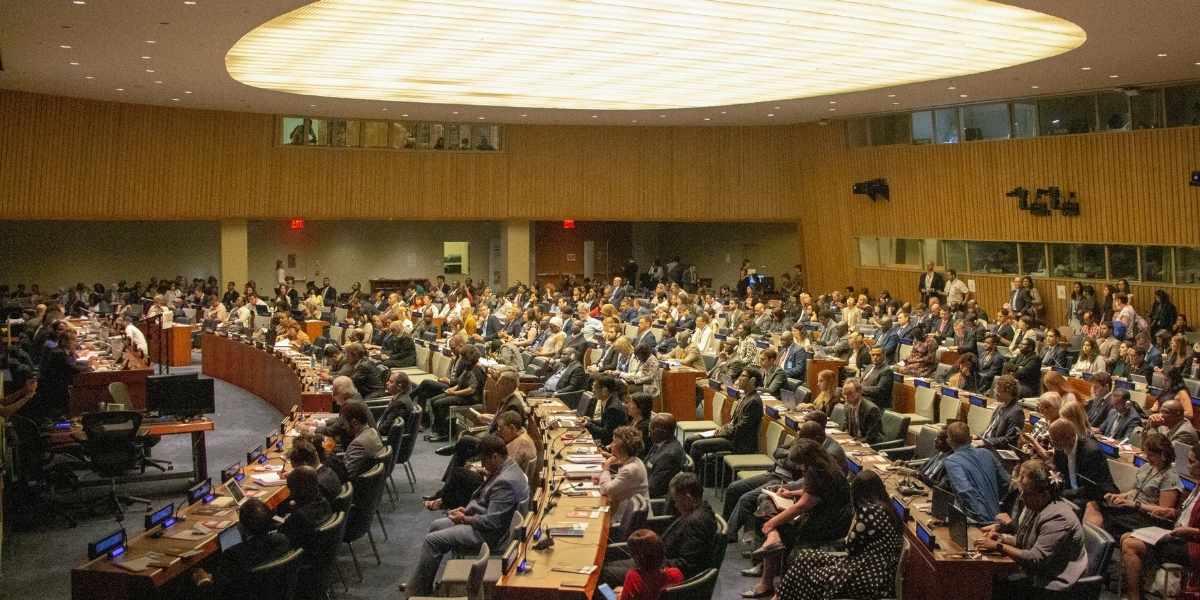
Photo Credit: Unsplash.com
Efforts to improve traffic flow include expanding bus lanes, redesigning intersections, and investing in pedestrian-friendly zones. A broader look at New York’s traffic improvement efforts shows that while progress is being made, many residents still feel the impact of outdated systems and reactive planning. Some neighborhoods have seen pilot programs for curbside management and delivery zones, but these initiatives often stall due to budget constraints or lack of coordination between agencies.
Local Businesses Feel the Strain
Beyond commuters, local businesses also feel the pressure. Restaurants, retail shops, and service providers in Midtown often see a drop in foot traffic during the UN General Assembly. Customers avoid the area due to congestion, and delivery schedules become unpredictable. Some businesses adjust their hours or offer remote services to cope with the disruption.
Despite the challenges, some establishments find opportunity in the influx of international visitors. Hotels near the UN complex often operate at full capacity, and upscale restaurants may see bookings from diplomatic delegations. Still, for most small businesses, the week is more about survival than celebration. Staff scheduling becomes a puzzle, and supply chain delays can impact inventory and service quality.
Balancing Global Events With Local Realities
Hosting the UN General Assembly is a point of pride for many New Yorkers. It reinforces the city’s role as a global center for diplomacy and dialogue. But that pride is often tempered by frustration. Navigating Midtown during this week requires patience, flexibility, and a willingness to adapt.
There’s also a shared sense of resilience. New Yorkers have long learned to adjust to the rhythms of their city, whether it’s a presidential visit, a major parade, or a global summit. The disruptions are real, but so is the ability to keep moving, even when the streets don’t cooperate. For many, the week becomes a reminder of how interconnected the city is, and how quickly it can be thrown off balance.