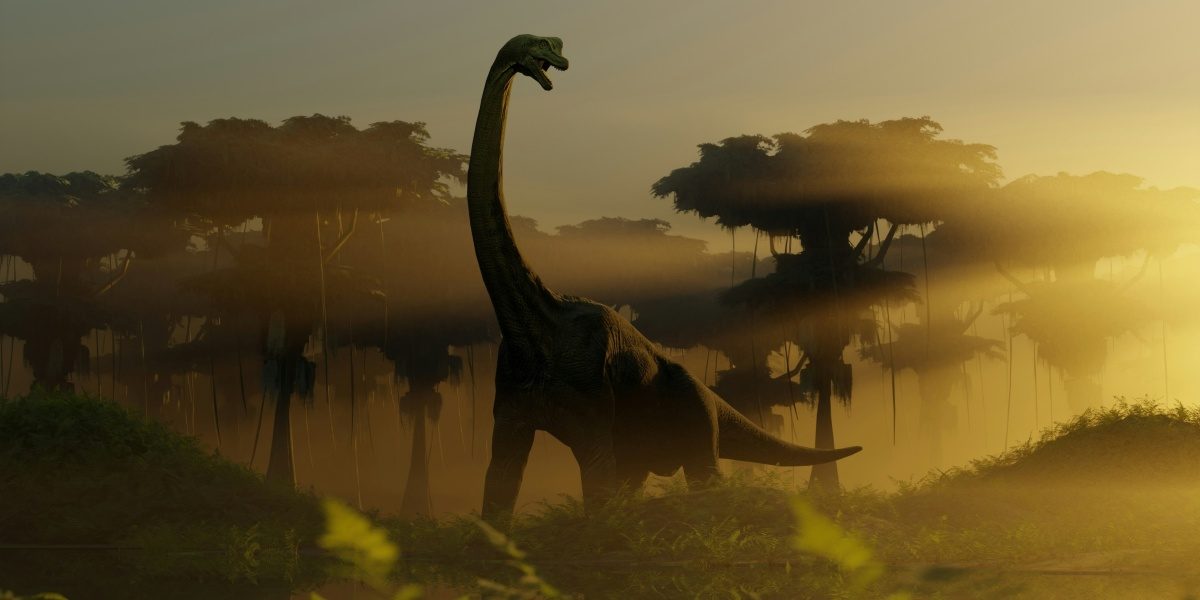

Few creatures in history have intrigued people like the carnivorous dinosaur. From the fierce Tyrannosaurus rex to the cunning Velociraptor, these predators have become prominent figures in popular culture for decades. Their immense size, sharp claws, and terrifying roars often make them symbols of both fear and fascination.
In modern culture, carnivorous dinosaurs aren’t just a source of entertainment—they serve as powerful educational and symbolic tools. Through museums, media, and realistic models, audiences worldwide continue to be fascinated by these ancient giants, finding new ways to connect with Earth’s prehistoric past.
Pop Culture and the Rise of the Carnivorous Dinosaur
Hollywood’s Dinosaur Obsession
Blockbuster films have played a significant role in elevating carnivorous dinosaurs to global fame. From the cinematic debut of T. rex in Jurassic Park to countless sequels, audiences have come to associate prehistoric predators with thrilling storytelling. These films emphasize spectacle and drama, ensuring that carnivores remain integral to dinosaur lore.
Television, Cartoons, and Gaming
Beyond film, carnivorous dinosaurs continue to thrive in television, animation, and gaming. Whether portrayed as ferocious villains or misunderstood creatures, they appear across genres, from children’s cartoons to survival video games and virtual reality experiences. Their adaptability across media forms demonstrates their enduring appeal.
The Role of Museums and Exhibits
Realistic Skeletons and Animatronics
Museums bring prehistoric predators to life through reconstructed skeletons and animatronic displays. Standing beneath a towering T. rex skeleton or watching a lifelike predator roar offers visitors a unique opportunity to connect with history. These experiences blend education with awe, engaging audiences of all ages.
Educational Storytelling Through Predators
Carnivorous dinosaurs also serve as gateways to broader scientific discussions. Exhibits utilize their dramatic hunting adaptations to explain topics like evolution, extinction events, and ecosystem balance. By starting with the spectacular, museums encourage audiences to dive deeper into understanding.
The Science Behind the Monsters
Fossil Discoveries and Paleontology
Paleontologists continue to uncover new carnivorous dinosaur species, expanding our knowledge of their diversity. Fossilized teeth, bones, and even soft tissue impressions provide valuable insights into predator-prey relationships and evolutionary patterns.
Understanding Behavior Through Anatomy
Anatomical studies shed light on how these creatures lived and hunted. Jaw structures offer clues about bite strength, while claw formations suggest hunting strategies. By analyzing skeletal mechanics, scientists reconstruct behaviors, fueling both academic research and cultural imagination.
Cultural Symbols and Interpretations
Carnivorous Dinosaurs as Symbols of Power
Throughout modern art and literature, carnivorous dinosaurs often represent raw strength and survival. They embody primal instincts and are frequently used in stories as metaphors for power, dominance, and resilience.
Fear, Awe, and the Sublime
The psychological impact of predators like T. rex is profound. They evoke both fear and fascination, drawing people toward the sublime—an overwhelming mix of danger and beauty that leaves lasting impressions.
Entertainment Beyond the Screen
Carnivorous Dinosaur Replicas and Attractions
Theme parks and exhibitions use realistic replicas to immerse visitors in prehistoric adventures. Standing beside a roaring animatronic predator provides a mix of excitement and education, creating memorable experiences.
Live Performances and Animatronic Shows
Live shows featuring animatronic predators continue to captivate audiences by blending technology and theater. These performances entertain both children and adults alike, proving that carnivorous dinosaurs are just as compelling off-screen as they are on it.
Dinosaurs in Education and Edutainment
Leveraging Fearsome Features for Learning
Educators use carnivorous dinosaurs to capture attention and spark curiosity. Their dramatic features make lessons memorable, whether in science classes, STEM camps, or educational documentaries.
STEM Learning with Prehistoric Giants
Programs focused on fossils and paleontology inspire the next generation of scientists. By studying the biology and behavior of predators, children develop critical thinking, research methods, and problem-solving skills.
Online Fandom and Dinosaur Communities
Social Media and Dinosaur Content
Carnivorous dinosaurs are social media stars. Viral videos of animatronics, educational clips, and fan art quickly spread across platforms, helping maintain prehistoric predators’ relevance in the digital age.
Collectors, Forums, and Online Exhibits
Global fan communities exchange ideas, models, and fossil news through online forums and exhibitions. Collectors showcase replicas, while museums host virtual tours, building thriving networks of dinosaur enthusiasts.
The Business of Prehistoric Predators
Merchandising and Licensing
Toys, collectibles, and model kits inspired by carnivorous dinosaurs fuel a thriving industry. From detailed replicas to children’s playsets, these products keep predators at the center of consumer culture.
Role of MyDinosaurs
As a leader in creating high-quality dinosaur models and experiences, MyDinosaurs plays a significant role in how audiences engage with prehistoric predators. Their lifelike replicas and custom attractions offer educational, cultural, and entertainment value for clients worldwide.
Summary
From Hollywood blockbusters to museum halls, the carnivorous dinosaur remains a powerful presence in modern culture. These predators continue to capture the imagination through spectacle, symbolism, and science, bridging education and entertainment in meaningful ways.
As innovation advances in technology, paleontology, and storytelling, prehistoric predators will likely remain icons of fascination—thrilling audiences, inspiring learners, and reminding us of Earth’s untamed past.