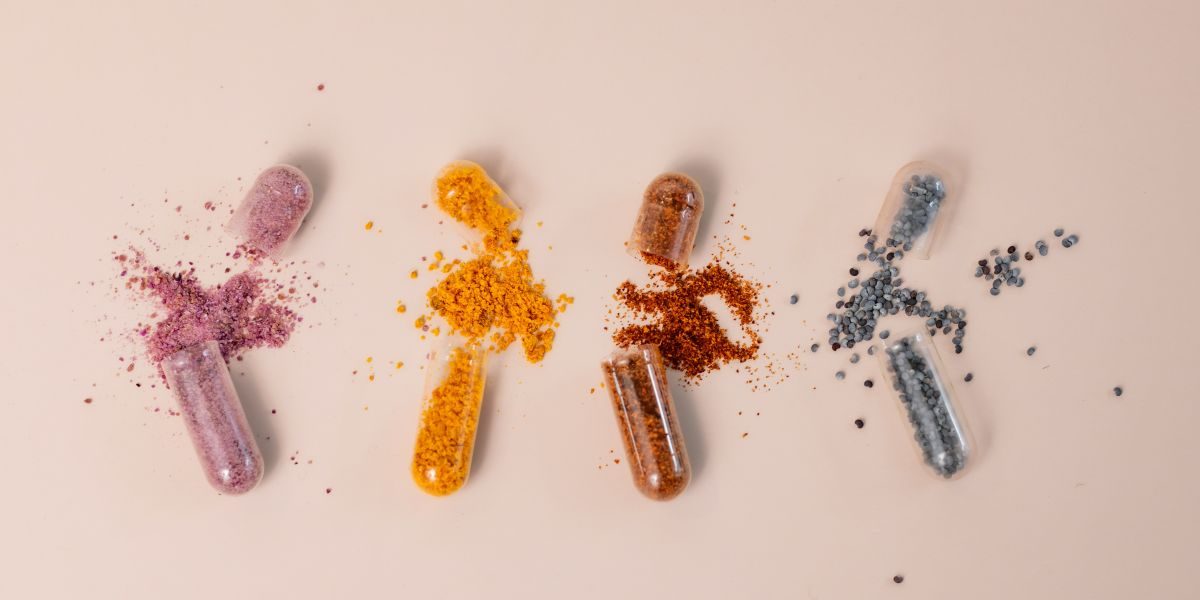

Conversations about health now sound more like science class, filled with talk of microbiomes, antioxidants, and lab studies instead of simple advice. Advances in technology, nutrition, and medicine have reshaped how we eat, move, and age, giving us more tools (but also more noise) to navigate.
In this blog, we will share how science is shaping healthy living, why it matters in daily choices, and where research and lifestyle often blur.
From Folk Remedies to Lab Research
For most of history, people relied on tradition when it came to staying healthy. Remedies were passed down through families or rooted in cultural practices. Some of these worked, some didn’t, and some were just comforting stories. Modern science has changed that landscape by putting health claims under the microscope, quite literally.
Scientific studies have transformed vague advice into concrete guidance. We no longer just know that fruit is good for us—we understand how vitamin C strengthens the immune system. We don’t only guess that exercise is beneficial—we can measure how it reduces inflammation, boosts mood, and lowers the risk of chronic disease. This ability to measure and prove has shifted public trust. People now look for evidence, not just anecdotes.
But this reliance on science has also created new dynamics. The marketplace is full of products that use scientific language to build credibility. For example, there are peptides for sale that are marketed for research purposes, reflecting how science explores potential pathways in cellular function. They are not wellness products for everyday use, but their presence shows how research pushes the boundaries of what we might understand about recovery, aging, or metabolism in the future. For the average person, the key lesson is clear: it’s worth paying attention to how science frames the conversation around health, but it’s equally important to separate what’s proven, what’s promising, and what’s simply being studied.
The Rise of Data-Driven Health
Science’s role in healthy living is no longer limited to labs and universities. It now sits on our wrists, in our pockets, and even in our kitchens. Fitness trackers monitor steps, calories burned, and sleep cycles with astonishing precision. Smart fridges can suggest recipes based on what’s inside, while health apps send reminders to drink water or stretch. The era of data-driven health is here, and it’s reshaping how people think about daily routines.
Science and Food Culture
Food is one of the biggest areas where science has influenced daily choices. Once upon a time, diets were shaped mainly by geography and tradition. Today, they’re shaped by research. People argue about the benefits of plant-based eating, intermittent fasting, or low-carb diets, citing studies to back their views. Grocery aisles are filled with labels like “high in antioxidants” or “supports gut health,” all rooted in scientific claims.
This shift has improved awareness. People understand more about how nutrition affects long-term wellness. But it has also complicated food culture. Too much information can be paralyzing. Should you eat eggs or avoid them? Is coffee good for you or not? Science often evolves, and the public sometimes forgets that studies can produce different outcomes depending on the method or context. The challenge is learning to adapt as knowledge grows without swinging from one extreme to another.
The Cultural Impact of Scientific Wellness
The growing role of science in healthy living isn’t just about better products or gadgets—it’s about culture. Health has become a social identity. People define themselves by their diet choices, workout preferences, or biohacking routines. Social media amplifies this, turning scientific concepts into trends. Terms like “ketosis,” “metabolic flexibility,” or “circadian rhythm” now appear in casual conversations.
This cultural shift has positives and negatives. On the positive side, it makes health a collective priority. Communities form around shared practices, encouraging accountability and support. On the negative side, it can turn health into competition, where people chase perfection instead of focusing on balance. Science gives the language, but culture decides how that language is used.
Practical Ways to Engage with Science in Daily Life
So how should the average person navigate this new world where science is woven into every aspect of health? The answer lies in curiosity and caution. Stay curious about new discoveries, but approach them with a critical eye. Just because a product uses scientific language doesn’t mean it’s proven or right for you. Look for reliable sources, peer-reviewed studies, and expert guidance before changing habits based on a headline.
Start small. Use wearable devices to track one habit at a time. Adjust your diet with gradual changes instead of chasing extreme plans. Experiment with mindfulness practices backed by research, like deep breathing or short meditations. The goal is not to live like a lab experiment but to use science as a guide for making choices that genuinely improve quality of life.
Science in healthy living is here to stay. It shapes how we think, how we eat, how we move, and even how we define well-being. The challenge is not whether science belongs in the conversation—it clearly does—but how we apply it in ways that support, not overwhelm, our daily lives. At its best, science doesn’t replace intuition or tradition. It strengthens them, giving us a clearer picture of why certain habits make us feel good and how we can keep them going for the long run.
Disclaimer: The information provided in this article is for general informational purposes only and should not be considered as professional medical or health advice. Readers are encouraged to consult with a healthcare provider or wellness expert before making significant changes to their lifestyle, diet, or health routines.