
By: Aabhas Vijay
The debate around working from home vs working from the office has evolved into something more nuanced.
Today, it’s not about which model is better—it’s about exploring ways to blend the two to create sustainable, productive environments for teams. The rise of hybrid work has led many companies to reconsider their office designs, workplace culture, and how they support employees across different settings.
This reimagining of the modern workplace isn’t merely a response to a temporary shift—it represents a long-term change in how we think about work itself.
Rethinking the Role of the Office
The traditional office once symbolized structure, collaboration, and company culture. But in a post-pandemic world, where flexibility is increasingly valued, offices are evolving to serve new functions.
Rather than simply being a space where work occurs, offices today are gradually becoming collaboration hubs—places people choose to visit when face-to-face meetings, brainstorming sessions, or team-building activities might be more effective than digital communication.
A survey by GWI on the topic of working from home vs the office suggests this shift. The data shows that while many employees appreciate the autonomy and focus that remote work provides, they still seek meaningful in-person interaction.
This shift has encouraged employers to focus more on quality than quantity when it comes to office attendance. It’s no longer about being in the office five days a week—it’s about being there for the right reasons.
From Desks to Dynamic Spaces
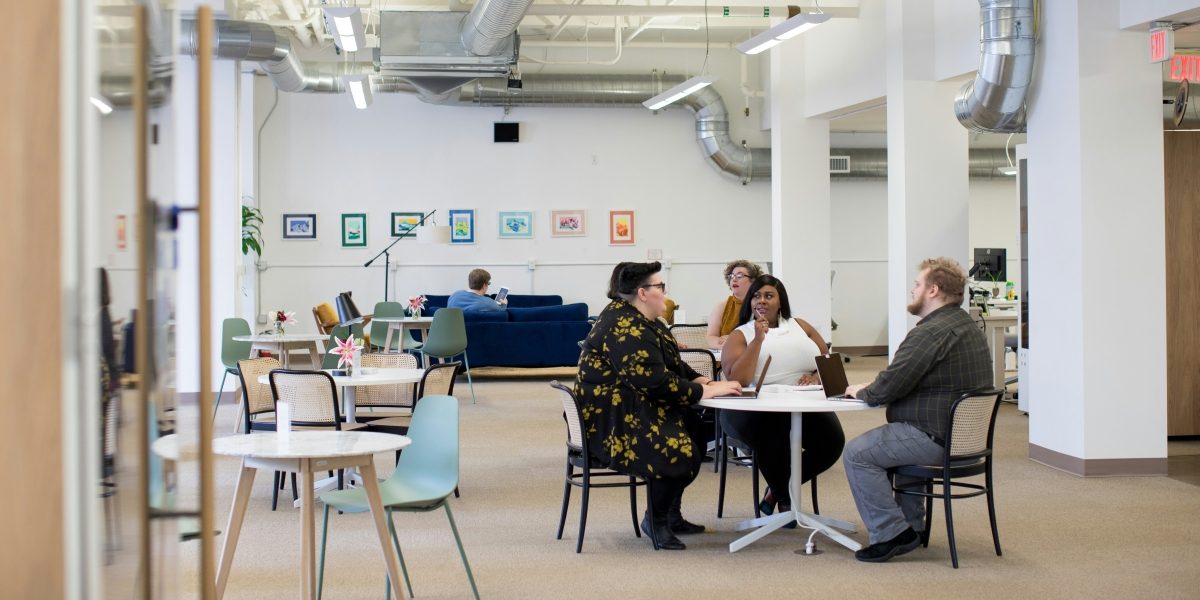
Hybrid work has sparked a wave of office design innovations. Open-floor plans, once the hallmark of modern offices, are now giving way to more flexible, zoned workspaces that cater to a variety of activities, such as quiet pods for focus work, café-style lounges for informal collaboration, and tech-enabled meeting rooms for hybrid video calls.
These changes are driven, in part, by employee feedback. Workers are looking for options. Some prefer working from home where they can concentrate without interruption; others miss the structure and social interaction of the office.
Providing a space that accommodates both preferences not only increases satisfaction but also supports productivity.
Companies like Google, Salesforce, and Atlassian are already exploring adaptive office environments built around flexibility. Rather than assigning permanent desks, many companies are opting for hot-desking systems or reservation apps, allowing employees to choose where and how they work on any given day.
Culture Is No Longer Location-Based
Another significant shift in the conversation surrounding working from home vs working from the office is how company culture is cultivated and maintained. Before the pandemic, culture was largely shaped by in-office rituals—birthday cakes in the break room, casual chats in the hallway, and spontaneous collaboration. Now, culture must extend beyond physical spaces.
For hybrid teams, communication and transparency are becoming even more essential. Many organizations are relying heavily on digital tools like Slack, Zoom, Notion, and Miro—not just for meetings, but for fostering a sense of connection and community. Some companies have created digital “watercoolers” where employees can casually interact. Others hold regular virtual team-building events to maintain morale.
Even with all these tools, the physical office still plays a role. For many employees, the occasional visit to the office provides an opportunity to reconnect with colleagues, align on goals, and re-energize. Businesses that effectively manage hybrid culture are the ones that know when to gather in person and when to allow people the flexibility to work remotely.
Flexibility as a Retention Strategy
One of the key reasons hybrid work is gaining traction is its potential to attract and retain talent. In a competitive job market, flexibility is increasingly recognized as a major differentiator. According to GWI’s data, a substantial number of employees—particularly younger generations—would consider turning down roles that don’t offer some degree of remote work.
This doesn’t imply that the office is no longer important—it simply means it needs to evolve. Many businesses are finding that offering flexibility not only enhances work-life balance but can also foster better engagement, lower turnover, and a more inclusive workplace. For some, this flexibility also supports emotional well-being, whether through remote therapy Australia or online anger management therapy programs that can be accessed confidentially from home.
By offering employees more autonomy in where they work, companies can demonstrate trust. This trust often results in stronger loyalty and improved performance.
Design That Reflects Values
As companies rethink their workspaces, there’s a growing emphasis on aligning design with organizational values. Offices are being designed not just as functional workspaces, but as reflections of company culture.
Think eco-friendly materials, wellness zones, or art installations that align with the company’s mission and commitment to diversity.
Sustainability is becoming an increasingly important consideration in office design. With fewer employees in the office at any given time, energy-efficient layouts, green certifications, and smart lighting systems are becoming more common. These are not just desirable features—they signal a workforce that values environmental and social responsibility.
Supporting Remote and In-Person Workers Equally
One challenge of hybrid models is ensuring that remote workers feel equally valued and integrated into the team.
Office design plays an important role in this. Meeting rooms need to be equipped with high-quality video conferencing tools, good lighting, and microphones to ensure remote team members are clearly seen and heard.
Equity also comes from establishing clear policies. Hybrid organizations need to provide guidelines about availability, meeting times, and expectations, so that no matter where someone is working, they feel included and empowered.
Final Thoughts: Designing for the Future of Work
The future of work isn’t binary. It’s not about choosing between working from home or working from the office—it’s about creating environments, policies, and cultures that support people, wherever they are. Hybrid workplaces offer a mix of both models, but only when they are thoughtfully designed.
By rethinking office spaces, reshaping company culture, and embracing flexibility, companies are not merely responding to change—they are helping to shape it.
Whether you’re a startup building your first hub or an enterprise reconsidering your real estate strategy, the goal should be the same: to create workplaces that are truly conducive to people’s needs. In a world where work is no longer confined to a desk or a building, this is what distinguishes the most successful companies.