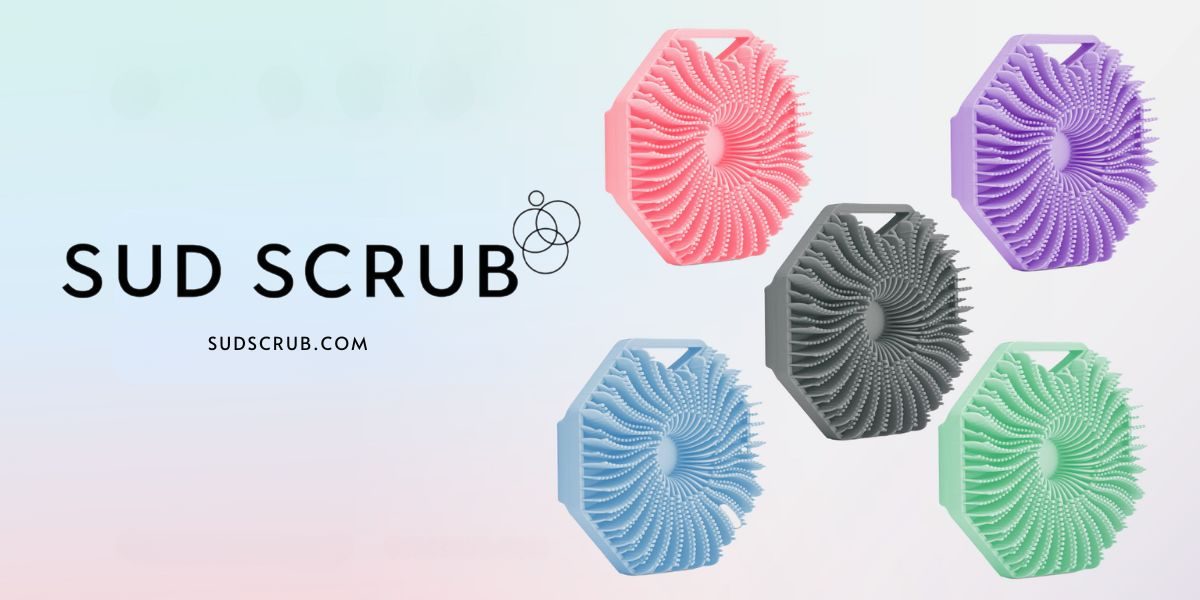

We all strive for that fresh, clean feeling after a shower. But what if the very tool you’re using to achieve that cleanliness is actually harboring a hidden world of bacteria? It’s a concerning thought, and it’s the very problem that twin brothers Raymond and Steven Truong sought to address when they created Sud Scrub.
This isn’t just another body scrubber; it’s a step toward a new approach to shower hygiene. Born from a desire to create a cleaner and more sustainable alternative to traditional loofahs, Sud Scrub is changing how we think about skin care.
The Problem with Traditional Loofahs
Let’s face it: loofahs can often become breeding grounds for bacteria. Their porous structure can trap dead skin cells, soap residue, and moisture, potentially creating an environment where germs may thrive. Even worse, these traditional scrubbers are often made from plastic, contributing to environmental pollution and shedding microplastics down the drain.
Sud Scrub: A Smarter Solution
Enter Sud Scrub, the body scrubber designed with both hygiene and sustainability in mind. Crafted from non-toxic, food-grade silicone, Sud Scrub is infused with antimicrobial silver and zinc. This combination is designed to help resist the growth of bacteria and fungi, supporting cleaner scrub experiences over time.
But it’s not just about hygiene; Sud Scrub is also designed to elevate your shower experience. Its unique, patented scrubbing fins gently exfoliate the skin, removing dirt, oil, and dead skin cells without causing irritation. The result? Softer, healthier-looking skin and a more invigorating shower.
Beyond the Scrub: A Commitment to Sustainability
The Sud Scrub story goes beyond product innovation; it’s also about environmental responsibility. By choosing Sud Scrub, you’re not only investing in your personal hygiene but also helping contribute to a healthier planet. Here’s how:
- Durability: Sud Scrub is designed to last. Unlike disposable loofahs that need replacing frequently, a single Sud Scrub can potentially serve you for an entire year, reducing waste and helping you save money.
- Recyclability: When your Sud Scrub reaches the end of its lifespan, you can recycle it through the company’s send-back program.
- Partnership with CleanHub: Every Sud Scrub purchase contributes to the removal of plastic from the environment through the company’s global plastic waste collection partnership with CleanHub.
Join the Sud Scrub Movement
Sud Scrub is more than just a product; it’s part of a shift toward a cleaner, more sustainable future. By choosing Sud Scrub, you’re joining a community of individuals who prioritize their health and the health of the planet.
Here’s what sets Sud Scrub apart:
- Antimicrobial Protection: Sud Scrub is the first silicone body scrubber infused with silver and zinc, shown to resist the growth of a high percentage of bacteria and fungi.
- Unique Scrubbing Fin Design: The patented fin design offers gentle but effective exfoliation for softer, healthier skin.
- Premium Quality: Sud Scrub is crafted with durable construction and high-quality materials.
- Eco-Conscious: From its send-back program to its partnership with CleanHub, Sud Scrub is committed to minimizing its environmental footprint.
Ready to experience the Sud Scrub difference?
Ditch your loofah and embrace a cleaner, more sustainable way to care for your skin with Sud Scrub. Your skin – and the planet – will benefit from your thoughtful choice.
Disclaimer: The claims made about the antimicrobial properties of Sud Scrub are based on the materials used in its design. While the silicone and antimicrobial agents like silver and zinc are known for their potential to inhibit bacteria and fungi, individual results may vary. This product is not intended to diagnose, treat, cure, or prevent any disease. For personal health concerns, please consult with a healthcare professional.