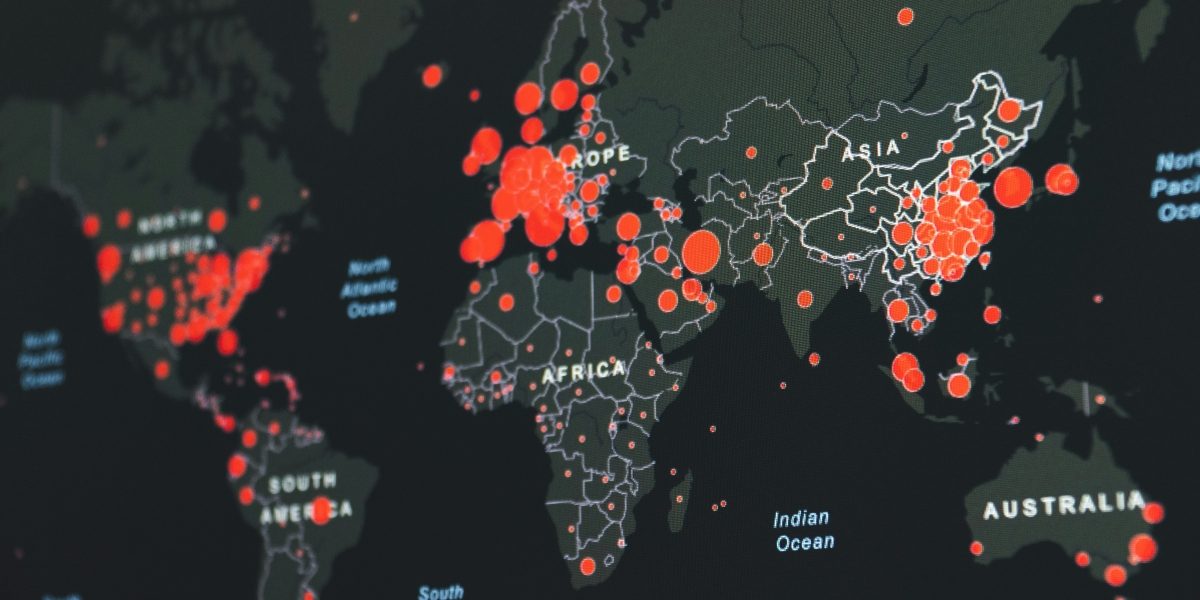

Have you ever wondered how prepared we really are for the next major health emergency? The COVID-19 pandemic revealed significant challenges in global healthcare systems. Hospitals were overwhelmed, supply chains were disrupted, and public communication struggled. Many countries acted too late or lacked clear plans. The reality is that health threats can emerge at any time. New diseases can appear suddenly and spread quickly. However, with the right steps, we could be in a better position to manage such crises in the future. If we begin making thoughtful adjustments today, it’s possible to protect countless lives tomorrow.
In this blog, we will explore key ways to begin preparing now for the next global health challenge.
Learning from Past Health Crises
Past health emergencies offer valuable lessons. The COVID-19 pandemic showed us that timely action can help save lives. It also emphasized the interconnectedness of the world—what happens in one country can become a global issue within weeks. We learned that early planning, testing, and clear communication are crucial. Without these elements, confusion can spread more rapidly than facts. Hospitals may become overwhelmed, and fear can take over. Countries that acted swiftly and cooperated had more favorable outcomes.
However, the pandemic was not our first warning. We’ve faced health threats before, such as SARS, Ebola, and Zika. Each crisis presented unique challenges. Some lacked public trust, while others had inadequate tracking systems or delayed international responses. When these events passed, many countries returned to normal without making substantial improvements to their systems. It’s crucial that we do not overlook these lessons.
Building a Stronger Public Health Workforce
The individuals working within public health systems are essential. Nurses, doctors, researchers, and community health workers are at the forefront during a crisis. Yet, many regions face shortages of trained health professionals. We need to make investments in education and training now. This includes both practical experience and leadership development. Effective leadership can guide responses and help prevent costly mistakes under pressure.
That’s where DrPH online programs come in. These programs provide individuals with the skills needed to manage public health at a high level. Students gain expertise in leadership, communication, and policy. Online programs make it easier for people to learn while maintaining their current jobs. This approach can expand the workforce without taking professionals away from their roles. By increasing access to these programs, we could help train the next generation of public health experts. A well-trained workforce is essential for quicker, more effective responses when the next health challenge arises.
Improving Global Communication Channels
In a health crisis, fast and accurate communication can help save lives. When people understand the situation, they can make informed decisions. On the other hand, unclear or delayed messages often lead to panic, confusion, and misinformation. During the pandemic, some countries were quick to provide updates, while others delayed information. This inconsistency contributed to panic buying and, in some cases, violence. Governments, media outlets, and health organizations must collaborate to provide clear, timely updates.
Messages should be simple, consistent, and communicated across various channels—TV, social media, radio, and local networks. People need to hear the same information from trusted sources. International organizations like the World Health Organization can also play a crucial role by facilitating communication between countries. By strengthening global communication networks today, we can respond more effectively during future crises. Training leaders in public speaking and crisis messaging will also contribute to clearer and more reliable information during emergencies. When the public trusts the information they receive, they are more likely to take actions that protect themselves and others.
Investing in Health Infrastructure
Robust infrastructure is the backbone of all public health efforts. Hospitals, clinics, laboratories, and supply chains must be able to meet increased demand during a health crisis. During the COVID-19 pandemic, many countries faced shortages of beds, oxygen, and medical supplies. People did not die because medical care was unavailable, but because the systems in place couldn’t deliver it fast enough. We need to develop more adaptable systems that can scale up during emergencies.
This involves creating mobile hospitals, stockpiling backup supplies, and improving transportation networks. It also means developing stronger digital systems to track patient care and manage supplies more efficiently. Rural and low-income regions are often the most vulnerable because they lack access to these essential resources. By investing in these areas now, we can better support everyone when the next challenge arises. Governments should assess their health systems regularly and make necessary adjustments based on emerging risks. Building a more resilient infrastructure now means we are less likely to face a crisis without adequate resources in the future.
Strengthening Disease Surveillance and Research
Tracking diseases early is vital to limiting their spread. If we had identified COVID-19 earlier, we could have implemented containment measures more swiftly. Surveillance involves monitoring for unusual health trends, including identifying new symptoms in hospitals, conducting community testing, and tracking animal diseases. When health systems detect new threats early, they can act quickly to protect the public.
Research plays an equally important role. Scientists require funding to study new viruses, develop vaccines, and understand how people respond to public health measures. This research helps refine strategies and informs better planning. We should prioritize funding for research at all levels—local, national, and global. Schools, research institutions, and tech companies all play important roles in this process. When these groups collaborate, progress can be faster, and more lives can be saved. By investing in research and surveillance systems today, we increase our ability to respond more effectively to whatever health threats emerge tomorrow.
Promoting Community Engagement and Trust
Public health efforts are most effective when communities trust the guidance provided. During the pandemic, some individuals ignored health recommendations because they lacked trust in the sources of information. Others were swayed by false information circulating on social media. Building trust must begin long before the next emergency arises. Health workers should engage with communities regularly, not just during a crisis. Listening to concerns and understanding local cultures can help shape more effective strategies.
Local leaders, such as religious figures or teachers, can be valuable allies in spreading health messages. People are more likely to listen to someone they know and trust. Training these local leaders in basic public health principles can have a significant impact. Involving communities in the planning process also builds trust. When people feel heard and respected, they are more inclined to follow health advice. Trust is something that takes time to build and can be lost quickly, so it’s important to start working on these relationships now.
In conclusion, the next global health challenge could appear unexpectedly. Waiting until a crisis strikes is far too late to act. The time to take action is now—while we have the opportunity to plan and improve. We have seen the consequences of weak systems and slow responses. But we have also seen the value of thoughtful planning and community engagement. This moment offers us the chance to make meaningful improvements, together. By learning from past crises and taking action today, we can better protect our future. The choice is in our hands.