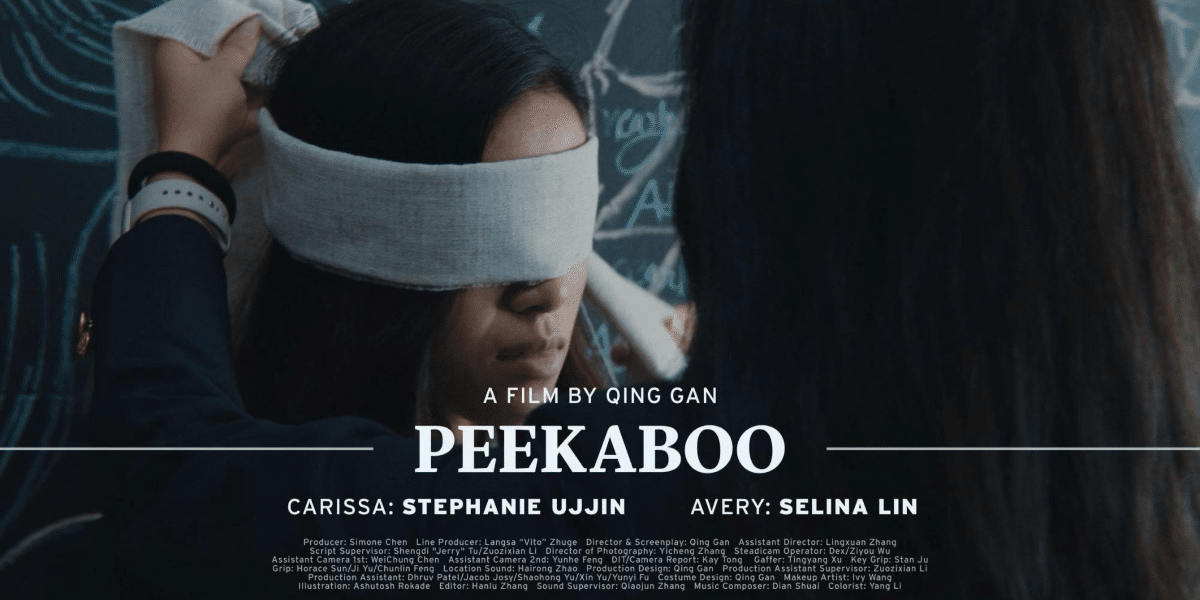

In the delicate world of independent filmmaking, where every frame must resonate with authenticity, Langsa Zhuge emerges as a pivotal force behind the short film “Peekaboo.” Acting as the line producer, Zhuge’s journey is marked by profound personal connections, creative challenges, and a commitment to encapsulating the intricate nuances of human emotion.
Zhuge’s inspiration for taking on the role of line producer stemmed from a unique bond with the film’s director, Gan. Their paths had crossed in surprising ways; both had lived in the same city yet had never met until fate brought them together in Savannah for this project. This shared history mirrored the film’s narrative, which explores the theme of unspoken bonds between characters. For Zhuge, this connection deepened his understanding of the film’s emotional core, motivating him to contribute to a story that felt both raw and intimate.
The production of “Peekaboo” was not without its hurdles. Zhuge faced both technical and emotional challenges, particularly in capturing the subtle, unspoken emotions of the two main characters in an unsettling, hollow school setting. This eerie atmosphere posed difficulties in ensuring the cast and crew felt comfortable, echoing the emotional isolation the characters experienced. Amid the constraints of a post-COVID landscape, Zhuge and Gan created a space for experimentation, encouraging the team to push creative boundaries while exploring the film’s depth.
Zhuge’s influence on the film’s emotional landscape was profound. Collaborating closely with Gan and the production designer, he meticulously curated every aspect of the setting—from the lighting to the stark emptiness of the school—to enhance the emotional tension between the characters. By transforming the challenges of the location into creative opportunities, Zhuge fostered an environment where raw vulnerability could thrive, ultimately becoming the film’s emotional backbone.
One of Zhuge’s favorite moments during filming was the scene where the two girls share a silent understanding through a mere glance. This moment epitomized the emotional tension cultivated throughout the production, encapsulating the essence of their relationship. The eerie backdrop of the empty school, coupled with the characters’ emotional distance, created a powerful moment that resonated with the entire team, showcasing the importance of embracing location challenges for deeper storytelling.

Photo Courtesy: Langsa Zhuge
Managing a limited budget for “Peekaboo” demanded careful planning and innovative problem-solving. With scarce pre-existing props and decorations, much of the production design was accomplished through a DIY approach. Zhuge’s resourcefulness turned constraints into creative strengths, allowing for impactful visuals crafted specifically for the story. This hands-on methodology not only maintained high production value but also fostered a sense of authenticity that permeated the film.
What distinguishes “Peekaboo” from other romantic short films is its introspective exploration of human connection, steering away from typical grand gestures or dialogue-heavy exchanges. Instead, it delves into the profound unspoken bond between the characters, inviting viewers to engage with the subtleties of their relationship. The haunting presence of the empty school mirrors the emotional distance felt by the characters, enhancing the film’s raw and authentic romantic tension.
The intimate nature of the production fostered collaboration among the cast and crew, creating a tightly-knit environment that significantly influenced the film’s final outcome. Zhuge facilitated open communication and camaraderie, allowing actors to explore the emotional depths of their characters freely. This closeness was crucial for conveying the film’s emotional nuances, enabling the cast to communicate complex feelings through subtle expressions rather than overwhelming dialogue.
Zhuge’s role in shaping the narrative and emotional depth of “Peekaboo” was deeply personal. He and Gan shared the idea of being “so far yet so close,” a theme that resonated with their own experiences. This concept of emotional distance in physical proximity guided their approach to character interactions, emphasizing the tension that arises when two people are close in space yet distant in feeling. Zhuge’s collaboration with the cast, director, and production designer ensured that this emotional complexity was visually represented throughout the film.
One particularly challenging scene involved the characters confronting their unspoken tension. Striking a balance between dialogue and non-verbal cues required meticulous attention to detail. Zhuge ensured that the emotional weight of the scene was conveyed through a blend of spoken words and silent moments, enhancing the audience’s connection to the characters’ inner struggles.

Photo Courtesy: Langsa Zhuge
To effectively portray the unique emotional connection between the characters, Zhuge employed a multi-layered approach, combining strong performances, thoughtful direction, and subtle visual cues. By focusing on non-verbal communication and rehearsing extensively, the team was able to capture the nuances of the characters’ relationship. Every element, from close-ups to wider shots, was meticulously designed to enhance the unspoken bond that defines their connection.
The film has garnered positive feedback from audiences and festivals alike. Viewers have praised its emotional subtlety and the performances that convey deep feelings without heavy dialogue. The minimalist production design has been highlighted as a significant contributor to the film’s atmosphere, enhancing the emotional tension that resonates throughout the narrative. Engaging discussions around the film’s themes of communication and connection have emerged, indicating that “Peekaboo” effectively engages its audience on a deeper level.
Looking ahead, Zhuge’s experience with “Peekaboo” has fueled his passion for exploring stories that delve into emotional connections and the unspoken aspects of relationships. He aims to pursue projects that embrace subtle storytelling, focusing on personal growth and introspection. With a desire to collaborate with like-minded filmmakers, Zhuge is excited to continue crafting narratives that resonate emotionally and invite audiences to reflect on their own connections.
Langsa Zhuge’s role as line producer for “Peekaboo” represents not just a professional endeavor but a deeply personal journey. His background and experiences have shaped his approach to producing, allowing him to contribute meaningfully to a film that resonates with its audience. Through his dedication to authenticity and emotional depth, Zhuge has helped create a cinematic experience that lingers long after the credits roll, inviting viewers to reflect on the complexities of human connection.
To read more about Peekaboo, please head over to Peekaboo Short (2022) – IMDb. Langsa Vito Zhuge can be contacted via his Instagram for professional partnerships.
Fame Media
www.famemediaus.com
Writer Sherry Lee,
Hollywood Legends Editor in Chief
Published By: Aize Perez