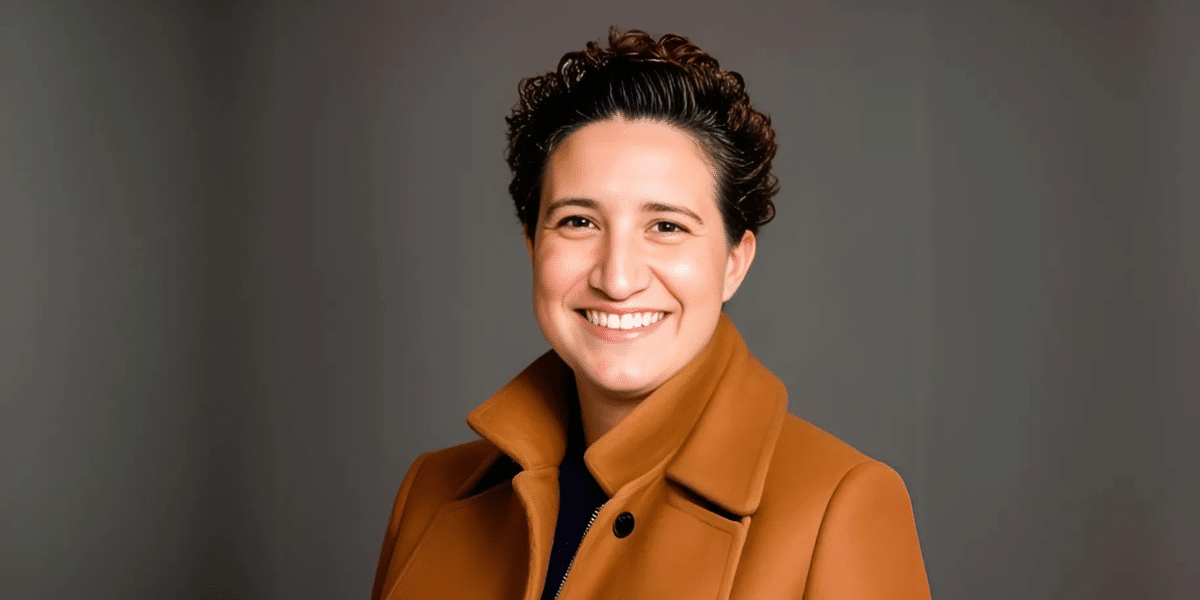

Ann Russo, a licensed clinical therapist and founder of AMR Therapy, has always been outspoken about her advocacy. Her dedication to helping underserved individuals navigate complex, non-traditional relationship dynamics is matched only by her passion for educating her fellow therapists to do the same.
In a recent interview on the Modern Anarchy Podcast, Ann shared her expertise on non-monogamous relationships, healing from religious trauma, and how culture impacts how people perceive intimacy and sexuality.
Non-Monogamy and Therapeutic Support
Ann Russo specializes in working with people who have often been marginalized — particularly people of color and those in the LGBTQ+ community. She recognizes that they often face barriers to care and so strives to create safe, affirming spaces for them.
Having grown up in a polyamorous household, Ann has a unique perspective on the challenges and possibilities of non-monogamous relationships. In her practice, she emphasizes that non-monogamy is not for everyone. Those willing to try it must be open and willing to communicate their needs and boundaries effectively.
“I’ve lived in a household with polyamorous parents since the time I found out they were polyamorous — that was about when I was fifteen,” Ann shares. “So I’ve seen lots of different versions of polyamory. Then, when I grew up and came into my own sexuality, I had to really buckle down and think about what that meant for me, to be in a poly household that was very sexually liberated.”
Her understanding of non-monogamy goes beyond personal experience; Ann has, in fact, developed a CEU training program designed to help therapists become more comfortable working with non-traditional relationship dynamics.
Ultimately, Ann’s goal is to expand awareness among therapists, making it easier for individuals in non-monogamous relationships to find supportive and nonjudgmental care.
The Power of Communication
Throughout the podcast, Ann emphasizes the importance of open communication in any relationship—whether monogamous or non-monogamous. She points out that successful relationships require regular discussions about boundaries, desires, and emotional needs.
“This level of communication allows partners to navigate issues like jealousy and insecurity, which are often heightened in non-monogamous arrangements,” Ann explains.
One of her key insights is that non-monogamy requires a high level of self-awareness and emotional intelligence.
Ann stresses that, “it’s not about avoiding commitment or escaping challenges, but about being honest with oneself and one’s partners. You know, what works for them.”
She further highlights that each relationship is unique, and what works for one couple may not work for another. Therefore, fostering a space where each partner feels safe to express their needs is crucial for success.
Sexual vs. Romantic Relationships
Ann also makes an important distinction between sexual and romantic relationships, a concept that is often misunderstood. She explains that while people may have sexual relationships with multiple partners, it doesn’t necessarily equate to romantic involvement.
“Your sexual life may not look the same as your romantic life,” she says. “Who you have sex with may not necessarily be who you love. I mean, you can have a partner that you settle down with but never have sex with. But you’ve still chosen to build your life with this person — nothing changes that.”
Ann goes on to discuss how love and sex, while often intertwined, are not the same thing. In a romantic relationship, sex is not a requirement. For some individuals, their primary romantic relationship may not involve sex, while their sexual relationships might not involve romantic feelings.
This distinction, she explains, can be liberating for those who struggle with the societal expectation that romantic and sexual fulfillment must come from the same person. By separating these two aspects, individuals can explore different dimensions of their relationships without feeling guilty or constrained by traditional societal norms.
Challenging Cultural Norms and Religious Trauma
Ann’s work also delves into the cultural and religious factors that shape how people view sexuality.
Growing up in a polyamorous household during the 1980s and 1990s, Ann witnessed firsthand how societal norms can create shame and secrecy around non-traditional relationships. She shared her own experience of having to keep her family’s dynamic a secret, which caused internal conflict and confusion.
In her practice, Ann helps clients heal from the religious trauma and stigma associated with traditional ideas about sexuality, particularly within the LGBTQ+ community. She speaks about the double standard that often exists in religious and cultural narratives around sex, particularly for women.
The “Madonna and Whore” complex, she explains, is a prevalent cultural narrative that dictates women must either be pure or sexually deviant, with no middle ground. This double standard often leads to feelings of shame and guilt around sexual exploration, particularly for women who grew up in religious environments.
However, it’s important to remember that cultural context plays a significant role in how individuals perceive their relationships and sexual experiences. Ann points out that in some cultures, certain sexual practices or relationship dynamics may be considered normal, while in others, they are stigmatized.
Recognizing the influence of cultural norms and questioning whether those norms serve one’s personal growth and happiness is key. By critically examining the cultural narratives that have been imposed on them, people can begin to create a relationship dynamic that aligns with their values and desires, free from societal judgment.
Ann urges listeners to, “Practice cultural humility. Recognize that what might seem shocking or taboo in one culture could be perfectly acceptable in another.”
Creating Safe, Affirming Spaces for the Underserved
Ann Russo’s approach to therapy is deeply rooted in fostering open communication, challenging cultural norms, and helping individuals embrace their authentic selves. Whether working with non-monogamous couples, LGBTQ+ clients, or individuals healing from religious trauma, Ann’s goal is to provide a safe and supportive space where her clients can explore their identities and relationships without fear of judgment.
If you’d like to listen to the podcast episode in full, visit the Modern Anarchy website. Visit Ann’s website to connect with her or click here to subscribe to her newsletter!
Published by: Josh Tatunay