

By: John Glover (MBA)
Artificial intelligence (AI) and machine learning (ML) are no longer just buzzwords; they are becoming integral to how we live and work, including personal finance. While much of the attention has been on how these technologies can automate tasks, their true impact goes far beyond mere convenience. The rise of AI in finance is challenging the traditional narrative of who can become an investor and how investment decisions are made.
But what does the public need to know about AI’s growing role in finance, and how does it truly impact the way we manage our money? At the heart of this shift is the promise of democratizing access to sophisticated investment strategies, traditionally available only to those with deep pockets or connections to high-cost financial advisors.
The Common Narrative vs. the Reality
The common narrative surrounding AI in finance often centers on how algorithms can outperform humans by analyzing vast amounts of data in seconds, identifying market trends, and predicting stock movements. While there is some truth to these claims, the reality is more nuanced. For starters, AI and ML models are not infallible. They rely on historical data and statistical patterns, which means they can struggle to adapt to unprecedented events or sudden market disruptions that fall outside of their training data.
Moreover, the technology is only as good as the data it’s fed. Biased or incomplete data can lead to flawed recommendations, putting investors at risk of making poor financial decisions based on the “guidance” of an algorithm. Although AI promises to simplify investing, it’s crucial for the public to understand that it cannot eliminate risk or guarantee returns.
Shifting the Role of the Financial Advisor
One of the biggest changes AI can bring to the financial world is the role of the traditional financial advisor. Historically, investment guidance was provided by human experts who built relationships with clients, understood their unique financial situations, and offered tailored advice. Today, however, AI is stepping in as a more affordable and accessible alternative.
A recent survey by Prospero.ai suggests that a portion of respondents reported having investing experience, while fewer indicated they rely on financial advisors for their investment decisions. This may reflect a shift in how some individuals approach investing, with technology becoming an alternative source of guidance.
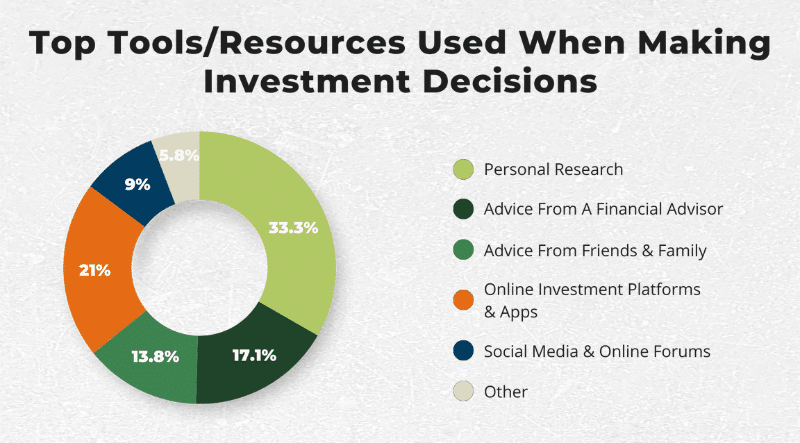
Photos Courtesy: Prospero.Ai
“AI is like having a pocket-sized financial advisor, one that can process petabytes of information faster than any human could,” says George Kailas, CEO of Prospero.ai. The company is one of several that are using AI to analyze stock trends and help individuals make informed investment decisions. Kailas believes that AI has the potential to fill the knowledge gap for everyday investors by breaking down complex data into easy-to-understand insights.
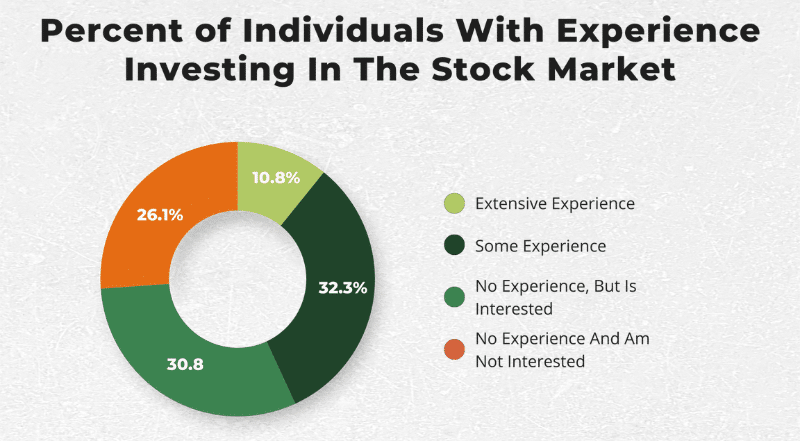
Photos Courtesy: Prospero.Ai
Prospero.ai’s Approach
Prospero.ai is positioning itself as a platform that doesn’t just provide financial advice but seeks to empower users to become their own financial advisors. The platform’s AI models analyze market trends and risk factors and provide investment insights. This approach is not about replacing human advisors but rather complementing them by making sophisticated financial tools available to a broader audience.
Kailas points out that one of the key advantages of AI-driven platforms like Prospero is their ability to educate users. “Rather than just providing complex data that might be difficult for the average person to understand, AI simplifies market trends into actionable insights,” he explains. This educational component allows users to gradually build their investment skills, ultimately helping them make more informed decisions independently.
The goal, according to Kailas, is to make investing accessible to anyone who is willing to learn, not just those with access to professional financial advisors or the capital to hire them. As AI technology continues to advance, platforms like Prospero are working to ensure that people of all financial backgrounds can access the tools they need to achieve their financial goals.
What the Public Needs to Know About AI Investing
Despite its potential benefits, AI-driven investing is not without risks, and it’s important for the public to understand these as they navigate this new landscape. While AI can process vast amounts of data, the quality of its recommendations is still dependent on the data it uses. Inaccuracies or biases in data can lead to suboptimal investment strategies. Additionally, AI may not always account for qualitative factors such as geopolitical risks, regulatory changes, or human behaviors that can significantly impact the markets.
The recent market volatility during events like the COVID-19 pandemic and geopolitical tensions has highlighted the limitations of algorithm-driven investing. When unforeseen circumstances arise, even the most sophisticated AI models may struggle to keep up with rapidly changing conditions. As a result, some financial experts caution against relying solely on AI for investment decisions.
Dr. Jonathan Reese, a financial analyst with expertise in AI applications, advises investors to use AI tools as a supplement rather than a replacement for traditional financial strategies. “AI can provide valuable insights and help streamline the decision-making process, but it should not be viewed as a magic bullet. Investors still need to do their homework and understand the risks involved,” says Dr. Reese.
The Broader Impact on the Financial Industry
The rise of AI in finance is influencing the financial industry. As more individuals explore AI-driven platforms like Prospero for investment guidance, the role of traditional financial advisory services may decline. This could lead to a reshaping of the financial advisory industry, with more firms incorporating AI tools into their offerings to stay competitive.
However, this shift raises ethical and regulatory questions about the role of algorithms in finance. Should AI platforms be held to the same standards as human financial advisors? How transparent do these companies need to be about the algorithms they use, and how much liability should they assume if an AI-driven recommendation goes awry?
A New Era of Financial Empowerment or a Double-Edged Sword?
AI’s influence on the financial sector is undeniable, but whether it will lead to a more democratized investment landscape remains to be seen. The technology has the potential to empower everyday investors, but it also brings new risks and challenges that cannot be overlooked. For platforms like Prospero.ai, the mission is clear: to help individuals become more self-reliant in managing their finances by providing tools that simplify the investing process.
However, as AI continues to evolve, the public needs to be aware that the technology is not infallible. Investors must approach AI-driven recommendations with a healthy dose of skepticism and a commitment to ongoing education. After all, while AI can offer valuable guidance, the responsibility for making informed financial decisions still lies with the individual.
In this evolving landscape, successful investors may not be those who simply follow AI’s lead but those who use it as a tool to enhance their own knowledge and decision-making capabilities.
Disclaimer: This content is for informational purposes only and is not intended as financial advice, nor does it replace professional financial advice, investment advice, or any other type of advice. You should seek the advice of a qualified financial advisor or other professional before making any financial decisions.
Published By: Aize Perez