

By: Maria Williams
In today’s globalized economy, businesses of all sizes are increasingly engaging in international trade. As companies expand their reach across borders, the need for efficient and cost-effective transportation solutions becomes paramount. One such solution that has proven invaluable for many organizations is sea freight forwarding.
This article explores the concept of sea freight forwarding, its key components, and the numerous benefits it offers to businesses operating in the global marketplace.
Understanding Sea Freight Forwarding
Sea freight forwarding is a specialized service that facilitates the transportation of goods via ocean vessels from one port to another. It involves coordinating various aspects of the shipping process, including documentation, customs clearance, and logistics management. Sea freight forwarders act as intermediaries between shippers and carriers, ensuring smooth and efficient movement of cargo across international waters.
These professionals possess in-depth knowledge of shipping regulations, trade laws, and transportation networks. They leverage their expertise to optimize shipping routes, negotiate rates with carriers, and handle complex logistics challenges. Apollo Logistic sea freight services, for instance, exemplify the comprehensive solutions offered by experienced forwarders in the industry.
Cargo Consolidation
One of the primary functions of sea freight forwarders is consolidating smaller shipments from multiple customers into larger containers. This process, known as Less than Container Load (LCL) shipping, allows businesses to share container space and reduce costs. By combining shipments, forwarders can optimize space utilization and offer more competitive rates to their clients.
Documentation and Customs Clearance
Navigating the complex paperwork and regulatory requirements associated with international shipping can be daunting for businesses. Sea freight forwarders take on the responsibility of preparing and managing essential documents such as bills of lading, certificates of origin, and customs declarations. They also handle customs clearance procedures, ensuring compliance with import and export regulations in different countries.
Tracking and Monitoring
Modern sea freight forwarding services employ advanced tracking systems to monitor shipments in real-time. This technology allows businesses to stay informed about the location and status of their cargo throughout the journey. Forwarders provide regular updates and notifications, enhancing transparency and enabling better planning for inventory management and production schedules.
Insurance and Risk Management
Sea freight forwarders often offer cargo insurance options to protect shipments against loss, damage, or theft during transit. They assess potential risks associated with specific routes or cargo types and recommend appropriate coverage. This service provides businesses with peace of mind and financial protection in case of unforeseen events.

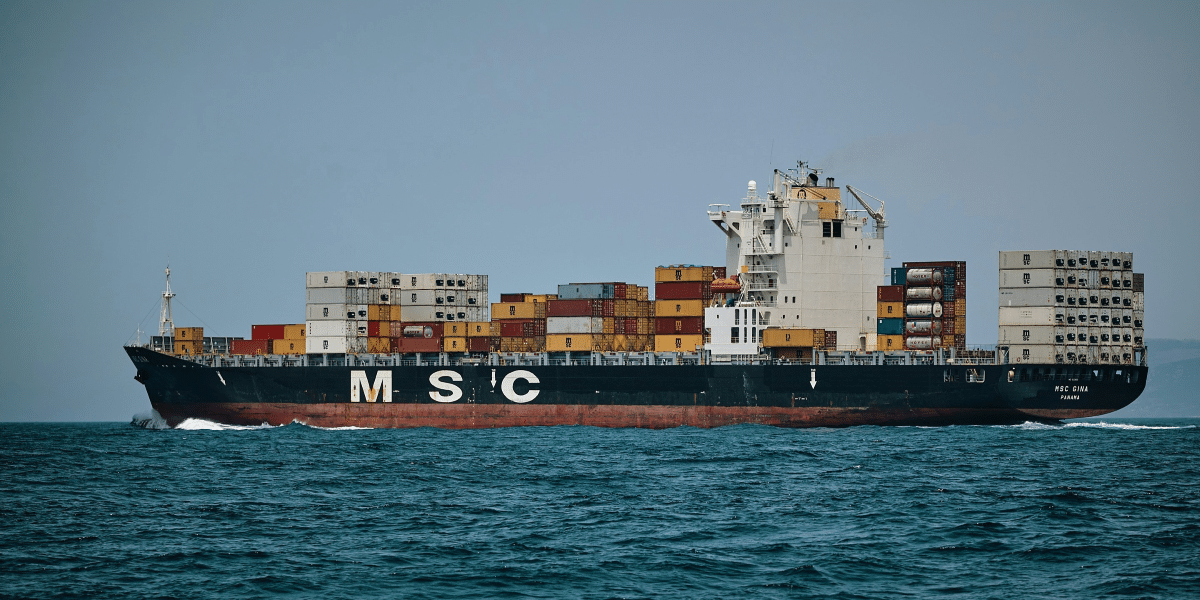
Photo: Unsplash.com
Benefits of Sea Freight Forwarding for Businesses
Sea freight forwarding opens up a world of opportunities for businesses. Here are some of its benefits:
- Cost-Effectiveness and Global Reach
One of the significant advantages of sea freight forwarding is its cost-effectiveness, especially for large or heavy shipments. Ocean transportation generally offers lower rates per unit compared to air freight, making it an attractive option for businesses looking to reduce their shipping expenses. Moreover, the consolidation services provided by forwarders allow smaller companies to benefit from economies of scale typically reserved for larger shippers.
- Flexibility and Expert Support
The nature of sea freight forwarding allows for great flexibility in terms of cargo size and type. Whether a business needs to ship a few pallets or multiple containers, forwarders can accommodate various requirements. This scalability is particularly beneficial for growing companies whose shipping needs may fluctuate over time.
Sea freight forwarders bring valuable industry knowledge and experience to the table. They stay updated on the latest shipping regulations, trade agreements, and market trends, providing businesses with expert guidance on optimizing their supply chain strategies.
- Enhanced Supply Chain Visibility and Risk Mitigation
The tracking and monitoring capabilities offered by sea freight forwarders provide businesses with unprecedented visibility into their supply chains. Real-time updates on shipment status enable better inventory management, more accurate delivery estimates, and improved customer service. This transparency also helps in identifying potential bottlenecks or inefficiencies in the supply chain, allowing for proactive problem-solving.
- Value-Added Services and Customized Solutions
Many sea freight forwarders offer additional services that can add significant value to businesses. These may include warehousing, distribution, packaging, and even light assembly work. By leveraging these value-added services, companies can streamline their supply chains and potentially reduce overall logistics costs.
Every business has unique shipping requirements, and sea freight forwarders excel at tailoring their services to meet specific needs. Whether it’s handling specialized cargo, meeting tight delivery deadlines, or navigating complex regulatory environments, forwarders can develop customized solutions that address individual business challenges.
Conclusion
Sea freight forwarding has become an indispensable service for businesses engaged in international trade. Companies can focus on their core competencies while leaving the intricacies of global logistics to the experts, ultimately driving growth and success in an increasingly interconnected world.
Published by: Khy Talara