
By: Alex Bell
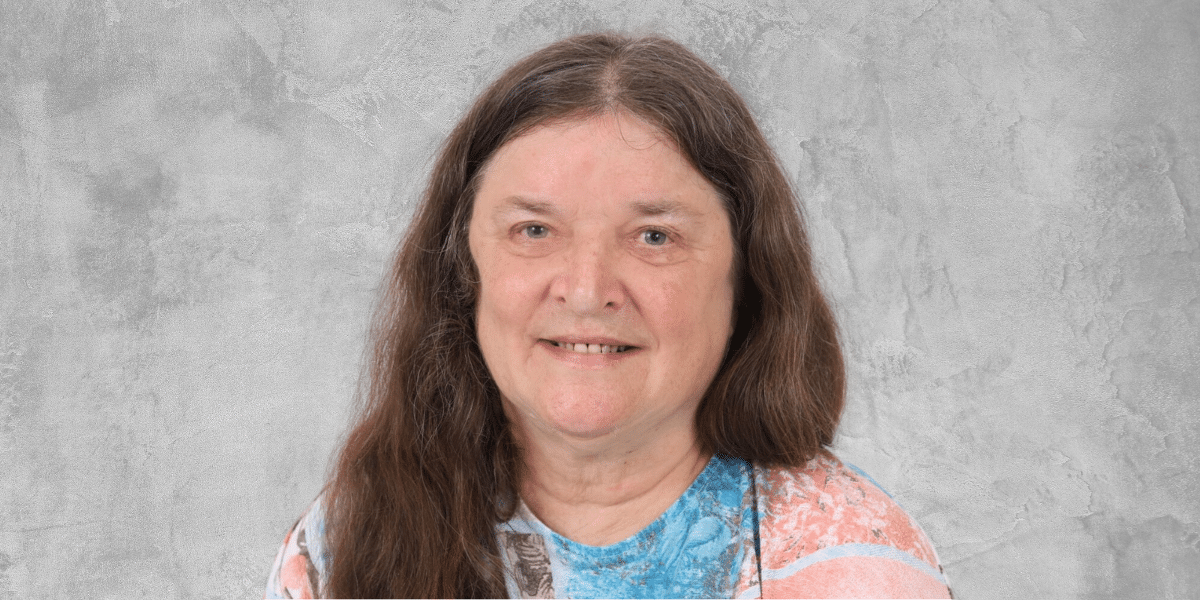
‘Survive, Then Thrive: Understanding Post-Traumatic Stress’, a new book by Peggy Onlock, takes readers deep into the realities of living with PTSD. This fascinating book, which shot to the top of the bestseller list, is not just a story of perseverance; it’s a guide for healing and thriving. Onlock’s courageous and thought-provoking storytelling draws readers into her world of strength and vulnerability as they journey toward recovery.
In this important work, Onlock goes beyond straightforward narrative to offer a genuine and unvarnished examination of living with PTSD. Her style illuminates the challenges and transformations associated with post-traumatic stress disorder, inspiring readers to reconsider their perceptions of trauma. By sharing her intimately personal experiences, Onlock fosters compassion and a deeper understanding of the healing process.
We are thrilled that she took time out of her busy schedule to talk to us about her inspiration, her process, and everything in between.
Can you discuss some of the coping mechanisms or strategies you explore in ‘Survive, Then Thrive’ for helping manage post-traumatic stress?
The most important thing I did was seek professional help. I can’t stress enough how important it was to find somebody I could speak to openly and work through my issues.
I also journalled and wrote down my feelings, memories, and thoughts. Something I did based on professional advice, was to write down three positive thoughts every day to remind myself that everything was not negative. This might have been as small as noticing a flower bloom.
Another important coping mechanism was to practice intentional breathing. Closing my eyes for a few seconds, taking a deep breath, and exhaling allowed me to ground myself and refocus my thoughts.
Another important coping mechanism and strategy was walking. It allowed me to appreciate nature, regain my focus, and get some exercise. It also allowed me to walk in familiar places and regain some of my memories in a more intentional way.
This book allowed me to remember those coping mechanisms and share them. This was part of my strategy to share my story and hopefully assist others in managing their own stresses.
What advice would you give to someone who has a loved one dealing with post-traumatic stress?
My advice would be to get local support yourself with others in the same situation. Some workplaces offer support now. Listen to your loved one and recognize what they are experiencing is very real at that time. Encourage them to seek professional help. Most importantly, help them regain more control of their own life. It was important for me to understand I could make decisions for myself, and was capable of looking after myself with support.
Recognize that your loved one is experiencing some very serious symptoms and perceives the world as a dangerous place. If your loved one appears to be lashing out at you sometimes, recognize they need professional help and don’t try to “fix” it yourself. Provide love, compassion and support. Try not to personalize it too much. Let your loved one have as much control over their own life as is safely possible. People with PTS symptoms can function at a high level and have tremendous coping abilities despite the injury. Recognize their strength and encourage them that they don’t have to deal with their injury alone.
‘Survive, Then Thrive’ focuses on not only surviving but also thriving after trauma. Can you elaborate on this theme and why it’s important?
Surviving was the first thing I had to focus on. Without survival, everything else was meaningless. Thriving is also important because I had to do something positive with this terrible experience. I wanted to lead a meaningful life. Just “living” wasn’t enough; I wanted my life to have meaning. I don’t want to be constantly looking over my shoulders looking for danger. I want to live in a world where we all have the opportunity to live comfortably and in peace. That’s what thriving is to me.
How do you envision your book contributing to the ongoing conversation about mental health awareness and support, particularly regarding post-traumatic stress?
I envision my book contributing to a better understanding of mental health and support; especially regarding post-traumatic stress. I hope both lay people and professionals find this book contributes to a better understanding.
I hope this book increases awareness of post-traumatic stress and emphasizes how it can impact professionals (military, first responders) through their frequent exposure to the psychological trauma of others, as much as it can affect those experiencing the psychological trauma first-hand. I hope it can bring them together to support each other in their own situations and come up with effective coping strategies. I hope they realize PTS is not due to weakness.
Can you share any personal anecdotes or stories from your research or writing process that had a significant impact on you or influenced the content of ‘Survive, Then Thrive’?
One of the most impactful quotes was from a book that my psychologist recommended by Martha Stout. Her quote told me I didn’t have to force myself to remember everything about my traumas; just enough to process my personal narrative so I could put those events in my past where they belonged. Her quote stressed it wasn’t necessary to blame. To me, this was most important because the person I was blaming most was me. It gave me permission to forgive myself and recognize I was not at fault for past assaults. It didn’t condone it, but it allowed me to recognize forgiveness was important to move past the traumatizing events.
You can find ‘Survive, Then Thrive: Understanding Post-Traumatic Stress’ on Amazon.
Published by: Martin De Juan