
By: Nic Abelian, AnotherZero
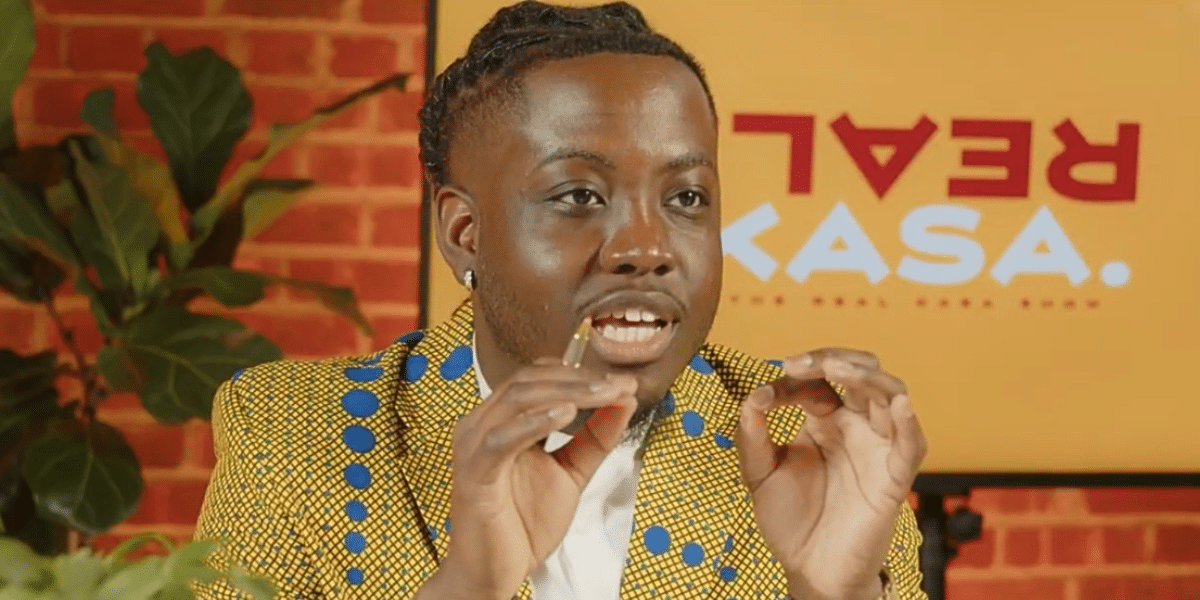
In a world where information is at our fingertips, it is perplexing how some stories manage to escape the grip of mainstream media’s attention. Among these overlooked narratives is the harrowing tale of the Democratic Republic of Congo (DR Congo), a country that has been enduring a relentless cycle of violence and displacement for decades. In an era clamoring for change and social justice, the silence surrounding DR Congo’s plight is both deafening and telling. It is in this context that Samuel Poku, a Ghanaian American commentator and the host of The Real Kasa Show, steps into the fray with a mission to shed light on what he describes as Africa’s bleeding heart.
The debut episode of The Real Kasa Show takes its audience to Bulengo, a displacement camp in DR Congo that symbolizes the agony and resilience of thousands who have been uprooted from their homes due to ongoing conflicts. Through his poignant narrative, Poku not only unveils the atrocities faced by the inhabitants of such camps but also poses challenging questions about unity, progress, and indifference within the African diaspora.
Poku articulates a thought-provoking perspective on how divisions within African communities may inadvertently perpetuate suffering. He states, “I am genuinely starting to think right. That we as an African people are truly allergic to progress. Or unity. Like it’s actually very concerning. I am starting to think that we tend to find comfort in our division, and embrace our division more than we embrace unity.” This reflection emerges from observing continuous conflict across African nations—a sight all too common in today’s media portrayal of the continent.
At its core, The Real Kasa Show endeavors to transcend mere reporting; it seeks to galvanize action among its viewers, particularly those hailing from the vast African diaspora. By bringing these distressing realities into living rooms around the globe, Poku aims not only to inform but also to inspire solidarity and support for DR Congo.
One cannot discuss this monumental effort without highlighting Poku’s rallying cry: “Africa Is Bleeding.” This potent statement encapsulates both despair and hope—despair over Africa’s unhealed wounds inflicted by endless conflicts and hope in collective action that can stem this tide.
Poku leverages his platform not just for storytelling but as a call to arms for global attention towards DR Congo’s crisis. His accounts are supported by firsthand experiences and interactions with individuals living through unimaginable hardships every day. These stories paint a vivid picture of resilience amid adversity—families striving for normalcy amidst chaos, children clinging onto dreams in places where dreams are often snatched away too soon.
Moreover, The Real Kasa Show serves as an essential reminder that behind statistics are human faces with names, stories, and unyielding spirits. It challenges viewers to see beyond numbers on paper or screens—to recognize each individual affected by these crises as someone’s mother, father, child or friend.
Engagement doesn’t stop at awareness; Poku emphasizes the importance of tangible support through donations, advocacy work or volunteering with organizations dedicated to alleviating suffering in DR Congo. He underscores how every little act contributes significantly towards changing lives in dire situations.
For those moved by Poku’s message and seeking ways to contribute or learn more about his mission—and indeed Africa’s broader story—The Real Kasa Show provides resources and links through its online presence (Africa Is Bleeding, Diaspora WAKE UP | Crisis In DR CONGO | 0 Media Attention). Herein lies an invitation not just to witness but partake in shaping narratives towards positive outcomes for Africa.
As The Real Kasa Show continues its journey uncovering untold stories across Africa with rigorously researched content delivered through compelling storytelling techniques combining elements reminiscent of GQ’s elegance with The Guardian’s authoritative reportage style—it stands out as more than just another series; it embodies hope amidst despair.
This eye-opening first episode does not merely serve as entertainment; it acts as a wake-up call—a clarion call for unity within diversity against shared adversities facing Africa today. By exploring themes deeply embedded within history yet urgently relevant now more than ever before; Samuel Poku extends an open invitation: consider joining him on this transformative journey toward understanding empathy action because when one part of Africa bleeds we all do indeed bleed together until healing begins anew under unified skies filled not with despair but boundless possibilities for peace prosperity across continents once torn apart now mending stitch by resilient stitch into tapestry rich vibrant future ahead together united undivided forevermore.
Published by: Martin De Juan