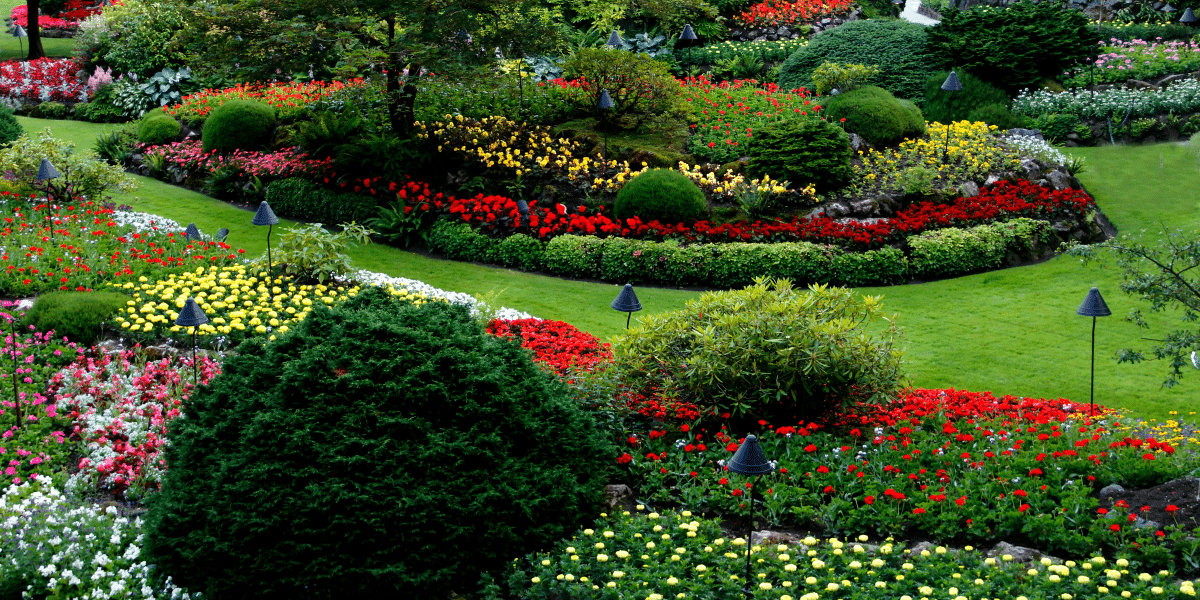

Houston, a city known for its humid subtropical climate and sprawling urban landscape, faces numerous environmental challenges. Amidst concerns over water scarcity, urban heat island effect, and biodiversity loss, the importance of sustainable landscaping cannot be overstated. From stone or gravel patios to native plant installations, embracing sustainable landscaping practices is vital for the resilience and well-being of Houston’s ecosystem.
Conservation through Design: Stone or Gravel Patios and Walkways
Incorporating stone or gravel patios and walkways into Houston landscaping designs not only enhances aesthetic appeal but also promotes sustainability. These materials allow rainwater to infiltrate the grounds, reducing runoff and erosion. Sustainable landscapes decrease the risk of flooding and help replenish groundwater reserves by minimizing impervious surfaces, such as concrete.
Enhancing Biodiversity: Plant Shrubs, Flowers, and Borders
Planting a diverse array of shrubs, flowers, and borders contributes to the ecological health of Houston’s urban environment. Native plant species, in particular, support local wildlife and pollinators while requiring less water and maintenance than non-native varieties. Sustainable landscapes promote resilience against pests and diseases by fostering biodiversity, ultimately fostering a healthier ecosystem.
Resilience in Arid Conditions: Drought-Tolerant Landscapes
Given Houston’s susceptibility to droughts, incorporating drought-tolerant landscapes is paramount for water conservation. Utilizing plants adapted to arid conditions reduces the need for irrigation, lowering water consumption and utility costs. Additionally, drought-tolerant landscapes require minimal fertilization and pesticide use, minimizing environmental impact.
Combating Urban Heat: Shade Structures and More
Houston’s urban heat island effect exacerbates temperature extremes and air pollution, posing significant challenges to public health and comfort. Introducing shade structures, such as pergolas or trellises, helps mitigate heat buildup by providing relief from direct sunlight. Additionally, strategic placement of trees and greenery can further cool urban areas while enhancing aesthetic appeal.
Sustainable Turf Solutions: New Lawns with Natural or Artificial Turf
Traditional lawns often demand excessive water and chemical inputs to maintain their lush appearance, making them unsustainable in Houston’s climate. Embracing alternatives like natural or artificial turf decreases water usage and eliminates the requirement for harmful pesticides and fertilizers. Moreover, artificial turf offers the added benefit of requiring minimal maintenance, freeing up time and resources for other sustainable landscaping initiatives.
Encouraging Vertical Gardening: Raised Flower Beds and Retaining Walls
Incorporating raised flower beds and retaining walls optimizes space and promotes efficient water use. These features facilitate better soil drainage and prevent erosion, particularly in areas prone to flooding. Furthermore, vertical gardening allows for creative landscaping designs while reducing strain on the local water supply.
Efficient Water Management: Reconfigure or Repair Irrigation Systems
Outdated or inefficient irrigation systems contribute to water waste and environmental degradation. By reconfiguring or repairing existing systems, homeowners and landscapers can optimize water distribution while minimizing runoff and oversaturation. Implementing intelligent irrigation technologies, such as soil moisture sensors and drip irrigation, further enhances water efficiency and plant health.
Illuminating Sustainability: Landscape Lighting System Installation
Properly designed landscape lighting systems enhance nighttime aesthetics and promote energy efficiency and safety. Utilizing LED fixtures and solar-powered lighting reduces energy consumption and greenhouse gas emissions. Additionally, strategically placed lights can highlight architectural features and focal points without causing light pollution or disturbing wildlife.
Nurturing Local Ecosystems: Install Native Plants and Grasses
Integrating native plants and grasses into landscaping schemes fosters ecological balance and resilience. Native species are well-adapted to Houston’s climate and soil conditions, requiring minimal supplemental watering and maintenance. Furthermore, native plantings attract native birds, butterflies, and beneficial insects, enhancing biodiversity and ecosystem services.
Promoting Soil Health: Mulching and Composting
Mulching and composting are essential components of sustainable landscaping that promote soil health and fertility. Applying organic mulch conserves soil moisture, suppresses weed growth, and regulates soil temperature, reducing the need for irrigation and chemical herbicides. Similarly, composting organic waste returns valuable nutrients to the soil, enriching its structure and supporting healthy plant growth.
Minimizing Chemical Inputs: Integrated Pest Management
Integrated Pest Management (IPM) offers a sustainable approach to pest control that minimizes reliance on chemical pesticides. By employing a combination of cultural, biological, and mechanical control methods, IPM effectively manages pests while minimizing harm to several beneficial insects and the environment. Implementing IPM strategies in landscaping practices reduces chemical runoff, preserves ecosystem balance, and promotes long-term pest resistance.
Encouraging Community Engagement: Green Infrastructure Projects
Engaging communities in green infrastructure projects fosters environmental stewardship and social cohesion. Collaborative initiatives, such as community gardens, green roofs, and rain gardens, not only enhance urban aesthetics but also provide valuable ecosystem services. By involving residents in sustainable landscaping efforts, cities like Houston can strengthen community resilience, improve public health, and address environmental challenges collectively.
Sustainable Houston landscaping practices are crucial in mitigating environmental challenges and fostering resilience in Houston’s urban environment. From conserving water to enhancing biodiversity, each aspect of sustainable landscaping contributes to the well-being of both ecosystems and communities. By embracing these principles, homeowners, businesses, and municipalities can create greener, healthier, and more sustainable landscapes for generations.
Published by: Martin De Juan