
By: MAX BLUE
Wu Yishuang stands out in the field of interior design with his profound design skills and innovative concepts. His works not only showcase the art of spatial layout but also convey attitudes towards life and culture. In this interview, Wu Yishuang shares his unique insights and extensive experience, his thoughts on innovation, the integration of art and life, and facing professional challenges.
Hello, Yishuang, it’s a pleasure to interview you. Can you tell us how your innovative concept in interior design was formed? Could you share a specific example of how you pursue innovation in your design process?
Wu Yishuang: The formation of an innovative concept is a comprehensive process influenced by education, experience, socio-cultural context, technological development, and market demands. My work process involves continuous learning, thinking, practicing, traveling, reading, and collaborating with artists from different fields. I also focus on the practical application of low-carbon, environmental protection, and sustainable development in interior design, which gradually leads me to an independent design philosophy. Innovation is the starting point for every design work, requiring a combination of project characteristics, vision, and local culture. In the preliminary phase of the Shenzhen No. 8 Warehouse Shopping Center, through thorough communication and idea exchange with the owner and researching multiple city outlet projects and industry characteristics, we strove to find breakthroughs and differentiation. By integrating the local culture and architectural form, we aimed to create an exemplar of urban outlet and industrial loft style. We used industrial materials such as metals, paints, and red bricks, including exposed steel frames and gray concrete walls. The design incorporates loft-style signature features like open spaces, high ceilings, minimalist decor, and the concept of an art gallery, merging art appreciation with leisure shopping. The construction process was also a learning and accumulation experience for us. The project stood out among homogenous commercial projects, becoming a shopping center that combines fashion, art, entertainment, and socializing, setting a new trend for Shenzhen’s commerce.

Photo Courtesy: Wu Yishuang
How do you view the relationship between modern interior design and sustainable development? In the Shenzhen No. 8 Warehouse Shopping Center project, how did you realize this concept?
Wu Yishuang: The concept of sustainable development has become an important guiding principle in the field of interior design today. It is reflected in the use of environmentally friendly materials, energy saving and resource utilization, pursuit of health and comfort, and attention to social responsibility. We actively advocate for sustainable development through our design practice, contributing to the construction of more environmentally friendly, healthy, and comfortable indoor spaces.
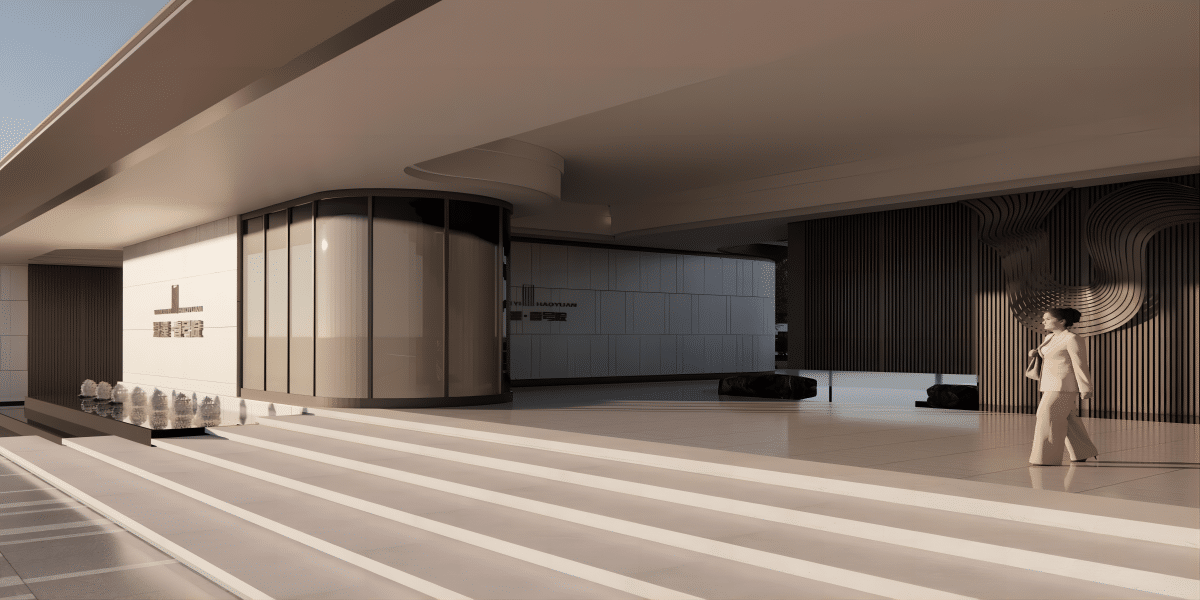
The design of the No. 8 Warehouse project integrates industrial aesthetics, modern simplicity, and multifunctionality. It features open and spacious areas, highlighting the texture of raw materials and the beauty of exposed structures. The building’s exterior uses exposed concrete, metal, and glass materials to showcase industrial style charm while integrating with the surrounding environment. The interior decor is simple and modern, focusing on using raw materials like wood, stone, and metal to create a natural and warm atmosphere. Large windows and skylights introduce ample natural light, making the space brighter and more transparent. This project pays special attention to sustainable development and environmental concepts, using eco-friendly materials and energy-efficient designs to reduce environmental impact. The shopping center also features green plants and indoor landscapes, providing a more comfortable and healthy consumer environment.

Photo Courtesy: Wu Yishuang
How have the multiple international awards affected your personal and professional development? Have these honors changed your perspective or approach to design?
Wu Yishuang: It’s a very joyful experience, and I am very grateful to my friends, colleagues, and family who have supported and encouraged me. Their support fuels my passion for design. Winning awards is an affirmation and appreciation of the path I’ve taken, giving me more opportunities to showcase my work, introduce my design philosophy to more people, and explore integration and experimentation with other art forms. I’ve always believed that the goal of design is to improve the quality of life, create eco-friendly living spaces, and foster coexistence and prosperity among people, communities, and spaces. Design continues to be a strong advocate and practitioner of sustainable development, making a positive contribution to societal sustainability. This idea has never changed.
What do you think are the future trends in interior design? What new elements or concepts might become focal points in future designs?
Wu Yishuang: Future interior design will focus more on innovation, personalization, and comfort. Designers will continue to explore new materials, technologies, and concepts to meet people’s evolving needs and aesthetic trends. Personalized customization will become mainstream, with designers paying more attention to tailoring unique spaces according to clients’ preferences and needs, creating distinctive interior environments. Comfort will also be a key focus in future designs, including comfortable furniture arrangements, lighting, and color schemes to create livable spaces. Future trends in interior design will emphasize environmental protection, intelligent technology, and personalization.
Sustainable Development: Future interior design will focus more on environmental protection and sustainable development, including the use of renewable materials, energy-efficient devices, and designing green ecological spaces. The application of smart AI will become a key point in future interior design, including intelligent lighting systems, smart appliances, and security systems, enhancing the quality and convenience of life. Natural Elements: Future designs may incorporate more natural elements, such as indoor plants, natural light, and natural materials, to create a comfortable and natural living environment. Personalized Customization: Future interior design will emphasize personalization and customization, meeting the needs and preferences of different people, creating unique space styles.

Photo Courtesy: Wu Yishuang
Wu Yishuang, male, born in August 1976, from Guangdong, graduated from the School of Fine Arts at South China Normal University in 1998, majoring in interior design. With 25 years of experience in interior design, he is a senior interior architect, an intermediate environmental art designer, a standing director of the China Interior Decoration Association, and a director of the Shenzhen Interior Designers Association (SZAID).
Published By: Aize Perez