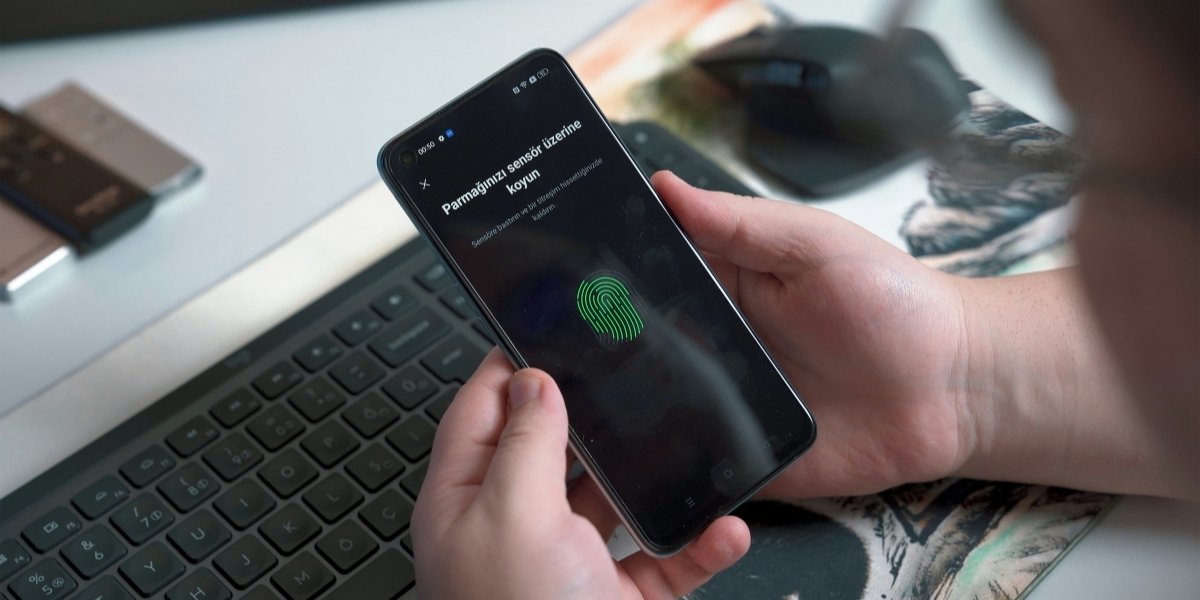

Biometric authentication is quietly becoming one of the most influential technologies driving New York City’s tech expansion. As digital identity verification moves beyond passwords and PINs, the ability to confirm identity through fingerprints, facial recognition, voice patterns, and other biological markers is transforming how businesses operate, how users engage, and how infrastructure adapts to modern demands.
From startups in Brooklyn to enterprise platforms in Midtown, biometric authentication is no longer a niche feature, it’s a foundational layer of digital experience and security.
Biometric Authentication Is Streamlining Access and Efficiency
Across NYC’s business districts, biometric authentication is simplifying access to physical spaces and digital systems. Office buildings are replacing keycards with facial scans, while coworking hubs are using fingerprint readers to manage member check-ins. These upgrades aren’t just about convenience, they’re about reducing friction and improving operational flow.
Creative teams working out of flexible workspaces in SoHo have reported fewer interruptions since switching to biometric logins. With facial recognition replacing manual credentials, employees move between devices and shared tools without delay, keeping collaborative momentum intact.
This kind of efficiency is especially valuable in fast-paced environments where every minute counts. Biometric authentication removes barriers and creates smoother transitions between tasks, meetings, and platforms.
Startups Are Embedding Biometric Authentication Into Their Core Products
NYC’s startup scene is known for bold experimentation, and biometric authentication is becoming a key differentiator in product design. Founders are embedding biometric features directly into apps and platforms to enhance personalization, security, and user retention.
Noom, a behavior-change platform with NYC roots, has explored biometric integrations to streamline user access and personalize health journeys. By allowing users to log in with facial recognition and track engagement through biometric cues, the platform reinforces trust and reduces friction.
In fintech, biometric authentication is helping reduce fraud and simplify onboarding. Voice recognition is being used to verify transactions, while fingerprint scans allow for secure mobile banking access. These integrations are helping startups build credibility and stand out in crowded markets.
Public Infrastructure Is Adopting Biometric Authentication for Smarter Mobility
Beyond private companies, NYC’s public systems are exploring biometric authentication to improve efficiency and user experience. Transit authorities have begun testing facial recognition for fare validation, allowing commuters to bypass turnstiles and move through stations more quickly.
The pilot program, currently limited to select subway entrances, is part of a broader initiative to modernize urban mobility. Riders who opt in can register their biometric data and enjoy seamless access without fumbling for cards or phones.
As these systems expand, conversations around privacy and consent are becoming more urgent. A recent article on data privacy concerns in AI applications highlights the importance of transparency and user control in biometric rollouts. NYC’s tech leaders are paying close attention to these issues as they scale biometric infrastructure.
Security Protocols Are Evolving With Biometric Authentication
In industries where data protection is paramount, including law, healthcare, and finance, biometric authentication is being layered into multi-factor security systems. Legal teams are using voice recognition to access sensitive case files, while hospitals are testing iris scans for patient record retrieval.
DocuSign, widely used across legal and financial sectors, has expanded its identity verification tools to include biometric authentication. This helps NYC-based firms reduce fraud and meet compliance standards while offering clients a more seamless experience.
As threats become more sophisticated, biometric authentication offers a dynamic layer of defense. It adapts to user behavior and can trigger alerts when anomalies are detected. Insights into AI-powered threat detection show how biometric data is being used to enhance real-time security across NYC’s digital infrastructure.
Developers Are Prioritizing Ethical Design in Biometric Systems
With adoption on the rise, NYC’s developer community is focusing on ethical design principles for biometric authentication. Engineers, product managers, and privacy advocates are working together to reduce bias, improve transparency, and ensure inclusive access.
During a recent tech meetup in Williamsburg, panelists discussed how facial recognition systems can misidentify users based on skin tone or gender presentation. The conversation emphasized the need for diverse training data and clear opt-in processes.
Developers are also exploring decentralized storage models to protect biometric data from misuse. Rather than storing sensitive information in centralized databases, some teams are experimenting with encrypted local storage and blockchain-based verification.
These efforts reflect a growing awareness that biometric authentication must be built with care. It’s not just a technical challenge, it’s a social responsibility.
Biometric Authentication Is Fueling Investment and Job Creation
The rise of biometric authentication is attracting venture capital and creating new roles across NYC’s tech sector. Startups specializing in identity verification are securing multi-million-dollar funding rounds, while larger firms are hiring engineers, UX designers, and compliance experts to manage biometric systems.

Photo Credit: Unsplash.com
Mastercard, headquartered in Purchase, NY, has invested in biometric payment systems and partnered with NYC startups to pilot fingerprint-enabled cards and facial recognition for secure transactions. These initiatives are generating demand for talent in engineering, product development, and data ethics.
As biometric authentication becomes more embedded in everyday life, the economic ripple effect is clear. NYC is positioning itself as a global leader in biometric innovation, with opportunities spanning product development, policy, and education.
Education and Training Are Catching Up to Biometric Demand
Universities and bootcamps are updating their curricula to include biometric authentication, privacy law, and ethical AI. Students at NYU’s engineering school recently prototyped a smart home system that uses iris scans to control lighting and security settings.
These projects show how young technologists are thinking beyond traditional use cases. They’re exploring how biometric authentication can enhance convenience, safety, and personalization, all while respecting user rights.
Online certifications and workshops are also helping professionals upskill in biometric technologies. From system architecture to regulatory compliance, the learning ecosystem is expanding to meet industry needs.
Biometric Authentication Is Becoming a Pillar of NYC’s Tech Identity
As New York City continues to grow as a tech capital, biometric authentication is emerging as a defining feature of its digital infrastructure. It’s powering smarter buildings, safer transactions, and more personalized user experiences. It’s also prompting important conversations about ethics, equity, and privacy.
The challenge ahead is to ensure that biometric authentication serves both progress and people. That means building systems that are secure, inclusive, and transparent, and making sure users understand how their data is used and protected.
With its blend of innovation, diversity, and civic engagement, NYC is uniquely positioned to lead this transformation. Biometric authentication isn’t just a tool, it’s a reflection of how the city thinks about identity, access, and the future of technology.