

Taoist Association of New York Joins HWPL Interfaith Dialogue, Finding a Shared Hope for Peace Across Faiths

By: Ethan Rogers
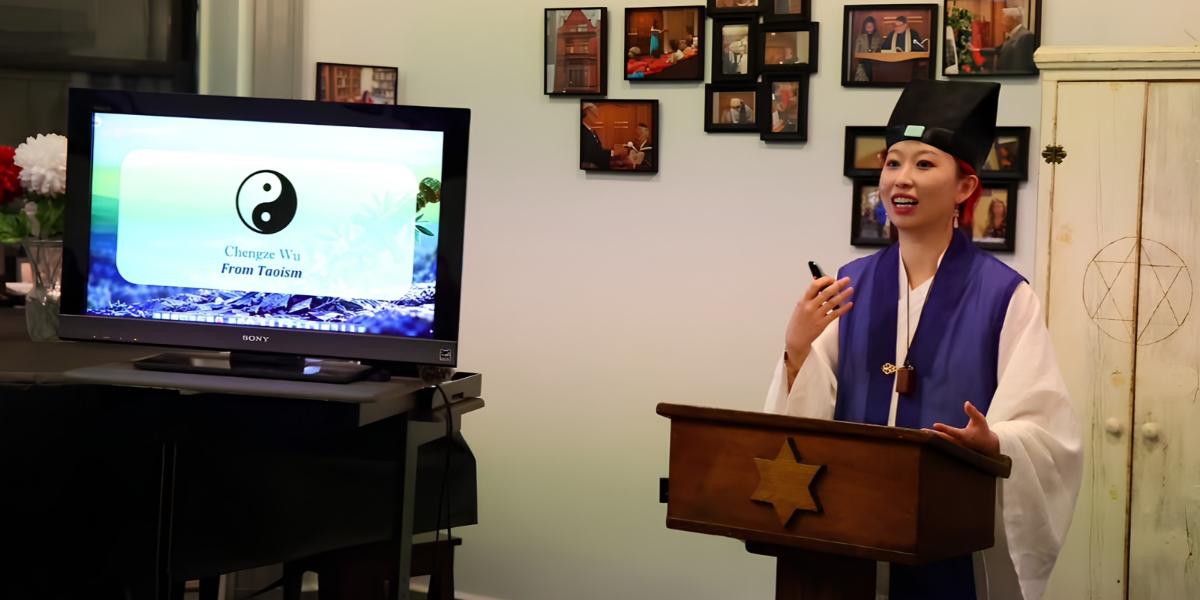
In October 2026, Chengze Wu, President of the Taoist Association of New York, participated by invitation in an interfaith peace dialogue hosted by HWPL’s New York World Alliance of Religions’ Peace (WARP) Office. Under the theme “Breaking the Cycle of Hatred Through the Legacy of Love and Forgiveness,” participants from different faith backgrounds shared wisdom from their religious scriptures. Addressing the question, “Why do conflicts keep happening, even when people call for peace?” Wu offered a Taoist perspective on desire, self-reflection, and the practice of peace.
HWPL (Heavenly Culture, World Peace, Restoration of Light) is a peace organization founded in South Korea. Its WARP Office initiative provides an ongoing platform for dialogue among people from different religious traditions. Through discussions of their scriptures on shared topics, participants seek to deepen mutual understanding and explore the role of religion in resolving conflict and promoting peace.
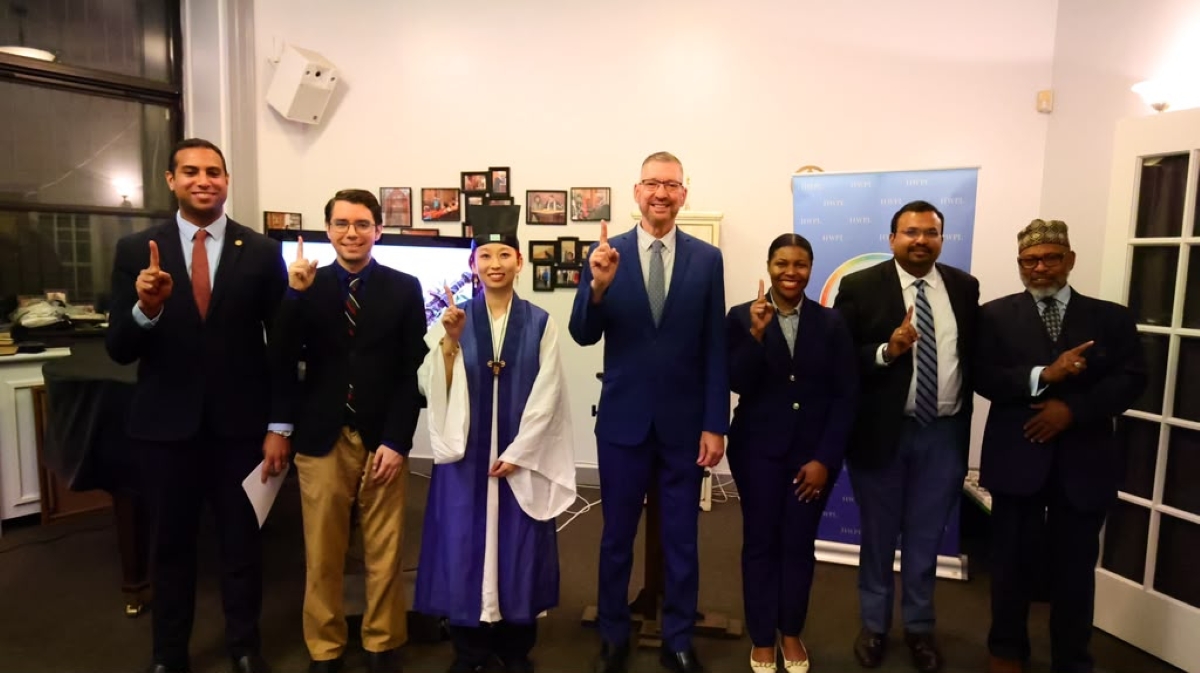
According to the participant list provided by the organizers, the dialogue also included Rabbi Scott Matous, Director of The Makor Center for Spiritual Judaism; Phil Dimauro, Evangelist with the Christian Exchange Program (CEP); Ali Murtaza, Public Affairs representative of the Ahmadiyya Muslim Community US; Shaimi Jacob, an IT Auditor for New York State and a Christian participant; and Supriya Kaur, Assistant Admin at Gurmat Academy Plainview and a Sikh participant.
Understanding the Roots of Conflict Through Contentment and Self-Reflection
In her remarks, Chengze Wu explained that, from a Taoist perspective, spiritual practice means learning to live in harmony with the Tao. This includes how people relate to their desires and emotions, as well as how they treat others. Fear, anger, and the pursuit of power or control can draw people away from their hopes for peace.
She cited Chapter 46 of the Tao Te Ching: “When the world follows the Tao, horses work in the fields. When the world does not follow the Tao, warhorses give birth outside the cities.” Contrasting horses used for agriculture with those used in warfare, she reflected on how a society’s use of its resources affects people’s lives and well-being.
Drawing on the teaching, “There is no greater disaster than never having enough; there is no greater fault than always wanting more,” Wu identified unchecked desire as an important reason conflicts persist. When individuals or groups continually seek more wealth, power, or control, calls for peace must be accompanied by self-reflection: Do we also seek to overpower others? Are we willing to live peacefully only when others agree with us?
She also explored the practical meaning of wu wei through the question, “Are we helping, or are we trying to control others?” She described an approach that reduces force, respects other people’s circumstances and choices, and asks whether pursuing one’s goals comes at the cost of someone else’s safety, dignity, or life.
Responding to Resentment with Virtue and Preventing Further Harm
Turning to the question of how to respond when harm has already occurred, Wu cited the teaching “Respond to hatred with virtue” from Chapter 63 of the Tao Te Ching. She interpreted virtue as care, wisdom, and a sense of what is right. Even in pain or anger, she suggested, people can choose their actions carefully rather than allow hatred to govern every decision.
She emphasized that stopping harm, protecting oneself and others, and holding people accountable can go hand in hand with efforts to prevent retaliation. In responding to conflict, people need to consider whether their actions will reduce harm or set another cycle of revenge in motion.
Chengze Wu also stressed that those who have been hurt should not be expected to forget their pain or forgive immediately. They first need safety, care, and support. Breaking cycles of hatred also means trying not to pass one’s suffering on to someone else.
Practicing Peace Through Small Actions and Finding Common Ground
Citing the teaching, “Deal with difficult things while they are still easy. Do great things while they are still small,” Chengze Wu encouraged addressing problems before they grow. A small misunderstanding can become a deep wound when no one listens, while angry words, repeated over time, can deepen hostility. Listening carefully, clearing up a misunderstanding, or choosing not to share a hateful message may seem like small steps, but each is part of practicing peace.
Reflecting on interfaith dialogue, Wu expressed her appreciation for finding common ground while respecting differences. Religious traditions have distinct scriptures, rituals, and expressions of faith, yet they can share aspirations to cherish life, care for others, reduce suffering, and build peace.
For Chengze Wu, although people’s beliefs differ, their heartfelt wishes for others’ well-being and for a peaceful world can be deeply connected. Interfaith dialogue allows participants to remain rooted in their own traditions while listening to one another, understanding differences, and identifying opportunities for shared action.
Mutual respect, the dialogue showed, can begin with meaningful encounters and conversation. The Taoist Association of New York hopes to continue sharing insights from the Taoist tradition through cultural education and interfaith dialogue, working alongside people of different faiths to support peaceful coexistence across New York’s diverse communities.
