Innovative Home Gym Setups for Small Spaces

By: Jay Kt

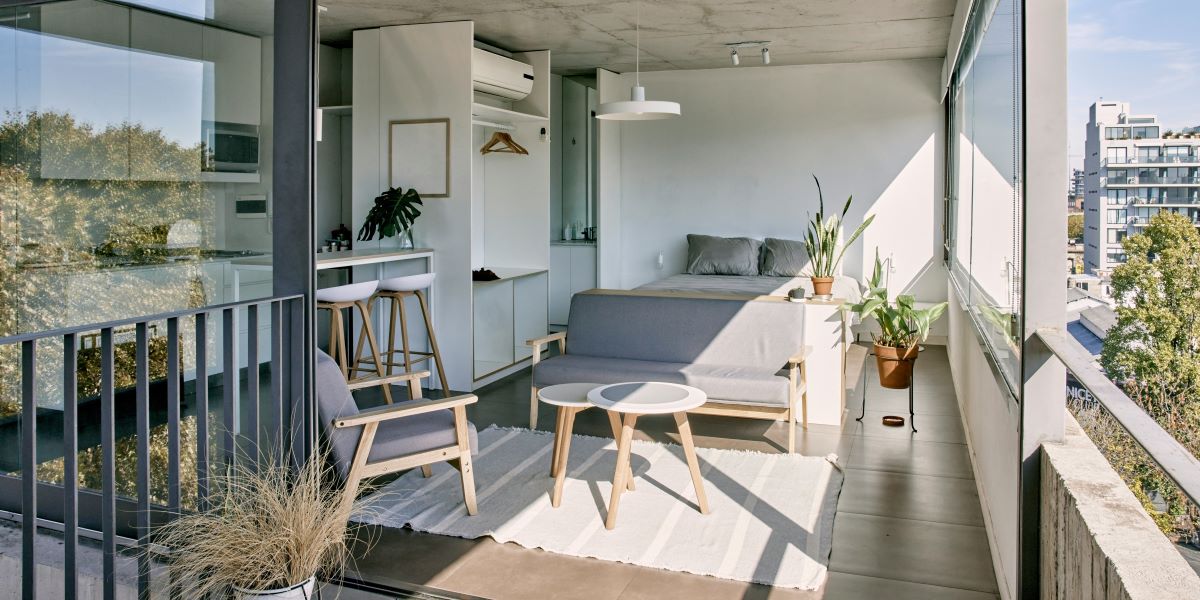
Living in a small city apartment can feel like a challenge. You want to stay fit, but you also want your home to look nice. Bulky exercise equipment takes up too much room. It can make a space feel cramped and stressful. But with some creative thinking, you can build a great workout area. Smart design helps you use odd corners and empty walls. You do not have to ruin your home’s style to get a good workout.

Maximizing Square Footage With Clever Layouts

Put your exercise gear along one wall. This keeps the middle of the room open for walking. You can still move around freely during the day. Selecting quality cardio machines from SOLE Fitness lets you complete tough workouts in tight living quarters. This simple setup keeps your room useful for work, rest, and exercise.

Corners are often wasted space. Use them wisely. Place your equipment diagonally in a corner. This frees up the center of the room for floor exercises and stretching. A little planning turns a forgotten corner into a smooth training zone.

Big equipment works best against solid walls. Put your treadmill or bike parallel to the wall. This keeps the middle of the room open and airy. Smart furniture placement makes even a studio apartment feel bigger. Clear walkways help you move without bumping into things.

Defining Dedicated Workout Zones

Set clear boundaries for your gym area. This keeps fitness equipment from taking over your living space. You can fit a full strength-and-flexibility gym in about 50 to 70 square feet. That is roughly the size of a small spare room or a large closet. High-density rubber floor tiles mark your workout zone. They also protect your original floors from scuffs and heavy weights.

Visual cues help separate spaces without walls. Neutral floor mats clearly define your gym area. They blend in with your home decor while keeping things organized. When you step onto the mat, your brain knows it is time to work out. These simple boundaries turn any corner into a dedicated athletic station.

Choosing Compact Cardio Gear

Pick cardio equipment that fits your daily habits and your space. A walking pad needs more room to use. A stepper or under-desk elliptical takes up much less floor space. Compact vertical steppers get your heart rate up without hogging the room.

Space-saving designs keep your home tidy after each workout.

● Under-desk steppers slide under couches or coffee tables in seconds.

● Vertical ellipticals stay small while you use them.

● Folding exercise bikes store upright inside closets.

Choosing small gear stops fitness items from blocking hallways. Smart choices make home cardio feel easy and natural. Compact machines support an active lifestyle without stress.

Integrating Dual-Purpose Furniture

Multifunctional furniture hides your gym gear when guests visit. Use storage ottomans to stash resistance bands, light dumbbells, and foam rollers. Padded benches can double as desk chairs or entryway seating. When you hide equipment inside stylish furniture, your home keeps its clean look. These pieces offer high utility without taking up extra floor space.

Hidden storage keeps rooms neat and guest-ready. Out of sight means less visual clutter. Smart furniture helps small apartments stay sophisticated. Your workout gear stays discreet but always available.

Vertical Storage Systems For Heavy Weights

Walls offer great storage for dumbbells, kettlebells, and heavy bands. Mount heavy-duty steel racks to keep weights off the floor. Wall mounts keep gear visible and easy to grab during fast circuits. Using wall height saves your floor space for movement and stretching.

● Wall pegboards hold jump ropes, bands, and mats.

● Mounted weight racks keep dumbbells off carpet.

● Wall-mounted folding bars lie flat when not in use.

Vertical racks create clean layouts in small apartments. Keeping equipment off the ground gives you room for dynamic exercises. Overhead storage also keeps gear out of pets’ reach. It protects your living space from accidental damage.

Smart Mirror And Lighting Arrangements

Good lighting turns dark corners into energetic fitness areas. Large wall mirrors make small rooms feel twice as big. They also help you check your form during exercises. Mount mirrors opposite windows to reflect natural light. This brightens the whole space.

Bright environments boost your energy during early morning workouts. Sleek LED strips or slim sconces add visibility without taking up table or floor space. Thoughtful lighting creates an inviting atmosphere for daily training.

Good lighting turns simple corners into professional stations. Reflected light opens up dark apartment layouts. Quality mirrors improve spatial perception and support safe technique. Proper light placement makes your home gym feel lively and motivating.

Acoustic Flooring Solutions For Apartment Life

Living in a city apartment means being careful about noise. Thick rubber mats absorb dumbbell impacts and reduce footsteps. Heavy-duty rubber flooring protects your floor and muffles loud sounds. These mats keep your workouts quiet for neighbors below.

Choose quiet equipment to maintain peace in multi-unit buildings. Dumbbells with neoprene coatings make little sound when placed on rubber. You can train early in the morning without causing complaints. Acoustic matting also cushions your joints during jump rope routines. Shock absorption protects your body and your floor. Smart padding keeps workouts quiet, comfortable, and neighbor-friendly.

Maintaining An Organized Exercise Station

Clutter ruins the open feel of small workout areas. Return equipment to its storage spot right after each session. This preserves your floor space. Do a quick monthly cleanout to remove unused items before they gather dust.

Organized gear makes every workout start smoothly. Streamlined setups make exercise fast and friction-free. Minimalist design turns small spaces into focused personal health stations.

Clean spaces invite consistent daily use. When your gear is easy to grab, you stick to your fitness goals. Dedicated storage habits keep your apartment refined and organized. Organized areas help you build long-term exercise habits successfully.

Elevating Your Small Space Fitness Strategy

You do not need a huge room or expensive renovations to build a great home gym. Smart gear choices, wall racks, and multi-use furniture help you make the most of your available space. Daily exercise becomes simple when your fitness setup fits your lifestyle. Transforming small spaces into workout hubs improves your daily wellness.

Measure your available floor area today. Pick compact equipment that matches your personal fitness goals. Start small, stay consistent, and enjoy the results.

If you’d like to learn more, check out more articles on our blog.

NYC Housing Court Launches Fast Track to Expedite Emergency Tenant Cases

New York City Housing Court will now fast-track emergency cases involving vacate orders, hazardous building-wide conditions, and elevator outages under a new directive announced by Mayor Zohran Mamdani on August 25, 2026. The program compels landlords to appear in court within five days of being served, a sharp departure from a system where cases routinely stall for months or years.

Key Takeaways

  • A new directive from Administrative Judge Shahabuddeen Ally requires Housing Court judges across all five boroughs to expedite emergency cases involving vacate orders, immediately hazardous violations, and total elevator outages.
  • Landlords in qualifying cases must now appear in court within five days of service, replacing a process that previously stretched weeks before an initial hearing.
  • The fast track applies only to buildings where at least one-third of units are affected by open Class C hazardous violations or vacate orders.
  • Elevator outage complaints in New York City have surged to approximately 22,000 annually, up from around 17,000 in 2021.
  • Housing complaints reported to the city’s Department of Housing Preservation and Development reached 835,000 in the last fiscal year, up from 707,000 in fiscal year 2023.
  • Landlord groups, including the New York Apartment Association, have criticized the policy as one-sided, calling for an equivalent fast track for unpaid rent recovery cases.

Administrative Judge Directive Targets Buildings With Widespread Hazardous Conditions

The fast-track order, formally issued in a memorandum dated July 16 by New York City Civil Court Administrative Judge Shahabuddeen Ally, creates a new category of case called “building-wide emergency HP” actions. HP cases, or “housing part” cases, are the mechanism tenants and the city’s Department of Housing Preservation and Development use to force landlords to make necessary repairs when other enforcement channels fail.

Under the directive, qualifying cases will be assigned a judge on the same day they are filed. The compressed timeline eliminates the weeks-long gap that typically separates filing from first appearance. Once service is completed, parties have no more than five days to appear in court. To support the increased caseload, the Unified Court System is expanding the number of judges eligible to hear Housing Part and Article 7A cases.

The specific triggers for fast-track treatment are narrow. A case qualifies only if a vacate order covers one-third or more of a building’s apartments, or if open, immediately hazardous HPD Class C violations for essential services like heat, hot water, electricity, or gas affect at least one-third of units. Buildings where all elevators are out of service also qualify, as do Article 7A proceedings in which the city or tenants seek the appointment of a third-party building manager due to an open, immediately hazardous HPD Class C or DOB Class 1 violation.

The “Fix the City” Initiative and the Administration’s Enforcement Strategy

The Housing Court fast track falls under the Mamdani administration’s broader “Fix the City” initiative, which targets what City Hall describes as the city’s most persistently negligent landlords. The administration has also released two policy documents framing the enforcement push: the Block by Block housing plan and the Rental Ripoff Report, which details tenant experiences with prolonged elevator outages and failures of essential services.

The Mamdani administration is investing $14.3 million in fiscal year 2027 and $40 million annually thereafter to expand Right to Counsel, the program that guarantees legal representation for tenants facing eviction. The city’s broader housing budget commits $22 billion over five years to affordable housing under the Block by Block plan. The administration has also implemented new rules requiring landlords to offer alternative accommodations to tenants in buildings where elevators have been out of service for more than 14 days without active repairs.

In April, Mayor Mamdani became the first sitting mayor to visit an operating Housing Court, a symbolic gesture that signaled the administration’s focus on tenant enforcement as a policy priority.

Landlord Groups Push Back on a Policy They Call One-Sided

The New York Apartment Association, which represents owners of rent-stabilized buildings, criticized the fast track as creating a two-tiered legal system. Kenny Burgos, CEO of the NYAA, argued that the policy presumes landlord guilt in violation cases while ignoring the financial pressures building owners face under rent stabilization rules that cap rent increases.

The NYAA cited a New York City Housing Partnership survey that found more than 60 percent of respondents identified declining rent collections as the primary cause of financial distress, and called for a parallel fast track for owners recovering unpaid rent. New York City landlords filed more than 116,000 eviction cases over the past year, and landlord groups have previously sued the state court system to accelerate nonpayment proceedings.

The New York State Association for Affordable Housing took a more measured position, expressing support for faster resolution of emergency cases while calling the broader system “structurally broken.” NYSAFAH noted that New York City’s Housing Court handles an average of 350,000 filings annually, a volume it described as evidence of systemic dysfunction rather than a narrow problem the fast track can resolve.

A 2021 Bar Association Report Recommended These Exact Reforms

The fast-track directive aligns with recommendations published by the New York City Bar Association Housing Court Committee in 2021. That report urged courts to expedite HP cases and assign multiple judges to handle them, noting that prolonged litigation allowed hazardous conditions to persist in buildings where tenants had already exhausted other enforcement options. Five years later, the administrative order from Judge Ally puts a version of those recommendations into practice.

Tenant advocates, including The Legal Aid Society, praised the reform as long overdue. The organization’s chief attorney of civil practice, Adriene Holder, emphasized that every additional day of displacement disrupts tenants’ access to employment, education, healthcare, and community stability. Housing Court Supervising Judge Jack Stoller framed the fast track as a reaffirmation of the court’s statutory mandate while noting that landlords retain the right to present their arguments under the expedited process.

FAQs

What types of cases qualify for the Housing Court fast track?

The fast track applies to HP cases involving vacate orders affecting one-third or more of a building’s units, open Class C hazardous violations for essential services in at least one-third of units, total elevator outages, and Article 7A proceedings where the city or tenants seek third-party building management.

How quickly must landlords respond under the new directive?

Once served, landlords and tenants must appear in court within five days. Qualifying cases are assigned a judge on the same day they are filed, eliminating the weeks-long gap that previously preceded initial hearings.

Does the fast track apply to all Housing Court cases?

No. The directive targets only the most severe emergency cases where widespread conditions affect at least one-third of a building. Routine repair complaints and individual-unit violations follow the standard Housing Court timeline.

Why are landlord groups opposed to the policy?

The New York Apartment Association argues the fast track creates a presumption of guilt for violation cases without addressing the financial pressures landlords face from declining rent collections and capped rent increases under stabilization rules. The association has called for an equivalent fast track for unpaid rent recovery proceedings.

What is an Article 7A proceeding?

An Article 7A proceeding is a legal mechanism through which tenants or the city can petition the court to appoint a third-party administrator to manage a building when the landlord has demonstrated persistent neglect. The administrator assumes responsibility for building operations and repairs.