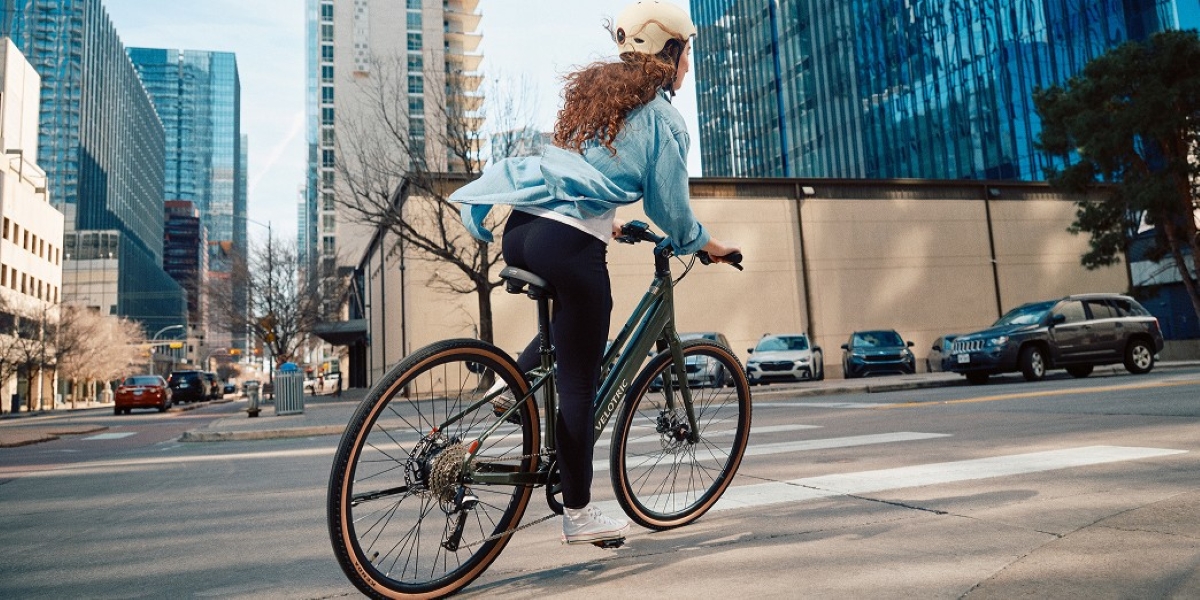
Why Lightweight E-Bikes Fit the New York Lifestyle Better Than Ever

New York City has always been defined by movement. Whether it’s the morning rush through Midtown, a quick coffee run in Brooklyn, or an evening ride along the Hudson River Greenway, getting from one place to another is part of everyday life. But as the city continues to evolve, so do the ways New Yorkers choose to travel.

For many residents, the traditional commute is no longer just about taking the subway or hailing a taxi. Rising transportation costs, unpredictable transit delays, and a growing focus on sustainability have encouraged people to rethink how they navigate the city. Increasingly, lightweight electric bikes are emerging as one of the smartest options for urban mobility.

Why Lightweight Matters in New York

Unlike many American cities, New York presents unique transportation challenges. Apartment living often means limited storage space, narrow hallways, and flights of stairs. Many commuters combine multiple forms of transportation in a single trip—walking, trains, ferries, and bicycles.

A heavy electric bike may offer power, but it can quickly become inconvenient when carrying it into an apartment building, lifting it onto a bike rack, or maneuvering through crowded sidewalks.

Lightweight electric bikes address these everyday frustrations by offering:

  • Easier handling in dense urban environments
  • Greater portability for apartment living
  • More comfortable riding through stop-and-go traffic
  • Simpler storage in smaller spaces
  • Better flexibility for multimodal commuting

For city dwellers, convenience often matters just as much as speed.

A New Era of Urban Commuting

The modern commute is no longer measured only by miles traveled. Efficiency, comfort, and flexibility have become equally important.

Many New Yorkers now choose transportation options that allow them to avoid traffic congestion, reduce commuting stress, and enjoy more predictable travel times. Electric bikes provide a practical balance between traditional cycling and public transportation, allowing riders to cover short-to-medium distances quickly without arriving exhausted.

Whether commuting from Williamsburg to Manhattan, running errands on the Upper West Side, or meeting friends in Long Island City, an e-bike can often eliminate the need for multiple transfers or expensive rideshare trips.

Velotric Tempo: Designed for Everyday City Life

Among the growing number of urban-focused e-bikes, Velotric Tempo stands out by focusing on what city riders actually need rather than simply adding more power or bulk.
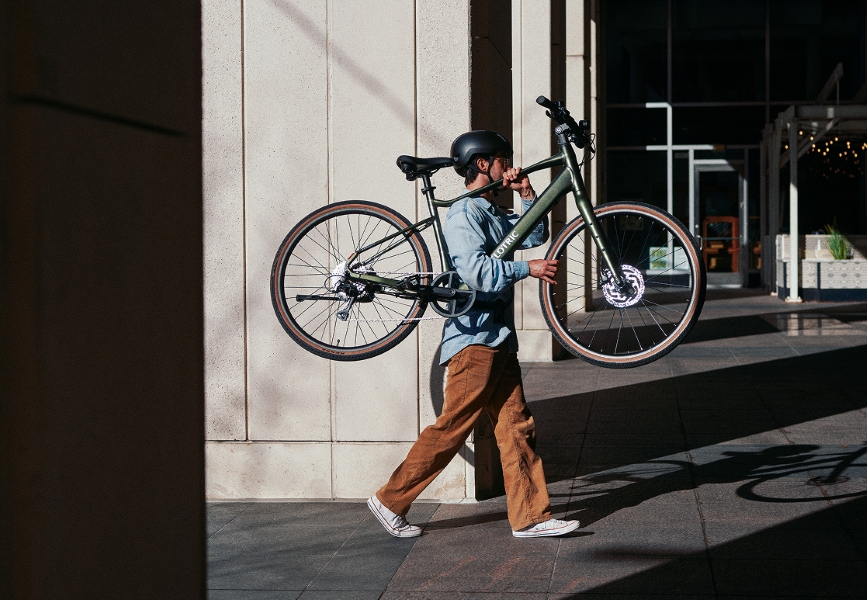
Photo Courtesy: Velotric

Designed with urban commuters in mind, Tempo emphasizes a lightweight frame that makes everyday riding more practical. Instead of feeling cumbersome when navigating apartment buildings or busy streets, the bike is engineered to remain agile and easy to handle.

For New Yorkers, this translates into real-world advantages:

  • At 34 lbs without battery, lightweight to carry upstairs or into elevators
  • Clean, modern styling with hidden wiring, looks like a regular bike
  • Pulse Mode™ adjusts pedal assist based on your heart rate for a more personalized ride
  • Apple Find My & Google’s Find Hub integration for added security and locating

Rather than replacing public transportation, Tempo complements it. Riders can comfortably combine subway rides with cycling, making last-mile travel significantly easier while maintaining the flexibility that city life demands.

More Than Transportation

The appeal of lightweight e-bikes extends beyond commuting.

Many New Yorkers are using them for weekend farmers’ market trips, neighborhood exploration, waterfront rides, and short errands that would otherwise require a car or rideshare service. With dedicated bike lanes continuing to expand throughout the city, cycling has become a more practical everyday option than ever before.

Choosing an e-bike is increasingly less about recreation and more about improving daily quality of life. It offers freedom from traffic, greater flexibility, and an opportunity to enjoy the city at a more human pace.

The Future of Urban Mobility

Urban transportation continues to evolve, and New York remains at the forefront of that change. As residents seek smarter, more sustainable, and more convenient ways to get around, lightweight electric bikes are becoming an essential part of city living.

For commuters who value portability, efficiency, and ease of use, models like Tempo demonstrate that thoughtful design can make everyday travel not only faster, but also more enjoyable. In a city where every minute counts and every block presents a new challenge, lightweight mobility may be one of the most valuable upgrades a New Yorker can make.
Why Miami Might Be a Great City to Cruise In

Miami has so many amazing things to recommend it. The weather is gorgeous, there are so many fun things to do and experience, and people are friendly and open to inviting newcomers or even tourists along on adventures. Add to Miami’s allure the ability to enjoy special cultural experiences in places like Little Havana, and you will find that there are few other places in the US more exciting for a vacation than Miami.

Rent a car in Miami if you want to be able to get around easily and to make the most of your time in this special city. This is a large city, and trying to get around on foot or by rideshare isn’t very realistic. There are lots of perks to being more mobile, not least of which is that you will be able to fit in more fun things from your list of possible options. Let’s talk about the reasons you might want to cruise in Miami and the incredible experiences the city has to offer.

Why Miami is a Great Place to Cruise

Miami is a large and sprawling city. Having your own set of wheels to get you from place to place is almost a must when planning a visit. You do have other options, but public transportation is limited, and ridesharing can add up in cost. You will have no trouble getting to all the exciting things you want to see and do if you make sure that you rent a car during your stay.

1. The Weather is Amazing

Most people think of places like Scottsdale or even Hawaii when they consider areas where they can take a vacation without having to deal with bad weather. A cloudy day might ruin your vacation plans, but don’t worry! Miami doesn’t have that many days that are not perfect for being outside, having fun, and making memories.

The average temperature in Miami is between 62 degrees and 90 degrees F all year long. There are afternoon thunderstorms regularly during the late summer, but they blow over quickly, and it’s still warm enough that the storms won’t bring your trip down.

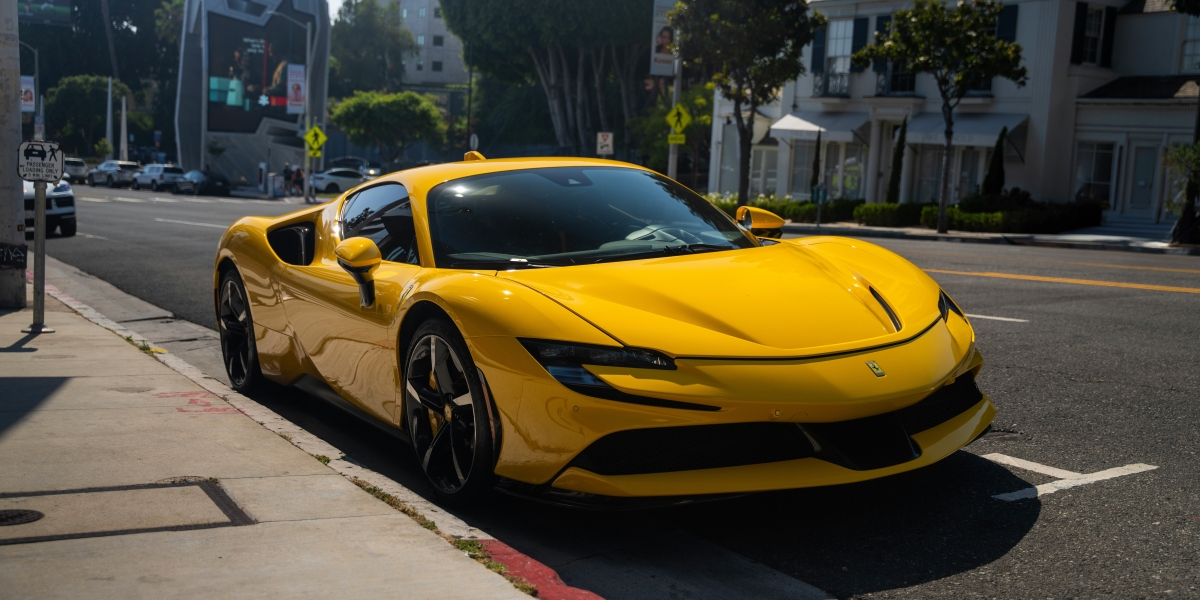
If you want to enjoy Miami properly, cruising along the highway with the windows down while the sun is shining on you is the way to go. During most of the season’s popular travel times, you can rent a convertible and make the most of the sunny weather throughout your trip.

Photo Courtesy: Unsplash.com

2. Beautiful Beaches

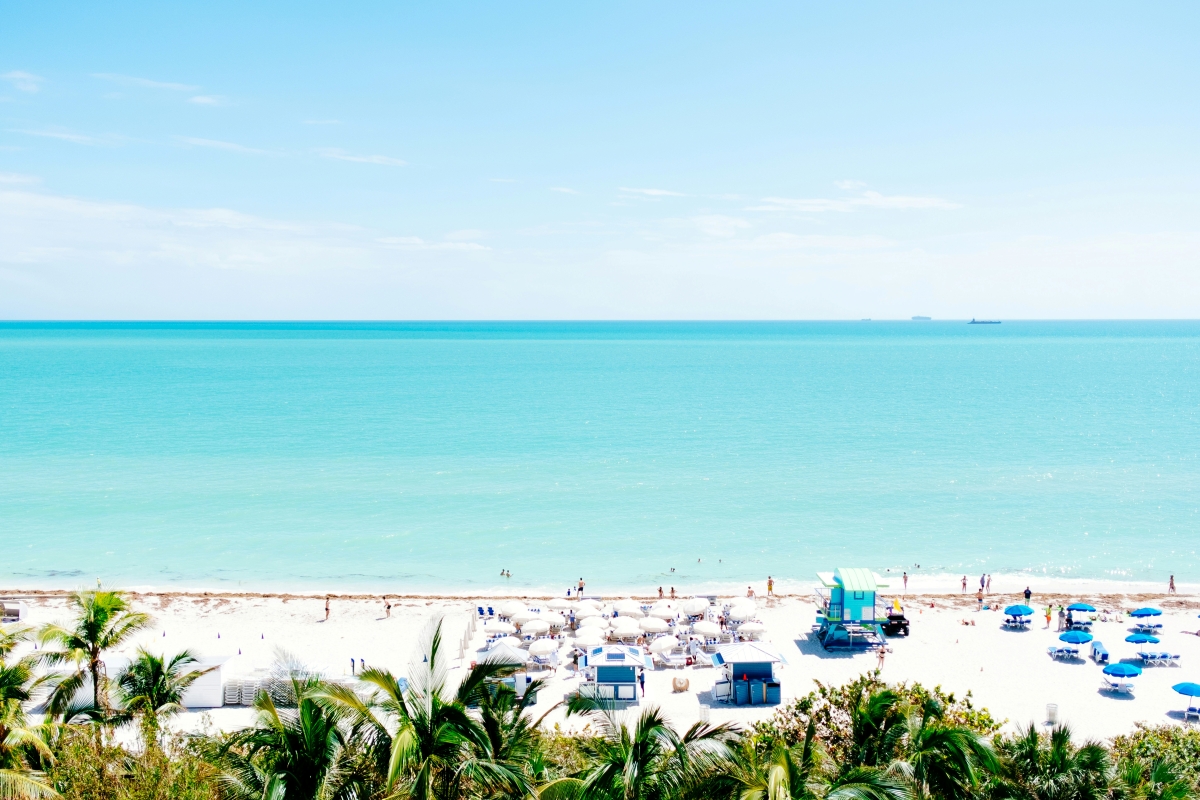
If you have always wanted to have access to numerous white, sandy beaches throughout your vacation, then Miami is the place to visit. Rent a car so that you are mobile every day with ease and so that you can bring along all your beach supplies to make it easy to have a comfortable day in the sun and sand.

South Beach is world-famous, and this area offers access to white sandy beaches and waves as well as Art Deco architecture, shopping, and dining. This is one of the best places in the city if you want to experience all of the most exciting parts of what Miami has to offer, all in one place.

You can also hop in your car and cruise down to Crandon Park Beach. This is a huge, 2-mile-long beach area that is well-known for its sandbar that makes wading easy for folks of all ages. You will also be able to hike, picnic, and sunbathe here with ease.

3. Cultural Centers Full of Life

If you want to have authentic cuisines and make memories in a part of Miami that feels like you have gone all the way to another country, you need to head to Little Havana. This is a vibrant and exciting part of the city that you can drive to with ease during your trip. Calle Ocho is the heart of the city’s Cuban neighborhood, and you will find art galleries, Latin food, and cigar shops along this street.

There is always something cool going on in Little Havana, and the nightlife is excellent. You should consider visiting Versailles Restaurant, which is known as the “World’s Most Famous Cuban Restaurant” and you might also want to head to Domino Park and watch the locals play dominos. If you love dancing, go to Ball & Chain; if you want a sweet treat, head to Azúcar Ice Cream Company for an artisan ice cream cone.

This is one of the parts of the city that is easiest to access with a rental car, and you will not regret heading here to spend an afternoon or evening making memories in one of the most distinctive parts of the city.

Miami is a Special City For So Many Reasons

If you haven’t considered staying in Miami before, it’s never too late to make new vacation plans. This is a part of Florida with gorgeous weather, lots of things to see and do, and the right kind of roads and city sprawl to make driving really fun. Be sure you have a plan to get from place to place so you aren’t stuck waiting around for rideshares over and over.

If you want to make the most of spending time in Miami, one of the most important variables is transportation. Be sure that you are not neglecting this key aspect of your vacation planning. Having a quality rental car is just as important as making sure you booked the right hotel and that you got tickets for experiences early enough. Consider renting a luxury car or a really unique vehicle to help you and your friends and family maximize the fun during your vacation.

Soft Dink Pickleball Club Builds a Beginner-Friendly Open Play Scene in Balanga

Soft Dink Pickleball Club, a player-run community founded in June 2026 in Balanga, Bataan, is building a beginner-friendly pickleball scene around weekly Open Play sessions at the Balanga Badminton Center. Started by a group of friends, the club centers on affordable, welcoming games designed to bring newcomers into the sport rather than intimidate them.

A Player-Run Club Founded on Welcoming New Players

Soft Dink Pickleball Club was founded by Ryan Christian Maglaque alongside a group of friends who now run its sessions: John Andre Manabat, Cammile Castel, Irizlly Padilla, Jan Micole Navarro, Allan Christian Gandia, Christian Delos Trinos, and Bob Salenga. The idea grew out of their own time on the court. After joining other clubs and rotating through open play sessions elsewhere, the friends decided to stop being guests and start hosting their own games. The name nods to the soft dink, the finesse shot played gently near the net that rewards control over power.

The club’s founding philosophy traces back to how its organizers felt when they first picked up a paddle. Maglaque has said the group remembers being overlooked as beginners, when more experienced players were reluctant to share a court with newcomers. That memory shaped the club’s central message. “We want everyone to feel welcome,” Maglaque said, describing a deliberate effort to spare new players the discouragement the founders once experienced.

How Soft Dink Pickleball Club’s Open Play Works

Soft Dink Pickleball Club Grows Open Play in Balanga

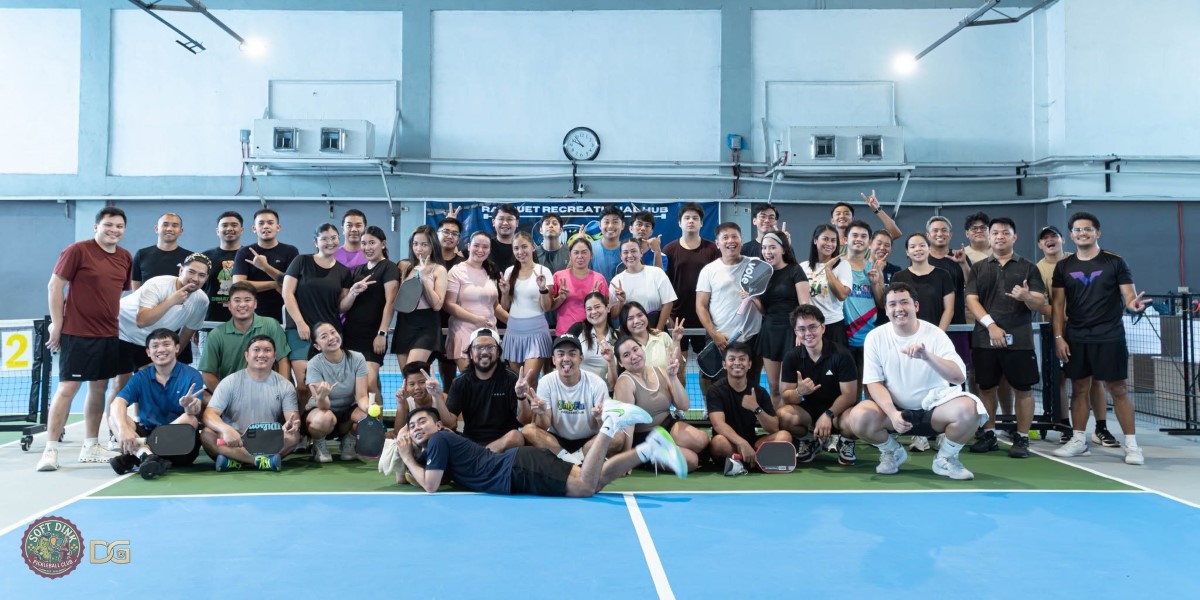
Photo Courtesy: DG Productions

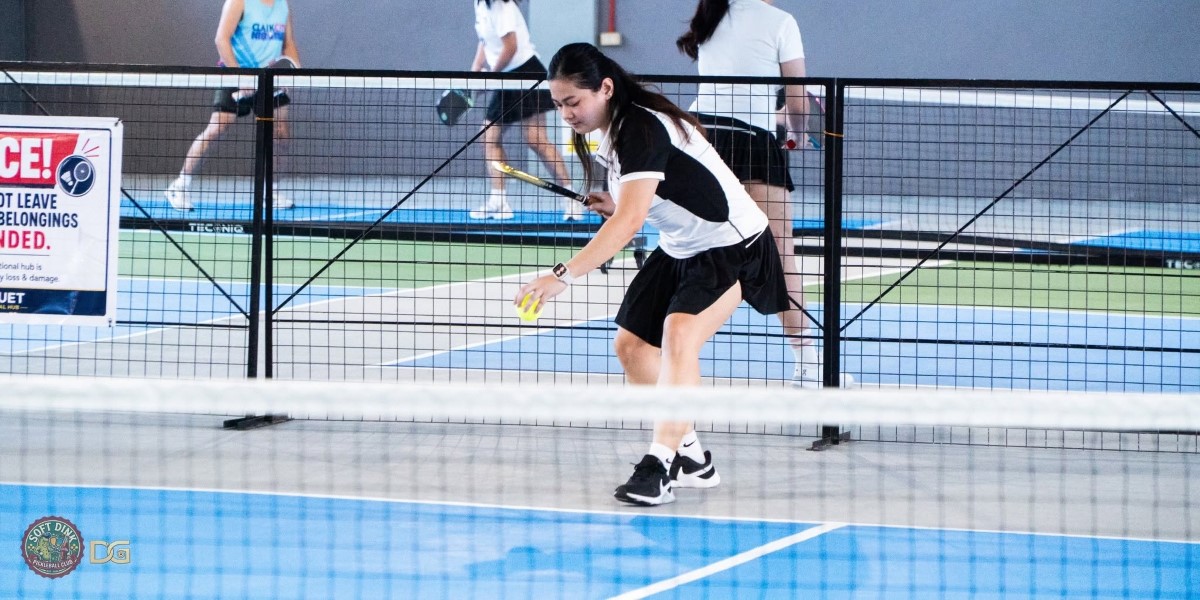
Soft Dink Pickleball Club held its first Open Play on June 20, 2026, drawing 45 players, five of them walk-ins. The sessions now run on Sunday mornings from 8 a.m. to 12 noon at the Balanga Badminton Center, with a weekday night session planned as the club expands. Each session uses four courts and caps attendance at roughly 40 players, or about ten per court, a ratio that keeps games moving and wait times short.

A session costs ₱220, or around $4, and the fee covers more than court time. It includes the use of balls, snacks, water, and ice, with pizza occasionally added for the group. That bundle reflects the club’s framing of Open Play as a social gathering as much as a competitive one.

Skill level is not a barrier to entry. Soft Dink Pickleball Club welcomes all levels and sorts players through observation rather than self-reported ratings. During registration, organizers color-code paddles to mark beginner and intermediate players, then refine matchups after watching how each person plays. The system lets newcomers find comparable games quickly without having to prove themselves first.

A Loyalty Card That Rewards Regulars

The club also runs an Open Play loyalty card built around attendance. On a player’s fourth session, the card earns one entry into a raffle, with rewards that include stickers, keychains, a 50 percent discount voucher for a future session, and a pickleball. The prizes are modest by design, meant to encourage repeat visits and reinforce the sense of a returning community rather than to drive one-off sign-ups.

A Community Built on Fast Rotation and Repeat Players

Since its launch, Soft Dink Pickleball Club has leaned on repeat players who come back for the people and the format. Organizers point to the club’s quick rotation as the feature players mention most, along with the mix of familiar faces and the structure that keeps sessions running smoothly. Event photography, credited to DG Productions, has documented the early sessions, and the club shares recaps and schedules through its official Facebook page and Instagram account.

The approach fits a broader moment for the sport in the Philippines, where pickleball has drawn rising interest through community clubs and open play groups. Soft Dink Pickleball Club positions itself within that wave as a local entry point in Bataan, using low costs and an open-door policy to turn curious first-timers into regulars.

What’s Next for Soft Dink Pickleball Club

Soft Dink Pickleball Club has outlined several plans for the rest of 2026. The organizers intend to host tournaments, add a second venue to support weekday night Open Play, and eventually offer lessons aimed at helping beginners learn the game. Branded merchandise, including shirts and polos carrying the Soft Dink logo, is also under consideration as the club builds its identity. Each step points back to the goal the founders started with: growing a space where new players feel they belong.

For a club barely a month old, Soft Dink Pickleball Club has turned a simple idea, making new players feel welcome, into a growing Sunday-morning fixture in Balanga.