Capitale Reopens as New York’s Definitive Event Destination: From Historic Landmark to Cultural Powerhouse


By K. Foster

In a city defined by constant reinvention, few spaces manage to evolve while maintaining the weight of history. Capitale, the iconic landmark venue at 130 Bowery, is doing exactly that, reopening not just as an event space, but as one of New York City’s most important cultural gathering points.

Originally built in 1893 as the Bowery Savings Bank, Capitale has long been admired for its architectural grandeur: a soaring domed ceiling, marble columns, and a scale rarely seen in Manhattan interiors. But today, its resurgence signals something more than preservation; it marks a strategic repositioning as the go-to venue for the city’s most influential moments.

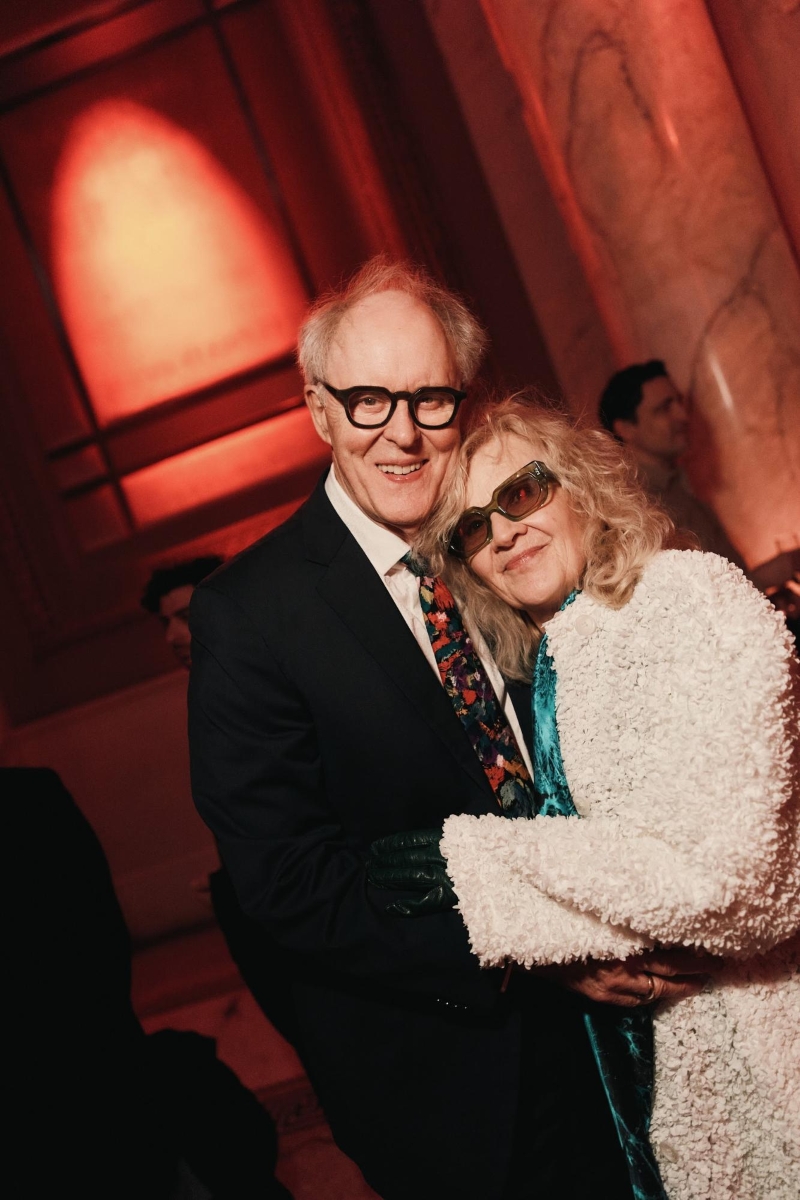
That evolution was on full display when Capitale recently hosted the official opening night after-party for GIANT, the Olivier Award-winning Broadway production starring John Lithgow. Following the premiere at the Music Box Theatre, a star-studded crowd made its way downtown, transforming the historic space into a vibrant extension of the theatrical experience.

The guest list reflected the scale of the moment, with attendees spanning entertainment, fashion, and media, further reinforcing Capitale’s role as a natural convergence point for New York’s cultural elite. The evening didn’t feel like a typical after-party. It felt like a continuation of the performance itself, where conversation, celebration, and industry connection carried on beneath one of the city’s most dramatic interiors.

This is precisely the positioning Capitale is leaning into as it reestablishes itself in the market.
Capitale Reopens as New York’s Definitive Event Destination: From Historic Landmark to Cultural Powerhouse

Photo Courtesy: Emilio Madrid (John Lithgow and Mary Yeager)

“We’re not just reopening a venue, we’re reintroducing a space that has always had the potential to be at the center of New York’s cultural life,” says the proprietor of the venue, Ilya. “Capitale is where moments happen after the curtain falls, where people come together to celebrate, connect, and create what comes next.”

Capitale Reopens as New York’s Definitive Event Destination: From Historic Landmark to Cultural Powerhouse

Photo Courtesy: Emilio Madrid

That philosophy is already taking shape across a range of high-profile events. In addition to Broadway celebrations, Capitale recently hosted The Next Step’s 10-year anniversary gala, welcoming over 750 guests and raising significant funds for Israel’s first amputee empowerment center. The evening combined emotional storytelling with large-scale production, underscoring the venue’s ability to hold both intimacy and magnitude in a single experience.

This duality, grand yet personal, is what sets Capitale apart in a crowded events landscape.

While many venues in New York cater to either scale or exclusivity, Capitale bridges the two. Its layout allows for immersive, large-format experiences while still maintaining a sense of warmth and cohesion. Whether hosting a philanthropic gala, a fashion show, or a private celebration, the space adapts without losing its identity.

And that identity is rooted in history, but not limited by it.

The current vision for Capitale is focused on activating the venue in ways that reflect how people gather today. That means integrating modern production capabilities, curating culturally relevant programming, and attracting a cross-section of industries that don’t always overlap elsewhere.

On any given night, the room might include actors, designers, founders, executives, and artists, creating an ecosystem where ideas and influence naturally intersect.

“There’s a certain kind of energy that only exists when the right people are in the right room,” Ilya explains. “Our goal is to create that environment consistently. Not just beautiful events, but meaningful ones.”

That intention is already resonating. As New York continues to rebuild its social and cultural rhythms, Capitale is emerging as a space that feels both familiar and newly essential.

Part of that appeal lies in its authenticity. In an era where many venues are designed to mimic grandeur, Capitale simply is grand. The architecture doesn’t need enhancement; it needs activation. And that’s exactly what this new chapter is delivering.

The GIANT after party offered a clear glimpse into what the future holds: a venue that seamlessly extends major cultural moments beyond their original stage, creating a second act that is just as impactful.

It’s not just about hosting events; it’s about becoming part of the city’s narrative.

As Capitale continues to build momentum, one thing is becoming increasingly clear: New York doesn’t just have its historic landmark back, it has its next great gathering place.


Artemis II Launch Time, Mission Profile, and the Records at Stake as NASA Returns Humans to Deep Space

NASA’s Artemis II mission lifted off from Launch Complex 39B at Kennedy Space Center in Florida on April 1, 2026, with a targeted launch time of 6:24 p.m. EDT, marking the first time human beings have traveled beyond low Earth orbit since the final Apollo mission in 1972.

The launch window ran for two hours, from 6:24 p.m. to 8:24 p.m. EDT. The countdown clock began ticking at 4:44 p.m. EDT inside the Rocco Petrone Launch Control Center, with launch teams arriving at their consoles ahead of the targeted liftoff. NASA broadcast live coverage of the event on NASA+, Amazon Prime Video, and YouTube, making the milestone accessible to a global audience.

A Mission Months in the Making

The road to launch was not without difficulty. NASA’s March 2026 launch window was scrubbed after engineers identified a problem with helium flow to the rocket’s upper stage in late February. That followed an earlier scrubbed attempt in early February, which was cancelled after issues arose during the first wet dress rehearsal.

NASA rolled the Artemis II rocket back into the Vehicle Assembly Building on February 25, 2026, in order to preserve an April launch opportunity. The vehicle was then rolled back to the launch pad on March 20, where it awaited liftoff.

A second wet dress rehearsal on February 19 was successful, but the helium flow issue emerged as engineers were returning the rocket to normal operation post-rehearsal. With those technical matters resolved to NASA’s satisfaction, the agency confirmed April 1 as the launch date, with April 3, 4, 5, 6, and 30 listed as backup opportunities should a delay arise.

The Crew

The Artemis II crew comprises three NASA astronauts and one Canadian Space Agency astronaut. NASA astronaut Reid Wiseman commands the mission, with Victor Glover serving as pilot. Christina Koch and Jeremy Hansen serve as mission specialists.

Artemis II Launch Time, Mission Profile, and the Records at Stake as NASA Returns Humans to Deep Space

Photo Credit: Unsplash.com

In the days before launch, the crew remained in quarantine under strict health monitoring inside the Neil A. Armstrong Operations and Checkout Building at Kennedy Space Center, following a controlled sleep schedule and nutrition plan while receiving regular updates on the rocket’s configuration and weather conditions.

The mission carries historic significance for each crew member. Glover will become the first person of color to travel beyond low Earth orbit, Koch the first woman, Wiseman the oldest person to do so, and Hansen the first non-American to travel to the Moon’s vicinity.

The Mission Profile

Artemis II will carry the crew on a free-return trajectory around the Moon and back to Earth over the course of approximately ten days. It is the second flight of the Space Launch System, the first crewed mission of the Orion spacecraft, and the first crewed mission beyond low Earth orbit since Apollo 17 in 1972.

After liftoff, the spacecraft will orbit Earth several times, during which the crew and mission teams will verify that all systems are performing as expected. Astronauts will also take manual control of Orion to conduct a proximity operations demonstration using the European Service Module’s engines.

About 25 hours after launch, the crew will set up for the critical trans-lunar injection burn — a six-minute, five-second engine firing that will boost the ship’s velocity by approximately 900 mph, just enough to push it out of Earth’s orbit and begin the four-day coast to the Moon.

The translunar injection burn will place Orion on a free-return trajectory around the Moon, bringing it within approximately 6,513 kilometers of the lunar far side at closest approach. Unlike the Apollo lunar orbital missions, Artemis II will not enter orbit around the Moon. The spacecraft will instead use the Moon’s gravity to bend its path back toward Earth.

The free-return trajectory means that if there are major problems with Orion’s navigation or propulsion system after heading toward the Moon, the capsule will still make its way back to Earth without any help from its thrusters. NASA considers this a critical safety feature of the mission design.

Records Expected to Fall

Artemis II is expected to send the crew farther from Earth than any previous human mission, potentially breaking the record of approximately 248,655 miles from Earth set by Apollo 13 during its lunar free-return trajectory.

The Artemis II crew is expected to reach a maximum distance of roughly 250,000 miles from Earth — around 1,500 miles farther than the Apollo 13 astronauts. This will occur as the spacecraft traverses the far side of the Moon, during which the crew will be out of radio contact for up to 50 minutes.

On return, Orion will reenter Earth’s atmosphere at speeds that have not been attempted before. NASA estimates the crew’s peak reentry speed will be slightly over 25,000 mph, which would surpass the reentry record currently held by the Apollo 10 astronauts from their lunar flyby in 1969.

The mission will also break the record for the most people in deep space at once, set at three during Apollo 8 in 1968. With four crew members aboard Orion, Artemis II will push that number to a new high.

What Artemis II Tests for Future Missions

Artemis II builds on the success of the uncrewed Artemis I in 2022 and will demonstrate a broad range of capabilities needed for deep space missions. The test flight is not an end in itself but a proving ground for the systems and procedures that will support lunar surface landings in the years ahead.

Mission objectives include testing Orion spacecraft systems with crew in a deep space environment, validating life support systems for extended missions beyond low Earth orbit, performing the powered lunar flyby using the Moon’s gravity for a free-return trajectory, and demonstrating high-speed reentry from lunar return velocities.

One technical concern carried over from Artemis I centers on Orion’s heat shield. The heat shield on the Artemis I Orion was heavily damaged by 5,000-degree heat during reentry. The Artemis II Orion uses the same type of heat shield, but after extensive post-flight testing, NASA managers deemed it safe to fly again using a different reentry trajectory — one that will prevent the internal heating that caused the Artemis I problem.

Assuming an on-time launch and successful mission execution, the Orion crew capsule is expected to splash down in the Pacific Ocean on April 10, 2026.

The Path Forward

Artemis II is one step in a longer sequence. Artemis III, planned for mid-2027, will be the second crewed Artemis mission, while Artemis IV is targeted for early 2028 and Artemis V for late 2028, with both planned lunar landings.

The Orion spacecraft is developed to carry astronauts to the Moon and is a step toward eventually sending crews to Mars. It will serve as the exploration vehicle that carries and sustains the crew on Artemis missions and returns them safely to Earth.

For now, the eyes of the world are fixed on Florida, where a rocket carrying four astronauts and decades of human ambition has set course for the Moon — the first crewed journey of its kind in more than half a century.

Chef Yoni Cohen Is Redefining the Private Dining Experience in New York City

In a city where dining out is part of everyday life, Chef Yoni Cohen is building his name by doing something more personal, bringing a refined private dining experience directly into people’s homes, offices, and exclusive events.

As a private chef in NYC, Chef Yoni Cohen creates tailored culinary experiences that go far beyond the plate. His work spans intimate dinners, corporate gatherings, holiday meals, and creative events, each one designed with intention, attention to detail, and a strong sense of atmosphere. Every experience is built from the ground up, reflecting both the client’s vision and Cohen’s unique culinary perspective.

“There’s something different about being a private chef in New York,” Cohen says. “You’re not just cooking, you’re stepping into someone’s space and creating a moment for them. It’s about energy, timing, and understanding people.”

Chef Yoni Cohen’s background in high-level professional kitchens brings precision, discipline, and technique into his work. But what truly sets him apart as a private chef in NYC is his ability to translate that experience into something warm, personal, and accessible. His approach is not about complexity for its own sake. It’s about creating food that feels intentional, balanced, and deeply connected to the moment.

The menus created by Chef Yoni Cohen are seasonal and adaptable. Drawing inspiration from Mediterranean, Middle Eastern, and modern global cuisine, his dishes often highlight fresh produce, bold flavors, and clean execution. Whether it’s a carefully plated multi-course dinner or a relaxed family-style meal, every element is thoughtfully curated to create a cohesive experience.

Clients who work with this private chef in New York City often describe the experience as polished and elevated, yet comfortable and natural. From sourcing high-quality ingredients to preparing each dish on-site, Chef Yoni Cohen manages every aspect of the process. The flow of the evening, from the first bite to the final course, is designed to feel effortless, allowing guests to fully immerse themselves in the experience.

As a private chef in NYC, flexibility is key. Chef Yoni Cohen works closely with each client to customize menus based on dietary needs, preferences, and the event’s tone. Whether it’s a fully kosher-style menu, a plant-forward experience, or a rich meat-focused dinner, every detail is carefully considered and executed with precision.

Chef Yoni Cohen Is Redefining the Private Dining Experience in New York City

Photo Courtesy: Chef Yoni

Beyond the food itself, Chef Yoni Cohen focuses on creating an atmosphere. Lighting, pacing, plating, and service all play a role in shaping how guests feel throughout the event. His philosophy is simple: a great meal is not just about taste. It’s about memory, emotion, and connection.

From intimate dinners for couples to large-scale private events, Chef Yoni Cohen continues to grow as a trusted name for those seeking a private chef in NYC who delivers consistency, creativity, and professionalism. His reputation is built not only on the quality of his food but on the experiences he creates.

In a city full of options, Chef Yoni Cohen represents a new generation of private chefs in New York, one focused on storytelling, detail, and human connection. His work reflects a deeper understanding of hospitality, where every dish, every interaction, and every moment contributes to something people will remember long after the meal is over.

Media Details

Name: Chef Yoni Cohen

Location: New York City

Role: Private Chef in NYC

Instagram: https://www.instagram.com/yoni_private_chef?igsh=MWZjaG1ycHJhNXoy&utm_source=qr

Website: yoniprivatechef.com

Why Timing Matters More Than Returns in Building Lasting Wealth

For many affluent Canadians, investment performance is often the focal point of wealth conversations. Which assets are outperforming? Where are the best opportunities? How can returns be improved?

Those questions matter, but they’re only part of the story.

At higher levels of wealth, outcomes are shaped just as much by when decisions are made as by what decisions are made. Timing, across income, taxes, investments, and transitions, quietly influences how efficiently wealth grows, how much is preserved, and how smoothly it moves through different stages of life.

It’s not about predicting markets. It’s about structuring decisions in the right sequence.

The Sequencing Effect in Real Life

Wealth doesn’t move in a straight line. It shifts between accumulation, transition, and distribution. Each phase comes with different priorities, and the timing between them matters.

Take retirement as an example. Many investors focus on the size of their portfolio heading into retirement. But what happens in the first five years after stepping away from income can have a lasting impact.

Drawing from the wrong accounts too early, realizing gains at the wrong time, or taking income in an inefficient order can create a ripple effect. Taxes increase. Flexibility decreases. Future options become more limited.

The opposite is also true. A well-sequenced plan, where income sources are layered intentionally, can extend the longevity of a portfolio and reduce lifetime tax exposure without changing the underlying investments.

The difference isn’t performance. It’s coordination.

Tax Timing Is a Long-Term Strategy

For affluent Canadians, taxes are one of the largest long-term costs. But tax planning is often approached as a year-by-year exercise.

The real advantage comes from stepping back and looking at timing across decades.

When do you draw from registered accounts like RRSPs or RRIFs? When do you trigger capital gains? When does it make sense to realize income, and when should it be deferred?

These decisions don’t exist in isolation. They interact with each other, and with your broader financial life.

For example, delaying withdrawals from certain accounts may seem efficient today, but it can create larger tax liabilities later. Similarly, accelerating income in lower-tax years can smooth out overall exposure.

This isn’t about reacting to tax rules. It’s about working within them strategically, over time.

Corporate and Personal Timing Need to Align

For business owners and incorporated professionals, timing becomes even more nuanced.

Wealth often exists in two places: inside the corporation and personally. Moving money between the two isn’t just a transaction, it’s a strategic decision.

Dividends, salaries, retained earnings, and investment income all come into play. The timing of these flows affects both personal taxes and corporate flexibility.

If these decisions are made without coordination, inefficiencies can build quietly. Income may be triggered at higher rates than necessary. Opportunities to optimize may be missed.

Aligned planning ensures that corporate decisions support personal goals. It creates a smoother transition from business wealth to personal lifestyle, especially during retirement or succession.

Market Timing vs. Life Timing

There’s a common narrative around timing the market, trying to buy low and sell high. For affluent investors, that approach is rarely the most impactful lever.

Life timing matters more.

When are you planning to sell a business? When will you need to access capital for a major purchase? When does your lifestyle shift from accumulation to distribution?

These moments shape how investments should be structured. Liquidity, risk exposure, and tax positioning all depend on what’s coming next.

A portfolio aligned with your life timeline tends to be more resilient than one built solely around market forecasts.

It’s less about reacting to short-term movements and more about preparing for known milestones.

Transitions Are Where Timing Shows up Most Clearly

Major transitions, retirement, business sales, inheritance, or changes in family structure, are where timing has the greatest impact.

These events often involve large financial movements. Decisions made within a relatively short window can influence outcomes for years or even decades.

Without a plan, timing becomes reactive. Choices are made under pressure, often without full visibility into long-term implications.

With a coordinated strategy, timing becomes intentional. You know what needs to happen, in what order, and why.

That clarity reduces risk and preserves flexibility.

A Quieter Way to Improve Outcomes

Improving investment returns is difficult to control. Markets move unpredictably, and even well-constructed portfolios experience variability.

Timing, on the other hand, is something you can influence.

By coordinating when income is taken, when assets are sold, when taxes are realized, and when transitions occur, you shape the overall efficiency of your financial life.

For affluent Canadians, this is where meaningful gains often come from, not through chasing higher returns, but through making better-timed decisions.

It’s a quieter advantage. But over time, it compounds in a way that’s hard to ignore.


Disclaimer: The content provided in this article is for informational purposes only and should not be considered as financial, investment, or legal advice. The information presented here is general in nature and may not apply to your individual circumstances. We recommend consulting with a qualified financial advisor, tax professional, or legal expert before making any financial decisions.

How Mona Mirtaheri Turns Mortgage Confusion Into Clarity

By: Farzana Bashir

When it comes to mortgages, refinancing, and equity optimization, many capable professionals and families still feel unsure.

The stakes are high, the options complex, and even disciplined planners can hesitate, leading to missed opportunities or costly mistakes.

Mona Mirtaheri (@the_mona_method) is not a general financial advisor.

She is a mortgage strategist, refinance and equity specialist, and broker-advantaged expert. Her mission is to replace doubt with clarity, hesitation with strategy, and uncertainty with informed action.

Every recommendation is built on precise analysis, market awareness, and an understanding of her client’s unique financial landscape.

Industry Credentials and Professional Background

Mona combines academic, regulatory, and practical expertise.

She holds an MBA in International Business, is a licensed mortgage professional, and carries certifications in banking, mutual funds, accounting, and investments.

Her early career in banking gave her firsthand experience navigating complex lending and underwriting processes.

Partnering with a leading Canadian lending network, she offers clients access to solutions beyond standard bank products.

These credentials demonstrate that her insights are not just well-informed; they are actionable, verified, and grounded in industry expertise.

Clients can trust that every decision is backed by knowledge, experience, and compliance with regulatory standards.

Specialized Mortgage Strategy and Equity Optimization

Mona’s core focus is structured home financing, strategic refinancing, and equity use. She helps clients optimize borrowing, unlock equity, and structure mortgages to align with long-term financial goals.

Her expertise serves a range of clients, from first-time homeowners to business owners with complex income streams.

As a broker-advantaged strategist, Mona does more than present options. She strategically shops rates across multiple lenders, evaluates flexible terms, and identifies solutions tailored to each client’s situation.

This ensures her recommendations balance immediate needs with long-term growth potential.

Tailored Financial Matchmaking: Strategies Built for You

One of Mona’s key differentiators is her bespoke approach.

No two clients receive the same solution. Every strategy is carefully designed to match income complexity, risk profile, and long-term objectives.

This tailored financial matchmaking creates plans that work not just on paper, but in real life.

From refinancing to equity access to long-term mortgage structuring, every plan is precise, actionable, and sustainable, offering clients confidence in every financial decision they make.

Translating Complex Financial Mechanics Into Clear Guidance

Financial complexity can be paralyzing, but Mona transforms it into actionable clarity.

She listens to her clients’ stories, goals, and challenges, then translates numbers, rates, and lender structures into insights that are easy to understand.

This combination of analytical rigor and human insight bridges the gap between financial institutions and real-life clients. Risks, trade-offs, and scenarios are clearly explained, allowing clients to act intentionally rather than react emotionally.

Innovative Tools That Reduce Guesswork

To complement the hands-on strategy, Mona developed a mobile app that allows users to model qualification scenarios without affecting credit scores.

The platform helps calculate total ownership costs, estimate down payments, determine income requirements, and evaluate location-specific expenses.

By replacing guesswork with structured insight, the app allows clients to plan proactively, understand affordability thresholds, and approach mortgage and refinancing decisions with confidence, reflecting Mona’s philosophy: understanding first, action second.

Strategic Partnerships That Protect and Grow Wealth

Mona serves families, professionals, business owners, and retirees with a focus on long-term financial positioning.

Her strategies integrate structured borrowing, equity optimization, and risk management to protect assets and support growth.

Through The Mona Method (@the_mona_method) and her Instagram platform, she educates and prepares clients before they even sit down for a consultation.

This layered approach ensures her guidance is both accessible and authoritative, combining human connection with market-savvy analysis.

Long-Term Advisory Beyond Transactions

Mona positions herself as a strategic partner, not a transactional advisor.

Her clients are guided through complex home financing, refinancing, and equity decisions with structured, transparent, and consistent support.

They are educated, well-informed, and never rushed, creating a shift from uncertainty to strategic confidence.

Her goal is to help clients maintain long-term flexibility, security, and control, while taking advantage of opportunities that may otherwise be missed in a transactional approach.

Turning Hesitation Into Confident Action

At the heart of Mona’s work is precision, insight, and actionable guidance. She helps clients bridge the gap between hesitation and informed decision-making.

By applying structured analysis, broker advantages, and tailored strategies, she ensures every financial choice aligns with long-term objectives.

For those seeking a mortgage strategist, refinancing expert, and equity advisor, Mona Mirtaheri offers a partnership built on trust, experience, and forward-looking strategy.


Disclaimer: The information provided in this article is for informational purposes only and does not constitute financial, mortgage, or investment advice. While every effort has been made to ensure the accuracy of the content, the strategies and insights shared are based on the personal experience and expertise of Mona Mirtaheri, a mortgage strategist. Readers should consult with a licensed financial advisor or mortgage professional before making any decisions related to mortgage refinancing, home financing, or equity optimization.

The Quiet Advantage of Integrated Wealth Planning for Affluent Canadians

There’s a moment that tends to arrive quietly for many affluent Canadians. On paper, everything looks strong. Investments are growing. The business is performing. The home is paid off, or close to it. But beneath the surface, there’s a lingering sense that things aren’t fully connected.

That’s where integrated wealth planning begins to matter.

At higher levels of wealth, success is rarely about a single decision. It’s about how every decision interacts with the rest of your financial life. Investment strategy influences tax exposure. Corporate structures shape retirement income. Estate plans determine how efficiently wealth moves across generations. When these elements are coordinated, the result is clarity. When they’re not, opportunities are missed quietly over time.

Seeing the Full Picture

Many affluent individuals have built their wealth through focus and discipline. That same mindset often leads to a fragmented advisory experience, an accountant here, a lawyer there, an investment portfolio managed separately.

Each professional may be highly competent. But without a central plan, decisions can happen in isolation.

Integrated planning changes the lens. Instead of asking, “Is this a good investment?” the question becomes, “How does this decision support your long-term outcome across tax, estate, and lifestyle goals?”

That shift sounds subtle, but it’s powerful. It turns individual strategies into a coordinated system.

For example, an investment decision isn’t just about return. It’s about the after-tax return. It’s about timing. It’s about how income flows into your broader plan. For business owners, it may also connect to corporate retained earnings, dividend strategies, or future succession plans.

When the full picture is visible, decisions become simpler and more intentional.

Planning for Lifetime Tax Outcomes

Tax planning often focuses on the current year. Minimizing this year’s liability is important, but it’s only one piece of the puzzle.

Affluent Canadians benefit from a longer view: how much tax will you pay over your lifetime?

That perspective changes behavior. It may lead to drawing income earlier than expected, restructuring assets, or smoothing income across different phases of life. It can influence how and when corporate funds are accessed, how investments are held, and how wealth is ultimately transferred.

The goal isn’t just efficiency today. It’s consistency and optimization over decades.

This kind of planning requires coordination. It also requires the discipline to revisit assumptions regularly, because tax rules, markets, and personal circumstances evolve.

Turning Complexity into Clarity

With greater wealth comes greater complexity. Multiple accounts. Corporate entities. Real estate holdings. Cross-border considerations. Family dynamics.

Left unmanaged, complexity creates friction. It slows decision-making and introduces uncertainty.

Integrated planning simplifies that complexity. Not by removing it, but by organizing it.

You know where you stand. You understand what decisions matter most. You have a clear sense of what happens next.

That clarity is often the most valuable outcome. It allows you to move forward with confidence, rather than hesitation.

Supporting Major Life Transitions

Wealth planning becomes especially important during periods of transition. Selling a business. Entering retirement. Supporting children or grandchildren. Managing a change in family structure.

These moments carry both opportunity and risk. Decisions made during transitions tend to have long-lasting effects.

An integrated plan provides a framework for managing these changes. It connects immediate decisions to long-term outcomes. It helps ensure that one choice doesn’t unintentionally create challenges elsewhere.

For business owners, this is particularly relevant. Transitioning from corporate wealth to personal income requires careful structuring. Timing, tax treatment, and reinvestment strategies all play a role.

Handled well, these transitions feel smooth and intentional. Handled poorly, they can create unnecessary tax exposure or limit future flexibility.

Creating a Legacy with Purpose

For many affluent families, wealth is about more than accumulation. It’s about what that wealth enables for you and for the next generation.

An integrated approach brings intention to that process.

Estate planning becomes more than a set of documents. It becomes a strategy for transferring wealth efficiently, supporting family members, and preserving values. Conversations around philanthropy, family governance, and education can be built into the plan.

The result is a legacy that feels organized, purposeful, and aligned with your priorities.

A Quieter, More Confident Way Forward

Integrated wealth planning doesn’t need to feel complex. In fact, its greatest strength is how it simplifies your financial life.

You move from reacting to individual decisions to following a coordinated plan. You spend less time second-guessing and more time focusing on what matters most.

For affluent Canadians, that shift is often the difference between simply having wealth and truly feeling in control of it.


Disclaimer: This article is for informational purposes only and does not constitute investment advice, a recommendation, or an offer to buy or sell any securities. Consult a qualified financial advisor for advice specific to your situation.

When Wealth Becomes Complex: Why Coordinated Planning Matters More Than Ever

There’s a moment that many affluent Canadians reach where things start to feel layered.

It’s not about whether you’re doing well; you likely are. It’s that your financial life has grown into something more complex than a set of accounts or a single strategy. You may have a corporation, multiple properties, investment portfolios, tax considerations, and a growing focus on how everything connects over time.

At that point, the real question shifts from “Am I on track?” to “Is everything working together the way it should?”

Complexity Is a Sign of Success

For high-net-worth individuals and families, complexity is not necessarily a problem; it’s often a byproduct of progress.

You’ve built assets across different areas:

  • A successful business or professional corporation
  • Investment portfolios with different mandates
  • Real estate holdings
  • Insurance structures
  • Early-stage estate planning

Each piece likely made sense when it was put in place. But over time, as your wealth evolves, those pieces can start to operate in isolation.

That’s where opportunities can sometimes be missed.

A portfolio may be tax-efficient on its own, but not when viewed alongside corporate income. An estate plan may exist, but not fully reflect how your wealth is structured today. Decisions that may seem small in isolation can have significant long-term implications when viewed together.

The Shift From Products to Strategy

At higher levels of wealth, the value of planning is no longer about individual solutions. It’s about coordination.

Instead of asking:

  • “What should I invest in?”
  • “Do I need insurance?”

The questions become:

  • “How do my investments support my long-term tax strategy?”
  • “How does my corporate structure impact my retirement income?”
  • “What happens to my estate across multiple generations?”

This is where integrated planning becomes important.

Each decision is made with an awareness of how it affects the rest of your financial picture. The goal is not just efficiency in one area, but alignment across all of them.

Thinking in Decades, Not Years

One of the defining characteristics of effective wealth planning is time horizon.

Short-term decisions matter, but long-term outcomes are shaped by how those decisions connect over decades. This is especially true when it comes to taxes.

For example, withdrawing income today may seem straightforward, but the way you structure that income can influence your total tax paid over your lifetime. The same applies to how assets are transferred, how capital gains are triggered, and how income is distributed across different sources.

When planning is done with a long-term lens, the focus shifts to lifetime outcomes:

  • Minimizing total tax paid over time
  • Creating sustainable income across retirement
  • Preserving capital for future generations
  • Maintaining flexibility as circumstances change

It’s not about optimizing a single year. It’s about shaping the entire trajectory.

The Human Side of Wealth

As wealth grows, so does the importance of the human side of planning.

Financial decisions begin to intersect more directly with family dynamics, personal values, and lifestyle choices.

You may be thinking about:

  • Supporting children or grandchildren
  • Funding education or helping with home ownership
  • Giving to causes that matter to you
  • Balancing fairness across family members
  • Preparing the next generation for responsibility

These are not purely financial decisions. They require clarity around what matters most and how your wealth can support those priorities.

A well-structured plan creates space for these conversations. It helps ensure that financial decisions are not just technically sound, but personally meaningful.

The Role of Coordination

At this level, one of the valuable roles a financial advisor can play is that of a coordinator.

You may already have a strong team: an accountant, a lawyer, perhaps other specialists. The challenge is ensuring that everyone is aligned and working toward the same outcomes.

Without coordination, even highly competent professionals can operate in silos. With coordination, each piece of advice reinforces the others.

This creates a more cohesive strategy, where:

  • Tax planning supports investment decisions
  • Estate planning reflects current structures
  • Corporate strategy aligns with personal goals

The result is not just better outcomes, but greater clarity.

Bringing It All Together

Wealth brings opportunity. It also brings complexity.

The goal is not to simplify your financial life by removing that complexity, but to organize it in a way that feels clear, intentional, and aligned with your goals.

When everything is working together, your investments, your tax strategy, your estate plan, and your long-term vision, you may gain something that goes beyond financial performance.

You may gain confidence.

Confidence that your wealth is structured thoughtfully. Confidence that your decisions are connected. And confidence that what you’ve built will likely continue to support the life you want to live, both now and in the years ahead.


Disclaimer: The content provided in this article is for informational purposes only and should not be considered as financial, investment, or legal advice. The information presented here is general in nature and may not apply to your individual circumstances. We recommend consulting with a qualified financial advisor, tax professional, or legal expert before making any financial decisions.

How Affluent Canadians Can Turn Financial Success Into Long-Term Freedom

For many affluent Canadians, there comes a point where the focus shifts.

Early on, the goal is clear: build wealth. Grow income. Create stability. Over time, that effort compounds into something meaningful: assets, opportunities, and flexibility.

But eventually, a different question takes over: What is all of this actually for?

Turning financial success into long-term freedom requires a different mindset. It’s no longer just about accumulation. It’s about using what you’ve built in a way that supports your life, on your terms.

Freedom Starts With Clarity

Wealth creates options, but options alone don’t create clarity.

Many high-net-worth individuals reach a stage where they can do more, travel more, spend more, give more, but hesitate because the full picture isn’t clear. What’s sustainable? What’s efficient? What’s too much?

A well-structured financial plan answers those questions.

It connects your assets, income sources, and long-term projections into a clear framework. You understand what your wealth can support, not just today, but over decades.

That clarity is what turns possibility into confidence.

Instead of asking, “Can I afford this?” you begin asking, “Does this align with how I want to live?”

Income Design Matters More Than Net Worth

One of the biggest shifts at higher levels of wealth is the realization that net worth doesn’t fund your lifestyle; income does.

You may have substantial assets across investment portfolios, corporate structures, and real estate. But the key question is how those assets translate into consistent, tax-efficient income.

Where does your spending come from each year? How do different income sources interact? How does that evolve over time?

Designing income intentionally allows you to support your lifestyle without creating unnecessary tax exposure or reducing future flexibility.

For affluent Canadians, this often involves coordinating withdrawals from registered and non-registered accounts, managing corporate distributions, and aligning investment income with spending needs.

When done well, income feels predictable and sustainable, even when the underlying assets are complex.

Tax Efficiency Supports Freedom

Taxes are one of the largest ongoing costs in any financial plan. At higher income and asset levels, small inefficiencies can compound into significant amounts over time.

But tax planning isn’t about chasing short-term savings. It’s about consistency.

When income is structured thoughtfully, and decisions are made with a long-term view, taxes become more manageable. Income can be smoothed across years. Withdrawals can be timed strategically. Assets can be positioned in ways that support both growth and efficiency.

This approach doesn’t rely on aggressive strategies. It relies on coordination.

For affluent Canadians, the goal is simple: keep more of what you’ve built, without adding unnecessary complexity.

Freedom Includes Flexibility

A well-designed financial life doesn’t lock you into a rigid plan. It gives you room to adapt.

You may decide to retire earlier than expected. Sell a business. Support family members. Pursue new opportunities. Shift how you spend your time.

These decisions often come with financial implications, but they don’t need to create disruption.

When your plan is integrated, flexibility is built in. You understand how changes affect your income, your taxes, and your long-term outcomes. You can adjust without losing direction.

That flexibility is a core part of financial freedom. It allows your wealth to support your life as it evolves.

Family and Legacy Play a Larger Role

For many affluent Canadians, freedom isn’t just personal. It extends to family.

Supporting children or grandchildren, planning for intergenerational wealth transfer, and contributing to causes that matter all become part of the picture.

These goals require coordination.

Gifting strategies, estate planning, and philanthropic decisions all interact with your broader financial plan. Done thoughtfully, they enhance your legacy while maintaining your own financial clarity.

They also create opportunities for meaningful conversations, about values, priorities, and the role wealth should play across generations.

Freedom, in this context, includes the ability to shape what comes next.

Confidence Replaces Hesitation

At a certain level of wealth, the biggest barrier isn’t financial, it’s psychological.

Uncertainty can lead to hesitation. Even when the numbers support a decision, it may still feel unclear.

A coordinated plan removes that friction.

You know where you stand. You understand the trade-offs. You can move forward with intention.

That confidence changes how wealth feels.

Instead of something to manage carefully, it becomes something that supports your choices.

A More Intentional Way Forward

Financial success creates the foundation. But turning that success into long-term freedom requires structure, clarity, and coordination.

For affluent Canadians, the opportunity isn’t just to grow wealth, it’s to use it well.

When everything is aligned, income, taxes, investments, and long-term goals, wealth becomes less about numbers and more about what those numbers enable.

And that’s where financial planning does its most important work.


Disclaimer: The content provided in this article is for informational purposes only and should not be considered as financial, investment, or legal advice. The information presented here is general in nature and may not apply to your individual circumstances. We recommend consulting with a qualified financial advisor, tax professional, or legal expert before making any financial decisions.

Why Athletes at Every Level Are Turning to Ortho Sport & Spine Physicians for Sports Medicine Care

By: Anthony Reyes

From professional athletes to weekend warriors, sports injuries require specialized care that understands the unique demands of athletic performance. One orthopedic practice has built its reputation on delivering exactly that, growing from a single clinic to a national network spanning 63 locations across 18 states.

Ortho Sport & Spine Physicians has developed strong ties to the athletic community since its founding in 2013. The organization has affiliations with professional sports teams and regularly treats both active and retired professional athletes. But the practice serves athletes of all ages and skill levels, applying the same level of expertise to every patient who walks through its doors.

A SPORTS MEDICINE PEDIGREE

Dr. Armin Oskouei, founder of Ortho Sport & Spine Physicians, is double board certified in Interventional Spine and Anesthesiology. He built the practice with a focus on treating spine and sports injuries using advanced minimally invasive techniques that promote faster recovery.

“Athletes need to get back to their sport as quickly and safely as possible,” Dr. Oskouei explained. “Our approach combines personalized attention with cutting-edge treatments to help patients return to their quality of life prior to injury.”

The practice has earned a reputation in the sports medicine space that extends beyond professional athletics. High school athletes, college competitors, and recreational sports enthusiasts all benefit from the same expertise that treats elite professionals.

“OSSP has had affiliations with professional sports teams and serves athletes of all ages,” Dr. Oskouei noted. “We still treat active and retired professional athletes on a regular basis from these affiliations and reputation in the sports medicine space.”

MORE THAN JUST SPORTS MEDICINE

While sports medicine is a core strength, Ortho Sport & Spine Physicians offers comprehensive orthopedic services. The organization provides interventional spine treatments including targeted injections, orthopedic spine surgeries utilizing minimally invasive techniques, extremity procedures for joint and ligament injuries, and diagnostic imaging through its network of more than 50 MRI machines.

This integrated approach means athletes can receive complete care within a single organization, from initial diagnosis through surgery, rehabilitation, and full recovery. The streamlined care coordination eliminates delays and ensures continuity throughout the treatment journey.

“We bring together orthopedic surgeons, spine specialists, rehabilitation professionals, and advanced diagnostic services within an integrated care model,” Dr. Oskouei explained. “This allows us to manage everything from imaging and evaluation to surgery, therapy, and recovery.”

THE DIFFERENCE IN APPROACH

What sets Ortho Sport & Spine Physicians apart from hospital-based orthopedic groups is the time physicians spend with each patient. The practice maintains lower patient-to-provider ratios, intentionally scheduling fewer appointments per day.

“We see each patient as an individual, not a number,” said Dr. Oskouei. “Our doctors take the time to understand each patient’s goals and activity level, then design treatment plans tailored to getting them back to the activities they love.”

This scheduling philosophy reflects a deliberate choice to prioritize quality over volume. While many hospital orthopedic groups maximize patient counts, OSSP takes the opposite approach.

“Typical hospital orthopedic groups focus on quantity instead of quality,” Dr. Oskouei observed. “We believe that more thorough evaluations and personalized treatment plans lead to better outcomes.”

For athletes, this personalized approach can make a significant difference in recovery outcomes. Understanding whether a patient needs to return to professional competition, recreational play, or simply everyday activities shapes the entire treatment strategy.

NATIONAL REACH, LOCAL CARE

With 63 locations across 18 states and more than 100 specialists on staff, Ortho Sport & Spine Physicians has the scale of a national network. But each clinic operates with a focus on the local community it serves, maintaining the personalized care that has defined the organization since its founding.

The practice has opened more than 20 new locations in the past 24 months, with plans to continue expanding toward a goal of 100 or more locations. This growth brings specialized sports medicine and orthopedic care to communities across the country.

The organization handles over 60,000 patient visits annually, a testament to the trust it has built among athletes and orthopedic patients alike.

“Every new location we open is an opportunity to bring patient-centered care to a community that needs it,” Dr. Oskouei stated.

For more information, visit https://orthosportandspine.com.


Disclaimer: The information in this article is for general informational purposes only and is not intended as medical advice. Ortho Sport & Spine Physicians prioritizes quality over quantity, but individual results may vary. Metrics such as patient visits, clinic expansion, and satisfaction ratings are based on the organization’s reports and may not reflect outcomes for all patients. Please consult with a qualified healthcare provider for personalized medical advice or treatment options.

Louis on Tour Band Finds Rhythm in Shared Experience

A Band Formed Beyond Expectations

Not every band begins with a clear sense of direction. For Louis on Tour, the story is shaped less by planning and more by persistence, timing, and a quiet belief in continuing the work. The group did not come together through a single defining moment. Instead, it emerged gradually, built from years of individual effort and unexpected intersections.

The identity of Louis on Tour reflects this layered journey. Each member arrived with a different background, yet their paths eventually aligned in a way that feels less orchestrated and more organic. What connects them is not just music, but the shared experience of staying committed through uncertainty.

The Foundation of a Creative Partnership

The roots of Louis on Tour can be traced back to a friendship formed in high school between Nick Kahlor and Jesse Martinez. Their early connection centered on music, long afternoons of practice, and a willingness to experiment without pressure.

Together, they formed a band during their teenage years, gaining experience through local performances and competitions. While that chapter eventually came to a close, the partnership between the two remained steady. They continued to meet, write, and refine their ideas without any immediate expectations.

Nick has reflected on that period with a sense of humility, recognizing that their ambitions may have outpaced their experience. Still, their consistency created a foundation that would later support Louis on Tour.

Jesse’s approach to music carried a deeper personal significance. His circumstances made songwriting more than a creative outlet. It became a steady presence that offered structure during times of change. That perspective continues to influence the tone and direction of Louis on Tour.

A Drummer’s Path Crosses at the Right Time

Sam Green’s journey toward Louis on Tour followed a different route. Raised in St. Louis in a family immersed in drumming, rhythm was part of his everyday life. Over the years, he moved between cities, balancing creative pursuits with professional responsibilities.

A move to Phoenix became a turning point. In a moment that felt almost coincidental, his drum kit arrived in the same city at the same time he did, allowing him to return to regular playing. This simple alignment set the stage for what would follow.

While rehearsing in a shared space, Sam encountered Nick and Jesse. What began as a casual interaction quickly developed into a collaboration. His addition brought structure and energy, helping define the evolving sound of Louis on Tour.

A Voice That Reshaped the Sound

At a critical stage, when the group faced uncertainty after losing their original vocalist, an email introduced Rilee Rosauer to Louis on Tour. Her arrival marked a shift that extended beyond filling a role.

Raised in Oregon, Rilee’s connection to music developed early through family influences and personal exploration. She approached songwriting as something intuitive, guided by a sense that melodies naturally take form before being expressed.

Her decision to audition for Louis on Tour was driven by a strong internal instinct. When she met the group, the connection was immediate. The dynamic between members shifted, and the band began to move in a direction that reflected a broader range of influences.

Rilee’s presence contributed to redefining the identity of Louis on Tour, helping shape a sound that feels both cohesive and open to evolution.

Individual Stories Within a Collective

The strength of Louis on Tour lies in the balance between individual experiences and shared purpose. Each member contributes a perspective shaped by their own journey.

Nick Kahlor’s introduction to music began unexpectedly, when a request for a video game led to receiving a guitar instead. Over time, that instrument became central to his life, influencing his role within Louis on Tour.

Jesse Martinez’s path reflects resilience. Despite challenges, his connection to music remained consistent, providing a creative anchor that continues to guide his work with the band.

Sam Green brings a perspective shaped by both artistic and professional experiences. His ability to move between these worlds adds depth to the rhythm and structure of Louis on Tour.

Rilee Rosauer offers a distinct voice, both literally and creatively. Her approach to songwriting and performance has played a significant role in defining the band’s current direction.

Continuing the Journey

The story of Louis on Tour is still unfolding. Rather than being defined by a single milestone, the band continues to grow through ongoing collaboration and creative exploration.

Their current work includes the development of a new EP, reflecting a continued commitment to refining their sound. While the future remains open, the path they have taken suggests a steady progression shaped by persistence and connection.

What sets Louis on Tour apart is not a dramatic origin story, but the accumulation of small decisions that, over time, created something meaningful. It is a reminder that creative work often develops quietly, guided by consistency rather than certainty.

Contact and Listening Platforms

Those interested in following Louis on Tour can find their music and updates through the following platforms:

As Louis on Tour continues to evolve, their journey reflects a steady dedication to music and the connections that sustain it.