What Bookinglane Offers for Group and Corporate Travel in San Antonio

San Antonio has become one of the fastest-growing destinations in the United States for both corporate travel and group events. From major conferences and business meetings to weddings, sports events, and private tours, the city attracts a diverse range of travelers who expect efficiency, comfort, and reliability.

Yet, one of the most overlooked challenges in planning group or corporate travel is transportation.

Coordinating multiple vehicles, managing schedules, and ensuring a consistent experience across all passengers can quickly become complex. This is where Bookinglane stands out, offering a structured, premium solution that simplifies transportation for both businesses and groups traveling to San Antonio.

The Growing Demand for Structured Group Transportation

San Antonio is home to major venues such as the Henry B. González Convention Center and a thriving hospitality and tourism industry. As the city continues to host large-scale events, the need for reliable group transportation has increased significantly.

Traditional options like ride-sharing or standard van rentals often fall short. They lack coordination, consistency, and professionalism, all critical elements for corporate travelers and organized groups.

Bookinglane addresses this gap by offering structured, chauffeur-driven transportation tailored to modern travel needs.

One Platform, Complete Coordination

One of the biggest advantages of using Bookinglane is the ability to manage transportation through a single, centralized platform.

Instead of juggling multiple bookings across different providers, clients can:

  • Book multiple vehicles at once
  • Coordinate group arrivals and departures
  • Manage reservations in real time
  • Access driver and trip details instantly

This level of control is particularly valuable for executive assistants, travel managers, and event coordinators who need precision and reliability.

Designed for Corporate Travel

For corporate travelers, transportation is not just about getting from point A to point B. It’s about maintaining professionalism, punctuality, and efficiency.

Bookinglane’s services in San Antonio are tailored to meet these expectations.

Key benefits include:

  • On-time pickups aligned with tight business schedules
  • Professional chauffeurs trained in corporate service standards
  • Quiet, comfortable environments suitable for work or calls
  • Flexible routing for multiple stops and meetings

Whether it’s airport transfers, client meetings, or multi-day events, Bookinglane works to deliver a smooth and consistent experience.

Ideal for Group Travel

Group travel presents its own unique challenges. Keeping everyone together, managing luggage, and avoiding delays requires careful planning.

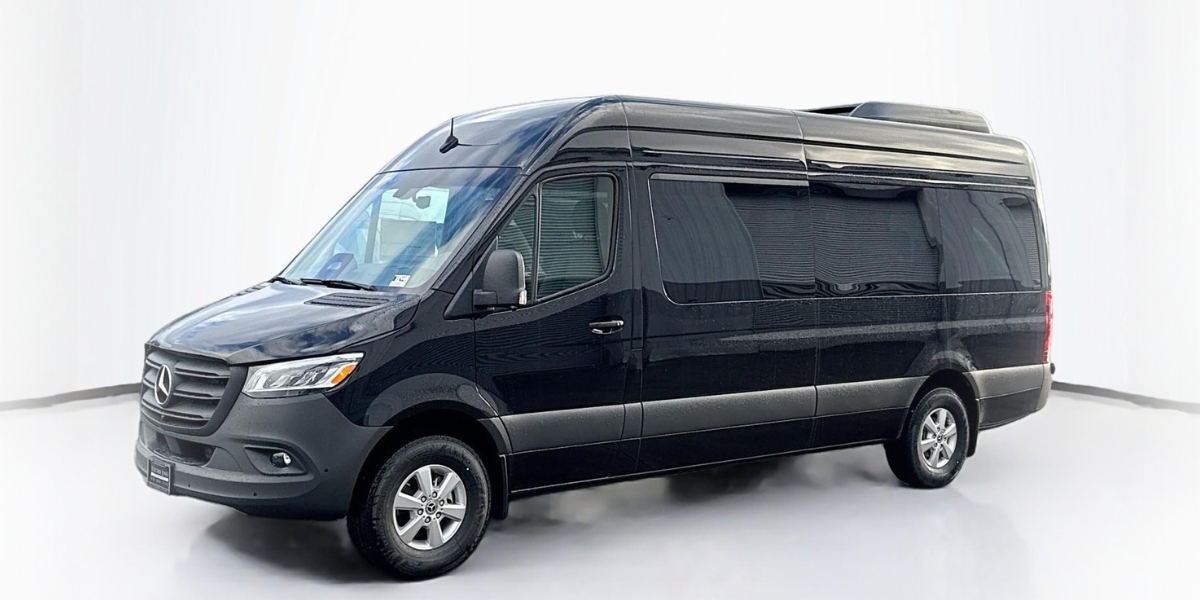
Bookinglane simplifies group transportation by offering premium Sprinter vans and executive vehicles that comfortably accommodate multiple passengers.

Instead of splitting into separate cars or relying on unreliable services, groups can travel together in a coordinated, efficient manner.

This is especially valuable for:

  • Corporate teams attending conferences
  • Wedding parties and private events
  • Sports teams and touring groups
  • Families traveling together

With spacious interiors and professional service, every passenger benefits from a unified, high-quality experience.

Airport Transfers Without the Stress

San Antonio International Airport (SAT) serves as a key entry point for both domestic and international travelers. For groups and corporate clients, airport transfers can be one of the most stressful parts of the journey.

Bookinglane is designed to address these challenges through:

  • Pre-scheduled pickups with real-time flight tracking
  • Meet-and-greet services for arriving passengers
  • Coordinated logistics for large groups
  • Direct, comfortable transfers to hotels, venues, or offices

This approach helps travelers arrive on time and without confusion, even when managing multiple arrivals.

Premium Fleet That Reflects Professional Standards

In corporate and group travel, image matters.

Bookinglane maintains a fleet of modern, black premium vehicles, including luxury sedans, SUVs, and Mercedes Sprinter vans, that reflect a consistent, high-end standard.

These vehicles are:

  • New-generation models with executive interiors
  • Clean, well-maintained, and professionally presented
  • Designed for both comfort and functionality

For businesses hosting clients or executives, this level of presentation reinforces professionalism and attention to detail.

Transparent Pricing and Predictability

One common frustration with transportation services is unpredictable pricing. Surge pricing and hidden fees can quickly disrupt budgets.

Bookinglane offers fixed, transparent pricing, allowing clients to plan ahead with confidence.

This is particularly important for corporate travel, where budgeting and expense management play a critical role.

With Bookinglane, pricing is clear and upfront, with no unexpected fees added after booking.

Technology That Simplifies the Experience

Bookinglane combines luxury service with a technology-driven platform that makes booking fast and intuitive.

Clients can:

  • Get instant quotes online
  • Select vehicle types based on group size
  • Confirm bookings in minutes
  • Modify or manage reservations easily

This eliminates the need for back-and-forth communication and allows users to secure transportation efficiently.

Supporting Event Planners and Travel Managers

For event planners and corporate travel managers, transportation logistics can be one of the most complex aspects of event planning.

Bookinglane acts as a reliable partner, helping streamline this process.

Benefits include:

  • Coordinated transportation for large groups
  • Reliable scheduling for multiple locations
  • Access to a global network of professional partners
  • Consistent service standards across all bookings

This allows planners to focus on the event itself, knowing transportation is handled professionally.

A Global Standard with Local Expertise

While Bookinglane operates globally, its services in San Antonio are supported by local expertise.

Chauffeurs understand the city’s layout, traffic patterns, and key destinations, ensuring efficient routing and timely arrivals.

This combination of global standards and local knowledge creates a balanced, reliable service that meets the expectations of modern travelers.

Why Bookinglane Is a Strong Choice for Group and Corporate Travel

For groups and corporate travelers visiting San Antonio, Bookinglane offers a clear set of advantages:

  • Simplified booking and management
  • Reliable, professional service
  • Premium vehicles designed for comfort
  • Coordinated group transportation
  • Transparent pricing and no hidden fees

These factors make it a reliable option for businesses, event organizers, and groups seeking a well-coordinated travel experience.

Elevating Travel in San Antonio

Transportation is more than just logistics. It’s a key part of the overall travel experience.

Bookinglane elevates this experience by combining luxury, technology, and reliability into one cohesive solution.

Whether travelers are planning a corporate trip, organizing a large event, or coordinating group transportation, choosing the right partner can make all the difference. In San Antonio, Bookinglane is working to set a new standard for how groups and businesses move efficiently, comfortably, and with confidence.

Importance of Regular RO Service in Guwahati

Access to clean and safe drinking water is essential for a healthy life. In a rapidly growing city like Guwahati, where water quality can vary due to pollution, seasonal changes, and infrastructure challenges, having a reliable RO (Reverse Osmosis) water purifier is no longer a luxury; it is a necessity. However, simply installing an RO system is not enough. Regular RO service in Guwahati is important to ensure it continues to deliver pure and safe drinking water.

1. Ensures Safe and Healthy Drinking Water

Over time, RO filters and membranes accumulate impurities such as dirt, bacteria, and dissolved salts. Without timely servicing, these contaminants can reduce the purifier’s efficiency, allowing harmful substances to pass through. Regular RO service ensures that all components are cleaned or replaced, providing consistently safe drinking water for your family.

2. Improves Purifier Performance

An RO system works through multiple filtration stages. If any part becomes clogged or worn out, the entire system’s performance can drop. Routine maintenance helps in identifying issues early and ensures optimal functioning, maintaining water flow and purification quality.

3. Extends the Lifespan of the RO System

RO purifiers are an investment. Regular expert RO servicing helps prevent major breakdowns by keeping all components in good condition. This extends the lifespan of your purifier and saves you from expensive repairs or replacements over time.

4. Adapts to Seasonal Water Changes

In Guwahati, water quality often changes during the monsoon and summer seasons. Increased turbidity during rains or higher TDS levels in summer can affect RO performance. Regular servicing helps adjust the system according to seasonal variations, ensuring consistent purification throughout the year.

5. Prevents Costly Repairs

Ignoring minor issues like unusual noise, slow water flow, or bad taste can lead to major damage. Regular maintenance helps detect such problems early, preventing costly repairs and ensuring an uninterrupted water supply.

6. Maintains Taste and Odor of Water

One of the key benefits of an RO purifier is improved taste and odor of water. Overused filters can negatively affect water quality, making it unpleasant to drink. Timely service ensures that water remains fresh, clean, and odor-free.

7. Saves Electricity and Water

A well-maintained RO system operates efficiently, consuming less electricity and reducing water wastage. Neglected systems may require more power and reject more water, increasing utility bills unnecessarily.

8. Ensures Compliance with Health Standards

Regular servicing ensures that your purifier continues to meet safety and health standards. This is especially important in urban areas like Guwahati, where water contamination risks are higher due to industrial and environmental factors.

A Small Step for Long-Term Benefits

Regular RO service is not just about maintenance; it’s about safeguarding your family’s health. In a city like Guwahati, where water conditions can fluctuate, timely servicing ensures your purifier performs at its best all year round. Investing in periodic maintenance is a small step that brings long-term benefits in terms of health, savings, and peace of mind.

NYC’s Office Amenities Arms Race Is Reshaping Midtown Real Estate in 2026

The battle for top talent has moved from salary negotiations to building amenities — and Midtown’s landlords are raising the stakes with every lease cycle.

The narrative around New York City office real estate has shifted decisively. Vacancy is no longer the defining story. What commands attention in 2026 is a high-stakes competition among Midtown Manhattan’s landlords to deliver workplace experiences that rival five-star hotels — and the tenants willing to pay a premium for them.

Industry insiders have taken to calling it an “arms race to amenitize buildings,” a race that is fundamentally redrawing the standards of what it means to occupy Class A office space in New York City. Standard gym access is no longer a differentiator. What tenants expect today — and what landlords are racing to deliver — is a different category of experience entirely.

From Square Footage to Lifestyle Destinations

In 2026, amenities are no longer perks. They are part of the financial model. That shift is playing out at nearly every premium building across Midtown, where landlords are deploying capital not just to maintain tenants but to win them in a market with increasingly little room for error.

At 1540 Broadway, GFP Real Estate and BDT & MSD Partners are investing $150 million to transform the tower into one of Midtown’s most distinctive office environments. The overhaul includes more than 45,000 square feet of tenant amenities across two floors — a 27,000-square-foot amenity center on the eighth floor featuring a fitness center, recovery and movement areas, and shared collaboration spaces, plus an 18,500-square-foot executive lounge on the 36th floor with a bar, dining area, exclusive meeting rooms, and a 6,200-square-foot landscaped outdoor terrace with panoramic city views.

The Seagram Building on Park Avenue went further still, debuting a 34,000-square-foot multilevel amenity space called The Playground beneath the Seagram Plaza, featuring a rock climbing wall, dedicated yoga and boxing areas, a 40-person boardroom, flexible meeting rooms, private phone booths, and locker rooms with showers — all managed by a dedicated fitness and concierge team.

Trophy Space Is Disappearing — And That Changes the Math

The amenities push is being accelerated by a supply problem. Available space within Midtown’s trophy office set has not registered a quarterly rise since the first quarter of 2023, according to Newmark’s Manhattan office report for the fourth quarter of 2025.

Manhattan saw 41.9 million square feet of office space leased in 2025 — the highest since 2019 — with Midtown alone accounting for 19.3 million square feet, surpassing many pre-pandemic annual totals. Sublease availability, a pandemic-era hangover, has dropped nearly 50% since 2021.

Midtown Class A office rents are now approximately 6% higher than pre-pandemic levels, with a significant portion of Midtown’s square footage consisting of Class A trophy product that commands premium pricing. Trophy office leasing is running 36% above pre-COVID averages, according to Avison Young — driven by marquee developments including JPMorgan’s new Park Avenue headquarters and Vornado’s Penn 1 and 2.

For tenants that want to offer employees a premium in-person environment, the options are narrowing. That scarcity is precisely what gives amenity-rich buildings their pricing power.

The Wellness Shift: Spas, Recovery Rooms, and Michelin-Caliber Dining

The evolution in amenity standards reflects a deeper change in how companies think about their physical offices. Employees consistently want natural light, outdoor access, quiet-focus areas, ergonomic seating, on-site wellness options, comfortable lounges, healthy food choices, and environments that support hybrid collaboration — a place where productivity feels easier and the physical environment gives energy instead of draining it.

Landlords are listening. Some NYC buildings have moved beyond fitness centers to install full wellness suites featuring massage chairs, aromatherapy stations, and natural light therapy facilities. One Vanderbilt offers spa-grade shower facilities, while The Spiral at Hudson Yards integrates showers into a biophilic, full-floor amenity program designed for lifestyle-driven tenants.

At the Empire State Building, tenants now access more than 65,000 square feet of amenities including a multi-sport court, basketball and pickleball courts, two golf and VR simulators, and a 400-person all-hands event space alongside seven in-building dining options.

Dining has become one of the most competitive battlegrounds. At 9 West 57th Street, the building introduced a full-floor tenant-exclusive amenity hub featuring a restaurant and bar alongside two upscale cafes, all curated by a leading hospitality group — a private, sophisticated environment for both casual lunches and client-facing events.

New Construction Doubles Down on Amenity-First Design

NYC's Office Amenities Arms Race Is Reshaping Midtown Real Estate in 2026

Photo Credit: Unsplash.com

The amenity arms race is not limited to repositioned buildings. New ground-up development in Midtown is being designed with experiential offerings from the blueprint stage.

At 343 Madison Avenue in Midtown East, excavation and foundations are underway for a 49-story, 950,000-square-foot commercial skyscraper designed by Kohn Pedersen Fox and developed by BXP, featuring a collection of tenant amenities integrated into the design and subterranean access to the Grand Central Madison concourse.

At 350 Park Avenue, a proposed 62-story, 1,600-foot supertall tower designed by Foster + Partners for Citadel and Citadel Securities would deliver 1.8 million square feet of Class A office space and a 12,500-square-foot public concourse along Park Avenue.

Both projects reflect a development community that has internalized a straightforward lesson: in a market where supply is tightening and tenants have options, the building that wins is the one that feels less like an office and more like a destination.

The Residential Market Is Following Suit

The amenity shift is not confined to commercial real estate. New York City’s rental market is undergoing a parallel transformation, as developers compete to attract residents with the same logic driving corporate landlords.

Wellness spas are now found in 29% of new rental buildings in New York City, a sharp rise from just 9% among older construction, while rooftop decks are present in 63% of newer buildings compared to 47% in older stock. The push reflects a broader lifestyle shift driving premium pricing across the city’s most competitive zip codes — from Hudson Yards and the Far West Side to the waterfront developments reshaping Greenpoint and Long Island City.

The Pfizer headquarters conversion on the Far West Side — the largest office-to-residential conversion project in the United States — is delivering roughly 1,600 rental apartments with amenities including a rooftop pool, fitness center, spa, and pickleball courts, with leasing having already begun and demand described as high.

Tourism and Foot Traffic Keep Midtown’s Retail Ecosystem Alive

Underpinning the entire commercial corridor is a tourism engine that continues to perform. New York City’s hotel occupancy and Broadway attendance both rose noticeably year-over-year in February, even amid two major snowstorms, signaling that Midtown’s foot traffic remains durable.

Tourism to New York City in 2025 approached or surpassed 64 million visitors — nearly back to the 2019 record of 66.5 million — lighting up shopping corridors from Fifth Avenue to SoHo and supporting retail leasing that topped 3.0 million square feet in the first three quarters of the year alone. For landlords and restaurateurs in the Theater District and Midtown corridor, that foot traffic is a lifeline.

Sales tax revenue in New York City has climbed 32% since 2019, reaching its highest recorded level in 2025 — a figure that signals genuine consumer activity rather than speculative recovery.

What the Arms Race Means for New York

The competition to build the most compelling office environment in Manhattan is, at its core, a competition for talent — one that plays out city-wide and benefits New York’s broader economic ecosystem. Buildings that attract and retain premium tenants generate tax revenue, anchor neighborhood retail, fill restaurants, and sustain transit ridership.

Paying slightly higher rent for a building that keeps employees engaged is cheaper than managing the fallout of a disengaged workforce — a calculation that has moved wellness amenities, terraces, quiet rooms, upgraded air systems, and hospitality-style experiences from “nice-to-have” into strategic necessity.

For a city long defined by its density and dynamism, Midtown’s amenity arms race is less a luxury trend than a structural reset — one reshaping what New York’s skyline promises to the people who work beneath it.

Ruslanbek Karim’s Path from Kazakhstan to North American Hockey

By: 369 Sports & Entertainment 

For Ruslanbek Karim, the path has never been about comfort; it has always been about progression.

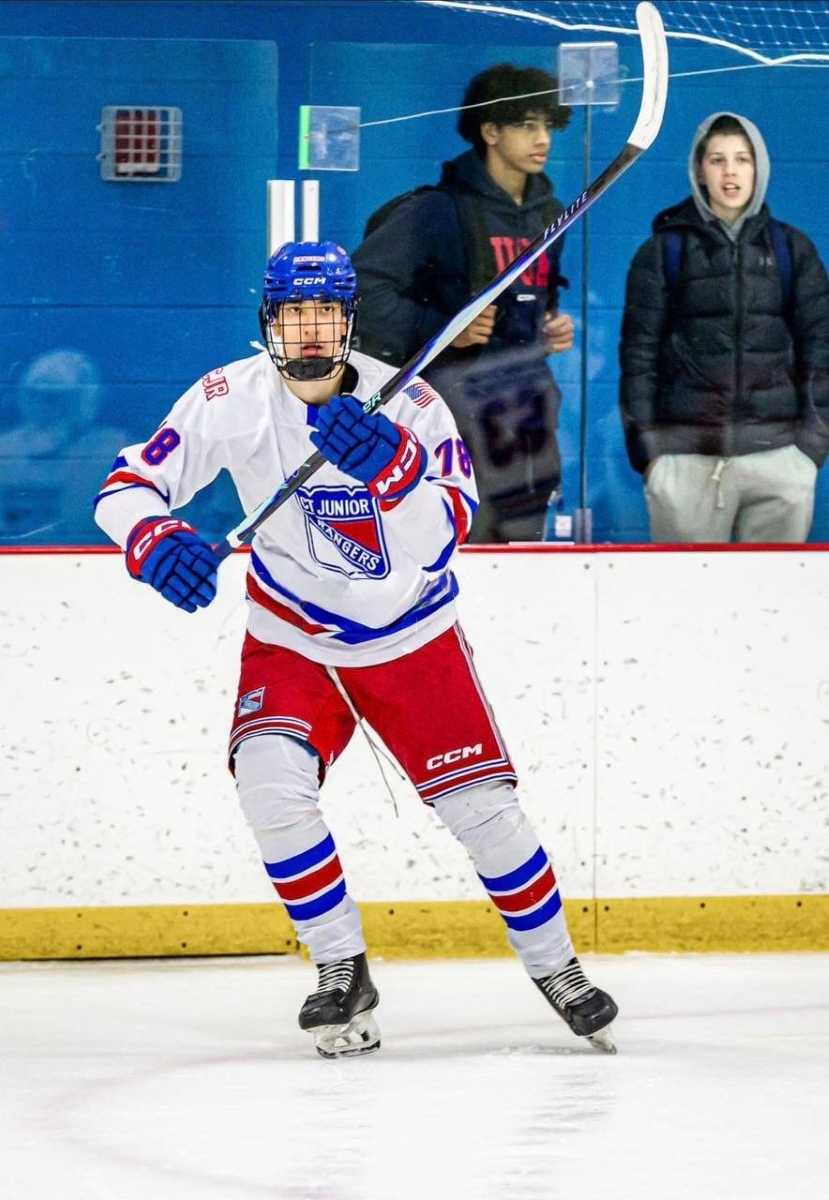
At 18 years old, the 6’4″ forward has already made the decision many players hesitate to take on: leaving home early to pursue a bigger stage. Moving from Kazakhstan to the United States, Karim stepped into a faster, more physical game and into an environment built for development. His approach is simple: play direct, play for results, and keep moving forward.

“My style of play is focused on the net and results,” he says. “I always play with the thought of scoring and bringing maximum benefit to the team.”

Even though this mindset seems strong and well developed for such a young man, it did not happen overnight for Ruslanbek.

Like many players from the region, Karim’s early development came during a time when hockey in Kazakhstan was still growing.

“Hockey in Kazakhstan is developing actively now, but when I started, it was one of the early stages of youth hockey,” he explains. “Even then, we played in international tournaments, competed in Russian championships, and showed good results.”

A key part of that development came through the Barys Astana system, which is one of the most respected hockey programs in the country.

“Playing in the Barys system is prestigious for any player,” Karim says. “It is one of the main hockey brands in Kazakhstan, so it is always a big honor and responsibility.”

His mindset was shaped not only by training or the Barys program, but by inspiration as well. For Ruslanbek, a movie about Valeri Kharlamov became an example and showed what a real hockey player should be like.

Ruslanbek Karim's Path from Kazakhstan to North American Hockey

Photo Courtesy: 369 Sports & Entertainment

Like a lot of young players who show results, Karim’s path has not been built on certainty but more on being persistent. A clearly set goal in one’s mindset is more important than what is actually happening in reality. Of course, Ruslanbek as any of us has doubts about the future, which is normal for such a young age. “But in my soul, I am already playing in the NHL,” he admits.

That balance between realism and ambition defines his mentality.

“I train six days a week, sometimes twice a day,” he says. “The most important things in hockey are persistence, belief in yourself, and willpower.”

The mentality of being consistent is probably the only thing that remains the same for hockey all over the world. That mentality was brought in by Karim when he made the decision about the move to North America. However, the relocation to the United States was not just about hockey, it was a calculated step toward Ruslanbek’s long-term development.

“I decided to combine education and hockey,” he explains. “It’s an opportunity to study, get a scholarship, and at the same time learn the American hockey system while continuing to develop my career.”

The transition, while significant, came with some advantages.

“My adaptation went quite smoothly,” he says. “Some players from my Barys school were studying and playing with me on the same team, so it was easier to adjust.”

Though Karim still had to face the language barrier, it was not as hard for him to perform well on the ice, despite the immediate differences.

“Hockey here is more physical. In Kazakhstan, the game is more based on speed,” Ruslanbek admits. But with greater resources and opportunity, the environment pushed him forward.

“The main difference is the approach of the coaches and the opportunities,” Karim adds. “There are many more here, and you can always find extra ice for training.”

Unfortunately, the language barrier was not the only struggle Karim faced. Despite his focus and independence, the emotional side of the journey remains real.

Ruslanbek Karim's Path from Kazakhstan to North American Hockey

Photo Courtesy: 369 Sports & Entertainment

“Of course, I miss home,” Karim says. “Especially closer to the end of the season, that’s when I really want to go back to Kazakhstan.”

Staying connected to family has become a part of his routine, same as for any international player.

“With my mom, we usually talk in the morning and in the evening. It’s our ritual, it helps her feel calm,” he shares. “With my dad, we also talk often, but usually about important decisions or even football, since we are both fans. And with my brother, we text almost every day.”

Living far from home is something he has learned to handle.

“It’s not very difficult for me because since childhood we were often traveling for competitions and camps,” he explains. “But sometimes I really miss Kazakh food and, of course, my mom’s cooking.”

The support of Karim’s family matters the most when he is on the ice. It helps Ruslanbek play with a clear purpose. Beyond physical tools, though, he values intelligence.

“What I value most in my game is hockey IQ and the ability to read the game. It helps me make the right decisions on the ice.”

Like any developing player, he knows where he needs to improve. Currently, Karim’s main goal is to improve his endurance in order to play consistently and effectively throughout the entire game.

“I am motivated by my love for hockey and a strong desire to achieve my goals. I want to get better every day,” the forward shares.

Besides Karim’s family, another element supporting him both on and off the ice is 369 Sports & Entertainment. He first connected with Robert Mazin, the CEO of the agency, during the pandemic.

“I met Robert through a post on Instagram,” Karim says. “Since then, we’ve been in constant contact, and now we work together in the United States. He is my sports agent.”

That relationship has played a key role in his development abroad.

“Robert is a very strong motivator and understands the psychology of young players very well,” he explains. “He helps build a career step by step in the right way.”

But the impact extends beyond just the player.

“It’s also a big support for parents,” Karim adds. “He has a strong team that helps both players and their families 24/7.”

Being far from home makes that support even more important.

“Here in the U.S., this kind of support is especially important,” he says. “I know that at any moment, the 369 team can help solve any issue, be it legal, medical, or the documents. For any player going abroad, having a team like that is a huge advantage.”

Despite just being 18 years old, Karim’s vision for the future is clear and structured. He admits that his next goal is get to the NCAA and establish himself at that level. Beyond that, his focus remains on constant progression. And for young players back home, he offers a direct message:

“I believe it’s important to leave as early as possible and not delay it. The earlier you start, the more opportunities you have to grow and develop.”

From a six-year-old pushed onto the ice by his father, to a driven forward building his career in North America, Ruslanbek Karim’s journey is defined by discipline, sacrifice and ambition.

A New Era for Zimbabwean Cinema as Bryn Ncube’s The Great Drying Gains Government Support

By: Francisco J Pagan

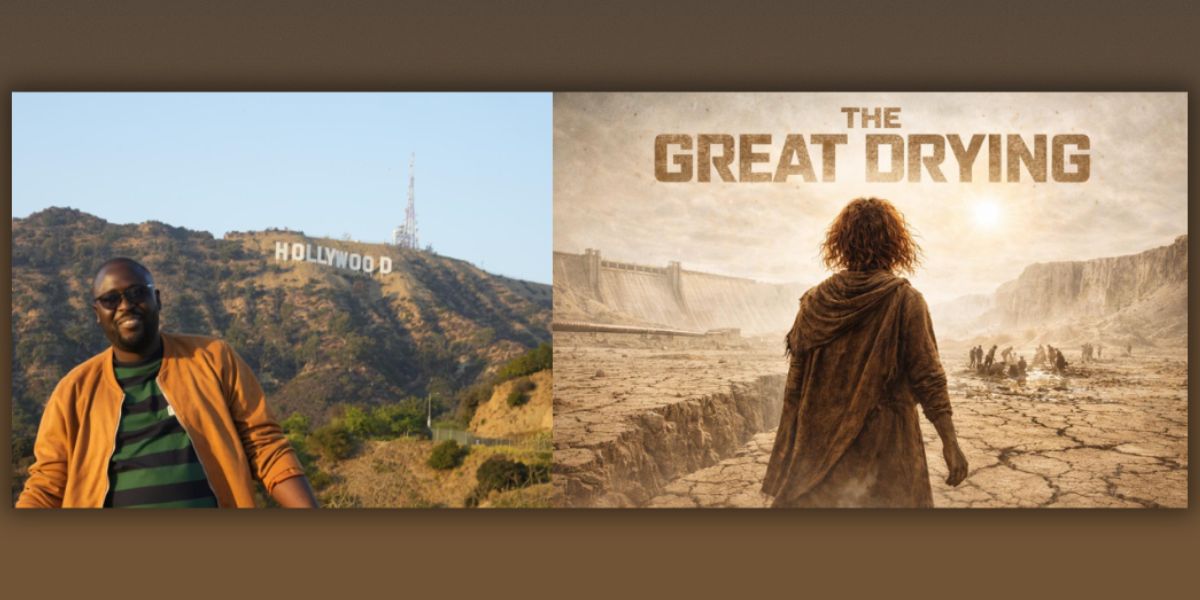
A new era is unfolding for Zimbabwean cinema, as Zimbabwean filmmaker Bryn Ncube develops The Great Drying, an ambitious feature film backed by the Ministry of Sport, Recreation, Arts and Culture, a reflection of the country’s growing commitment to supporting young creatives and elevating a new generation of storytellers onto the global stage.

This momentum is being driven in part by forward-thinking leadership within the Ministry, including Deputy Minister Hon. Emily Jesaya, whose openness to engage with emerging filmmakers has helped enable projects of this scale. Her willingness to listen, collaborate, and support ambitious cultural initiatives reflects a broader institutional vision to position Zimbabwe as a serious force within the global creative economy.

Principal photography begins this September. With production spanning the United States and Zimbabwe, including key sequences set against the breathtaking Victoria Falls, the film is positioned as a globally resonant cinematic experience.

The Great Drying is a dystopian survival story grounded in emotional truth. “After the ‘Great Drying’ turns the world into a blazing wasteland, a determined mother risks everything to save her dying daughter only to discover that survival may demand the ultimate sacrifice,” Ncube explains.

The film explores themes of sacrifice, resilience, and the fragile systems that govern human survival. While set in a speculative future shaped by environmental collapse and engineered disaster, its emotional foundation is deeply personal. Ncube draws inspiration from Zimbabwe’s early-2000s drought, when water shortages forced communities to rely on limited supplies and endure long queues for basic survival. That memory, he says, became the emotional foundation of the story.

“It asks a difficult question: what are we willing to sacrifice when survival is no longer guaranteed?” he says. “It’s an intimate story about a mother and her child, but it also reflects something much bigger about humanity.”

Conceived as a full commercial feature, The Great Drying represents a significant step forward in scale and ambition for a Zimbabwean-led production. The project is being developed with international audiences in mind, targeting major film festivals such as Sundance, the Toronto International Film Festival, and Venice, with the goal of securing global distribution and a theatrical release.

A defining element of the film’s development has been its collaboration with national institutions. According to Ncube, the support from the Ministry of Arts and Culture has been instrumental both practically and symbolically.

“It’s one thing to have a vision, but it’s another for your own country to stand behind it,” he says. “Their support signals that Zimbabwe is ready to participate in the global film industry at a serious level. It’s not just about backing a project, it’s about backing a voice, a perspective, and a new generation of storytelling coming out of Africa.”

Beyond its narrative ambitions, The Great Drying carries broader cultural and economic significance. By showcasing one of the world’s most iconic natural landmarks, Victoria Falls, the film has the potential to amplify Zimbabwe’s global image, contribute to tourism, and create opportunities within the local creative sector.

“This project has the potential to shift how Zimbabwe is seen globally, not just as a country, but as a creative force,” Ncube notes. “If one film can travel internationally, it creates space for many more to follow.”

For Ncube, however, the vision extends far beyond a single film.

“This is a Zimbabwean-led project pushing into the global film space, not as an outsider, but as a serious creative voice,” he says. “It’s about building a future where Zimbabwe is consistently part of the global film conversation.”

With The Great Drying, that future is no longer distant; it is already beginning to take shape.